Category: Destinations

  • 10 Best Things to Do in Tarragona, Spain

    10 Best Things to Do in Tarragona, Spain

    I can highly recommend Tarragona as a travel destination in Catalonia: The city is really nice to explore and is bursting with great sights. I’ll show you my tips for Tarragona here and explain why you should definitely make a detour here!

    Sooner or later, you’ll come across another name for the city of Tarragona: Tarraco. That was Tarragona’s name in ancient times. In the 1st and 2nd centuries, Tarragona (or Tarraco, as it was then known) was one of the most important Roman cities on the Iberian Peninsula.

    Tarragona Roman Excavations

    After the fall of the Roman Empire, however, Tarragona disappeared into insignificance. Many of the pompous buildings were simply built over afterwards in the course of the centuries. Today, the ensemble of monuments from the Roman period is a UNESCO World Heritage Site and is managed by the Museu d’Història de Tarragona.
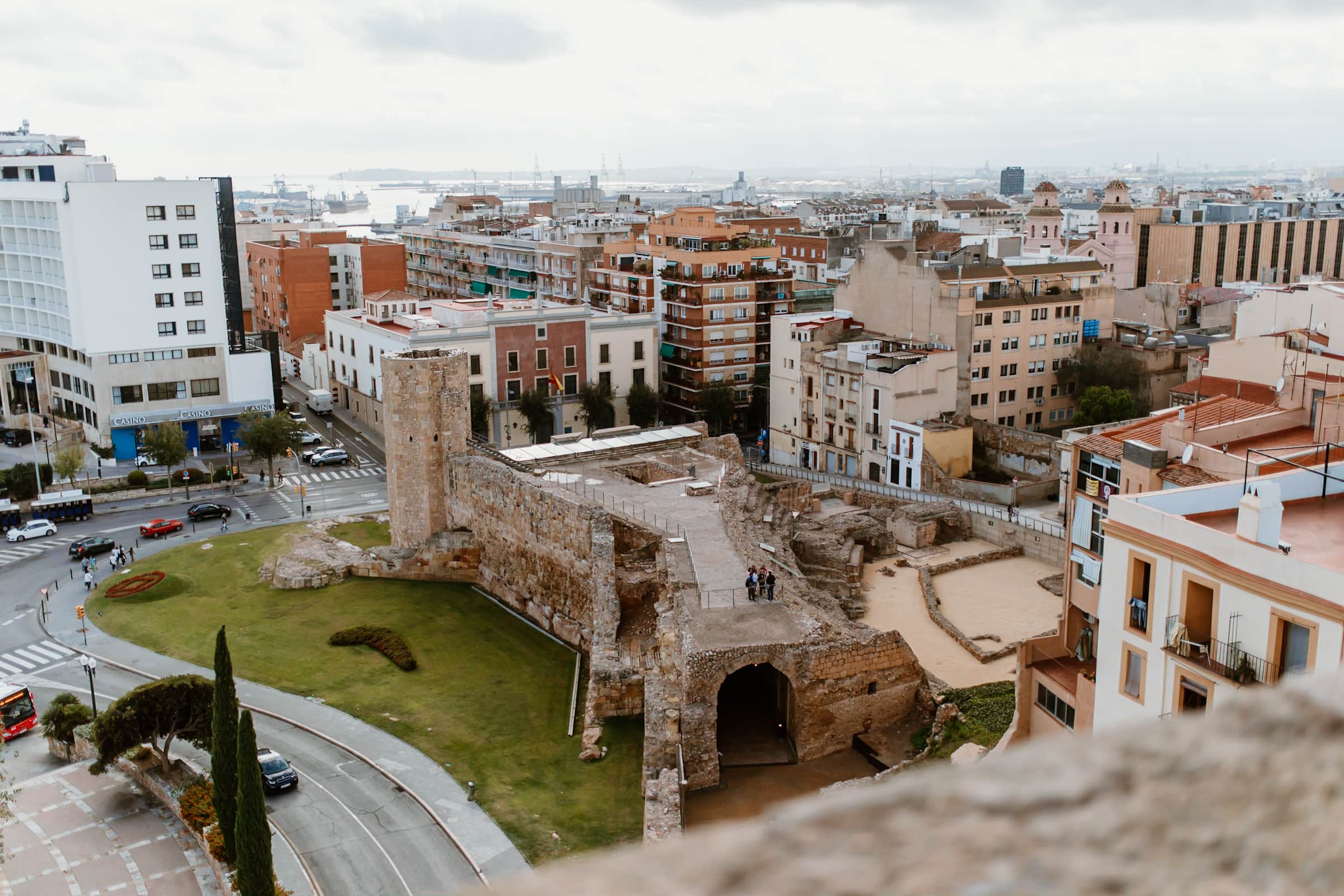
    Roman ruins in Tarragona with a panoramic view of the city and the harbor

    These are the attractions you should see in Tarragona:

    The Circus

    Hard to believe how big the Circus was in ancient Tarragona! On an area of 325 meters long and between 100 and 115 meters wide, chariot races took place here, one of the greatest spectacles ever! Today you can see especially the huge vaults underneath the Circus, which actually only served to stabilize the heavy stands above. Unbelievable, for which crowds of people the Romans built at that time!

    Tarragona Circus vault

    The Amphitheater

    Situated directly on the sea, in Roman times the amphitheater hosted gladiatorial fights and bloody chases with wild animals that lost their lives for the amusement of the spectators.

    Tarragona Amphitheater

    Torre del Pretori (Praetorian Tower)

    From the Torre del Pretori you have a fantastic panoramic view of Tarragona. Especially the view of the amphitheater and the old town with the cathedral enthroned in the middle are really worth seeing!

    Panoramic view of Tarragona, featuring the cathedral and the Old Town

    Tip: You can buy an entrance ticket for each monument individually. However, there is also a collective ticket, with which you save money already from the second location!

    For a small fee, you can also join a walking tour of the Roman sites: Book here*

    Tarragona Cathedral

    Situated on a hill in the middle of the old town, between buildings, Tarragona Cathedral seems almost small and inconspicuous. But you should definitely take a look! The main church and the huge organ are very impressive. And inside the complex, the romantic cloister awaits you. A real oasis!

    ➜ Buy your tickets for the cathedral here*

    Gothic cathedral with a rose window and an ornate portal
    Medieval monastery garden with a fountain and Gothic arcades

    Castellers: The human towers of Catalonia

    On Sundays, the square in front of Tarragona Cathedral often hosts one of the absolute highlights: Here you can watch the various groups of castellers build their dizzying towers, the castells, in a combination of teamwork and acrobatics. Every two years there is a big competition lasting several days, in which the best group is chosen. In Tarragona alone there are four different clubs that maintain this tradition with great dedication.

    I was particularly impressed by how much cohesion (in the truest sense of the word) is required for a tower: hundreds of Castellers come together in a precisely thought-out formation! There is no real competition between the groups either; they even help each other to wrap the ultra-long waistbands, which provide the necessary stability in the lumbar region.

    Attention: In case of rain or wet ground the whole spectacle is cancelled for safety reasons.

    Catalan castellers build a human tower at the festival
    Catalan castellers form a human tower in front of a historic cathedral

    You can find more tips for the area around Tarragona, the Costa Dorada and Catalonia here:
    Catalonia tips & sights

    Balcó del Mediterrani (Balcony to the Mediterranean Sea)

    The balcony to the Mediterranean Sea: that’s the name of the popular beach promenade in Tarragona! And really, the promenade seems like one huge balcony: You’ll have the perfect view of the sea from up here! People like to stroll here, which the locals also call “tocar ferro” (touching the iron). In fact, superstition says that touching the railing of the Balcó del Mediterrani brings good luck!

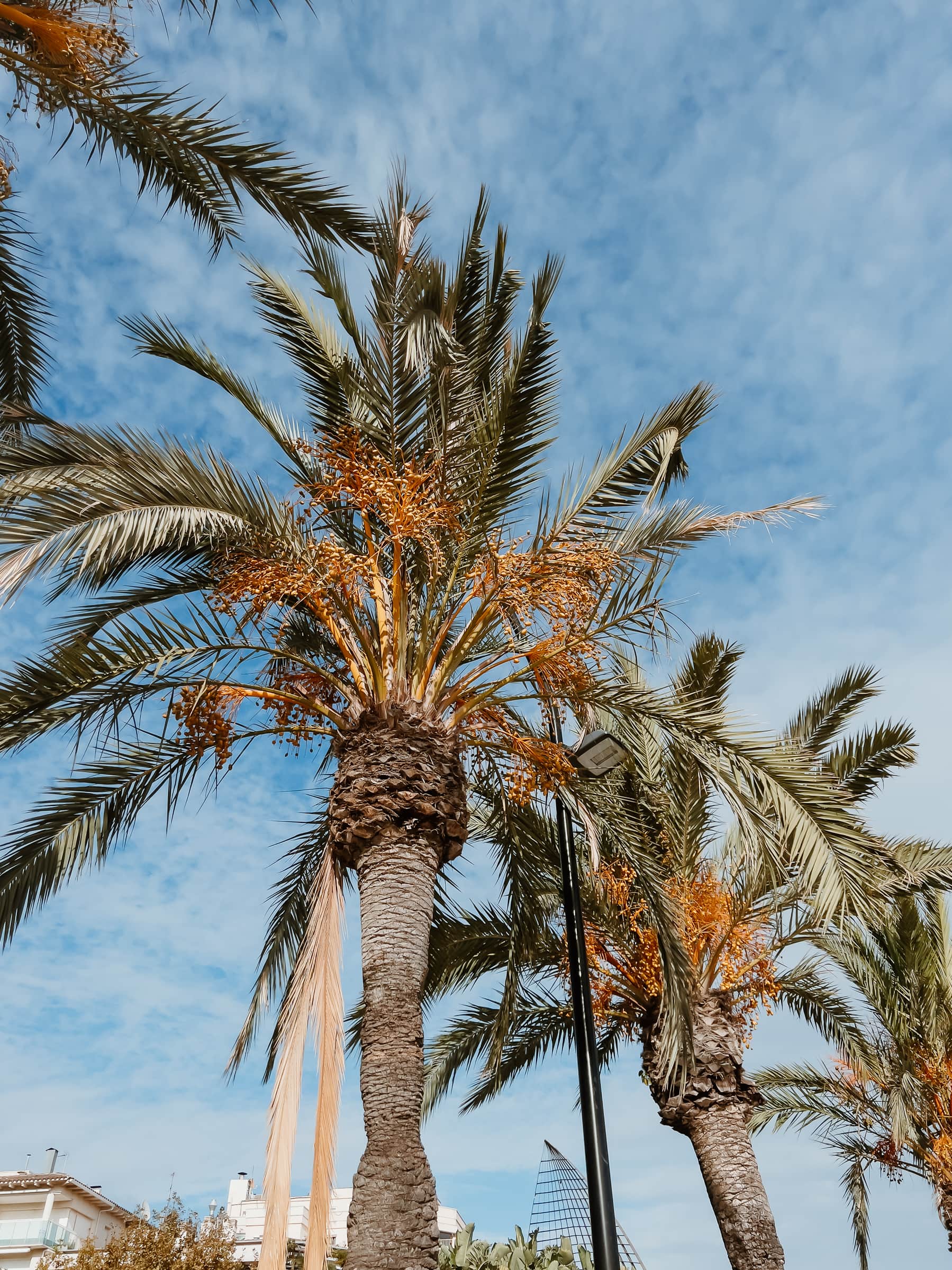
    Ocean view through pink oleanders and palm trees on the Mediterranean coast

    Museu d‘art Moderna MAMT

    If you are even a little bit interested in modern art, you should definitely take a look at the Museu d’Art Moderna de Tarragona (called “MAMT”). In addition to different exhibitions, you can see the famous Tapis de Tarragona by Joan Miró, behind which there is a touching story.

    Large, colorful tapestry featuring abstract figures in a museum-style design

    In 1966, Miró’s only daughter had a serious car accident near Tarragona, but was rescued and treated in a hospital in Tarragona. Grateful for the efforts of everyone involved, Miró donated his work “Tapis de Tarragona” to the Red Cross of Tarragona in 1970, which can now be seen in the MAMT. The tapestry was knotted by Josep Royo, with whom Miró went on to create further tapestries for special locations. One of these tapestries (and the largest) hung in the World Trade Center in New York until its destruction on September 11, 2001.

    By the way, admission to the MAMT is free!

    Beaches in Tarragona

    Do you feel like going to the beach? In Tarragona this is not a problem! Even though you’re in the middle of a city and part of the coast is taken up by the admittedly unattractive harbor, you can still have a great beach day here: Tarragona even once won an award for the most natural city beaches in Spain!

    A coastal town with a turquoise-blue sea and a cloudy sky

    From the Torre del Pretori you can see especially well the Platja Arrabassada and the Platja Savinosa. Although Tarragona’s beaches are very close to the city, they are largely unspoiled. You’ll really find a lot of greenery and great hiking trails in the area.

    Shopping in Tarragona

    Tarragona is not as much of a shopping destination as Reus. Nevertheless, on Calle Major, for example, which leads down from the cathedral, you will find some nice stores where you can also buy typical souvenirs such as wickerwork or porcelain.

    A narrow alley in the old town with a view of the Gothic cathedral in Tarragona

    Small handbags made of wicker are in style or can be used as a trendy basket at home. And they are often simply cheaper here than at home!

    Larger stores can be found on Rambla Nova, a large shopping street, or in the Centre Comercial Parc Central.

    Woven straw bags in a rustic home decor store

    Where to eat in Tarragona

    The old town of Tarragona with its small winding streets is just too romantic! Here you will find many great locations for a cozy glass of Vino Tinto in the evening or right away for dinner. But note: Take your time, because the evening starts much later in Spain! 🙂

    A bustling staircase in the Old Town, lined with passersby and historic buildings

    You can sit outside until the evening in one of the many bars on Plaça de la Font! And the terrace of Pizzeria Pulvinar on Calle Mayor is a great place to enjoy the Tarragona vibe.

    A bustling town square with a historic city hall in Tarragona, Spain

    For rainy days or cooler weather, I recommend Entrecopes. Here you can enjoy typical Catalan cuisine in a cozy cellar vault!

    Where to stay in Tarragona

    Just like Reus, I was also very enthusiastic about Tarragona. I love big cities like Barcelona, but sometimes it’s the small, at first glance inconspicuous places that I really enjoy discovering.

    I really liked Tarragona. Its location right by the sea, the charming old town, and the historic sites are simply unbeatable. And the hotel certainly added to the experience: watching the orange-glowing sun slowly rise over the turquoise-blue Mediterranean right from my room’s balcony in the morning is simply one-of-a-kind.
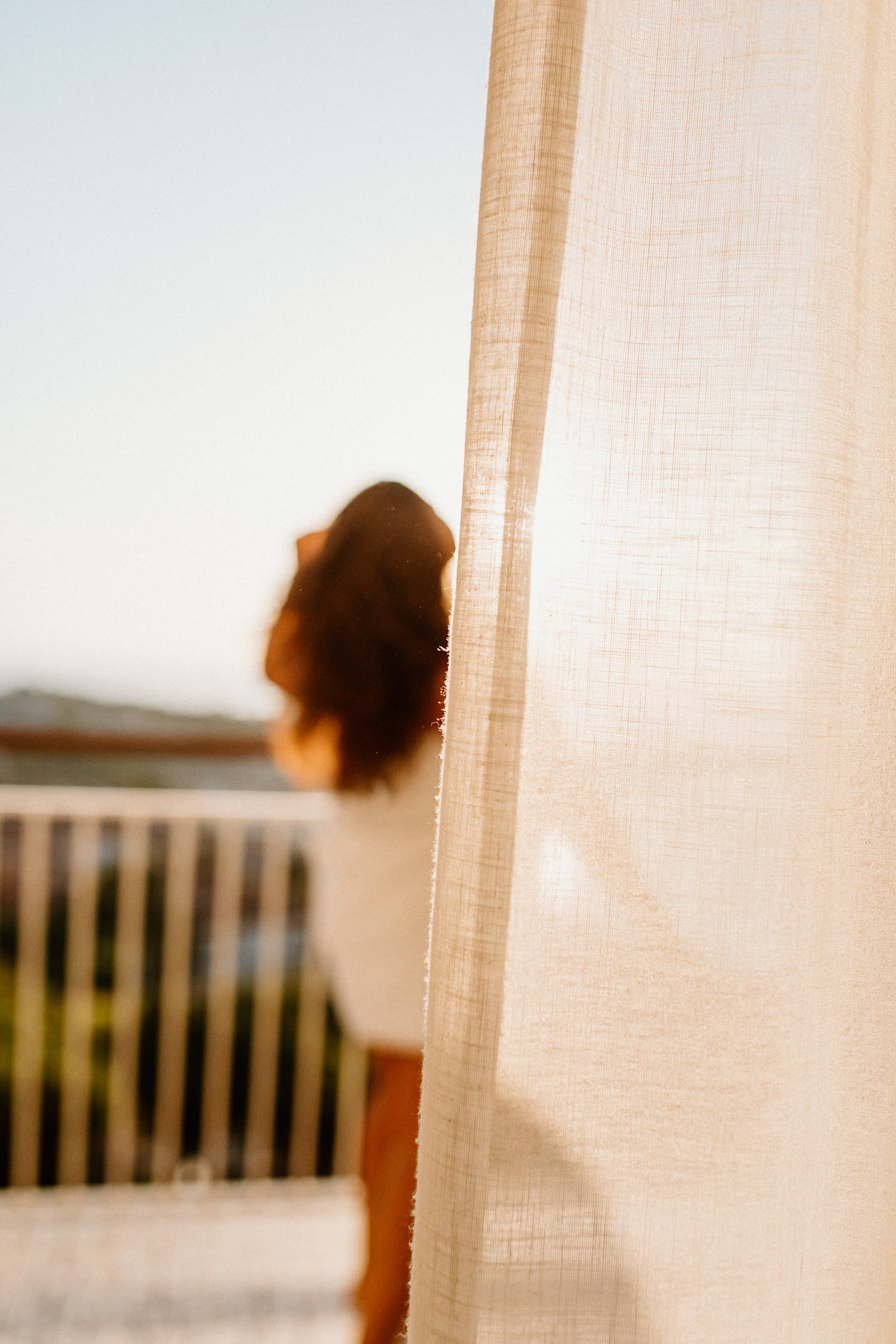
    Woman behind a white curtain on a sunny balcony

    And yet the H10 Imperial Tarraco is actually one of those massive hotels that usually leave me pretty cold. But this time, I had to eat my words: Not only is the view impressive, but so is the hotel’s overall vibe—somewhere between cool Miami style and warm tropical charm!

    A woman in a towel enjoys the sunset from the hotel balcony overlooking the ocean
    A woman relaxes on a white hotel bed with decorative wall paneling

    By the way, on the roof there is a rooftop bar with pool – and a fantastic view over the sea!

    ➜ You can book a stay at the H10 Imperial Tarraco here

    An elegant hotel restaurant with a view of palm trees through large panoramic windows

    How to get there / Day trip from Barcelona

    From Barcelona you can reach Tarragona in just one hour by a regional train! The city is therefore perfect for a day trip if you are in Barcelona anyway.

    ➜ Train timetables & tickets from Barcelona

    And Barcelona itself is always worth a trip, too! From many German airports there are good and cheap connections to Barcelona:

    ➜ Find a cheap flight to Barcelona here*

    Aerial view of a Mediterranean coastal town with a turquoise-blue sea

    Where to go next

    Tarragona is located on the Costa Dorada. Nearby you will find many small coastal towns such as Cambrils, which are especially popular in the summer! You can also take a trip to beautiful Reus, the city of Modernisme. Or you can plan a complete road trip through Catalonia – it’s worth it!

    ➜ Rent a car from Barcelona here*

    ➜ Here you can find all my tips for a trip to Catalonia

    Disclaimer: The Tourism Board of Catalonia invited me on this trip.

  • The Best Things to Do in Reus, Spain

    The Best Things to Do in Reus, Spain

    The city of Reus in Spain is a real treasure! A hundred kilometers from Barcelona, you will find a place with a lot of history, great architecture and great spots for foodies. In any case, I was immediately hooked by the lovely town of Reus and would recommend it any time as a city trip in Spain!

    Statue of a horseman in Plaça del Mercadal in Reus, Spain
    Plaça Prim in the center of Reus also often serves as a meeting place

    What to see in Reus

    The city center of Reus is dominated by Modernist buildings and the flair of a once very rich commercial city. In addition, Reus is still the absolute shopping destination in the south of Catalonia. If you love cozy alleyways, old building architecture and small boutiques, this is the place for you. And although Reus, with its 100,000 inhabitants, seems like a village next to a city like Barcelona, there are many interesting sights here.

    Looking for more inspiration for your trip?
    Here you can find all my tips for Catalonia

    Plaça Prim

    At Plaça Prim, you can see the important role Reus once played as a trading center in Catalonia. The pompous arcades along one side give the square a truly stately flair! The square is named after General Joan Prim i Prats, who was born in Reus and fell victim to an assassination attempt in 1870 during his later office as Spanish Prime Minister.

    Reus sights Plaça Prim with Teatre Fortuny

    Especially worthwhile here is a visit to the Teatre Fortuny, which should look just as glamorous from the inside, as I was told. Guided tours are not available, but maybe you’re in the mood for a concert or an operetta?

    ➜ Schedule of the Teatre Fortuny

    Hand holding a historic photo of Plaça Prim in Reus

    Unfortunately, not all of the buildings from Reus’ heyday at the beginning of the last century on Plaça Prim have been preserved. Where high society once met in the Gran Hotel de Londres, there is now an unadorned building from the 1970s. That’s a shame, but you should still take in the elegant atmosphere of the square.

    If you want to get a feel for what Reus used to look like here, it’s worth visiting Foto Niepce. In this photo store on Plaça Prim, founded in 1926, you’ll find a small photography museum with pieces from the history of this traditional family business.

    Plaça del Mercadal

    The Plaça del Mercadal is another central point in the center of Reus. Here you will find the City Hall, the Gaudí Centre and the opulent Casa Navàs.

    View of the Plaça del Mercadal from Casa Navàs
    From Casa Navàs you have the perfect view of Plaça del Mercadal

    If you want to take a little break, here’s the perfect opportunity! My café tips:

    Roslena Modern café with self-service and affordable snacks, but at the same time a well-stocked magazine store! Located next to the Gaudí Museum.

    Café de Reus Located a bit off Plaça del Mercadal, but you can hardly miss it with its red facade. Great location for drinks & tapas, in the evening there’s also sometimes live music.

    Café de Reus terrace with red facade
    Very pretty: the facade of the Café de Reus

    Modernism in Reus

    Buildings worth seeing from the Modernisme period in Reus include Casa Navàs, the Pere Mata Institute, Casa Rull and Casa Gasull. Most of the buildings were designed by Lluís Domènech i Montaner, another famous representative of Modernism along with Gaudí.

    If you’re as interested in architecture as I am, you can book a special architecture tour at the tourist information office in Reus, which will take you to and inside many buildings that you wouldn’t otherwise have seen!

    Or you can follow the “Ruta del Modernisme” on your own: 29 of the almost 80 Modernisme buildings have been combined into a tour. You can get the map at the tourist information office in Plaça del Mercadal.

    ➜ The Ruta del Modernisme in Reus

    What is Modernisme?

    The architectural style of Modernisme emerged in Catalonia between 1885 and 1920. Similar to Art Nouveau, which emerged in parallel in Germany, Modernisme is characterized by novel curved lines and organic forms. Modernisme, however, was not only a style of architecture, but also a social movement that spanned all areas of life such as art, culture, and politics. One of the most famous architects of this era is Antonio Gaudí.

    Casa Navàs

    Built between 1901-1907, Casa Navàs is one of the best examples of the Modernist architectural style. The merchant Joaquim Navàs lived here with his wife on the upper floors, and on the first floor was the family department store until 2018, which now serves as an event location after a change of ownership. The upper floors are still furnished with the original furniture. You can visit Casa Navàs as part of a guided tour.

    Personally, I love the playful style of Modernism, but at the same time the vibe of an era in which so much has changed in the whole world in terms of culture and society. In Barcelona, I was always very taken by the wealth of detail in houses such as Casa Milà, and I don’t know anyone who isn’t fascinated by the architecture there. At Casa Navàs, however, my jaw dropped by excitement. The dedication with which the entire house was designed can be felt in every room.

    Just for the Casa Navás a trip to Reus is worth it! As soon as you enter the stairwell, you realize that you are entering a very special house. My tip: Ask for a tour with Ben – his love for the house is absolutely contagious and he’s a natural as a museum guide! Once I’d got my jaw dropped, I couldn’t stop laughing because the tour with him was so entertaining.

    Gaudí Centre

    The city’s most famous son, Antonio Gaudí, has an entire museum dedicated to him in Plaça del Mercadal. Although Gaudí was born in Reus and spent his entire childhood and youth here before moving to Barcelona, there is not a single one of him in the city of his birth. This is in stark contrast to Barcelona, where he played a major role in shaping the city’s appearance with buildings such as the Sagrada Familia, Casa Milà, Casa Batlló and Parc Güell.

    ➜ Gaudí Centre

    Gaudì Centre Reus at Plaça del Mercadal

    The Famous Vermouth of Reus

    If you’re in Reus, you should definitely try a vermouth. The white wine mixed with herbs and sugar is the traditional drink of the city. In the 19th century, vermouth and the trade in it brought wealth to the town. Around Reus today there are still eight different vermouth producers.

    Wooden barrels with vermouth in Reus, Spain

    Eating & Drinking in Reus

    Even if you haven’t become a fan of vermouth (with its herbal taste, it’s not for everyone), I recommend Vermuts Rofes in Reus. Once vermouth was produced here, now the former manufactory has become an atmospheric restaurant.

    Tip: Walk through to the inner courtyard! Here you can try typical Catalan dishes at large, rustic industrial-style tables. And if you wish, treat yourself to a glass of the company’s own vermouth, because Vermuts Rofes is still being produced, just in a different, modern location.

    Plate with mussels in vermuts Rofes Reus

    Shopping in Reus

    Reus is still the first port of call for the surrounding region when it comes to shopping. In the narrow pedestrian streets of the city center, you will not only find the usual suspects such as Mango and Zara, but also a surprising number of small boutiques and family-run stores.

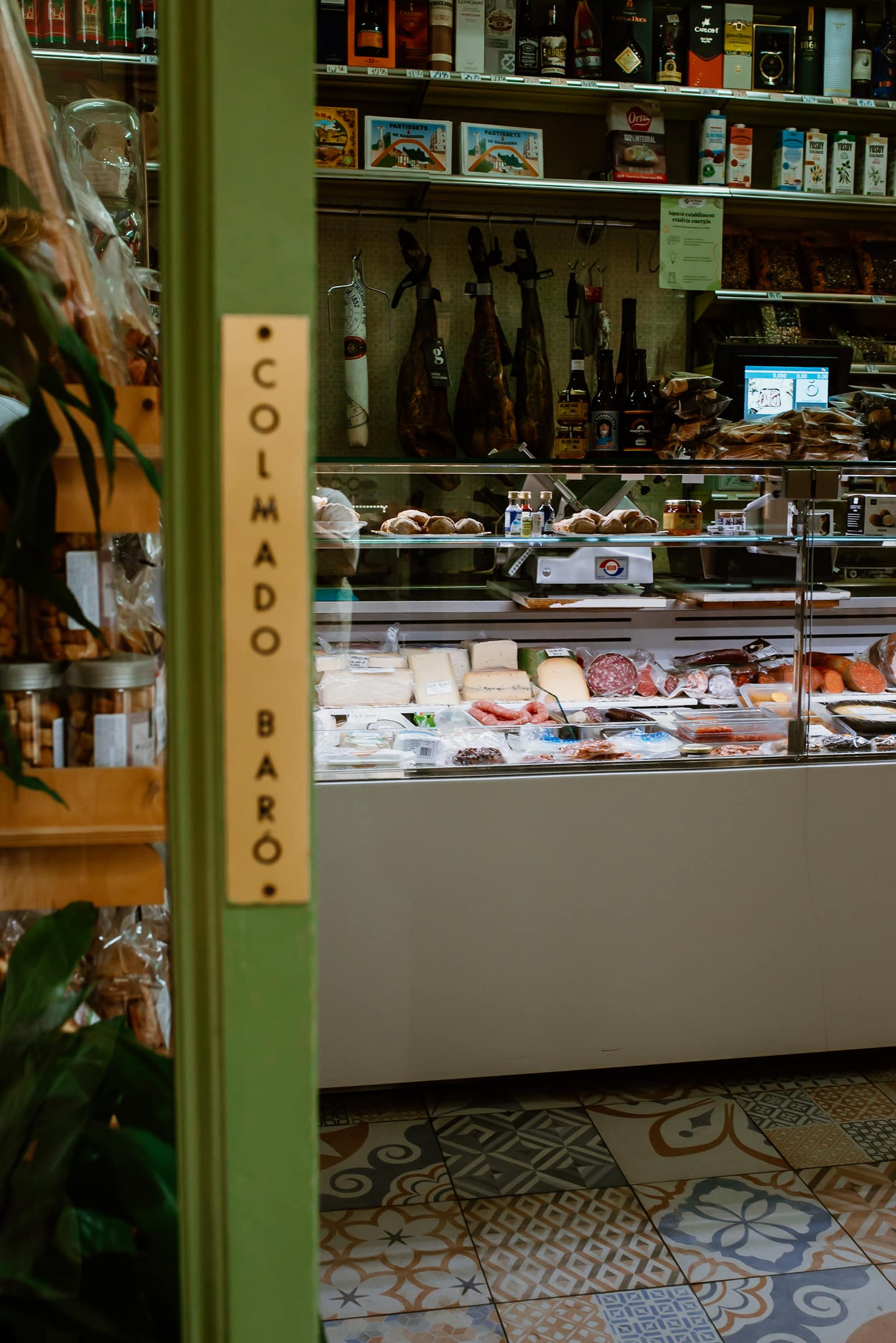
    Colmado Baró

    At Colmado Baró you can stock up not only on vermouth, but also on many other typical goodies. Still family-run, this delicatessen has a very special charm. The perfect opportunity for culinary souvenir shopping!

    Cheese counter with ham at Colmado Baro in Reus, Spain
    Old tiles in modernisme style

    El Barato

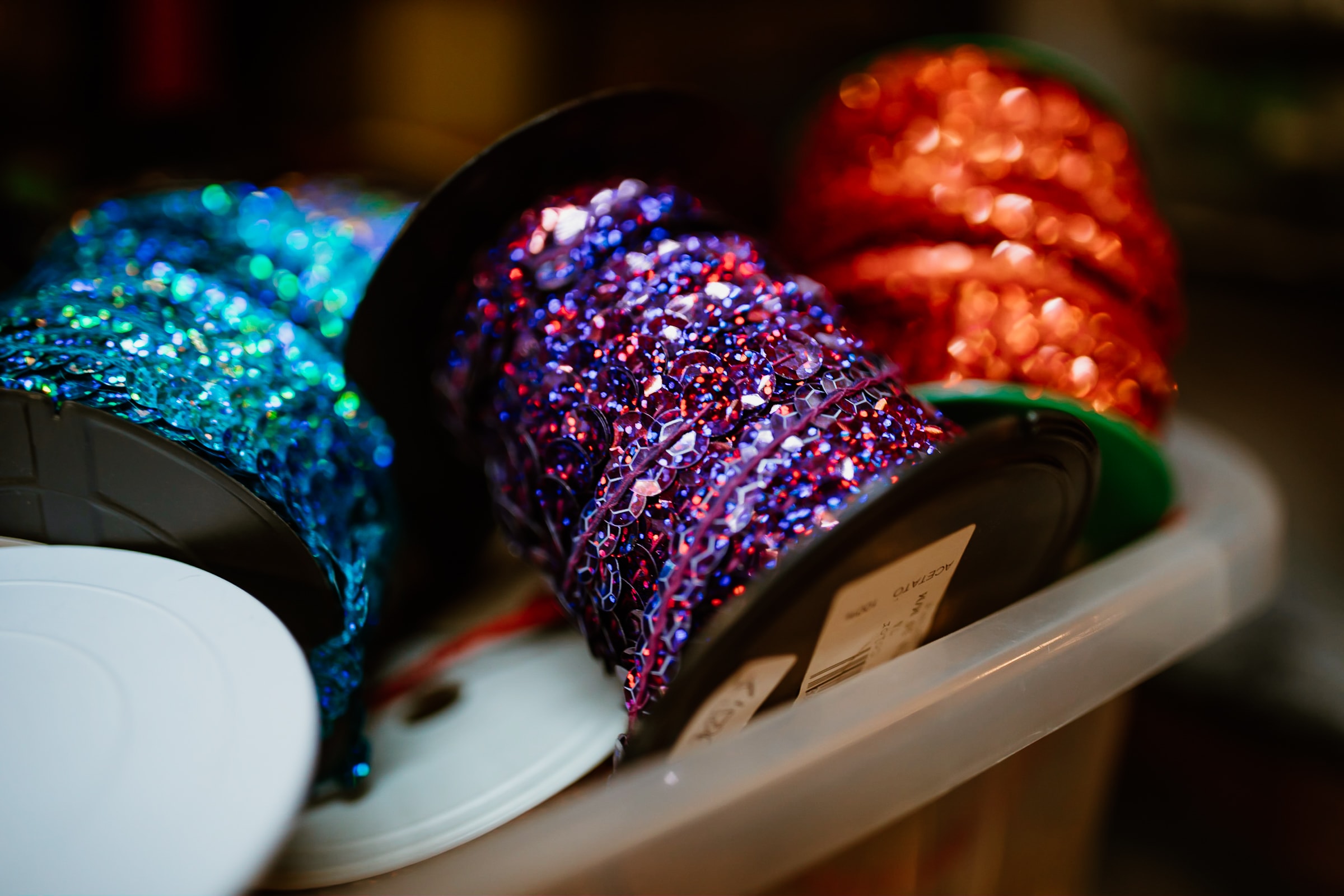
    The stylized O behind the name El Barato is reminiscent of the time of the military dictatorship under General Franco: back then, the traditional fabric store had to drop its Catalan name “Barat” and change its name to the Spanish version “El Barato”. Then as now, hobby tailors, designers, artists, folklore groups and carnival clubs stock up on the wildest fabrics here – and probably spend whole days browsing through the overflowing shelves.

    sequin ribbons on spools in a box

    Do you want to spend several days in Reus?
    Here you’ll find lovely little boutique hotels

    How to get to Reus

    What is the best way to get to Reus?

    Perhaps Reus might sound familiar to you: It has an airport that is mostly served by low-cost carriers & very popular for reaching the beaches of the Costa Daurada. This is often advertised as Barcelona-Reus, although Barcelona’s actual airport El Prat is almost a hundred kilometers away. However, most airlines only fly to Reus from spring to fall.

    ➜ Find cheap flights to Reus*

    The most practical option is therefore a flight to Barcelona. So you can connect both cities!

    ➜ Here you can find cheap flights to Barcelona*

    How to get from Barcelona to Reus

    From Barcelona, the best way to get to Reus is by regional train or by bus if you are traveling without your own car or rental car. The route can also be easily driven there and back in one day. Reus is therefore also perfect for a day trip from Barcelona!

    ➜ Check the timetable here & buy tickets for the bus

    ➜ Check the timetable for the regional train

    ➜ For more flexibility: Book a rental car from Barcelona*

    What else can you see in Catalonia?

    If you are traveling by car or rental car, I can highly recommend a tour through the hinterland of Catalonia. If you like being out in nature or hiking, you will find great opportunities here. It’s also not far to the Pyrenees, where you can go skiing in winter.

    Otherwise, Catalonia also has popular coastal towns. The Costa Brava and the Costa Dorada are dotted with beautiful beaches, such as those around Cambrils. Or you can simply continue south along the Spanish coast. France borders Catalonia to the north, and the beautiful city of Perpignan is only 170 kilometers from Barcelona.

    Red fishing boat in a Spanish harbor with white houses
    Reus is only eight kilometers away from the Costa Daurada

    The entire coastal region is also easy to travel by train. If you have more time and don’t want to drive yourself, you can plan a great trip through Spain and France.

    ➜ Check train connections of Renfe here (Spanish railroad company)

    More inspiration for your trip Catalonia:
    Road Trip through Catalonia
    Cambrils: A Cute Coastal Town on the Costa Daurada
    Tarragona: Highlights in the City of the Famous Castellers

    Note: This research trip was supported by Catalonia Tourism.

  • Cambrils: How to spend a lovely vacation at the Costa Dorada

    Cambrils: How to spend a lovely vacation at the Costa Dorada

    Cambrils is located on the Costa Dorada (Catalan: Costa Daurada) in the autonomous region of Catalonia in northeastern Spain and, like many of the small coastal towns there, is very popular with vacationers. In summer, flat beaches and vacation feeling attract a lot of visitors, but also in the off-season Cambrils has its charm!

    Tip: Book affordable hotels in Cambrils now!

    The port of Cambrils

    The center of the town is the small fishing port of Cambrils. Fishing boats leave here around the clock and ensure that there is always fresh fish in restaurants and local kitchens in the area. While the trawlers set out with their trawl nets in the morning, the light fishermen set out in the evening.

    A small Mediterranean harbor with colorful boats and town buildings
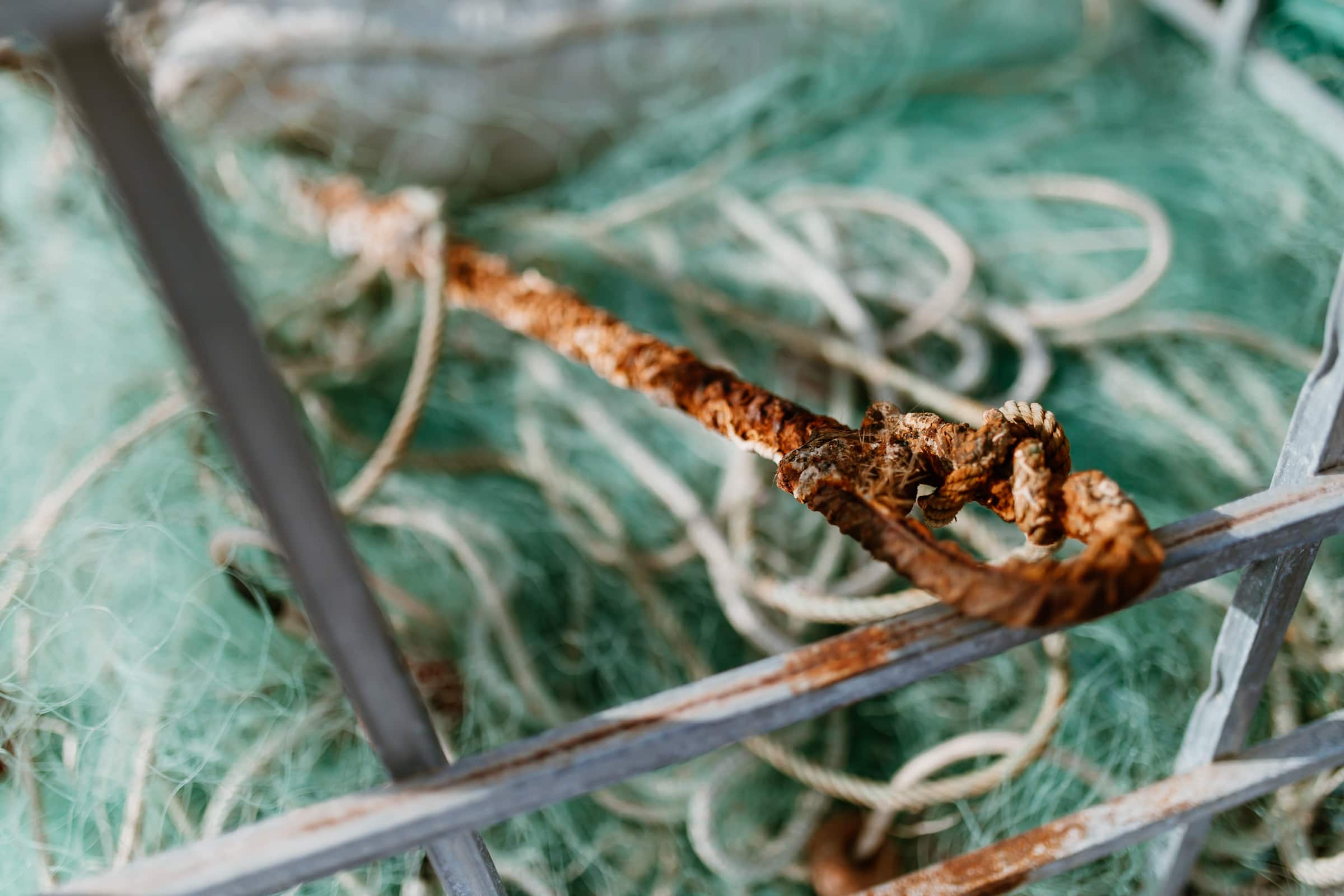
    Rusty rope with knots on a green fishing net

    Every day around 5 p.m. the trawlers enter the harbor again with their catch, which is a spectacle not only for the hungry seagulls around. If you are looking for really fresh fish, this is the place to be!

    Fishing boats in the port of Cambrils

    In general, the small port of Cambrils is very idyllic and a visit can always be combined with a walk along the promenade. The harbor itself hasn’t been around that long: on the information boards around it, you can see on black and white photos how the fishermen used to get into their boats right on the beach here and set off!

    Looking for inspiration for your next trip to the south?
    Click here for all articles about Catalonia and Spain!

    Two metal fish, part of the sculpture "El Pla de les Serenes" in Cambrils.
    The statue "El Pla de les Serenes" on the promenade of Cambrils shows two mermaids.
    The sculpture “El Pla de les Serenes” on the promenade shows two mermaids.

    Torre del Puerto

    The Torre del Puerto is an old watchtower right on the Passeig Miramar, the promenade of Cambrils. Built in the 17th century to defend the city against pirates, it now houses part of the Museo de Historia de Cambrils. The former watchtower is now used for events or temporary exhibitions on the history of Cambrils.

    Around the Torre del Puerto you will also find many restaurants where you can sit comfortably outside and enjoy the flair of the fishing village.

    Historic round tower next to the Miramar Restaurant in a Spanish coastal town

    Eating and drinking in Cambrils

    Mediterranean ambience, warm temperatures and southern European hospitality: in Cambrils you will find numerous good restaurants where you can try typical specialties. You can find my tips here!

    El Pòsit

    A little off the promenade you will find one of the most traditional restaurants in Cambrils. Originally located at the port of Cambrils for over 30 years, making it a popular spot for fishermen, El Pòsit moved to Plaça de Mossèn Joan Batalla near the pedestrian zone in 2004.

    Here you can get traditional dishes with fish and seafood in the best quality and at a good price.

    Open for lunch Monday through Friday; dinner only on Fridays and Saturdays.

    Rincón de Diego

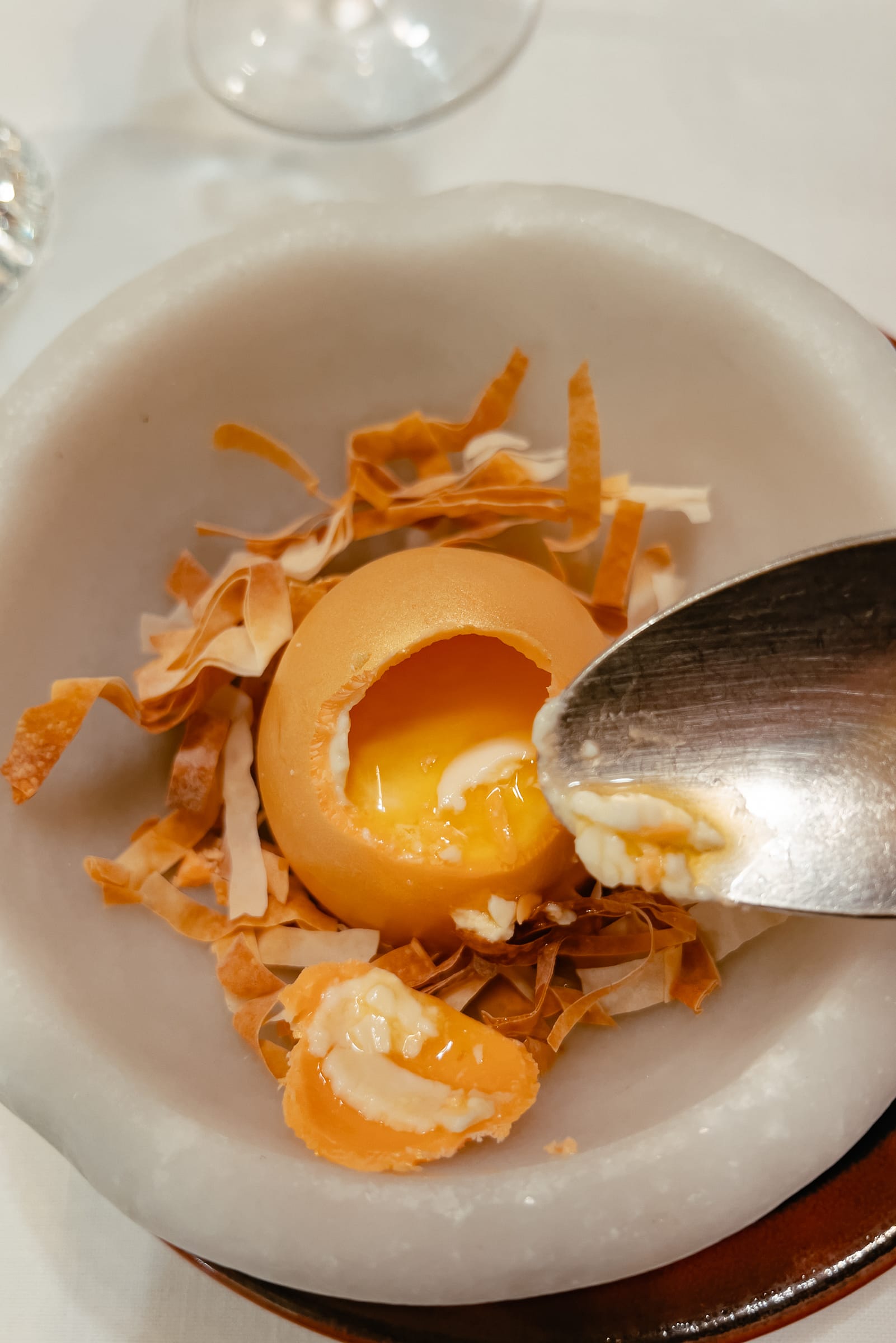
    Things are more upscale at Rincón de Diego, but I wouldn’t have expected anything else in a Michelin-starred restaurant. Nevertheless, the gastronomic 6-course menu more than exceeded my expectations. And when the press text says “chef Diego Campos conjures up exquisite dishes with Basque and Mediterranean influences and displays extraordinary creativity” then that is an understatement: The presentation alone became more and more fascinating with each course.

    Table set with wine glasses and place plates at Rincon de Diego restaurant in Cambrils
    Star cuisine at Rincón de Diego in Cambrils

    The 6-course menu costs 60 euros, with wine, water and coffee 80 euros. Absolutely recommended if you want to enjoy star cuisine for once!

    Reservations & current menu at Rincón de Diego

    Marshmallows put on golden forks and spoons and red chocolate in the shape of lips for dessert

    Events and festivals in Cambrils

    Cambrils goes to great lengths to ensure that visitors are not bored: Throughout the year there are various festivals and events in the town. Like everywhere in Southern Europe, people like to eat well here, so there are also many culinary events. Especially popular are the “Jornades Gastronòmiques de la Galera i la Cuina Marinera“. Then, every February, everything in Cambrils revolves around the Galera, a type of lobster, and its importance for the place.

    But wine lovers don’t miss out either: in October, the Cambrils Wine Festival takes place in the Parc del Pescador.

    Cambrils wine festival in the evening
    Wine festival in the Parc del Pescador

    Apart from the fact that the location in the middle of the park is super cute, I found the whole implementation of the event so nice: at one of the booths at the entrance you buy your “Glups” and “Nyams“, which serve as drink or food vouchers, and if you have forgotten your own glass (everyone has to bring their own, nice environmental idea!) you can also get a small shoulder bag with a wine glass in it for a deposit. So pretty! Later in the evening, there’s also live music.

    More info about the wine festival “Cambrils: Entrada al pais del vi”.

    Several bottles of wine at stand at wine festival in Cambrils
    In Catalonia you can find numerous wine regions

    Stay overnight in Cambrils

    In and around Cambrils there are many places to stay. Often you can find big vacation hotels here, which I personally don’t find very appealing in the high season no matter in which place. In the low season, however, you can consistently make good bargains here, even rooms in hotels of the higher category then cost considerably less than in plain summer. At the same time, you can then enjoy the comfort of a larger facility with a pool and huge breakfast buffet – that’s also quite pleasant for a change. For example, I stayed at Sol Port Cambrils – central, well kept and very solid.

    ➜ Check prices and availability for the Hotel Sol Port Cambrils here

    Here’s a hotel tip given to me by a local: If you’re not at all into bed castles, but still want the vacation feeling of a resort, you should check out the Estival ElDorado Resort. It is located a little outside the city center, but directly on the beach. The resort has many amenities including multiple pools, a large fitness center, numerous restaurants and even a beach bar. Large hotels in high-rise buildings, such as those on the other side of the city in the direction of Salou, are not to be found here. Would keep in mind for the off season!

    ➜ Check rates & availability for Estival ElDorado Resort* here.

    Cambrils beach
    Popular: The beaches in and around Cambrils

    Helpful tips for a vacation in Cambrils

    When is the season in Cambrils?

    The vacation season in Cambrils lasts from April to October. July and August are the peak season. But like many places in southern Europe, the climate here is still mild even in October. If you want to escape the autumn in Northern Europe and enjoy a few rays of sunshine by the sea, you are definitely in the right place. By the way, many locations are closed in January, but otherwise there is always some activity in Cambrils even out of season.

    How far is Cambrils from Barcelona?

    Cambrils is about 120 kilometers from Barcelona. By car or rental car (book here)* the trip takes about an hour and a half. But you have the same travel time with the regional train, which goes from Barcelona along the coast and also stops directly in Cambrils. Or you can take one of the buses from BusPlana(click here for info)!

    Fishing boat in Cambrils harbor

    Thanks to Catalonia Tourism for the invitation to this trip!

  • Road Trip through Catalonia: Hidden Gems & Secret Spots

    Road Trip through Catalonia: Hidden Gems & Secret Spots

    Although Catalonia has a real visitor magnet with Barcelona, especially the countryside has been spared from the large tourist crowds of the capital. On a road trip through Catalonia you can therefore still explore really great spots: In this article, I’ll show you a few of my insider tips for Catalonia that I discovered recently!

    Amazing ideas for a road trip through Catalonia

    Whether you’re starting from Barcelona or if you are on a road trip through Spain anyway, these locations in Catalonia are worth a detour!

    Historic stone building with arcades and trees bathed in sunlight
    Just one of many insider tips in Catalonia: The Monestir de les Avellanes

    Congost de Mont-Rebei: The most beautiful gorge in Catalonia

    The Congost de Mont-Rebei is probably the most famous gorge in Catalonia and is not without reason called by many the “Grand Canyon of Catalonia”. The gorge is located in the province of Lleida and separates Catalonia from the neighboring region of Aragon.

    On a rather adventurous hike, you can explore the gorge (which, by the way, is only twenty meters wide at its narrowest point) on a narrow trail. Or you can choose a kayak tour and discover the fascinating wildlife of the Congost de Mont-Rebei from the water.

    A river winds through a green, forested mountain valley
    Pure nature: Hiking in Congost de Mont-Rebei

    Here you’ll find almost untouched nature, because the gorge is located in a nature reserve. When we were in the middle of the gorge, suddenly a bearded vulture circled above us: an impressive experience! If you are very patient, you can even see otters darting through the water at sunrise and sunset: In the past they were hunted here for their fur, but now the population has recovered a bit. However, otters are very shy of people, so there are special vantage points from which you can observe the watercourse from above.

    A river winds its way through a forested mountain gorge dotted with rocks

    Unfortunately, the kayak tour was cancelled during my visit, because this year, due to the very hot summer, the riverbed was quite dried up and a crossing by kayak was impossible. I can’t even imagine how beautiful it might be here with much more turquoise water shooting through the gorge here! But even so, the hike through the Congost de Mont-Rebei was a real nature experience!

    A golden field of grain with green mountains in the background

    Fortunately, I am not particularly afraid of heights! The suspension bridge, which must be crossed in between, may otherwise cause an anxiety attack if you’re a not a fan of heights. But also the unsecured high trail through the gorge is no trip to Disneyland: Next to the narrow path it goes straight down for maybe hundred meters!

    Suspension bridge over a rocky gorge surrounded by lush greenery

    Tip: Don’t forget to wear sturdy hiking shoes or sneakers suitable for trail hikes! The trail is very rough and more than once I was thankful for my trail running shoes.

    Hikers in a narrow rocky gorge with a river and a mountain trail

    Wine tasting in Castell d’Encus

    Did you know that Catalonia is the second largest wine region in Spain? In addition, the majority of all varieties of cava are grown here. Cava is, so to speak, the Spanish champagne variant, similarly protected and produced by means of vial fermentation.

    Vineyards in a hilly landscape with mountains in the background

    Therefore, there are wineries in Catalonia like sand on the Costa Brava – and nowhere else wines can be tasted better than in an absolute wine region. Admittedly, I probably won’t become a real wine connoisseur in this lifetime, but I simply enjoy drinking a good glass of wine. Besides, winegrowing is a world of its own, and I am always fascinated by the dedication and enthusiasm with which small wineries produce their wines.

    Very interesting, therefore, was my visit to Castell d’Encus in Talarn near Lleida, one of the many recent wine projects in Catalonia. In the 12th century already wine was cultivated by the monks living here. In fact, there was even a small village! All that remains from that time is a small chapel and a few ruins – and until the Castell d’Encus project revived viticulture a few years ago, there was simply nothing here.

    Since 2001, wine has been cultivated here again at an altitude of 850 to 1250 meters, as ecologically as possible and according to the latest scientific findings, but also with the help of the ancient traditions of the monks of yesteryear: the grapes are partly fermented in the large basins that were carved into the bare rock for wine production. Pretty crazy, but as I experienced myself at the tasting afterwards, it doesn’t seem to harm the wine 🙂

    The basins as well as the ruins can be visited during a tour – and the view of the landscape around is unique. Guided tours followed by a wine tasting take place from Monday to Saturday.

    ➜ Registration here via the website

    If you are hungry after the tour and tasting, I can recommend “L’Era de Balust” in the neighboring Salàs de Pallars. I would describe the cuisine as traditional Catalan home cooking and the ambiance in an old courtyard building is just too cozy. Be sure to try the Flam de ratafia: Ratafia is a typical Catalan herbal liqueur made from green walnuts and herbs and is served with sweet flan as a dessert.

    Rustic restaurant patio with stone arches and lush plants

    Tip: Castell d’Encus is already located in the pre-Pyrenees near Lleida. It’s a good two and a half hour drive from Barcelona – if you want to travel in a relaxed way or are looking for a nice place to stay nearby, check out the Monestir des Avellanes further down in this article.

    Visiting an olive oil manufacturer

    If wine isn’t your thing, but you still want to get a taste of the countryside, then you should pay a visit to an olive oil producer like Olicometes. That’s where I learned that olive oil, just like wine, can have the craziest flavors. Or did you know that there are olive oil connoisseurs who can even taste banana or vanilla from olive oil?

    But the story behind Olicometes is even more inspiring: the operating couple Martin and Neus fulfilled their dream a few years ago, bought a finca, ditched their jobs in Barcelona and are now olive farmers with heart and soul. Now you can visit them here on their finca and look over their shoulder at the olive harvest. Or you can just enjoy nature with a romantic breakfast or aperitif under olive trees, tasting the best olive oil in ecogical quality approved by Demeter.

    Smiling couple in front of a wooden frame in an olive grove
    Martin and Neus have created their own olive oasis with a lot of heart and soul

    By the way, the whole estate extends over a whole valley: 27 hectares belong to Olicometes. If you want to stretch your legs before or after the tasting, you are invited: For visitors, Martin and Neus have lovingly signposted a small circular route that leads past viewpoints and several caves across the finca.

    ➜ Register here for tours, harvest, breakfast or aperitif

    Cometes olive oil bottles of various varieties on a wooden shelf

    Counting stars at the observatory in Àger

    Incidentally, the Serra del Montsec mountain range is also known for its perfect astronomical conditions. On clear days, you have a dreamlike view of a clear starry sky at night here, completely free of light pollution. Even with the naked eye, entire constellations of stars can be easily seen here. It is also worth visiting the Parc Astronòmic Montsec with its observatory and exhibition.

      Observatory in Àger in Catalonia
    You just have to see it live: Capturing the fascinating starry sky above the Montsec is not that easy at all

    Tip: Go in the evening and definitely take in the film screening! The content is interesting, but much more impressive is the finale: the moment when the dome opens to reveal the starry sky is simply magical! Absolute goose bumps!

    Planetarium with a starry sky dome and panoramic screen at night
    Pure goose bumps: The dome of the cinema in the Parc Astronomic Montsec opens

    You can find more tips for Spain here:
    All articles about Spain

    Where to stay in Catalonia

    I always like road trips by car, because you are very flexible when it comes to accommodation. And it’s very easy to get to more remote locations, such as the Monestir de les Avellanes!

    Monestir de les Avellanes

    A really special place: the Monestir de las Avellanas, a protected monument, is actually a former monastery and a good choice if you love peace and seclusion. Embedded in a landscape that reminds you a bit of Tuscany, you can really come down here and find yourself. The rooms are simply furnished, and all parts of the monastery complex, such as the atmospheric chapel and the well-kept cloister, can be used by all guests.

    Monestir de las Avellanas near Lleida in Catalonia

    In the hotel’s own restaurant (which, by the way, is also popular with locals on weekends and holidays as an excursion restaurant), you can enjoy typical Catalonian cuisine at a low price: a 5-course meal here, for example, costs only 30€. By the way, as a wine accompaniment I recommend the in-house wine, which is grown around the Monestir de las Avellanas.

    ➜ Check prices & availability: Monestir de les Avellanes in Os de Balaguer

    A vineyard with cypress trees in a hilly landscape at sunset

    Hotel Finca Prats Golf & Spa

    Want to treat yourself after a day outdoors? Then perhaps a wellness weekend at the Hotel Finca Prats Golf & Spa is something for you: In the wellness area with pool and sauna you can relax as much as you like and in the evening you can indulge yourself with a multi-course menu of culinary delights in the hotel’s own restaurant.

    ➜ Check prices & availability: Hotel Finca Prats Golf & Spa in Lleida

    Info about Catalonia

    Is Catalonia an independent country?

    Catalonia is one of the 17 autonomous communities of Spain, located in the northeast of the country and bordering France. The capital is Barcelona.

    In the last few years, however, there has been a heated debate about Catalonia’s independence from Spain – a very hot political potato that has its origins in the historically recurring cultural conflicts.

    In many areas, Catalonia has a special status within Spain; for example, Catalonia has its own civilian police force, the “Mossos d’Esquadra.”

    The whole issue is highly emotionally charged. Many Catalans who still lived under Franco’s regime, which ended in 1975, remember well how living out Catalan culture, for example, as a spoken language, was forbidden and severely punished.

    What language is spoken in Catalonia?

    In many official occasions, Catalan is given precedence, but Spanish is also an official language. I would argue that every Catalan is fluent bilingual and can easily switch to the respective language according to the situation. Non-Catalans are never actually expected to speak Catalan.

    However, Catalan is also a Romance language and very similar to Spanish. If you have some knowledge of Spanish, you will certainly understand some things, even if you have trouble speaking. English is not widely spoken, especially in less touristy places, but personally I never feel it is a must-have on a trip – it just makes being on the road more exciting.

    Catalonia map with route & all tips

    Here you can find a map with all locations from the article. You can also download this map to your Maps account! That way, you’ll always have all tips at hand.

    Tips for a road trip through Catalonia

    Do you feel like going on a road trip through Catalonia now? The locations mentioned are part of the Grand Tour of Catalonia, which will take you to many other interesting spots in the region! On the website you will find route suggestions and excursion tips for tours with your own car, van or camper.

    Are you traveling without your own car? Just pick up a rental car at Barcelona airport and jet off into the countryside from there!

    ➜ Find a cheap rental car here*

    Disclaimer: This research trip was supported by Catalonia Tourism.

  • Best Things to Do in Friedrichshafen at Lake Constance

    Best Things to Do in Friedrichshafen at Lake Constance

    The fact that I have a preference for places by the water and southern climates should be obvious by now. But to a certain extent, I also count Friedrichshafen among them, because when you look out over the huge Lake Constance from the waterfront promenade, you feel like you’re at the seaside. In this article. I’ll show you which tips and sights you shouldn’t miss in Friedrichshafen!

    What to do in Friedrichshafen

    With all the wonderful places like Konstanz or Lindau nearby, Friedrichshafen stands a bit in their shadow among the towns around Lake Constance. There is no picturesque old town and there aren’t that much spectacular attractions. Nevertheless, a trip is worth it – just for the really great Zeppelin Museum!

    Lake Constance

    An unmissable sight in Friedrichshafen is probably the incredible view over water as far as the eye can see. Lake Constance is enormous and you’ll probably forget that it’s just a lake, not an open sea. It is the largest inland body of water in Germany and also borders Austria and Switzerland.

    A calm lake with clear water and a misty mountain silhouette

    In the lake, the border triangle meets, so to speak, and the Rhine also flows through Lake Constance. Strictly speaking, Lake Constance consists of Obersee (together with Überlinger See) and Untersee.

    You can also swim in Lake Constance, and the lido in Friedrichshafen is particularly nice for this.

    Waterfront in Friedrichshafen

    On the waterfront you can walk for kilometres along the lake. From the mouth of the Rotach River to the castle, the promenade in Friedrichshafen stretches for a full two and a half kilometers. On days with good visibility you can even see the Alps on the horizon from here!

    An empty restaurant patio with chairs and tables by the sea

    In the city you will find some nice cafes and restaurants along the promenade: take a little break here and enjoy the view of the impressive Lake Constance panorama in good weather.

    Breakfast with a pretzel and salad at Munich's Seehafen

    Unfortunately, you will also find some tourist traps here and perhaps you will give the “wine cellar city wall” a wide berth. But I can definitely recommend these locations:

    Aika Always good for a coffee or a bite in between, open summer and winter, and perfect if you just want to chill.

    s’Wirtshaus am See Hearty cuisine with an alpine touch, cozy inside and out (outside with a perfect lake view!).

    Looking for more ideas for quick getaways and destinations nearby? Here you will find inspiration for exciting locations in Germany and Austria!

    Observation tower/Moleturm

    For the ultimate view of Lake Constance, you can also climb the observation tower at the harbor pier. It’s free of charge.

    Lake Constance waterfront promenade with a swan and blue sky

    Lake Constance boat trip from Friedrichshafen

    From the harbor in Friedrichshafen you can reach many other places around Lake Constance. I can definitely recommend a little tour across the lake!

    Ferry at the harbor with a view of the lake and a steel tower

    The ferry takes you to Romanshorn in Switzerland, and two catamarans regularly connect Friedrichshafen with Constance. And in summer there are the ships of the White Fleet, which still call at ports such as Meersburg, Lindau or Bregenz, as well as other small providers, whose timetable you can find directly at the port.

    Timetable ferry to Romanshorn

    Catamaran to Constance

    Timetable White Fleet

    Tip: If you are kinky or just want to do some people watching at the harbor, don’t miss this pretty special boat tour🙂

    Friedrichshafen sights harbor with zeppelin museum
    The Zeppelin Museum, which is well worth seeing, is also located directly at the harbor

    Do you want to spend a longer time at Lake Constance? Click here to find the best places to stay:
    Places to Stay Around Lake Constance

    Zeppelin Museum

    Friedrichshafen will forever be linked with the Zeppelin. The great airships named after their inventor, Count von Zeppelin, were built right here on Lake Constance. From 1900 to 1940, they even transported passengers across the Atlantic and were also used for military purposes, especially in wartime during World War I and World War II.

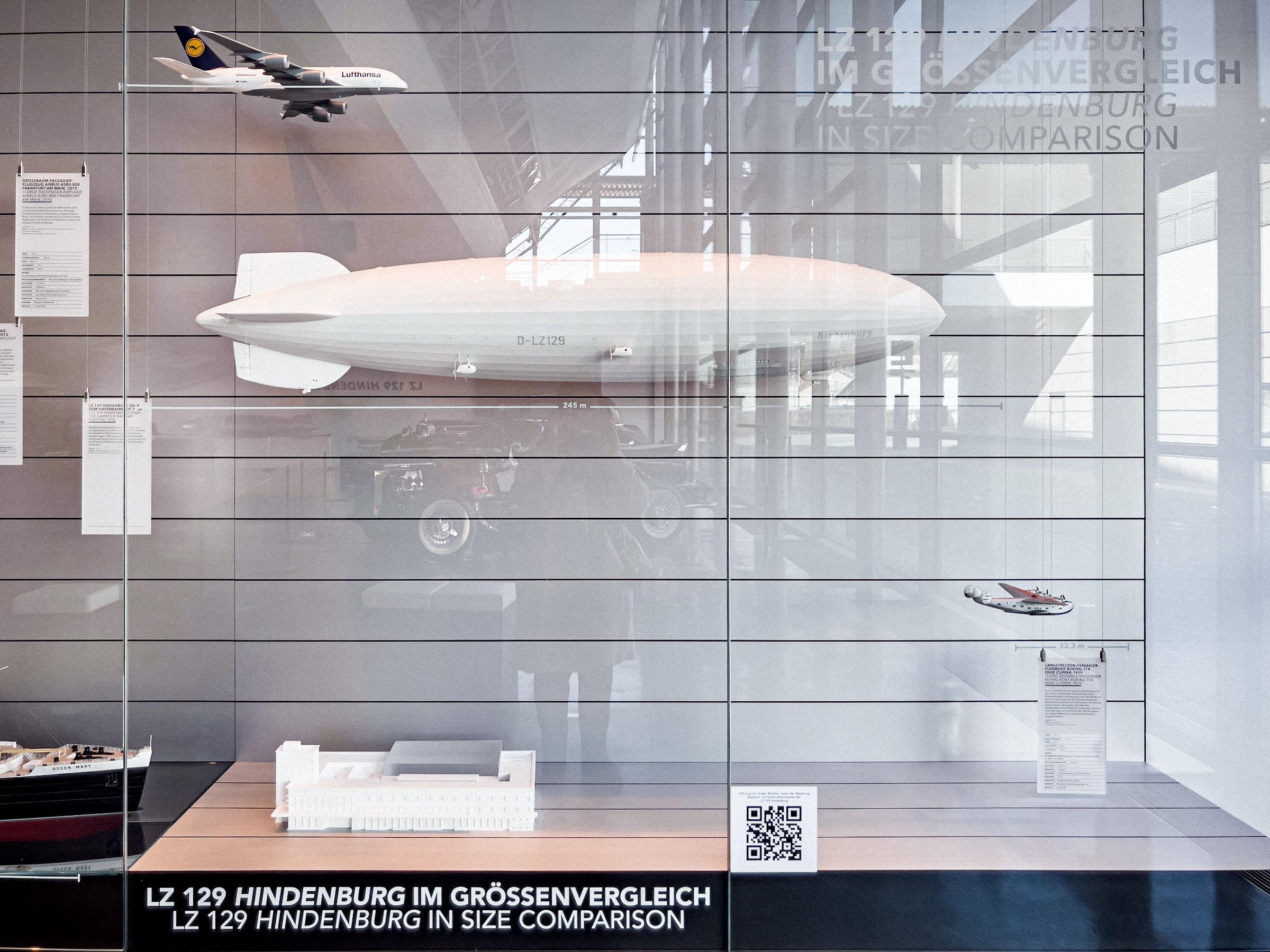
    A model of the Hindenburg zeppelin hangs from the ceiling in the museum foyer
    Model of the Hindenburg in the Zeppelin Museum Friedrichshafen

    With the accident of the Hindenburg in Lakehurst in 1937, in which the entire airship went up in flames, the era of the zeppelins was then slowly over.

    Retro lounge on a ship with orange armchairs and a world map
    Historic black-and-white photo of children with a Zeppelin stewardess

    Today, you can see the entire history of zeppelins as well as areplica of a passenger cabin at the Zeppelin Museum. The entire exhibition is interactive and interesting for both children and adults.

    LZ 129 Hindenburg: Scale Model Exhibition

    I’ve been here twice already, because the history of zeppelins is just so fascinating and tells so many tales from a very different era of aviation. Definitely one of my favourite recommendations for Friedrichshafen!

    Buy tickets for the Zeppelin Museum in Friedrichshafen here*

    Zeppelin flight from Friedrichshafen

    After so much Zeppelin in Friedrichshafen, you might feel like experiencing a ride yourself! With the Zeppelin NT, an airship of the latest generation, you can make various sightseeing flights over Lake Constance.

    All sightseeing flights from Friedrichshafen

    The hangar is located right next to the Friedrichshafen airport and can also be visited separately if a flight is beyond your travel budget (unfortunately, the flights are relatively expensive!).

    Dates & prices shipyard tour

    Sunset on Lake Constance with a pier and a seagull in flight

    Shopping in Friedrichshafen

    Okay, calling Friedrichshafen a shopping destination is probably a bit of an exaggeration. The city center is rather quiet and doesn’t offer that many special shopping opportunities. Yet, curiously enough, Friedrichshafen has some excellent bookstores that I like so much that I stop by every time I’m here. Maybe it’s the relaxed atmosphere by the lake that makes it so tempting to read a lot?

    My favorite bookstores in Friedrichshafen

    Ravensbuch Great bookstore with a fantastic selection. Located in the middle of the city on the waterfront!

    Gessler 1862 mixture of café, bookstore and interiorshop. Small but very fine selection and great atmosphere: choose a book and start browsing right away in the café.

    How to get there

    Maybe you live close by, or you’re traveling around Lake Constance in your own car anyway – then you’re bound to find your way to Friedrichshafen somehow. Otherwise, I have the following tips for you:

    By plane to Friedrichshafen

    Friedrichshafen has a small airport, and it’s actually one of my favorites on duty because it’s so small and cute. Everyone knows everyone around here and the atmosphere is rather familiar unlike at larger airports.

    There are good connections within Germany from here to Frankfurt (yes, I’m there sometimes – feel free to say hello if you’re flying 🙂 ). If you are traveling from further away, just have a look at the following link; maybe there is a suitable connection via Frankfurt for you.

    Flights to and from Friedrichshafen*

    By train to Friedrichshafen

    Friedrichshafen has a small long-distance train station (Friedrichshafen Stadt), which is centrally located. From here, for example, there are trains to Frankfurt, Stuttgart, Ulm, Innsbruck and Basel and an Intercity connection to Dortmund, Düsseldorf and Cologne.

    You can also get to the harbor station (Friedrichshafen Hafen), which is located in the city centre.

    Check connections & prices with Deutsche Bahn here*

    By long distance bus to Friedrichshafen

    With Flixbus, you can easily get to Friedrichshafen on Lake Constance from cities like Munich, Freiburg or Zurich. There are three bus stops in the city, one of them directly at the city train station, the other one at the airport.

    Prices & connections with Flixbus to Friedrichshafen*

    Other places worth seeing near Friedrichshafen and around Lake Constance

    As a popular vacation region, Lake Constance offers a variety of great destinations, whether on the German, Austrian or Swiss side of the lake.

    A few ideas (in German):

    Constance: Sights & Tips
    Radolfzell: Tips from a local
    UNESCO World Heritage Sites on Lake Constance
    Island hopping on Lake Constance

  • The Most Beautiful Towns of the Amalfi Coast (Full Itinerary)

    The Most Beautiful Towns of the Amalfi Coast (Full Itinerary)

    Turquoise waters, breathtaking views and romantic places: The Amalfi Coast is definitely one of the most popular destinations in Italy! Situated on the Sorrento Peninsula in Campania, the world-famous Amalfitana coastal road runs past romantic villages worth seeing like Positano and the eponymous Amalfi. In this article, I’ll show sights and places you shouldn’t miss on a trip to the Amalfi Coast!

    A steep cliff with a coastal road and the blue Mediterranean Sea
    The Amalfi Coast is full of spectacular views and beautiful places & attractions

    The most beautiful places along the Amalfi Coast: Sights & Tips

    The Amalfi Coast is characterized by its rugged cliffs, hidden villages in the mountains and secluded bays, as well as an absolutely spectacular coastal road, where you often have to keep your nerves both as a driver and as a passenger.

    Road trip with a rental car along the Amalfi Coast: Everything you need to know

    A hand holds a large lemon off the Amalfi Coast in Italy

    Whether in a rental car*, with your own car, by public transport or on a tour: it is best to start at the western end of the Amalfi Coast in Sorrento and allow yourself at least a few days to explore the best sights of the Amalfi Coast place by place. It’s worth it!

    Two tropical fruit cocktails by the sea

    Sorrento

    Sorrento is the perfect starting point for a road trip along the Amalfi Coast. The village center is manageable, with a small pedestrian zone and a little less touristy than other places in the region. A touch of dolce vita passes through the streets and if the Amalfi Coast wouldn’t be ahead with its spectacular views, you could already spend a few beautiful days here.

    A bustling Italian pedestrian zone filled with tourists in the sunlight

    Where to eat in Sorrento

    The best pizza in town is said to be at Pizzeria da Franco. I couldn’t compare all the pizzerias, but the pizza has been really good here! The pizza is thinner and crispier compared to the Neapolitan version.

    Two pizzas with arugula, ham, and tomato sauce

    Where to stay in Sorrento

    We stayed in Sorrento for a few days, which turned out to be an awesome decision. With the best view of Sorrento and in the middle of olive groves, we spent the night at the Village Camping Santa Fortunata*. Actually a campsite, this location with its small, fixed bungalows is also a good place for self-drivers! To park the rental car overnight can be an absolute challenge on the Amalfi Coast with its small villages.

    Hotel pool with blue lounge chairs and umbrellas, surrounded by trees
    Even campsites on the Amalfi Coast are on fleek

    Parking is free at the campsite. In addition, the complex has a pool and a private beach. The beach is located in the middle of imposing rocks and is accessible only by a steep path.

    Ocean view through palm trees and other trees, with a wooden railing

    Day trips from Sorrento to Capri

    By the way, from Sorrento we crossed to the nearby island of Capri, also an absolute must-see on the Amalfi Coast!

    Buy your ticket for the ferry to Capri here*

    Capri

    From Sorrento on the Gulf of Naples, it’s only a relatively short ferry ride over to Ischia and Capri! Capri, for example, can easily be explored in just one or two days if you want to go easy on your wallet (Capri is very expensive!) and don’t want to stay there longer.

    Colorful rowboats at the harbor with ships in the background

    The most important sights in Capri

    You shouldn’t miss an island boat tour around the island past the Faraglioni with a visit to the Blue Grotto and a walk through the old town of Capri Town.

    Book a boat tour around Capri here*

    Rocky coastline with a restaurant and trees on Capri
    A bustling pedestrian zone on Capri with white buildings

    The cable car ride up to Monte Solaro is an absolute highlight on Capri.

    Tourists ride a chairlift across Capri with a view of the sea
    The Faraglioni Rocks in the sea off the coast of Capri
    A woman stands by a stone wall with white bougainvillea in bloom

    Capri, with its turquoise waters all around and its sophisticated towns, has a particularly fascinating flair!

    Capri in a day: Full itinerary

    Best accomodation deals in Capri*

    The harbor of Capri with white houses and cliffs

    Positano

    Positano is probably the most beautiful place on the Amalfi Coast for many people! The pastel-colored houses that seem to pile up on the slopes around the bay of Positano are world famous.

    Positano Beach with colorful houses on the hillside, Amalfi Coast
    Bustling beach promenade in Positano with colorful houses on the hillside

    The most important locations in Positano

    Around the church of Santa Maria Assunta with its colorful dome of majolica tiles, life flourishes in small alleys! On the promenade you can enjoy the postcard-perfect panorama with a drink.

    A bustling village square in Positano with a church and restaurants
    Sign at the entrance to L'Incanto Bar Ristorante Pizzeria on the beach in Positano

    Where to stay in Positano

    In Positano, you’ll find some of the most expensive hotels on the Amalfi Coast, such as Le Sirenuse*. Staying in Positano is generally very expensive, but in hotels like these even more. However, you will then be rewarded with unforgettable views!

    My Positano Guide with the best tips & and the most beautiful sights

    Terrace with a view of the sea on the Amalfi Coast in Positano, Italy

    Ravello

    If busloads of tourists didn’t arrive in Ravello during the season, it would probably be a very remote, dreamy mountain village. However, even the journey up here can sometimes be exciting, as the road up here is sometimes even more winding and narrower than the Amalfitana on the coast – and if you then find yourself in our little Cinquecento between the coaches like we did… oops!

    The most important sights in Ravello

    Nevertheless, you should definitely pay a visit to Ravello. The view from Villa Rufolo with its gorgeous gardens is just too beautiful!

    Panoramic view of the Amalfi Coast with the Mediterranean Sea and pine trees

    In the old town of Ravello around the Piazza Duomo you will also find many small studios and stores with pretty handicrafts, which also make great photo opportunities.

    Church on the sunny village square in Ravello, Italy
    Italian ceramics shop with painted plates against a stone wall

    By the way, Ravello is also a popular wedding location! If you want to enjoy some romantic flair yourself, I recommend an overnight stay at Villa Cimbrone*.

    More about Ravello

    Colorful, hand-painted Italian ceramic plates against a stone wall

    Amalfi

    If you visit this cute little town today, I guarantee you won’t believe what a big deal it used to be in the past!

    Bustling market square in Amalfi with restaurants and shops

    In the early Middle Ages, Amalfi was an important center of maritime trade. Today, especially the impressive cathedral from the 10th century (Duomo di Sant’Andrea) bears witness to the splendor of days gone by.

    Amalfi Cathedral with its bell tower and staircase
    The Cathedral of Amalfi
    Amalfi Harbor with boats and a picturesque coastal town

    Where to eat in Amalfi

    My recommendation: Take a seat at the Piazza Duomo outside Pasticceria Andrea Pansa and taste delicious babá soaked in rum.

    An Italian breakfast with brioche and latte macchiato at the café
    Babà napolitano with rum: At Pasticceria Andrea Pansa

    Shopping tip for Amalfi

    You should also visit Antichi Sapori d’Amalfi in the old town. There you can get the famous lemon liqueur Limoncello and its creamy version Crema di Limoncello from in-house production!

    Antichi Sapori d'Amalfi Limoncello Shop with a Sign
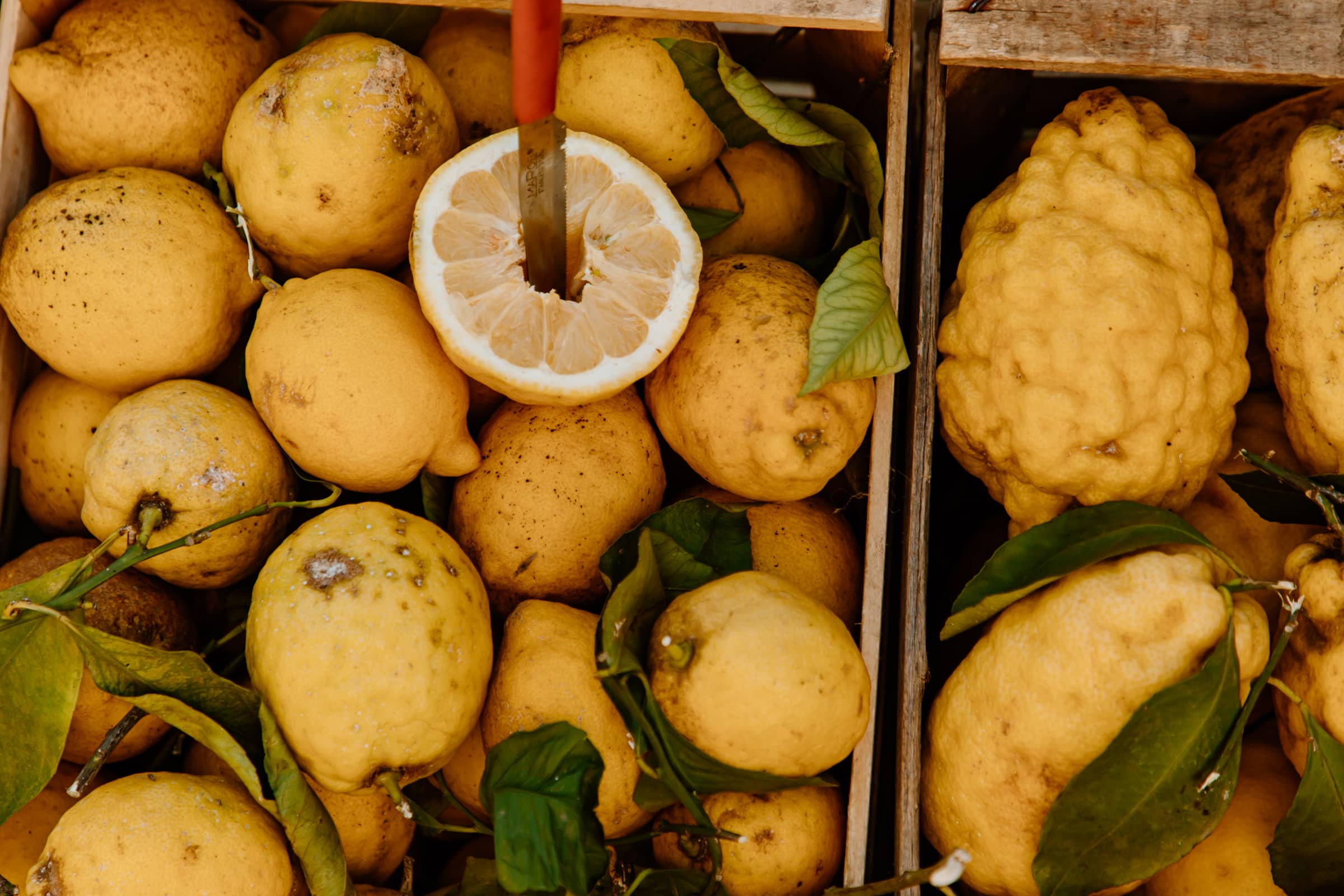
    Fresh lemons in wooden crates, one cut open with a knife
    Lemons: Typical of the Amalfi Coast

    Maiori

    Maiori is one of the more relaxed places on the Amalfi Coast. You won’t find many sights here, but you will find a small, nice pedestrian zone and a beach promenade where you can soak up the sun or a beach that is good for swimming.

    A paved beach promenade lined with trees and offering ocean views in Italy
    Bruschetta with tomatoes, mozzarella, and basil on a plate
    On the promenade in Maiori you will find a few simple and good cafes

    We found a really nice place to stay here with the Relais San Giacomo*. Parking was easy and our accommodation was perfectly located on the promenade. Good base if you are on the road a lot during the day anyway, want to stay far from the crowds, but still love have a beach and small restaurants nearby.

    Check prices & availability for Relais San Giacomo*

    Aerial view of a rocky cliff with stairs overlooking the turquoise sea

    Salerno

    Strictly speaking, Salerno doesn’t belong to the Amalfi Coast. But I had such a great time in Salerno that I definitely recommend a side trip here. From here you can easily get to Naples by train or further into the south of Italy, so chances are good you might be passing by here anyway.

    The courtyard of Salerno Cathedral with its bell tower
    The Cathedral of Salerno

    The most important sights in Salerno

    Salerno hasn’t been discovered by the majority of tourists yet, but it has a really nice old town. And if you want to get a breath of sea air in the evening after sightseeing, you can enjoy the sunset with a long walk along the promenade in the middle of the city!

    A palm-lined beach promenade with a view of the ocean in the sunlight
    Strolling along the seafront in Salerno

    An absolute must-see in Salerno is the cathedral. It’s over 1000 years old! Even if you’re not much fan of churches, you’ll be impressed. Moreover, the cathedral is located in the middle of the old town, which is really worth seeing with its rough charm.

    Old Italian townhouse with balconies and a small shop
    Rustic charm: Salerno’s authentic old town

    My favorite tip for Salerno is the Giardino della Minerva. Salerno, with its first university, is considered the cradle of traditional medicine! The gardens are a bit secluded. Here you will find a garden complex above the rooftops of Salerno, where medicinal herbs and plants were already cultivated in the Middle Ages.

    Historic fountain with a café terrace in an Italian city
    Panoramic view of an Italian coastal town with a harbor, seen through a pergola
    Best view of Salerno is from the Giardino della Minerva

    How to get there: The best way to get to the Amalfi Coast

    The best way to arrive by plane is to land in Naples. The airport in Naples is served by many major airlines such as Lufthansa*.

    You can also spend a few great days in Naples itself:
    Click here to read the full Naples City Guide

    A white wooden walkway leads to the Italian beach club L'Incanto

    From there there are several ways to get to the Amalfi Coast:

    By public transport

    You can take the Circumvesuviana regional train from Naples to Sorrento. From there you can travel the entire Amalfi Coast with the SITA bus. Attention: In summer it gets very crowded!

    Finding the official timetables online can be difficult. Here’s a link to save you lots of time looking for it:

    SITA Bus timetables (Italian only, it is best to select “Campania” as the region)

    Timetable Circumvesuviana Naples-Sorrento (valid from December 2024)

    With an organized tour

    Many operators offer day tours to the Amalfi Coast from Naples. Of course, if you don’t have time, that’s a good option. However, a single day is really very, very little to explore the full beauty of the Amalfi Coast.

    Day tour from Naples to the Amalfi Coast*.

    Italian restaurant terrace with orange chairs and white tablecloths
    Restaurant in Positano

    With a private shuttle

    If you don’t want to drive yourself, don’t feel like a day trip and public transportation is too complicated for you, you can organize a private shuttle from Naples to many places at the Amalfi Coast. This is super convenient, because you are still flexible and don’t need to worry driving along the adventurous roads.

    By private shuttle from Naples airport to the Amalfi Coast*

    By rental car (or with your own car)

    For me by far the most beautiful way to travel the Amalfi Coast! Indeed, the coastal road along the Amalfi Coast is one of the most spectacular roads in the world.

    A white Fiat 500 is parked on an Italian coastal road with a view of the sea
    Perfect car for a drive along the Amalfi Coast

    With its many tight curves along vertiginous cliffs, however, a road trip there is not for everyone. The driving is exhausting, parking spaces are scarce everywhere – but still: I would do it again anytime. The views are simply breathtaking, and the flexibility of having your own car is totally worth it.

    Panoramic view of the Amalfi Coast with the blue sea and mountains

    However, there are a few things to keep in mind! The best thing to do is to read my road trip guide for the Amalfi Coast!

    Find cheap rental cars in Naples*

    The best time to visit the Amalfi Coast

    The busiest months on the Amalfi Coast are from about April to October. In July and August it gets very crowded everywhere, the temperatures are high; in places like Ravello up in the mountains it is a bit cooler. Beaches do exist on the Amalfi Coast, for example in Positano or Maiori, but personally, I would not classify them as “dream beaches”. I therefore recommend you rather somewhat cooler months, e.g. April/May (except Easter) or September/October! The weather is then pleasantly warm, there are not quite so many tourists on the road and hotels are more affordable.

    General tips for planning

    The Amalfi Coast is not that long, but there are many beautiful places to discover. Due to the adventurous winding coastal road, you don’t get from one place to another quite as fast as you might think. Therefore, plan enough time! I found it very convenient to always stay 1-2 nights in one place and then move on. This way you have enough time to explore the most beautiful sights and simply work your way from place to place.

    Accommodation on the Amalfi Coast

    Tip: Book early, because the cheap & good accommodations are always booked up quickly! Spontaneous booking can get very pricey at the Amalfi Coast!

    Best places to stay on the Amalfi Coast*

    Are you traveling by car? If you want to stay overnight in and around Positano, for example, be sure to check out the parking options. Some accommodations offer parking and and that is really worth it with the often difficult parking situation.

    More articles about the Amalfi Coast & surroundings:

    Positano: The best spots & sights
    A day on Capri: tips for an unforgettable excursion
    Ravello: The romantic mountain village of artists
    Naples: Complete travel guide with sights & tips
    Not to be missed: The best pizza in Naples

  • South Tyrol: The Best Things to do in the Valle Isarco

    South Tyrol: The Best Things to do in the Valle Isarco

    If you’ve ever taken the Brenner freeway on vacation, then you’ve at least passed it: The Eisack Valley (Italian: Valle d’Isarco) is located south of the Brenner Pass and is named after the river Eisack. Here you can relax in nature, explore hiking trails, enjoy the alpine panorama or enjoy the South Tyrolean hospitality! I spent a few days there and now I’ll show you my favourite tips for the Valle d’Isarco in South Tyrol!

    Vineyard in Eisack valley with snow covered alps

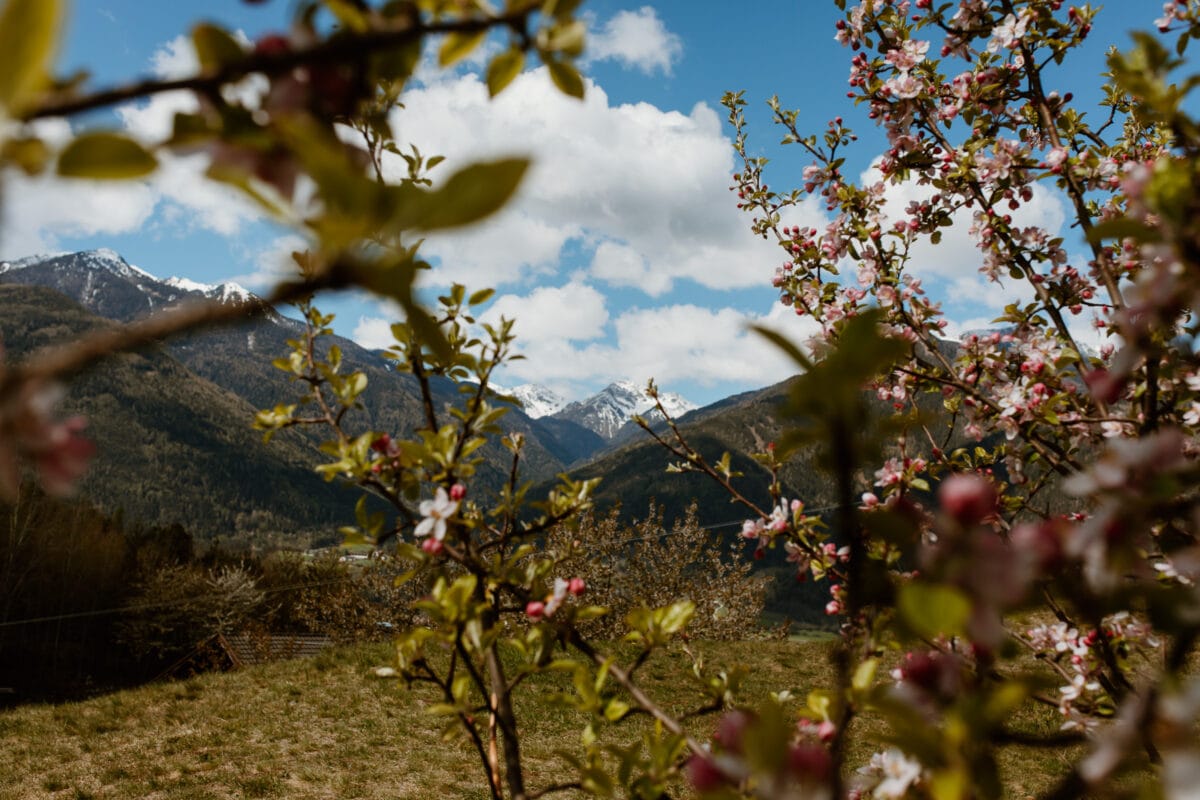
    Apple blossom in the Eisack Valley

    I was really lucky that I arrived in the Eisack Valley exactly at the time of the apple blossom. Apple blossom lasts only a few weeks in the spring. Then all the apple meadows are full of pink blossoming apple trees! In fact, the majority of all Italian apples comes from South Tyrol. Especially in the Valle Isarco apple growing has a long tradition.

    From Natz-Schabs you can walk along the apple trail and admire this spectacular event in spring.

    Route & information about the apple trail

    Apple blossom in the Eisack Valley in South Tyrol
    Apple orchards during the apple blossom in Natz-Schabs in South Tyrol
    Apple trees in full bloom, lined up in neat rows in the spring

    Nature in the Raier Moos

    The Raier Moos is a protected biotope and home to many animals and rare plants. A hiking trail leads around the Raier Moos, which provides a lot of information about the special flora and fauna.

    Nature trail Raier Moos

    Raier Moos in the Eisack Valley Biotope and Lake
    Woman in a straw hat on a wooden bridge in front of a mountain lake
    Hand pointing at a hiking map of the Natz-Schabs region in South Tyrol

    Pacherhof

    By the way, from Natz you can take a short hike to Neustift. A short break at the Pacherhof, however, is recommended! The Pacherhof is not only a hotel and restaurant, but also a winery. The farm itself has existed since 1142 and has always been family owned. On the sun-drenched slopes of the Pacherhof, grapes are cultivated and then being processed into the most tasty award-winning white wines.

    View of Neustift in the Eisack Valley in South Tyrol
    Winery Pacherhof in Neustift
    White wine from Pacher Hof in Neustift
    Wine tasting at Pacher Hof in South Tyrol

    The modern wine cellars, which are also an interesting architectural contrast to the historic building, can be visited during a tasting.

    Tools on a rustic wooden table in a winery
    Wine cellar with stainless steel tanks for wine fermentation
    Large wooden barrels in the wine cellar beneath a historic vaulted arch
    A bottle of Jucher Hof Silvaner with glasses on a wooden table

    In general, the combination of tradition and modernity is impressive!

    A rustic dining room with wood paneling and tables set with white linens
    Elegant Egg Chairs in a modern hotel lounge area

    You can also stay overnight at the Pacherhof and then continue sipping white wines all day long by the pool with a view of the mountains!

    Rates & Availability at Hotel Pacherhof in Neustift/Vahrn

    Picturesque winery courtyard with a chestnut tree and a wine shop
    White wine glass on a wooden railing with a mountain panorama and a pool

    Do you want more Dolce Vita?
    Here you’ll find more inspiration for beautiful destinations in Italy!

    Abbazia di Novacella / Neustift Monastery

    Nearby you will find another popular sight in the Eisack Valley. The Abbazia di Novacella is the largest monastery in Tyrol and is open to the public in large parts. The monastery church with its impressive frescoes is particularly pretty.

    church in the monastery Neustift in South Tyrol
    Baroque ceiling fresco featuring religious figures in a magnificent church
    A magnificent Baroque church interior with an altar behind an iron grille
    Abbazia di Novacella near Brixen in South Tyrol
    Fountain at the Abbazia di Novacella near Brixen in South Tyrol

    And if you need a break from all that hiking: In the beer garden of the Stiftkeller you can relax and taste themonastery’s own products. Like the wines, for example, because wine is also pressed here in the monastery!

    Stiftskeller Kloster Neustift near Brixen in South Tyrol
    Stiftskeller Osteria with a cherry blossom tree in spring
    A woman is sitting on a stone wall under cherry trees in bloom

    Brixen

    The largest town in the Eisack Valley, Bressanone, has one of the most beautiful old town centers in the region. Worth seeing here are the Bressanone Cathedral, the Bressanone Cloister and the Hofburg.

    For great tips on Bressanone, check out Lea’s post on her blog Escape Town (german):

    The Best Things To Do in Bressanone

    Staying in the Eisack Valley

    I stayed at Seehof Nature Retreat, a wellness hotel with a really outstanding spa area. If you are in the region for a longer time and in need for a bit of relaxation, I can only recommend a few days here: The perfect combination of wellness and nature!

    Rates & Availability at Seehof Nature Retreat

    Seehof Nature Retreat in Natz-Schabs in South Tyrol

    Disclaimer: The Seehof Nature Retreat invited me to South Tyrol.

  • Wellness in South Tyrol: Seehof Nature Retreat

    Wellness in South Tyrol: Seehof Nature Retreat

    Simply unwind, escape the stress of everyday life and recharge your batteries: who wouldn’t want that in stressful times? In any case, at Seehof Nature Retreat in South Tyrol, I enjoyed the ultimate form of total relaxation and pure nature.

    Apple blossoms against snow-capped Alpine peaks in spring
    Around the Seehof Nature Retreat: Valle Isarco in South Tyrol

    South Tyrol: Apples, fresh air and many, many mountains

    I arrive in South Tyrol just in time for the apple blossom. Did you know that most of the Italian apples on our supermarket shelves come from South Tyrol? Apple growing has a long tradition here. Originally intended for their own supply only, South Tyrolean farmers started to export their apples right across Europe from the end of the 19th century. Apples were seen as an absolute luxury good at that time.

    Apple trees in full bloom, lined up in rows against a mountain backdrop
    Apple blossom in the Eisack Valley

    Today, many areas at my destination, the Valle Isarco, are full of bright pink blossoming apple trees in spring. And as luck would have it, the nearest apple grower is just a stone’s throw from the Seehof Nature Retreat in Natz near Brixen! So beautiful!

    Cherry tree with pink blossoms against a blue spring sky
    Wooden signpost for the Apple Trail near Brixen, South Tyrol
    Hiking the apple trail: South Tyrol is famous for apple growing

    Cocooning at the Seehof Nature Retreat

    After a comfortable arrival, I move into a junior suite. The bathroom has an open design: Usually not my cup of tea, but here it’s perfectly integrated and just fits the cocooning style of the rest of the room. The Junior Suite has a balcony and a window front with two double doors across the entire width. Like in a movie, I get up in the morning and enjoy the fine rays of sunlight, open both double doors and admire the unobstructed view over the mountains and the hotel’s own lake.

    Check prices and availability here
    Seehof Nature Retreat

    Alpine wellness hotel with a pool and mountains in the background
    A woman sleeps in an elegant hotel room with warm lighting
    Rooms & Suites at the Seehof Nature Retreat

    In line with the wellness concept, there are small details in the room that make the stay even more enjoyable. For example, if you’re a stressed-out city dweller who forgot your spa gear in the rush to get going (hellooo me!), you’ll find everything you need in the room: A fluffy bathrobe, a pair of flip-flops and a sauna towel are waiting for you in a large bath bag. Another nice gimmick: a backpack is provided in the spacious closet for hiking trips.

    Celtic druids know how to relax

    Relaxing at the touch of a button might be difficult to some people. At Seehof, everyone relaxes in their own pace and way, and although there so much offered in terms of quality and service, the atmosphere is unpretentious and welcoming. For the more active, there is a small sports and hiking program, sometimes with unusual offers such as Wyda, the yoga of the Celtic druids, which combines static poses with quite a bit of primal screaming and chanting. Sounds crazy, doesn’t it? It definitely is. At first you might feel like an ecstatic Icelandic soccer fan on the way to the next European soccer championship, but in the end you’ll feel strangely liberated after all the collective screaming in the group. Worth to try!

    Hiking trails around Natz & the Valle Isarco

    If you want to enjoy even more nature, all you have to do at Seehof Nature Retreat is step outside the door. The hiking trails in the Eisack Valley are well signposted. If you prefer to hike in company and with someone who knows the area, simply join a group. The hotel has its own hiking guides who offer tours to sights in the area such as the Neustift monastery or walks through the idyllic old town of Brixen.

    Woman in a straw hat on a wooden walkway against a backdrop of a mountain lake
    Three hikers on a country road with a view of the Alps in the spring
    Purple wisteria blossoms hanging from a wooden pergola

    More Dolce Vita?
    Here you can find more articles about Italy!

    Wellness at the Seehof Nature Retreat

    A retreat would not be a retreat without a classic wellness program. If the nature around it wasn’t so beautiful, I could have easily spent a whole day in the spa area of the Seehof Nature Retreat. There you will find everything your heart desires! In addition to a steam bath, the Seehof has no less than two saunas, one of which is a mild bio-sauna and the other a Finnish sauna with a spectacular view of the mountains and the hotel’s own lake. If you can’t stand hot sauna temperatures for long, you really have to watch out here: Staring at the mountain panorama through the floor-to-ceiling windows, you might forget the time!

    Modern sauna with wooden benches and a panoramic window overlooking the mountain landscape

    Are you looking for special accommodations?
    Check out my hotel reviews!

    In between sauna sessions, you can swim a few laps in the heated infinity pool or even in the lake, and then get busy deciding where you’d like to chill out most. Whether on the green roof in the sun, on one of the fluffy lounge chairs on the lakeside or indoors in the oriental-inspired séparée with relaxing trance sounds – you can indulge in sweet idleness everywhere on the premises without squatting too much on each other. Because space is also a luxury, of which enough has been planned at the Seehof.

    Luxury hotel terrace with lounge chairs, a pond, and a panoramic view of the Alps
    A woman relaxes in an outdoor pool with a panoramic view of the mountains and a blue sky

    The wellness area is located in the annex, but due to its special architecture it almost seems to merge with the green surroundings. You don’t even notice from the outside how much space there is to relax in the Seehof! In the basement of the hotel are the premises for massages and treatments, from there you’ll get to the sauna and pool area.

    Two white hanging chairs in a cozy spa relaxation room
    An elegant hotel lobby lounge area with plants and modern seating

    Good food good mood

    Foodies are spoiled by the way with 4 meals a day with South Tyrolean delicacies. Breakfast, a light lunch, a snack or coffee and cake in the afternoon and a brilliant 5-course menu in the evening are served. For the main course, there are always 3 dishes to choose from (fish, meat or vegetarian) and I would have loved to try them all because it tasted so fantastic.

    The evening can be concluded with a good drink in the cozy bar with a surprisingly well-stocked library.

    The bar and restaurant, along with the wellness area, are the heart of the hotel: from morning to night, you can be pampered here on the sun terrace with drinks and small snacks; the service is always unobtrusive, but in the best of moods, and somehow always there if you have a wish. “Prego, signorina,” and in front of me I’ll find the perfectly chilled Coke in a crystal tumbler with ice and lemon, along with a small bowl of small aperitivi, potato chips and homemade savory cookies, just like that, and I enjoy the sun and the view of the postcard-perfect landscape spread out before me.

    For whom is the Seehof Nature Retreat suited?

    The Seehof Nature Retreat is an adults only hotel. Guests must therefore be at least 14 years old. Whether it’s a romantic weekend for two, traveling alone, or a girls’ getaway where everyone can relax and chat, the Seehof Nature Retreat appeals to a wide range of guests. Except for the restriction for children, all age groups were represented during my stay, from young to old.

    Nature lovers and relaxation seekers with a penchant for aesthetics and a sense for small and fine details will feel especially at home here.

    Seehof Nature Retreat
    Flötscher 2
    39040 Natz near Brixen
    South Tyrol
    Italy

    More info: www.seehof.it

    How to get to South Tyrol

    Although Seehof Nature Retreat is so nestled in nature, it can be easily reached. Even if you’re traveling from further away, like I did from Berlin, there are very good travel options.

    The Seehof Nature Retreat is located in Natz-Schabs in the Eisack Valley in South Tyrol, between Innsbruck and Bolzano.

    By car

    From Munich: approx. 3 hours drive (via the Brenner Pass)
    From Innsbruck: approx. 1 1/2 hours drive

    By plane

    The nearest airports are Bolzano and Innsbruck, but there are only a few connections. From Berlin, for example, there is a direct connection a few times a week with Skyalps, a small South Tyrolean airline based in Bolzano.

    The nearest airports are Verona and Munich, but you will need to hire a car or travel by train from both.

    ➜ Rent a car at Munich Airport here*

    By train

    My personal tip! I traveled from Berlin by train. It takes time (about 9 hours), but with only one perfectly coordinated change in Munich, it was the most stress-free option for me. The Seehof Nature Retreat offers a free hotel shuttle to the nearest train station in Franzensfeste (just call, travel time 10 minutes). Franzensfeste is located exactly on the train route Munich-Innsbruck-Venice and is therefore perfectly accessible by train.

    If you book in time, you can make a real bargain here with a journey by train and save stressful car trips!

    ➜ Check timetable & fares to South Tyrol/Italy*

    Other destinations in Italy

    Transparency: I was invited by Seehof Nature Retreat.

  • Top 10 Things to Do in Bremen, Germany

    Top 10 Things to Do in Bremen, Germany

    As an old Hanseatic city, Bremen has so many attractions to offer due to its eventful history. Did you know, for example, that Bremen’s impressive town hall is over 600 years old? But I was very surprised when I recently discovered some great spots in Bremen outside the usual tourist magnets! I’ll show you what you should see in the Hanseatic city and give you some pretty good insider tips that you’d otherwise have to search long and hard for!

    Colorful Gründerzeit facades with an antique shop and bicycles
    Rainy day in Bremen

    1. Schnoorviertel

    The oldest district of Bremen is an absolute must-see! Like a small oasis, the Schnoorviertel (or “the Schnoor”) is located in downtown Bremen. Schnoor, by the way, comes from the German word for string, “Schnur”, because the many small houses are strung together like pearls on a string.

    Some alleys are so narrow that you can touch the facades of the houses on the right and left at the same time with your arms outstretched! Unfortunately, the Schnoorviertel consists of only a few streets, but they are an absolute feast for the eyes with their pretty half-timbered houses.

    Bremen tourist attractions Schnoor
    Particularly cozy: the Schnoorviertel in Bremen.

    You will also find some small stores and restaurants – some of them very touristy – but it’s worth a closer look!

    ➜ Tour through the Schnoorviertel district*.

    Bremen's historic Schnoor district, with its cobblestone streets and half-timbered houses

    My recommendations:
    The Note – perfumery with an extraordinary assortment The perfect address if you love individual perfumes!
    808 Boba Bar – Delicious bubble teas in minimalist style No seating, but perfect as to-go during a stroll through the Schnoor district

    Historic half-timbered house in a charming alley in a German old town

    2. The Bremen Town Musicians / Bremer Stadtmusikanten

    Curiously enough, the melody of the old children’s song about the Bremen Town Musicians is always the first thing that comes to my mind when I think of Bremen: Eeeh-aah, woof-woof, meow, cock-a-doodle-doo! The fairy tale of the Brothers Grimm is simply inseparable from the city.

    Bronze sculpture of the Bremen Town Musicians in front of a historic brick wall

    Since the 1950s, a bronze statue of the Town Musicians has also adorned Bremen’s Town Hall. But if you think of a huge statue here, you are mistaken – the four animals are not depicted life-size, and the statue is somewhat hidden on one side of the town hall. By the way, clasping the donkey’s legs with both hands at the same time is said to bring good luck!

    3. Bremen City Hall

    The first Bremen town hall is said to have stood here on the market square as early as the 13th century. The town hall, what you see here now, was built from 1405 to 1410 and is still used by the Bremen Senate and the mayor! The striking building can also be visited from the inside – it’s worth it! Today it is also called the Old Town Hall, after an addition, the New Town Hall, was added in 1917.

    Bremen City Hall on the Market Square, with passersby and a church tower

    You can book a guided tour of the town hall here:
    Tickets for the Old Town Hall

    Tip for foodies: In Bremen’s Ratskeller, located under the Old Town Hall, you can enjoy the rustic ambience with hearty delicacies!

    Inscription on a Building in Bremen Commemorating the Division of Germany
    Historic gabled houses on Bremen's Market Square with cafés

    More sights around the town hall and Bremen’s market square:
    St. Peter’s Cathedral
    from the 11th century
    Spitting stone in the cathedral courtyard: the serial killer Gesche Gottfried was beheaded here in 1831

    Bremen Cathedral with two towers on Market Square in Bremen

    By the way, are you a True Crime fan? Then this might be an exciting tour for you to get to know Bremen better:
    ➜ Tatort Bremen: Of manslayers and cutthroats*

    4. Bremer Roland

    The Bremer Roland is one of the most important landmarks of Bremen! The large statue of Roland in front of the town hall shows a knight with a sword and symbolizes the independence of a city and the associated city rights.

    With the separation from the until then ecclesiastical rule and the change to an independent city around 1400, Bremen was the forerunner among many European cities. Therefore, the Bremen Roland as a symbol of freedom and self-determination has great significance to this day and can be found as the name sponsor for many Bremen institutions.

    The Roland Statue in Bremen's Market Square

    5. The Schlachte

    Going out in Bremen? No problem – the Schlachte is the promenade on the Weser and is located in the middle of the city. Here you can also sit on the Weser promenade during the day, drink coffee or enjoy an after-work beer and people-watch. In the evening it gets more crowded depending on the day of the week.

    You can get a real maritime feeling on the old sailing ship “Alexander von Humboldt”, which is located directly on the Schlachte and houses a restaurant and hotel.
    ➜ Prices & availability on the “Alexander von Humboldt “*

    Enchilada Beer Garden Sign Featuring the Paulaner and Carlsberg Logos
    Bremen's Weser Promenade with historic brick buildings and a dock

    6. Böttcherstrasse

    A narrow dark alley leads from the spacious market square down to a very special street in downtown Bremen – and if I hadn’t spotted a small sign saying “to Böttcherstraße,” I probably would have walked right past it. Indeed, if you walk down the narrow Schüttingstraße from the market, you walk directly towards the impressive archway that marks the beginning of Böttcherstraße.

    Böttcherstraße in Bremen, featuring a golden relief and passersby

    Here, since 1931, art, culture and crafts are concentrated on a small street that seems like a whole other world. With the support of coffee HAG (a very popular decaffeinated coffee brand in Germany until today, many German still call decaf coffee “Kaffee HAG”) inventor Ludwig Roselius, a center for creative people was created here at the beginning of the last century, which has retained its charm to this day.

    Historic Böttcherstraße in Bremen, with passersby and brick buildings

    Every single house on Böttcherstrasse is individually designed: The Paula Modersohn Becker House, which contains the associated museum about the painter’s life’s work, is particularly striking.

    Historic brick building with a sundial in Bremen

    Especially at the time of the Third Reich, the expressionist style of the house was controversial; in any case, I was very impressed by the unusual architecture.

    Bremer Bonbon Manufaktur storefront with a decorative brick wall

    Worth seeing here, in addition to the small stores and studios, are the Seven Owls Fountain (Sieben-Faulen-Brunnen) whose story is based on a Bremen folktale, and the Craftsmen’s Courtyard (Handwerkerhof).

    You can find out more about the interesting history of this unusual street on this short tour:
    ➜ Tour of Böttcherstrasse*

    7. Wallanlagen & the Mill

    You feel a bit like you’re in Holland when you look at the mill in the Wallanlagen. Located in the middle of the ramparts of the old Bremen city wall, the former coffee mill is not only a pretty photo motif, but also houses a restaurant today. (But you can also stop here just for a coffee.) However, sometimes there are some shady around from the nearby main train station, the Hauptbahnhof. So better just walk along here during the day and be a bit more careful.

    A historic windmill is reflected in a tranquil park pond

    8. The Viertel

    This neighborhood was my very big surprise in Bremen. Or maybe I just didn’t notice it before simply because of the name. The Viertel in German means actually just “the neighborhood”.

    Street art graffiti featuring Ernie and Bert on a building wall

    The Bremer Viertel stretches from Sielwall to Sankt-Jürgen-Strasse and is something like THE hipster district of Bremen. Actually just a small part of town, but here you can spend the whole day strolling and eating. Or at least that’s how I felt! I have discovered so many great little stores and fantastic food locations, that the next time I’m in Bremen I’ll definitely go straight to the Viertel and check out my favorites first!

    My secret tips for the Viertel:

    Juli liebt Kaffee good coffee, but also great interior design Delicious breakfast/brunch in a relaxed atmosphere. Worth coming out of downtown for.

    Fritzfrank Concept Store right next door Owner Anastasia chooses everything herself with a good hand and taste If you like supporting small businesses, you’ve come to the right place. At fritzfrank you will find decoration and accessories from many small labels, which you will definitely not find everywhere in Germany.

    A cozy gift and home decor shop with colorful shelves

    Nora’s I’ve only had a Turmeric Latte and a Carrot Cake here, and that alone is a reason to come back; because I would have loved to taste more! The ambience is refined yet casual, the service attentive, and really everything on the menu is homemade according to clean-eating principles. Eating healthy has rarely been better. Still affordable. Also available to go.

    9. Parks & other great outdoor experiences in Bremen

    In Bremen there are a few more tips and sights that you can also still see during a longer stay:

    Maritime Meile Vegesack – outside the city center you can learn more about Bremen’s maritime history around the old Vegesack harbor, for example, in the Museumshaven.
    Bürgerpark – located behind Bremen’s main train station, you’ll find a huge green space with plenty of opportunities to relax, unwind or play sports.
    Rhodendron Park – May is the perfect month for a trip to Rhodendron Park: that’s when the more than 10,000 plants are at their best in full bloom! Admission is free, by the way.

    10. Museums in Bremen

    It’s not just when the weather is bad that you might want to treat yourself to a visit to a museum. Anyway, still on my list are these two museums that make Bremen an exciting destination.

    Kunsthalle Bremen – In addition to its own collection, which includes works from over 700 years of art history, you will also find interesting temporary exhibitions here. A look at the website with the current events is worthwhile!
    Weserburg The Weserburg is the museum for international contemporary art, housed in a historic building directly on the Weser. The collection includes works from various disciplines, from paintings and sculptures to installations. Changing exhibitions.

    Stay overnight in Bremen

    If you’re not traveling from the surrounding area, you may need a place to stay. Not a problem in Bremen! You should take a closer look at the following locations:

    Klabauterbett* Sleep on a two-mast clipper! Cozy ship very close to the old town and Schlachte.
    Vienna House Bremen City* stay comfortable, modern & at a good price. A bit outside the city center, but due to the short distances and good public transport in Bremen you are still close by. Advantage if arriving by train: it’s within walking distance of the main train station.
    Designhotel Überfluss* a bit more expensive, but with a wellness area and absolutely centrally located by the Weser river. For a nice weekend for two but quite affordable if you want to treat yourself!

    Bremen's Weser Promenade with a historic sailing ship and a view of the city
  • 7 Great Locations to Relax at the Algarve, Portugal

    7 Great Locations to Relax at the Algarve, Portugal

    A wellness vacation at the Algarve in Portugal was pretty much the best thing that could have happened to me in October. Warm temperatures, orange-red sunsets and a fresh sea breeze awaited me in Portugal. And after numerous wellness treatments in fantastic spas and a few encounters with the amazing Algarvios, I just fell in love with this beautiful place in Europe. Read the full article with my favorite locations!

    1. Companhia das Culturas in Castro Marim

    This place was exactly what I needed, when I arrived in Portugal! It couldn’t have been more different! A few hours ago, I was still in busy Berlin and although I love living in a big city, it can be exhausting from time to time. Berlin is a loud and rough city and life can be challenging. So arriving at the Companhias das Culturas was quite a shock – the tranquility here was overwhelming in a positive way. I knew that my time here would be more than relaxing!

    “Have you noticed? We don’t have music in the common areas here” Eglantina Monteiro, the owner, said to me with a bit of pride. The land on which Companhia das Culturas is located has been in the family for seven generations. Being a farm originally, the majority of all food processed in the hotel’s own restaurant comes from its own production!

    And honestly, it’s been a while since I’ve been served such a lovely breakfast in hotels for a long time. By the way, sustainability also plays a big role at the Companhias das Culturas. The breakfast isn’t served as a buffet to reduce food waste – such a great idea!

    Feel like traveling?
    You can find more articles about Portugal here

    At the Companhias das Culturas, you learn to focus on the essentials. Which is so relaxing! Getting up in the morning by the crowing of the rooster and watching the early morning mist over the fields slowly revealing the view over the vast property was my favorite thing to do! It felt so good to just seize the moment without any distraction.

    The lack of background music, by the way, was the very first thing that struck me as a flight attendant who has become very sensitive to noise over the years 🙂

    Companhia das Culturas: Check availability here!

    Tip: Start the day with a yoga class in the Corkbox, a space completely lined with Algarvian cork, and then head over to the hotel’s own hammam to relax.

    2. Epic Sana in Albufeira

    I’ve been driving up and down the street three times without realizing that the huge driveway with a gatekeeper and hedges trimmed to perfection belonged exactly to the hotel where I was going to spend the night! The Epic Sana is a five-star hotel, and to be honest, I love luxury; but sometimes it can be truly intimidating!

    The Epic Sana’s lobby is large, inviting and very shiny and one wall is covered with lots of awards and prizes the resort has won over the years. It doesn’t take two minutes and I’m greeted, checked in, have my room key pressed into my hand along with a flower and my luggage is already on the way to my room. The rental car I’ve just left outside the entrance has been parked away – and I’ve landed in another world in the blink of an eye.

    The entire complex is huge, I think I’ve counted four or five pools and the view from my balcony looks like a postcard: palm trees, sea on the horizon and lots of green. The property also offers a variety of bars and restaurants. I’m a bit skeptical. Wouldn’t I get lost in this huge resort?

    Sales Manager Daniel shows me the hotel. We explore the whole area with its numerous buildings and relaxing areas. I’m impressed!

    A cat runs by. “This is our hotel cat, by the way,” Daniel says. “He just settled here, and now he’s just part of the hotel. When we had to close due to the pandemic, we took turns among the staff to bring him food – someone always came over to take care of him.” So cute.

    My recommendation if you’re hungry: The brand-new Japanese restaurant at the Epic Sana will spoil you with the finest sushi! I even had one decorated with gold! Despite all the luxury, the atmosphere is absolutely perfect to relax and unwind from a day full of new impressions.

    Tip: Room rates may be higher at Epic Sana, but a few days here are so worth it! It’s the perfect place if you really need a break from the daily grind or need just a few relaxing days while on a road trip in Portugal. Consider a stop here and I’ll guarantee you, you’ll feel brand new afterwards!

    Check prices and availability at Epic Sana

    3. Praia da Falésia in Albufeira

    Right behind the Epic Sana, you’ll find one of the most impressive beaches of the Algarve. Praia de Falésia in Albufeira is also open to the public. From the rocks you’ll have a fantastic view over the red cliffs along the beach. Take one of the long wooden stairs and you’ll arrive down at the water.

    Tip: Don’t miss to enjoy the sunset from one of the rocks! The view is magical!

    4. Portimão & Hotel Bela Vista

    Portimão is not exactly known for its impressive architecture. On the contrary, tourism has also brought less attractive buildings to the popular Praia da Rocha. The Hotel Bela Vista, however, held its own in its exposed location right on the beach.

    Today, the main house, with its richly detailed interior, feels like something out of a 1930s spy thriller; while the palm-fringed pool and pastel-colored rooms feel like a retro version of Miami.

    Tip: After a day at the beach at Praia da Rocha, sip cocktails in the bar & fall in love with the interior design.

    Rates & Availability at Hotel Bela Vista in Portimão

    Landmark of Portimão: The Bela Vista at the Praia da Rocha
    Miami Retro Chic at the Bela Vista

    However, if you are on a budget, but don’t want to miss out on a bit of luxury, I can recommend the Longevity Health Club in Alvor. It’s not located directly by the beach, but the Longevity Health Club is brand new and aiming at wellness lovers. Also, the view over Portimão beach from the infinity rooftop pool is quite spectacular!

    Prices & Availability at the Longevity Health Club in Alvor

    5. Monchique & Caldas de Monchique

    Monchique is located in the mountains of the Algarve. This tranquil spa village is known for its pleasantly cool climate (perfect if the hot coastal temperatures, especially in summer, are too much for you) and its thermal springs, the Caldas de Monchique.

    Like a small village: Villa Termal Caldas de Monchique Spa Resort.

    At Villa Termal Caldas de Monchique Spa Resort, you’ll stay in one of four individually decorated hotels like in a small mountain village, and you can also take advantage of the on-site spa. There you can enjoy the mineral-rich thermal water, which is especially helpful for joint pains and respiratory illnesses, as well as wellness treatments such as hydro massages.

    Rates & Availability: Villa Termal Hotel Central in Monchique

    Tip: Monchique is not only good for relaxing, but serves also as a starting point for hikes in the mountain range of the same name, the Serra de Monchique.

    Long Tradition: The thermal bath in Monchique.

    6. Ria Formosa / Cacela Velha

    “Isn’t this relaxing”, Diana asks me and point at the vast beach around us. We are in Cacela Velha, a historic town on the coast and at the same time access to the Ria Formosa, a nature reserve that stretches from here for 70 kilometers along the coast to beyond Faro. The Ria Formosa is an extensive group of lagoons and famous for its richness of species. Since the water level in the lagoon depends on the tides, in places like Cacela Velha you can walk through the mudflats to the offshore island at low tide and plunge into the waves on the beach. But beware: in summer there are small fishing boats that shuttle between the beach and the mainland at high tide – in low season you have to either know when the tide is coming or swim all the way through the lagoon!

    The Ria Formosa Nature Reserve.
    The Praia de Cacela Velha

    Do not underestimate the tides! If you’re unsure, a local guide like Diana will help you explore the Ria Formosa. On the wide beach of Cacela Velha, it’s so easy to forget the world around you! And before you know it, the tide is coming!

    What to do:Counting the different bird species, looking for flamingos, chameleons and marine life such as the world’s largest seahorse population and letting Diana convince you that the Algarve is the most relaxing place ever!

    Book your tour with Diana here!

    7. Enjoy the culinary at the Algarve

    I believe, nobody has ever left the Algarve hungry! Especially sea food lovers are considering it their foodie heaven!

    Typical for Algarve: A Cataplana

    Even me, who likes fish but otherwise I don’t care much for seafood, couldn’t say no to typical dishes like the cataplana. A cataplana is a copper pot with a tight-fitting lid in which fish and seafood such as gambas or mussels are stewed, and is also used synonymously to refer to such a stew.

    While Portuguese cuisine is traditionally rather hearty, there are now many locations in the Algarve that take advantage of the region’s rich offerings and give the local cuisine a modern twist.

    My recommendations:
    Crisp salad bowls at the Pure Longevity Café at the Longevity Cegonha Country Club
    Juicy couscous with fresh salmon at À Terra at the Praia Verde Boutique Hotel
    Cataplana with fish and seafood at Companhia das Culturas

    Healthy food at the Pure Longevity Café
    A Terra: The restaurant at Praia Verde Boutique Hotel serves light, delicious Algarve cuisine.

    My research trip was sponsored by Visit Algarve.

  • Top 10 Things to do in Gdansk

    Top 10 Things to do in Gdansk

    An old town center peppered with sights and medieval vibes, plus the vibrant life of a modern Polish city and the proximity to the Baltic Sea: every time I’m in Gdansk, I’m seeing the city from a different angle. Because Gdansk is just so diverse! In this article, I’ll show you the most important sights in Gdansk , so you can start sightseeing right away!

    ➜ See Gdańsk and the Baltic Sea resorts of Sopot and Gdynia in just one day*
    ➜ Affordable places to stay in Gdańsk
    ➜ Day trip tip: Take a pirate ship to Westerplatte

    1. Historical center of Gdansk: The Main City

    You will find most of the sights in the Main City. That’s where the historical center of Gdansk is. The Main City is home to the most popular tourist destination in the city: the Long Lane (Ulica Długa) is the main street where everything is taking place!

    2. Long Lane/Ulica Długa

    The Long Lane runs from the Golden Gate to the Long Market and is truly a feast for the eyes. The facades of the houses along the Long Lane clearly show the economic and cultural importance of the former Hanseatic city of Gdansk . Already in the Middle Ages, Gdansk was an important trading port due to its location on the Baltic Sea, and many merchants and nobles settled here.

    Gdansk Long Lane

    Not obvious at first glance, because it’s just too beautiful and well done: The beautiful medieval-looking facades are not quite original. In fact, during the Second World War, over ninety percent of the houses on the Long Lane were destroyed. After the war, all facades were rebuilt, but the backyards and blocks behind them were constructed according to modern urban planning principles.

    Gdansk sights colorful houses long lane
    Rebuilt after the Second World War: The house facades on the Long Lane
    Neptune Fountain Gdansk
    Neptune Fountain in front of the City Hall

    3. Long Market

    The Long Market at the end of Langgasse is always busy, especially during the high season from spring to fall and on weekends. You can sit here in the surrounding cafes and watch all the hustle and bustle, but Gdansk has so much more great cafes and restaurants to offer that you should also take a look into the small side streets. Good coffee can be found, for example, at the Café Oficyna.

    Long Market and Green Gate in Gdansk

    Polish cities are definitely worth a trip! Find more inspiration for a short trip to Poland here:
    ➜ All articles about Poland

    Cafe Oficyna Gdansk
    Café Oficyna in Gdansk

    4. Green Gate

    The end of the Long Market is unmistakably formed by the Green Gate. For me one of the most beautiful photo motifs of Gdansk! There is also an offshoot of the National Museum here, where changing exhibitions are held at irregular intervals. It’s worth taking a look!

    Gdansk Sights Green Gate
    The Green Gate at the end of the Long Lane

    5. Waterfront promenade

    Through the Green Gate you’ll get straight to the waterfront promenade on the Motlawa, where you can enjoy the maritime feeling! You can already feel the fresh Baltic Sea breeze a bit here, and a few older ships provide the right flair. Among others, you can even see a real pirate ship!

    Pirate ship on the Motlawa River in Gdansk
    The pirate ship on the Motlawa
    St Mary's gate on the waterfront Gdansk
    St Mary’s gate on the waterfront

    6. Crane Gate

    By the way, among the many eateries on the waterfront, the huge Crane Gate stands out. Ships were once loaded and unloaded here since the 15th century. In the Second World War, like so many buildings in Gdansk, it was destroyed, but then completely rebuilt.

    Today, the Crane Gate is one of the most famous postcard motifs and landmarks in Gdansk. The single, large wheels of the crane can also be seen through the construction from the waterfront. But in the Crane Gate itself there is also a museum (currently closed for renovation), where you can see the mechanism up close and learn more about life in medieval Gdansk.

    Current info Museum in the Crane Gate

    Crane gate Gdansk sights
    One of the most striking sights of Gdansk: The Crane Gate

    7. Mariacka Street

    Even before the Crane Gate, you can pass through the St Mary’s Gate ontoMariacka Street, which to me, is the most beautiful street in the center of Gdansk! Mariacka Street is lined with stylish town houses and is also the center of the amber trade. Gdansk is famous for its amber! Personally, I don’t like it that much, but the street itself is so pretty – an absolutely perfect photo op!

    Amber Street in Gdansk
    Center of the amber trade: Mariacka Street
    Mariacka Street Gdansk

    What is amber?
    Amber is not a precious stone, but fossil resin. It is also called “Baltic gold” because it has the largest deposits in the Baltic Sea region around Gdansk and in the Baltic States. Attention when buying: Meanwhile there are also synthetically produced fakes!

    ➜ Learn to recognize fake amber & process amber yourself! (material included) *

    8. St. Mary’s Church

    The Mariacka Street leads to the unmissable St. Mary’s Church, which is interesting even you are a big fan of churches in general. From the church tower you have a perfect view over Gdansk!

    (Alternatively, you can enjoy the view over the city from the ferris wheel “Amber Sky” on Granary Island).

    Sights in Gdansk St. Mary's Church
    Best view: From the tower of St. Mary’s Church
    Royal Chapel Gdansk with fountain

    9. Granary Island

    The Granary Island opposite the old town has only really been developed in recent years. There is still a lot of construction going on here, new things are being built and the atmosphere here is younger and fresher than in the historic Main City. I’m excited to see what else is created here!

    The pedestrian swing bridge that connects the Speicherinsel with the opposite waterfront promenade of the Main City is also new!

    Pedestrian bridge over the Motlawa
    Pedestrian bridge over the Motlawa
    Ferris wheel in Gdansk

    10. Street Art in Zaspa

    A bit away from the tourist hustle and bustle, you can marvel at exciting murals and street art in the usually less picturesque Zaspa district. You can find an overview of all murals here:

    Murale Gdansk Zaspa

    Food & Drinks in Gdansk

    You’ll encounterGoldwasser on every corner, a spiced liqueur with a whopping 40% alcohol is the signature liquor of Gdansk. By the way, the name actually comes from the gold leaf that is added to the liqueur! It’s too hard for me, but fortunately Gdansk has much more to offer than just Goldwasser! As in most Polish cities, the choice of good, modern restaurants and cafés is great!

    Steak on hot stone in restaurant Whiskey in a Jar Gdansk
    Tip: Whiskey in the Jar on Granary Island

    Beer is popular in Poland anyway and in Gdansk even more so! So if you like beer and want to experience craft beer from small, local breweries that you might never find like this, then this might be for you:

    ➜ Private beer tasting with local craft beer*.

    Day trips from Gdansk

    If you’ve had enough of the city and crave even more Baltic flair, there are some great trips you can take from Gdansk.

    Westerplatte

    History nerds in search of the historical hotspots will be drawn here anyway: This is where World War II began in 1939 with Germany’s invasion of Poland. A large monument to honours the soldiers defending Poland commemorates these first battles today.

    But also the location on the Baltic Sea and the wide beach make the peninsula a great place to visit! By the way, you can take a trip here with the pirate ship, which is located on the waterfront – and yes, it is quite touristy with music and animation; but it is also just beautifully done.

    Gdansk riverside promenade on the Motlawa river

    There are also water trams by Gdansk’s public transport company in summer. Line F5 also departs from the Green Gate and stops at Westerplatte. The stay on the Westerplatte with a fresh breeze are a nice contrast to the lively Old Town.

    In general, you should take a boat tour in Gdansk – it’s really cheap, and a nice opportunity to get to know the history of the city from the water!

    ➜ City tour on a historic wooden boat*
    ➜ Boat tour of the Imperial Shipyard at sunset*
    ➜ On a small motorboat across the Mottlau*

    A boat trip to Westerplatte also takes you past the huge cranes of the Danziger Werft: This is where the Solidarnosc movement around Lech Welesa, later Nobel Peace Prize winner and Polish president, was born in the 1980s. The Gdansk shipyard, today rather insignificant, built huge freighters and passenger ships here at that time. One of the first ships build here is now moored as a museum ship on the Motlawa River, opposite the crane gate.

    Museum ship Soldek

    Ship Soldek in Gdansk
    Museum ship Soldek

    Sopot

    Very close to Gdansk is Sopot, an old Baltic seaside resort, which is still a popular nightlife destination for many Gdansk residents. There you can walk along the busy main street Monte Cassino to the Sopot pier, a wooden jetty that juts hundreds of meters into the Baltic Sea.

    You can get there in less than half an hour by regional train from Gdansk Central Station (Gdańsk Główny), which is just outside the Old Town. You can also take an Uber!

    Or you can book a full day with a guide who will show you not only Sopot, but also Gdansk on the fly and Gdynia. It’s a really a good investment to experience more of the area and at the same time, you don’t have to worry about transportation, etc:

    ➜ Gdansk, Sopot & Gdynia in one day*.

    Travel planning tips

    Where to stay in Gdansk

    Gdansk is one of the most popular travel destinations in Poland. There is therefore a huge range of accommodation on offer here. Accommodation is relatively cheap, especially in the low season, so you are sure to find a nice place to stay.

    I have some great tips for you here:

    Radisson Blu Hotel & Suites —Newly renovated on Speicherinsel and furnished in a clean, Scandinavian mid-century style. The perfect location for exploring all the sights on foot!

    ➜ More places to stay in Gdańsk

    On the road

    You can explore the center of Gdansk perfectly on foot. Everything is close together and you will find less public transportation there anyway. To get to Westerplatte, Sopot or nearby Gdynia, for example, you can take the bus, train or, in summer, the water streetcar.
    Timetables and times (Polish only): [https://ztm .gda.pl /]

    Less adventurous, but also not very expensive, is Uber; it works in Gdansk without any problems.

    Best time to visit Gdansk

    I think I’ve been to Gdansk at pretty much every time of year. In summer Gdansk is very busy and touristy, especially on weekends, this may be too much for some. However, the temperatures are then also perfect for a swimming trip to the Baltic Sea coast.

    In spring and autumn, Gdansk is quieter, and perfect for a short city trip. In winter I find the morbid charm very exciting, especially the Main City is completely empty, but to me personally the Baltic Sea climate in winter is just too cold – but I’m a fan of warmer temperatures anyway 😉 Depending on your preferences, you can visit Gdansk all year round.

    Alley in Gdansk Old Town

    How to get to Gdansk

    You can easily get to Gdansk from Germany by train, plane or car. There are also bus connections, but at least from Berlin this is quite a long journey (approx. 9 hours).

    The airport is easy to reach by public transport. It is also only 10 kilometers from the city centre – so cabs and Uber are also a good alternative.

    Money & Currency

    The currency in Poland is the Polish Zloty (PLN). The conversion rate is more or less 1:4, i.e. 4 Zloty are converted to 1 Euro.

    Card payment is widespread, sometimes you can even pay in euros and get change in zloty. (Usually a bad deal). When paying by credit card, be sure to choose payment in zloty instead of euro or your currency.

    But it never works quite like that without local cash. That’s why I still withdraw some cash in Poland with my DKB credit card*, which allows me to withdraw cash free of charge from almost any ATM and I’m prepared for all eventualities.

    Get more info about DKB here*

    In the city you can also find some independent exchange offices, but the exchange rate there is worse.

    Houses in the Old Town of Gdansk

    Language & Communication

    In many places, information is available only in Polish, and even though I’ve been to Poland so many times—the language just gets the better of me. There are just too many consonants 🙂 At some point, I gave up trying to get beyond “Hello” and “Thank you” and resigned myself to my fate. Fortunately, many younger Poles speak English these days, so you can get by just fine with English, especially in tourist hotspots like Gdańsk.

    You can also find more about Poland here:

  • How to See Paris in Just One Day: Full Itinerary + Map

    How to See Paris in Just One Day: Full Itinerary + Map

    The imposing Eiffel Tower, the intricately decorated facades of historic buildings, sipping café au lait at a sidewalk bistro table, and the charm of a cosmopolitan city steeped in history: Paris never ceases to fascinate me. But the city is huge, the most beautiful sights are right next to one another, and somehow you just don’t know where to start with your sightseeing itinerary. Experiencing Paris in a single day (and mostly on foot, at that) seems impossible, but I’ll show you how to make the most of your short trip or weekend in Paris, even if you’re short on time!

    Quick Tips:
    ➜ Affordable Accommodations in Paris
    ➜ For Those Who Don’t Feel Like Walking: Get Around by Hop-On-Hop-Off Bus*

    View through an archway into the courtyard of the Louvre in Paris

    How to see Paris in one day

    I had an overnight stay in Paris in early summer for the first time in years and the day couldn’t have been better: I wanted to see a lot of Paris on this one day, enjoy the city, soak up the flair, gather a little inspiration. My sightseeing plan was ambitious, I was highly motivated and willing to check off a long list of places I wanted to see again or get to know anew. But in the end, everything turned out differently.

    The magnificent facade of the Louvre Museum in Paris, viewed from below

    The Eiffel Tower: The most important sight in Paris

    I didn’t leave the hotel until early noon, so I even had a little less than a day in Paris. But if you have a full day in Paris, I advise you to start the morning at the Eiffel Tower. Especially if it’s your first time in Paris!

    The Eiffel Tower is still the most important and impressive sight in the city! Even though I’ve been to Paris many times, the sight of it never ceases to amaze me.

    You should definitely go up, and right to the top, of course to enjoy the full view over Paris!

    Tip: The Eiffel Tower is very popular, and wait times can be extremely long! Especially if you’re short on time.
    ➜ Book your ticket for the Eiffel Tower here*

    Seine in Paris with the Eiffel Tower in the background
    The Eiffel Tower can be seen from far away!

    A day in Paris: Around the Arc de Triomphe

    From the Eiffel Tower, you can then walk across the Pont d’Iéna to the other side of the Seine. At the Trocadero, you’d better take the metro for a few stops to Place Charles de Gaulle; you’ll definitely walk enough, as I did.

    The metro stations can be real mazes, but the Paris Métro is so fascinating! For that reason alone I always enjoy riding a few stations in Paris. (For tips on riding the metro in Paris, see below!)

    Take line 6 to the Charles de Gaulle Étoile station.

    The Arc de Triomphe in Paris, with tourists and a cloudy sky
    The Arc de Triomphe on the Place Charles de Gaulle

    By the way, you can’t go wrong trying to find the right exit here, because the station is huge and you can exit at pretty much any of the entrances leading to the star-shaped Place de Charles de Gaulle. I can’t remember which exit I took, but it’s best to head toward Avenue des Champs-Élysées/Georges V; it’s actually quite well signposted. Once you’re above ground, you’ll immediately see another of Paris’s landmarks: the Arc de Triomphe.

    If you like, you can also go up to the roof of the Arc de Triomphe*! The Arc de Triomphe may not be quite as high and spectacular as the Eiffel Tower, but the view of the huge traffic circle below and the magnificent Champs-Élysées is very impressive.

    But here, too, the same rule applies (especially if you only have one day): Be sure to book your ticket in advance*

    Strolling on the Champs-Élysées

    This is where the famous Avenue des Champs-Élysées begins, and even if you’re not into excessive shopping, the huge flagship stores here are in a class of their own, and long-established brands like Guerlain, for example, turn their window displays into veritable works of art on the building facades.

    Guerlain Boutique Paris with festive floral decorations and passersby
    Beautifully decorated: The shop windows on the Champs-Élysées

    At the end of the Avenue de Champs-Élysées is Avenue Montaigne, the street in Paris with the most famous luxury brands (incidentally, Marlene Dietrich spent her last years here). If you want to feel a little more glamorous, take a detour here. The many great storefronts alone are worth it!

    Place de la Concorde

    You’ll naturally find yourself walking along the Champs-Élysées toward the Place de la Concorde and the Luxor Obelisk—but be warned, it’s a long walk! I took the metro for the last bit, but there are also several buses that run that route.

    The Luxor Obelisk on the Place de la Concorde in Paris

    Jardin des Tuileries

    I had initially intended to head directly to the Louvre, but on a whim, I got off at Place de la Concorde and wandered through the Tuileries. It’s a fairly long walk, yet quite captivating: amidst the busy streets of Paris, the Tuileries stand out as a vast green oasis.

    People are relaxing in the Jardin des Tuileries with the Louvre in the background

    Louvre, the pyramid & Mona Lisa

    By now, at the very latest, you’re already overwhelmed by the splendor and history; and then suddenly you find yourself standing right in front of the famous Louvre. Bam. If you have a little more time (and are even slightly interested in art), you should definitely visit the Musée du Louvre; seeing Da Vinci’s famous Mona Lisa in person is worth the trip alone. But the collection is incomparable in every other way, too.

    ➜ Buy your Louvre ticket in advance*

    The Louvre Museum in Paris, featuring its glass pyramid and visitors
    The Turgot Pavilion at the Louvre Museum in Paris

    Unfortunately, a visit like that takes a lot of time, so if you only have one day in Paris, it’s hard to fit in museums. Which is especially a shame in Paris. If you have more time, be sure to check out the Centre Pompidou and the Musée d’Orsay in addition to the Louvre. I think these two museums are also well worth a visit.

    Smiling woman with wind-tossed hair in front of the Louvre in Paris
    Très contente in Paris

    Seine & Quartier Latin

    Behind the Louvre, the route crosses the Pont des Arts. And here, with a view of the Seine, you’ll get that pure Parisian vibe all over again. The route continues along the riverbank toward the Latin Quarter. By the way, the next bridge is the famous Pont Neuf, the city’s oldest stone bridge.

    Pedestrians on the Pont des Arts in Paris along the Seine
    The Ponts des Arts above the Seine

    At some point, the first bouquinistes start to appear—the booksellers with their charming little stalls along the Seine. Here you’ll find used books, coffee-table books, and prints.

    A Parisian bookseller's stall featuring historical prints and books
    Stalls selling antiquarian books and art prints along the Seine promenade in Paris

    The Latin Quarter is Paris’s traditional student and nightlife district. Numerous restaurants, cafés, and bistros line the streets here. But the Latin Quarter is also quite the tourist trap. If you’ve stuck with the whole itinerary so far just like I did, by now your stomach is probably growling, and you probably don’t care which lousy tourist spot you end up in—I know that feeling all too well 🙂 So avoid Rue de la Huchette and try your luck in the side streets.

    A bustling Parisian alley lined with restaurants and bistros

    I can recommend Shiso Burger —fresh burgers with an Asian twist. The little place is located right on Quai Saint-Michel, a bit off the beaten path from the usual tourist traps.

    Notre-Dame & Île de la Cité

    Cross the Pont Saint-Michel to reach the Île de la Cité, the large island in the middle of the Seine—and, as a bonus, you’ll have a fantastic view of Notre-Dame Cathedral from here.

    Notre-Dame de Paris on the Seine with a renovation crane
    Notre Dame Cathedral

    I enjoyed a lovely break at Brasserie Les deux Palais, mostly because I wanted to sit by the street at a charming bistro table and savor a café au lait, just like in Paris. I’d say I definitely achieved that goal! Oh, and I also stumbled upon a wonderful tip for experiencing a classic old-school Parisian brasserie.

    Crêpe with sugar and cappuccino on a marble table
    Blurred streetlight in front of an old city building, in sepia

    Tour Saint-Jacques

    On the other side of the Seine, I discovered a true treasure (and, to be honest, felt a little disappointed that I hadn’t thought to bring a picnic, like many others relaxing here on their Saturday afternoon). The charming Square de la Tour Saint-Jacques, with its lush, shady trees, surrounds the Tour Saint-Jacques. It’s a lovely spot for a quick and peaceful break!

    Tour Saint-Jacques, a Gothic tower in Paris surrounded by trees
    Oasis in the middle of Paris: The Tour Saint-Jacques

    Marais Quarter

    I could have spent the whole day in the Marais: Strolling, drinking coffee and looking at gorgeous people. The Marais is the Jewish center of Paris, and here there are lots of exciting stores, the streets are bubbling over with neighborhood life, and Paris is exactly how I always imagine it to be.

    A bustling Parisian street lined with pedestrians and historic buildings
    A bustling Parisian street with a bakery and passersby
    Street art mural featuring a tiger, butterflies, and a Hebrew sign
    Mosaic street art featuring three variations of the Mona Lisa on a Parisian building wall
    Classic Parisian townhouse with balconies and white shutters

    I’ve put together a few tips for the Marais district here:

    Chanel Beauté Marais: a small Chanel boutique dedicated exclusively to beauty products

    Chanel Boutique with Rouge Coco Bloom Window Display

    Laize Bubble Tea Shop for minimalists

    Two people in front of the Laïzé tea shop in Paris

    Mariage Frères a Parisian tea house classic!

    Mariage Frères tea shop in Paris with a bicycle in front of it

    End the day in Paris: Tips for a successful evening

    Montmartre & Sacré-Cœur

    If I hadn’t gotten so completely lost in the Marais, I actually would have made my way up to Montmartre. If you’ve already been to the Eiffel Tower, you’ve already seen Paris from above—which I consider an absolute must. But the atmosphere at sunset at the Sacré-Cœur Basilica on Montmartre is something truly special!

    So if you have some more time and your feet are still up for it, you should head toward Montmartre from here. It’s best to take one of the metro lines heading north and then transfer to Line 2 to the Anvers station. From there, it’s just a short walk to the Montmartre Funicular, which will take you up to the gleaming white basilica with its pretty towers and the most beautiful sunset.

    Evenings on the Seine

    Or you can take a romantic boat trip on the Seine! These cruises are quite touristy and anything but an insider tip – but also really beautiful. Seeing the sparkling Eiffel Tower in the evening while sailing through one of the most beautiful cities of all time is a unique experience.

    As with most attractions, the same rule applies here: It’s best to buy your ticket in advance—that way, you’ll avoid long wait times.

    Tips for a short trip to Paris

    How to get there

    With a huge international airport like Paris Charles de Gaulle nearby and one like Paris Orly a little further away (this is where mainly budget airlines arrive), you’ll find a great selection of direct flights even from overseas.

    But there are also great connections from Germany with the French TGV high-speed train. From Cologne, Frankfurt or Stuttgart, for example, you can arrive in the middle of Paris at the Gare de l’Est in less than four hours!

    Getting from Germany to Paris by train

    Public transport in Paris

    Getting around Paris by bus and metro —it works like a charm! The metro stations may sometimes feel like an entire city underground, but you can get anywhere pretty quickly.

    For my day in Paris, I bought a day pass for all forms of public transportation, which actually wasn’t necessary at all. The only advantage of a day pass is that you don’t have to wait in line at a ticket machine every time. But since I walked so much, individual tickets probably would have been a better deal.

    Paris Metro sign in front of the Grand Palais
    The metro will take you halfway across Paris in no time.
    Many cyclists on a busy city street in Paris
    In the past years, Paris has become a super bike-friendly city and rental bikes can be found everywhere! Just download an app of one the local providers and off you go!

    Tip: At the ticket machines, the tourist day pass will be displayed first. Aside from a few discounts that nobody needs, it’s nothing more than a regular day pass, but it costs a few euros more. Just scroll down one page, and you’ll find the regular day pass for 10 euros.

    Info & timetables for Métro, RER, buses etc.

    Note: The Paris Métro can really get on your nerves, though, if you’re not familiar with the individual stations. Getting lost can sometimes be quite time-consuming, and the walk to the actual line is often long.

    It’s definitely more comfortable to get around above ground, and if you’re not quite that adventurous, just take a hop-on-hop-off bus. Yeah, I know—they’re embarrassingly touristy and expensive to boot—but in cities like these, it’s just worth it, especially since they stop right at the main attractions and you don’t have to worry about changing buses or anything like that. And you’ll save yourself some precious time.

    Buy a ticket for the hop-on, hop-off bus here*

    Food Drinks

    Paris is an expensive city, and going out isn’t cheap. It’s best to steer clear of tourist traps—they only offer mediocre food and grumpy waiters who’ll just ruin your trip to Paris. But otherwise, Paris, like any big city, is full of great spots just waiting to be discovered.

    A bustling square in Paris with cafés and people sitting under the trees
    In the Marais, you’ll find lots of great cafes and restaurants.

    Where to stay in Paris

    This time I was in Paris on business, so luckily I didn’t have to worry about finding a place to stay. That can sometimes be quite an adventure there, especially when you’re on a tight budget.

    Here you’ll find affordable accommodations in Paris

    Map for your short trip to Paris

    This map shows all the locations at a glance; you can also download it to your phone—it’s handy for checking while you’re out and about!

    The Louvre Museum in Paris, featuring the French flag and sculptures
This site is registered on wpml.org as a development site. Switch to a production site key to remove this banner.