Category: Destinations

  • Hue: The Best Things to Do in the Imperial City of Vietnam

    Hue: The Best Things to Do in the Imperial City of Vietnam

    There I was in Huế after an extremely interesting train ride. Well. I have to say one thing up front: I only stayed in Huế for one day. And this despite the fact that Huế appears in various travel guides that I had devoured as a stop worth seeing on the tourist trail from Hanoi to Ho Chi Minh City.

    Somehow I expected more, so I explored the citadel and my hotel district and then decided to travel on the very next day. I didn’t want to get involved with Huế any further. Shame on me. Getting to know the country and its people, immersing in the life of the locals off the beaten track, really getting to grips with a destination: I threw all good intentions overboard. The realization came: Sometimes you just can’t get along with a place. That’s basically it.
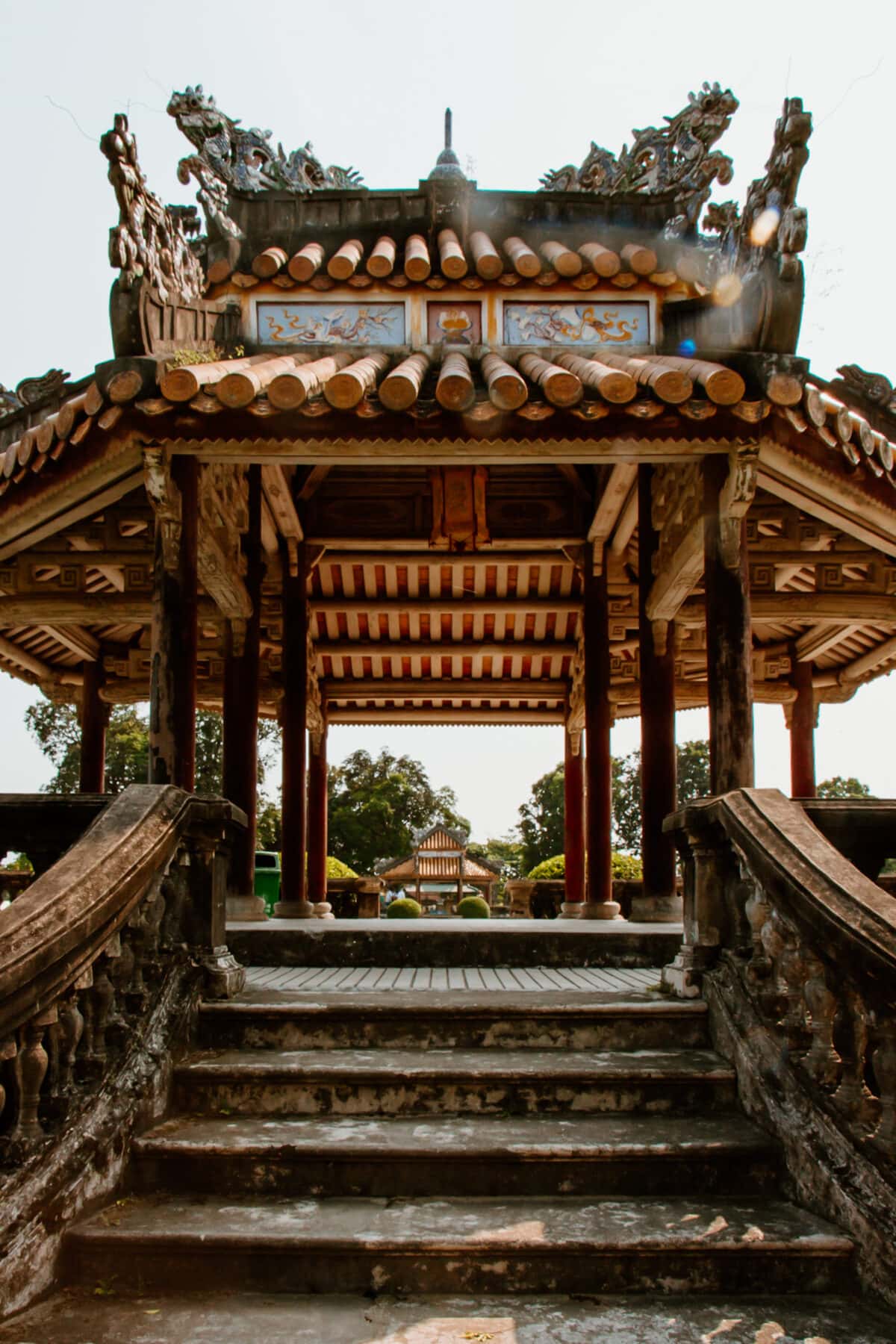
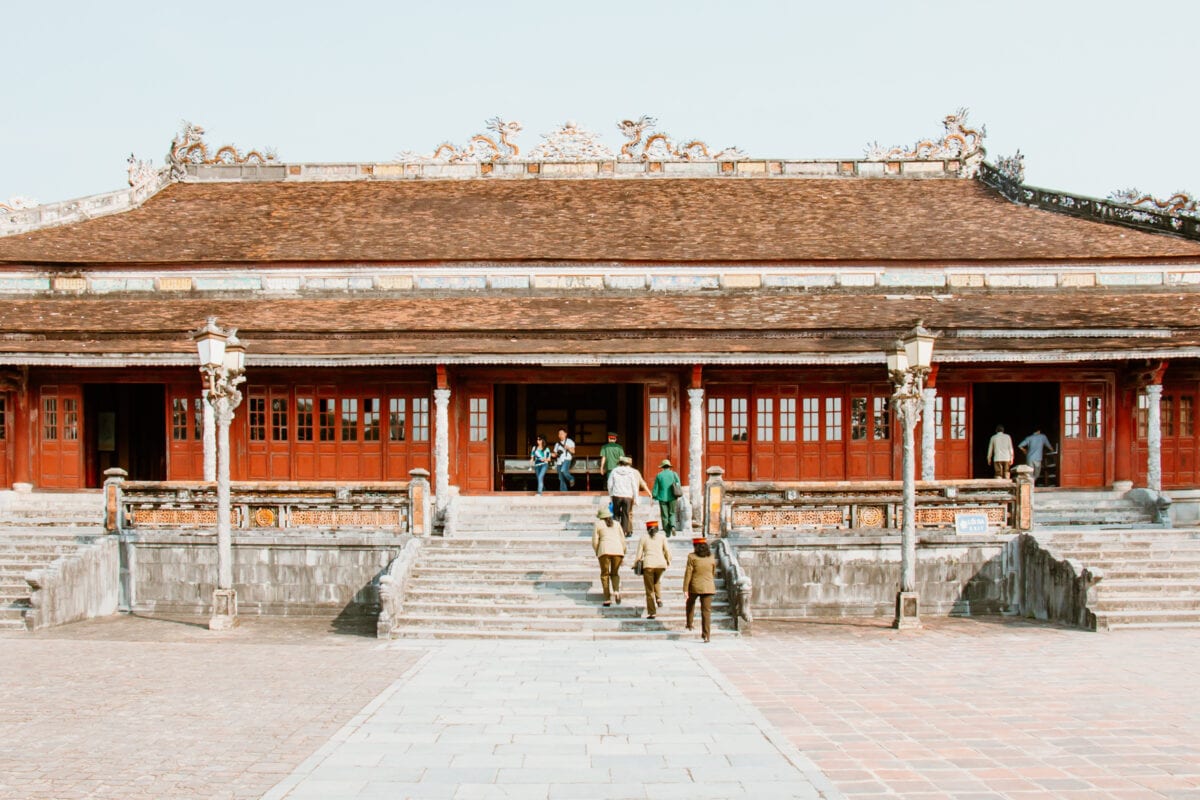
    hue sights citadel
    Hue sights Citadel
    Hue Sights

    The Forbidden City in Hue

    The citadel as a main attraction seemed to me rather uninspiring. Maybe I’m not interested enough in history after all. However, Huế didn’t bother to change that with his citadel either. Although the entrance fee of 150,000 Dong (approx. 6.20€) is very high by Vietnamese standards, the visitor can expect little.

    Hue Sights Forbidden City Red Doors
    Magnificent: Some buildings in the Forbidden City have been restored in recent years.

    Well, the reconstruction after the destruction during the Vietnam War, which has probably only really taken off a few years ago, is still taking place in many corners – but there is little explanation, there are no or only few signs (and if, then in Vietnamese), so that you learn nothing about the site without an extra hired tour guide or brought guide and stumble aimlessly through the site.

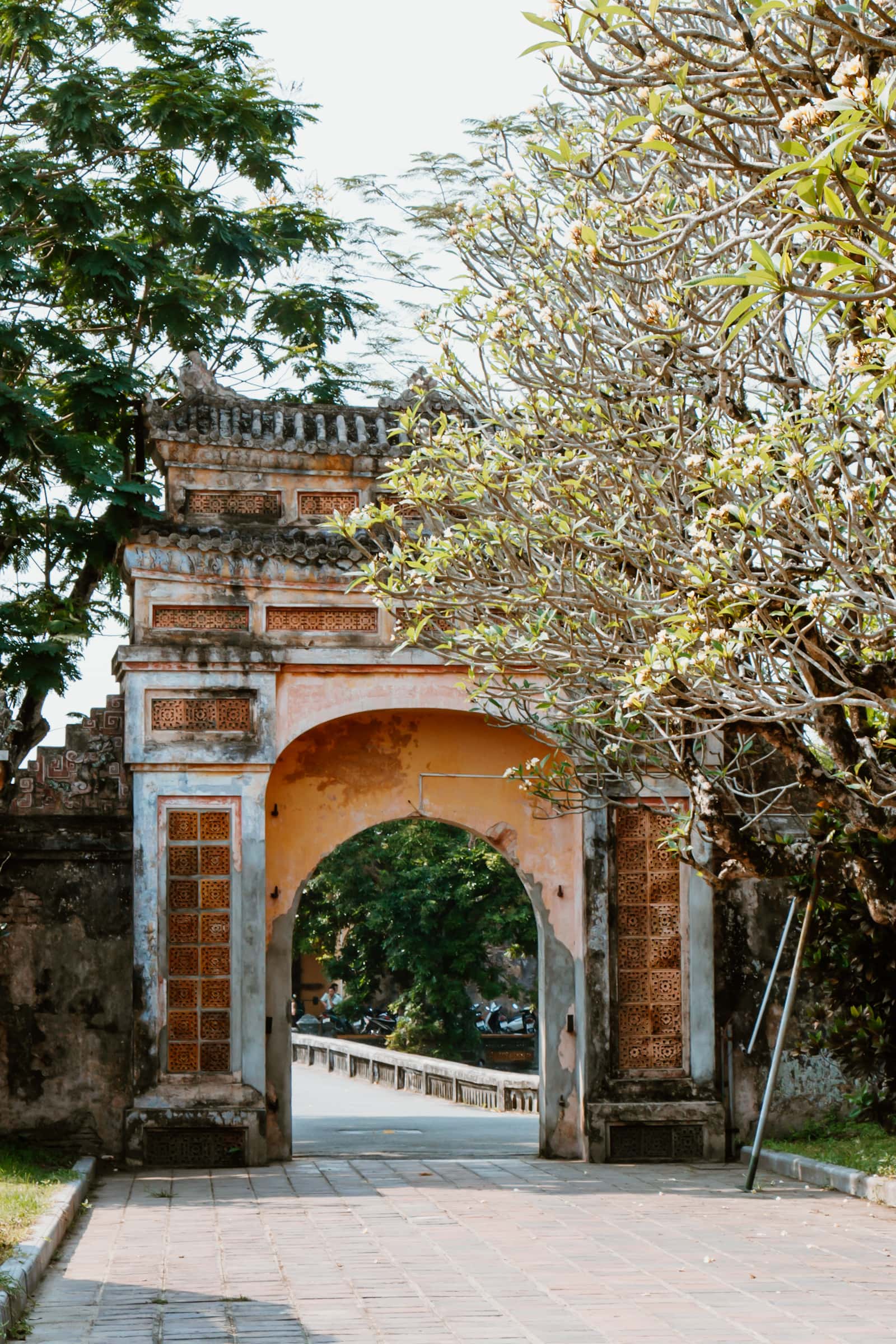
    Imperial City Hue Vietnam
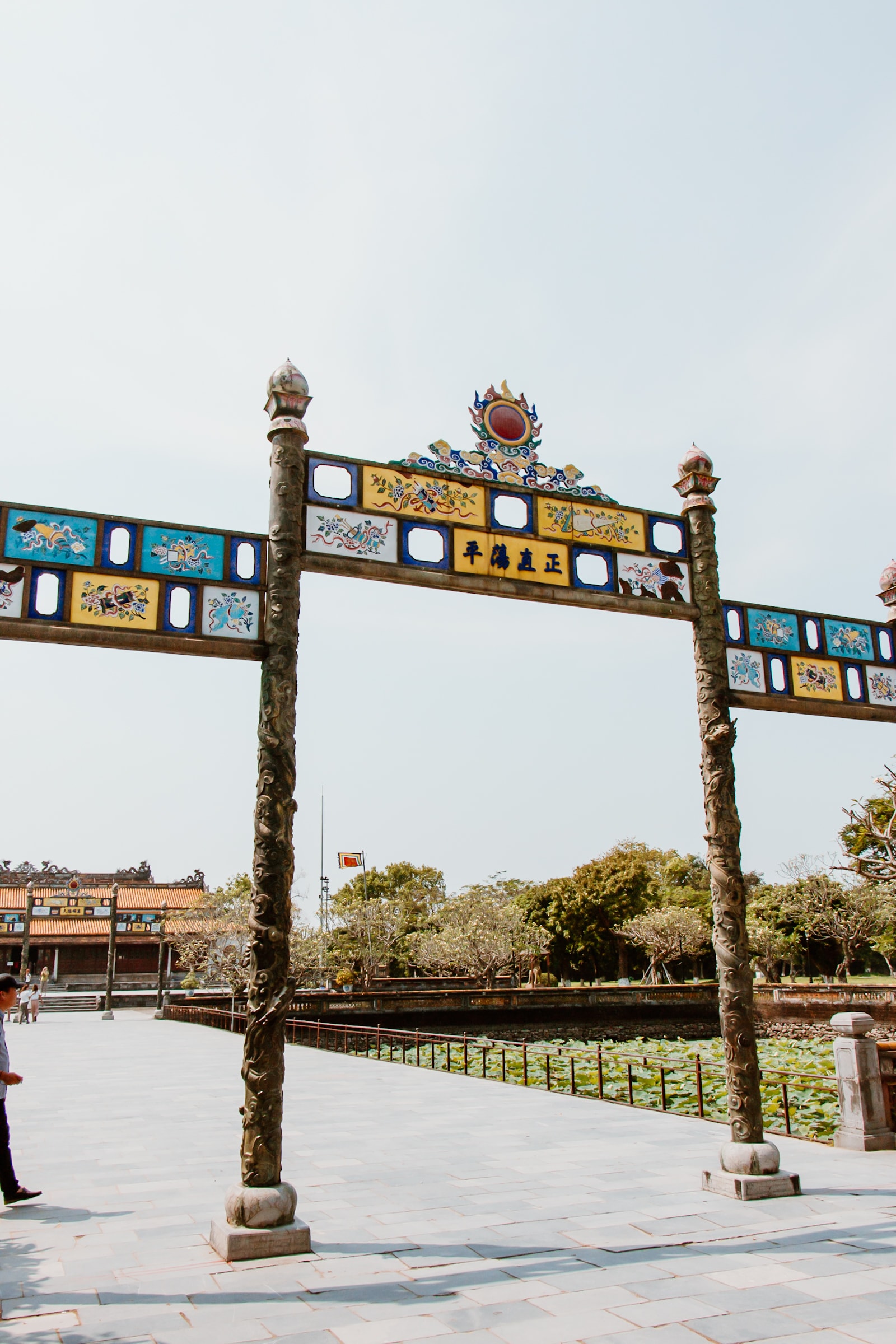
    Hue Sights Gate Forbidden City

    Planning a trip to Vietnam?
    ➜ Here you will find valuable tips for your trip to Vietnam

    Hue Citadel Forbidden City

    In the Forbidden City: Impressions & Pictures

    In the main building I finally found a TV in a corner, on which a small simulation was running in an endless loop, how the plant looked like in imperial Vietnam – that was something. Unfortunately, the midday sun also took its toll on me – there are few shady spots and the sun was just burning down on my skull. Good that I like hot temperatures. But it was still enough for a few nice impressions.
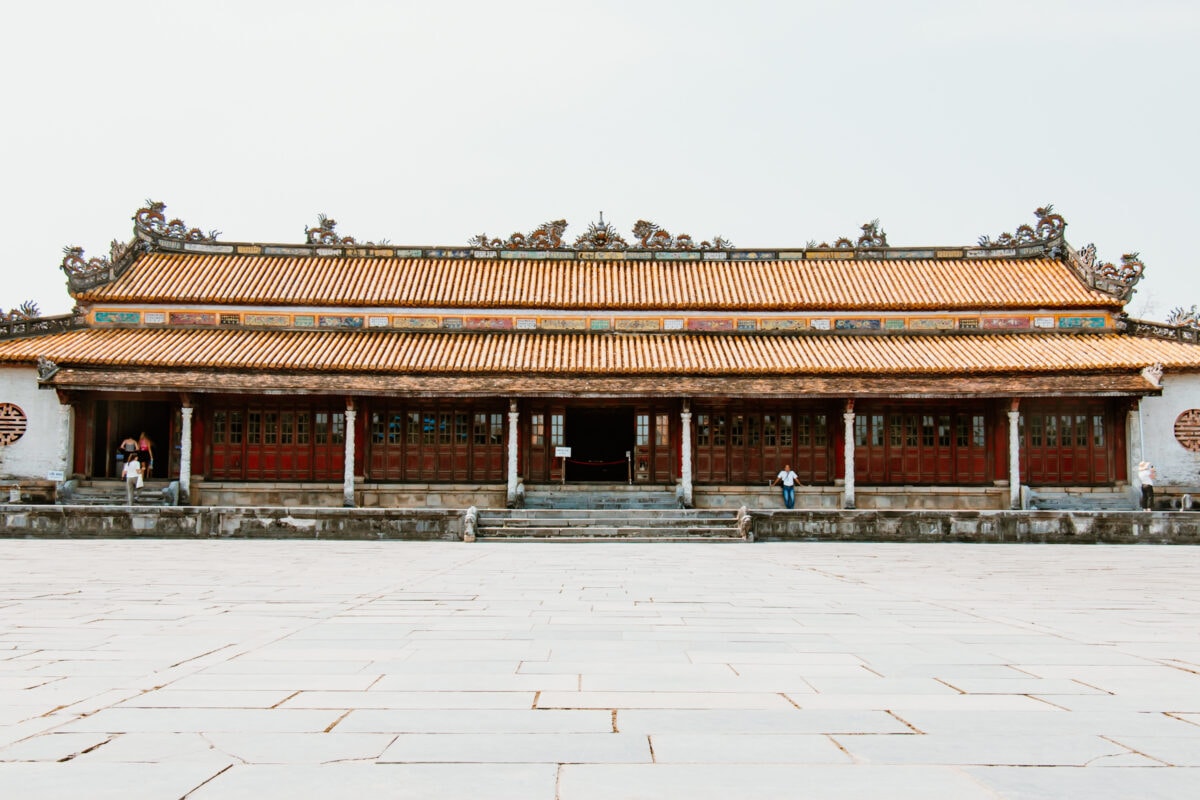
    Hue Vietnam Citadel Palace
    Hue Sights Forbidden City
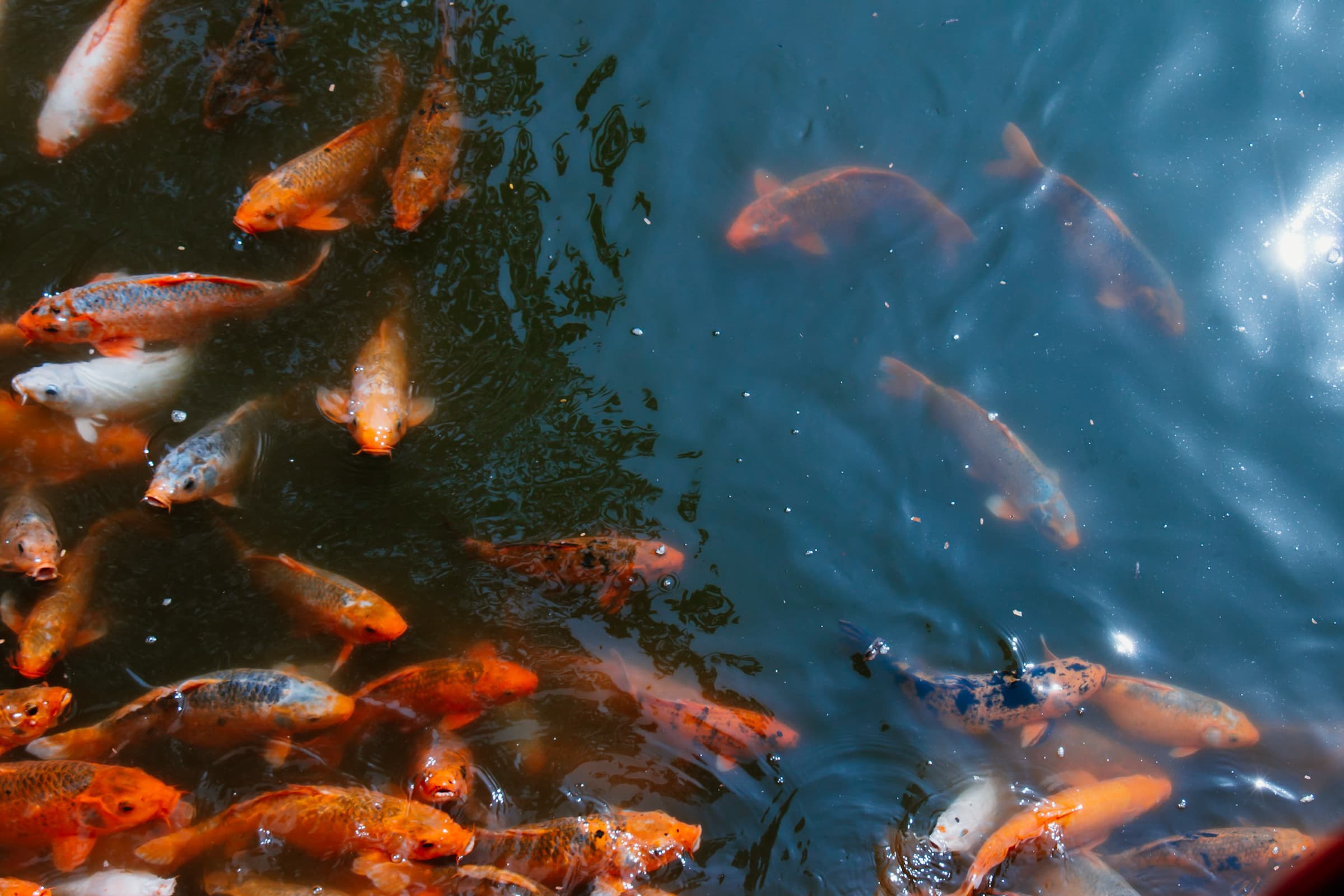
    Hue Forbidden City Pond Koi Carp

    Dressing up in the Forbidden City: Costume Rental & Photo Sessions

    Those who enjoy costume games can also have their picture taken in one of the buildings in an imperial outfit with a throne and all kinds of majestic paraphernalia:

    Information & entrance fees

    The Citadel, which includes the Forbidden City, is located on the north bank of the Perfume River and has been a UNESCO World Heritage Site since 1993. Admission costs 200,000 VND for adults; children between the ages of 7 and 12 pay 40,000 VND; and admission is free for children under 7.

    The site is open daily, from 6:30 a.m. to 5:30 p.m. during summer and from 7:00 a.m. to 5:00 p.m. in winter. Keep in mind, the grounds are extensive with minimal shade between the palaces and courtyards, making midday visits very hot. Visiting early in the morning is cooler and more comfortable.

    If you’re interested in visiting the Imperial Tombs, definitely consider the combo ticket—it’s a great deal! It costs 530,000 VND and gives you two days to explore both sites at your own pace. Alternatively, you might want to join a guided tour that covers both locations in just one day. The tour usually includes tickets and pickup from your hotel, making the whole experience smooth and convenient for you.

    Book a day tour to the Citadel, including the Forbidden City, and the Imperial Tomb with transportation

    [thj_promo slug=”hue-zitadelle-und-kaisergraeber”]

  • The Best Halong Bay Cruise from Hanoi, Vietnam

    The Best Halong Bay Cruise from Hanoi, Vietnam

    No visit to Hanoi without a tour to Halong Bay, that much was already certain. Somehow, a stamp like “Unesco World Heritage Site” is a decisive indication that you will miss something worth seeing here if you skip this place when planning your trip. And if you’re ever in Vietnam, you shouldn’t miss Halong Bay with its impressive karst rocks.

    2 days to Halong Bay from Hanoi

    I decided on a 2-day tour to Halong Bay with an overnight stay on the boat, meals included. Since I was traveling alone, I basically got only a “half” double room—if demand had been high, I would have had to share it with someone else. In the end, though, it wasn’t a problem; another solo traveler and I each ended up with our own cabin—which, by the way, wasn’t half bad. It really felt like a cruise.

    Cabin on a cruise in Halong Bay, Vietnam
    The interior of the cabin on the ship in Halong Bay: Not bad at all!

    Cruising through Halong Bay in Vietnam

    We set off early in the morning at 8. The bus ride in a rustic Vietnamese minivan took a good four hours, and aside from a bathroom break at a rest stop with an attached tourist trap in the form of an oversized souvenir shop, there was: nothing.

    Halong Bay Vietnam junk

    At the harbor in Halong City, we boarded a shuttle boat that took us to our junk. We settled into our rooms, and until lunchtime we were able to explore the boat and doze on the sun deck. Slowly, the ship picked up speed, and so did our group dynamic.

    Book your tour of Halong Bay

    No one had actually gotten the trip they’d booked; the original boat was either fully booked after all or otherwise unavailable. Instead, we got a great upgrade to this better ship—and as it quickly turned out, our stories were similar. My guess is that they’re trying to put together a suitable group rather than accommodating individual boat preferences. In our case, at any rate, the mix worked out well—a colorful group of people from all corners of the world—so the group was a good start. And slowly, the initial fog in Halong Bay began to lift.

    We were lucky: The sky cleared up more and more until not a single cloud was in sight, and everyone was over the moon. We toured a stalactite cave—it was big, but if you’ve visited other caves before, you might not be quite as blown away—we went kayaking, went for a swim in the evening sun, and climbed up to a super-high lookout point.

    Halong Bay Tour Boat Trip Vietnam

    Thanks to Alex and Maria, two well-prepared British girls with an almost inexhaustible supply of good gin, we also got the obligatory karaoke evening on the boat behind us and all together let the evening end on the sun deck under a starry sky in the mirror-smooth bay.

    Is a tour to Halong Bay worth it?

    Of course, you don’t sail through the entire, vast Halong Bay on this tour—but maybe that’s for the best. Environmental protection is a bit of a mixed bag in Vietnam. Dirty dishwater (I’d rather not think about the other stuff here), for example, simply flows out of the open galley door at the back of the ship and into the sea. With so many ships out there, that really adds up.

    Looking for more inspiration for your trip to Vietnam?
    ➜ All articles about Vietnam

    Which tour should you choose for Halong Bay?

    You don’t have to plan a trip from Hanoi very well – enough tour operators offer boat tours through Halong Bay in agency offices. Each hotel is also happy to help and acts as a tour office. Alternatively, you can book boat tours online in advance:

    How many days do you need?

    It’s a good idea to take the time to book a 3-day tour that includes a second night on Cat Ba Island—according to many fellow travelers I met along the way, it’s well worth it. I would strongly advise against the one-day tour. The four-hour bus ride feels like it goes on forever. Traveling this route both there and back in a single day is a real ordeal. And there’s hardly any time left to enjoy the bay itself.

    Book the 2-day tour to Halong Bay here

    Book the 3-day tour of Cat Ba here

  • Riding elephants in Thailand: Everything You Need to Know

    Riding elephants in Thailand: Everything You Need to Know

    You will come across it sooner or later on a Thailand trip: Elephant riding. Almost at every corner excursions to elephant camps are offered – and clueless as I was, I participated in one. When do you ever see an elephant up close? And may even touch him? Riding an elephant? And that riding elephants should be cruelty to animals did not even occur to me. Why should you? Horses are ridden, too, and no one cries out for cruelty to animals.

    Asian elephant chained up under a shelter in a tropical setting

    Riding elephants in Thailand: this is how it really is.

    But maybe I should have looked into the issue beforehand or inquired about the differences in each provider…. I just imagined how I could spend a day with elephants in Thailand, in one of the many elephant camps, feeding them, stroking them a bit and seeing such a big animal up close. And riding an elephant – although in retrospect I actually ask myself whether that really has to be done. But more on that in a moment.

    Two Asian elephants at an elephant camp in Thailand

    So I took an organized tour, recommended by the owners of my accommodation in Chiang Mai, to an elephant camp outside Chiang Mai. I trusted the judgment of my hosts, a young, cosmopolitan Thai couple. After all, they had even invited me to lunch once without any ulterior motives because they wanted to show me a great insider tip in Chiang Mai and we simply got on well.

    But as it is so often, sometimes locals have a different view on things or certain topics are not so prominent in everyday life. I asked if this tour was one of the “good” ones – yes, yes, no problem, you can bathe with the elephants there and everything is a bit touristy, but that’s the way it is.

    Elephants at Elephant Camp near Chiang Mai, Thailand

    Elephants in Thailand: life in elephant camps

    Unfortunately, the first impression was already telling. The camp itself was manageable, sandwiched between mountains and neighboring farmers. Kind of funny, I thought. There you go in the middle of the wilderness, and yet there is no room for the animals there. Elephants are not exactly small, they need to run around, don’t they?

    In general, I was overcome by a strange feeling of confinement when I saw the first elephant swaying strangely absent-mindedly back and forth with not exactly comfortable-looking anklets. He didn’t look happy. Okay, I put what I had seen aside for the moment. After all, there were elephants here. All free! (Haha. I thought so later.)

    Looking for more reports about Thailand?
    Here you will find lots of tips & guides about one of my favorite travel destinations

    Dealing with elephants as a mahout: The language of elephants

    We slipped into the mahout outfits we’d rented there. A mahout is an elephant trainer who uses body language to tell the elephant what to do. Oh, how wonderful, I thought. You can make friends with an elephant just through body language. They’re really nice to the animals here in Thailand. (Haha, again.)

    Mahout with elephant in elephant camp in Chiang Mai
    A mahout shows us the trunk of a young elephant.
    Mahout with soap for elephants, bathing with elephants in Thailand
    Natural soap including bath sponge for bathing with the elephants

    First, there was an introduction to elephant language. Things like “Sit,” “Down,” and “Give me your trunk.” It was absolutely adorable—until the first hook came into play: If an elephant didn’t move, one of the handlers would pull out a long, pointed metal hook, and that’s when things got rough for the elephant. I was a little shocked. Our guide was apparently already familiar with that look of disbelief from startled tourists and immediately explained that it didn’t bother the elephants at all—they don’t feel a thing because of their thick skin. I pushed the thought of animal cruelty aside.

    Bathing with elephants: An unforgettable experience.

    What can I say? Part of me actually wanted to believe him, because what followed was a once-in-a-lifetime experience for me: I rode barefoot, with nothing on, on an elephant! I went swimming with “my” elephant! I was so fascinated by the size and calmness of such a huge animal! It was amazing.

    People are washing elephants in a river in Thailand
    A woman bathes an elephant in a river in Asia

    Elephants in Thailand: The negative side

    But I just couldn’t shake those negative impressions. I felt as if I had been part of something not so nice and had played a part in causing such wonderful animals to suffer. Because something wasn’t right at that camp. Even though I’m no elephant expert, I know that happy animals look different. That metal hook that was constantly used, the anklets, the sad elephant eyes, the abraded skin….

    And do you really have to be right on an animal’s neck just because you want to ride it for a few meters? For those in my group who didn’t want to ride the elephant without any support, a rickety metal chair was strapped onto the elephant’s back—a contraption that didn’t exactly look comfortable for the elephant either. Later, I found out that these chairs cause serious injuries to the elephants.

    How can I see elephants in Thailand without a guilty conscience?

    I would not want to miss this experience, yet my memory of this day will also always be associated with shame. I would advise anyone not to be as foolish and ignorant as I was and go on a trip like that. There are said to be elephant camps that take much better care of their elephants.

    You don’t ride the elephants there either—but then again, there’s no need to. You won’t find that terrible catch either; at least, it isn’t obviously used. And yet you can still enjoy being up close to these amazing animals!

    Elephant in an enclosure against a backdrop of green mountains in Asia

    How to find “good” elephant camps in Thailand

    “Good” Elephant camps, however, are hard to find. Because meanwhile also the operators know that ever more tourists insist on a kind-fair attitude – and the black sheep under the elephant camps fib quite beautifully and arrange superficially total animal love.

    Therefore, do not be impressed by low prices! In these camps, less is invested in the animals, and even though people don’t ride them there, they are still marketed as a tourist attraction and are sometimes secretly kept in check with hooks and other devices.

    The Elephant Retirement Park is very well known in the area near Chiang Mai. There, visitors don’t ride the elephants; instead, they get to experience them in a natural, caring environment.

    Book a trip to the Elephant Retirement Park* here

    Elephant baby in Thailand
  • What to Do in Gdansk in Winter

    What to Do in Gdansk in Winter

    Gdańsk’s Old Town is arguably one of the most beautiful medieval-style city centers in Poland—and it has undergone extensive restoration in recent years. The narrow patrician houses lining the Old Town’s main street, Langgasse or Lange Gasse (Ulica Dluga), bear witness to Gdańsk’s former splendor.

    Is Gdansk worth a visit in winter?

    In winter, the old town of Gdansk is often deserted. This is in stark contrast to summer, when crowds of tourists push their way through the streets. In addition, it is usually freezing cold – not for the faint-hearted. But the atmosphere is unique. You just need to wrap up well.

    Colorful historic townhouses in Gdańsk's Old Town

    Winter in Gdansk: beautiful even in cold temperatures

    Everything lies dormant in winter slumber, and a chill is in the air everywhere—a very special atmosphere takes hold. After all, Gdańsk lies almost on the Baltic Sea, in the very north of Poland; the cold wind whistles past your ears everywhere you go. If you walk a bit outside the Old Town, the surroundings become even rougher, but also more interesting. From old warships in the harbor basin to gray tenement buildings—Gdańsk has its beautiful sides even in winter.

    Gdansk's historic Old Town with colorful houses and pedestrians

    Find out more about Poland here:
    Travel reports & tips for Poland

    How to get to Gdansk

    There are numerous flight connections to Gdansk. The airport is also close to the city center and well connected by public transport.

    Depending on which part of Germany you’re coming from, you might also want to consider taking a long-distance bus like Flixbus (though I personally find that too tiring for such long trips) or traveling by train. From Berlin, for example, there’s a direct train connection to Gdańsk that takes just 6 hours.

    ➜ Flights to Gdańsk are available from airlines such as Eurowings, Lufthansa, LOT, Wizz Air, and Ryanair

    A blue gate with colorful graffiti between old brick walls in winter

    Where to stay in Gdansk

    The city center of Gdansk isn’t that huge, and most of the sights are in the Main City or on the nearby island Wyspa Spichrzów. There you will also find accommodations for every budget.

    ➜ Check prices and availability here

    Historic brick building in Gdańsk with an exhibition poster


  • Bangkok: The Golden Buddha in Wat Traimit

    Bangkok: The Golden Buddha in Wat Traimit

    You’ve probably seen them before: the magnificently decorated temples for which Bangkok is so famous. The Thai capital is home to over 400 Buddhist temples, many of which are absolute architectural masterpieces. Whether magnificent royal temples with golden towers or small hidden sanctuaries in quiet side streets: Each temple gives you fascinating insights into Buddhist culture and Thailand’s long history.

    Bangkok and its impressive temples

    The most famous temples such as Wat Phra Kaew with the Emerald Buddha, Wat Pho with the giant reclining Buddha or Wat Arun on the Chao Phraya should not be missed on any trip to Bangkok. But even lesser-known temples have their very own charm and are often less crowded.

    Check out all the articles about Bangkok right here

    A particular highlight is Wat Traimit with its legendary Golden Buddha. This temple may appear more inconspicuous from the outside than the large magnificent buildings, but inside it holds an absolutely unique treasure – the world’s largest solid gold statue of a seated Buddha.

    Where to find the Golden Buddha in Bangkok

    The Golden Buddha in Bangkok is housed in the Wat Traimit temple, which can easily be combined with a visit to nearby Chinatown. If you’re looking for a little exercise while sightseeing, there are a few steep steps to climb up to Wat Traimit. Once inside, you’ll find the stunning Golden Buddha, made entirely of pure gold, shimmering and gleaming beautifully.

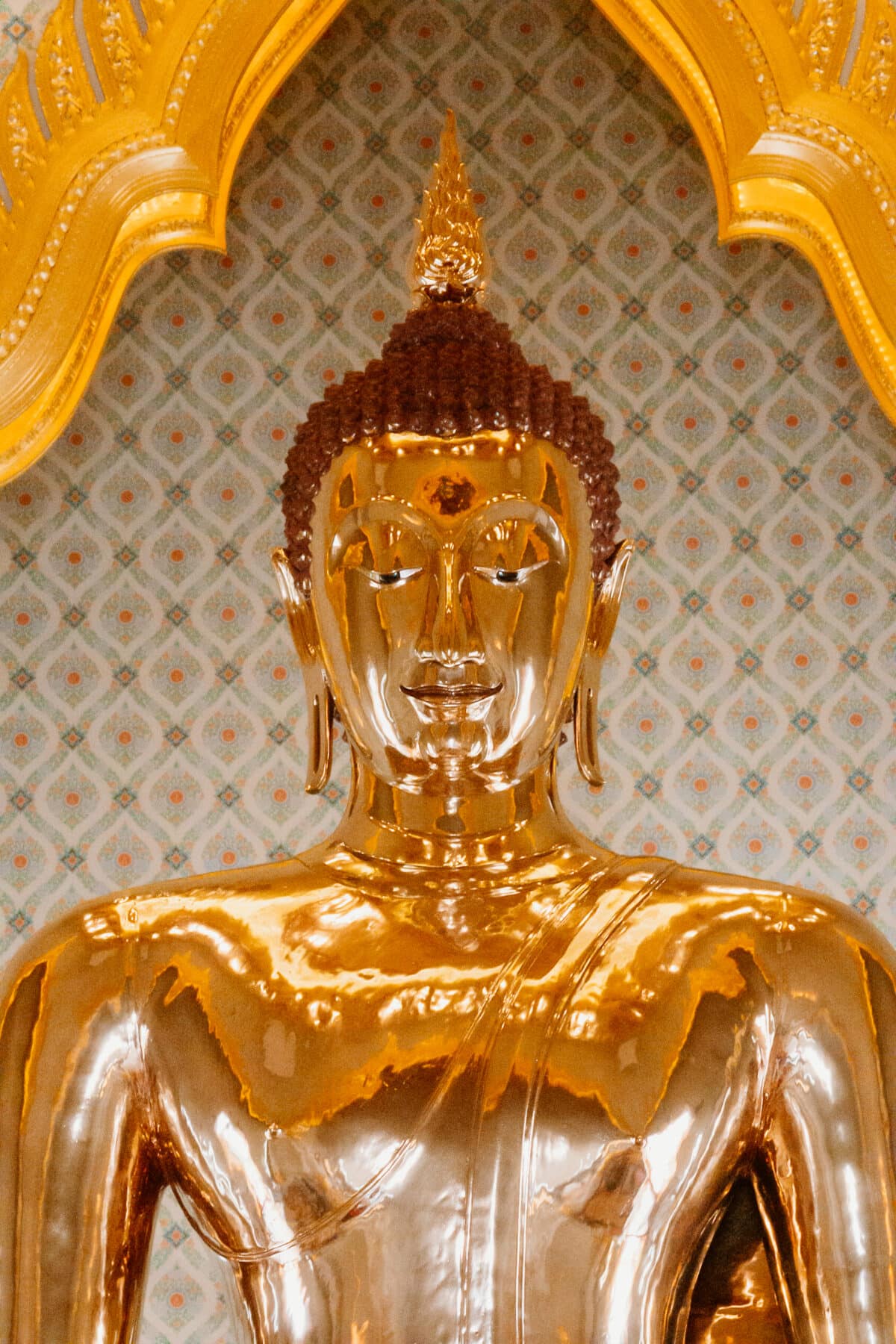
    Golden Buddha statue in a Thai temple
    The Golden Buddha in Bangkok: made entirely of gold!

    Facts about the Golden Buddha at Wat Traimit in Bangkok

    The Buddha is not only called the “Golden Buddha” – it is actually made almost entirely of gold! Weighing over 5 tons and worth around 250 million US dollars, it stands in the open, without any special safety precautions, in the small temple at the top of the building. Fascinating. Once more, your first impression might be right: first, Thais hold their religion in high regard, and second, theft is heavily disapproved of — making people feel much safer here compared to many other countries.

    Important rules for visiting the temple

    As in all temples, if you want to see the Golden Buddha up close at Wat Traimit, take off your shoes and cover your shoulders and knees. After all, temples are religious sites that should be respected. Even though the weather in Thailand often calls for light clothing, you should refrain from wearing shorts and tank tops when visiting temples.

    You can find more inspiration for your trip in my
    Thailand blog

    However, in Wat Traimit – as in most temples popular with tourists – there is a small clothes stall with scarves and shawls, which you can help yourself to for a small donation. The stall is located right at the top of the temple.

    Golden Buddhist temple in Bangkok with white columns

    Chinatown in Bangkok

    From Wat Traimit you also have a great view of the gateway to Bangkok’s Chinatown, an exciting district that you should definitely visit in conjunction with the Golden Buddha.

    Chinatown is one of Bangkok’s oldest and liveliest districts. The streets are lined with traditional stores, cookshops and gold stores, which are particularly lively and brightly lit in the evenings. Here you can sample authentic street food and get to know the life of Bangkok’s Chinese community.

    Chinese gate in Bangkok's Chinatown with red columns

    Other temples worth seeing in Bangkok

    If a Golden Buddha is not enough, perhaps a private temple tour through Bangkok is something for you! There you will not only visit the temples, but also get a lot of background information:

    Book a tour of Bangkok’s most beautiful temples here*

    In addition to Wat Traimit, there are many other impressive temples in Bangkok that you should not miss. Wat Pho is home to the famous reclining Buddha, which is one of the most impressive Buddha statues in the world, measuring 46 meters in length.

    Wat Arun, also known as the Temple of Dawn, stands out with its striking prang (tower) on the banks of the Chao Phraya River and is a magical sight, especially at sunset.

  • The Best Cooking Class in Chiang Mai, Thailand

    The Best Cooking Class in Chiang Mai, Thailand

    At first I thought, hmm, a cooking class in Thailand… is that really necessary? It’s bound to be expensive and won’t be any fun anyway. Think again! Thai cuisine isn’t just delicious—it’s also easy to recreate at home. You just have to get used to the unfamiliar ingredients at first. And the best way to do that is in one of the many cooking schools. I chose a cooking class in Chiang Mai. In this post, I’ll tell you what it was like to cook Thai food properly for once.

    ➜ Click here to book your cooking class in Chiang Mai*

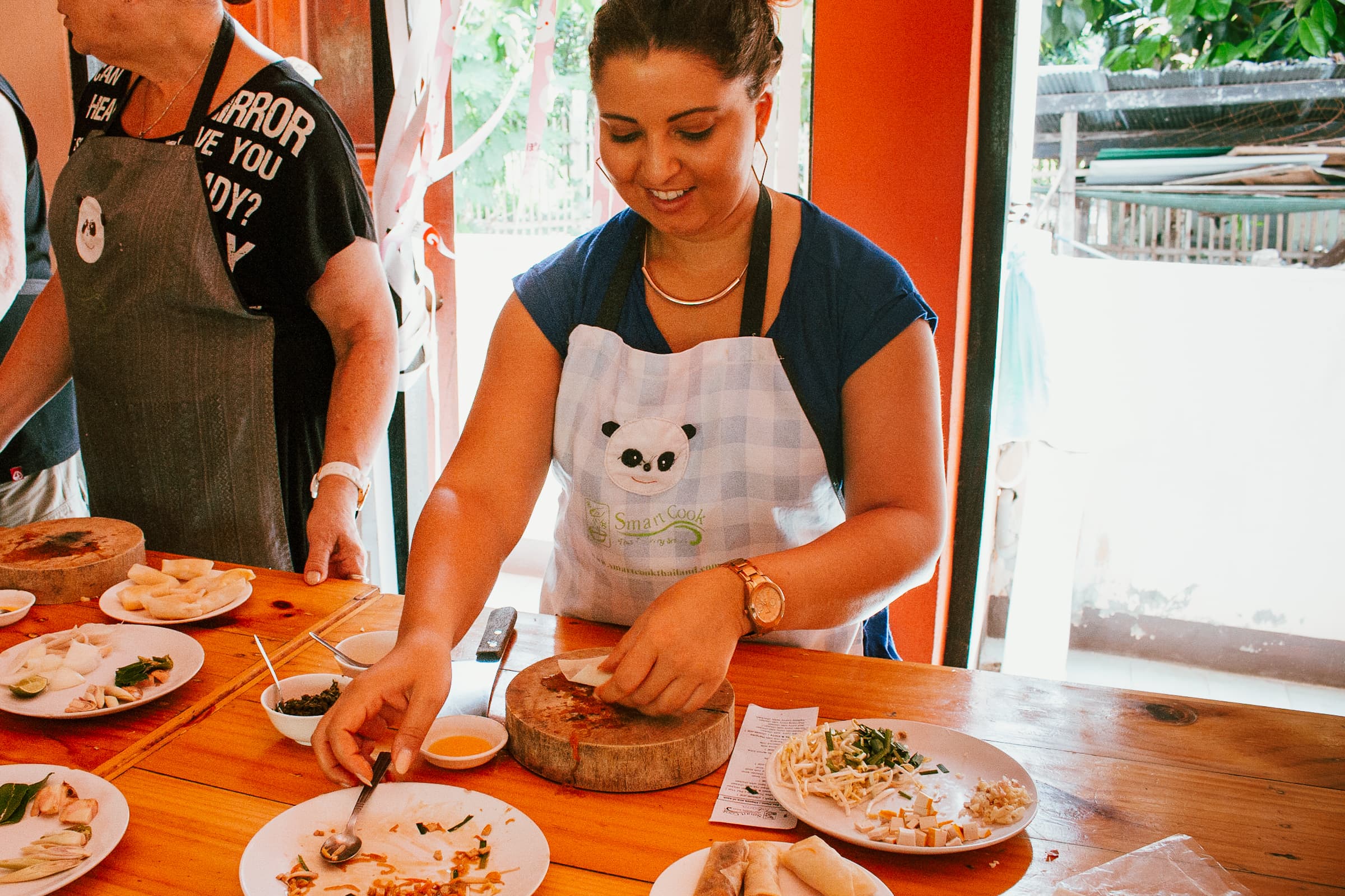
    A woman wearing an apron prepares food during a Thai cooking class

    Why take a cooking course in Thailand?

    Cooking courses are available on every corner in Thailand at reasonable prices. When you consider that you get to taste and eat everything and get a huge meal for the day, the cooking course in Chiang Mai is actually a bargain. And it’s fun too – at least I got a great group with whom the day flew by.

    You will get to know the ingredients that you usually only see prepared and can later cook your favorite dish on your own at home: After the cooking course, galangal, lemongrass and kaffir lime leaves will no longer be foreign words to you!

    Cooking Course Chiang Mai Cooking in Wok

    Make your own fresh Thai curry paste

    Who would have thought it was so easy to make your very own curry paste for your typical Thai curry? In the cooking class you will be shown the main ingredients and which ones to use for a red, yellow or green curry paste.

    Put everything together in the mortar, grind well and enjoy the rising aroma! You can add more or less chili as you wish and voilà: Your homemade curry paste is ready. With just a few simple steps, you can conjure up a great ingredient for cooking real Thai curries.

    ➜ Recipe for a homemade curry paste

    Stone mortar with turmeric, onions, and spices
    Plate with fresh food, cleaver and wooden board.
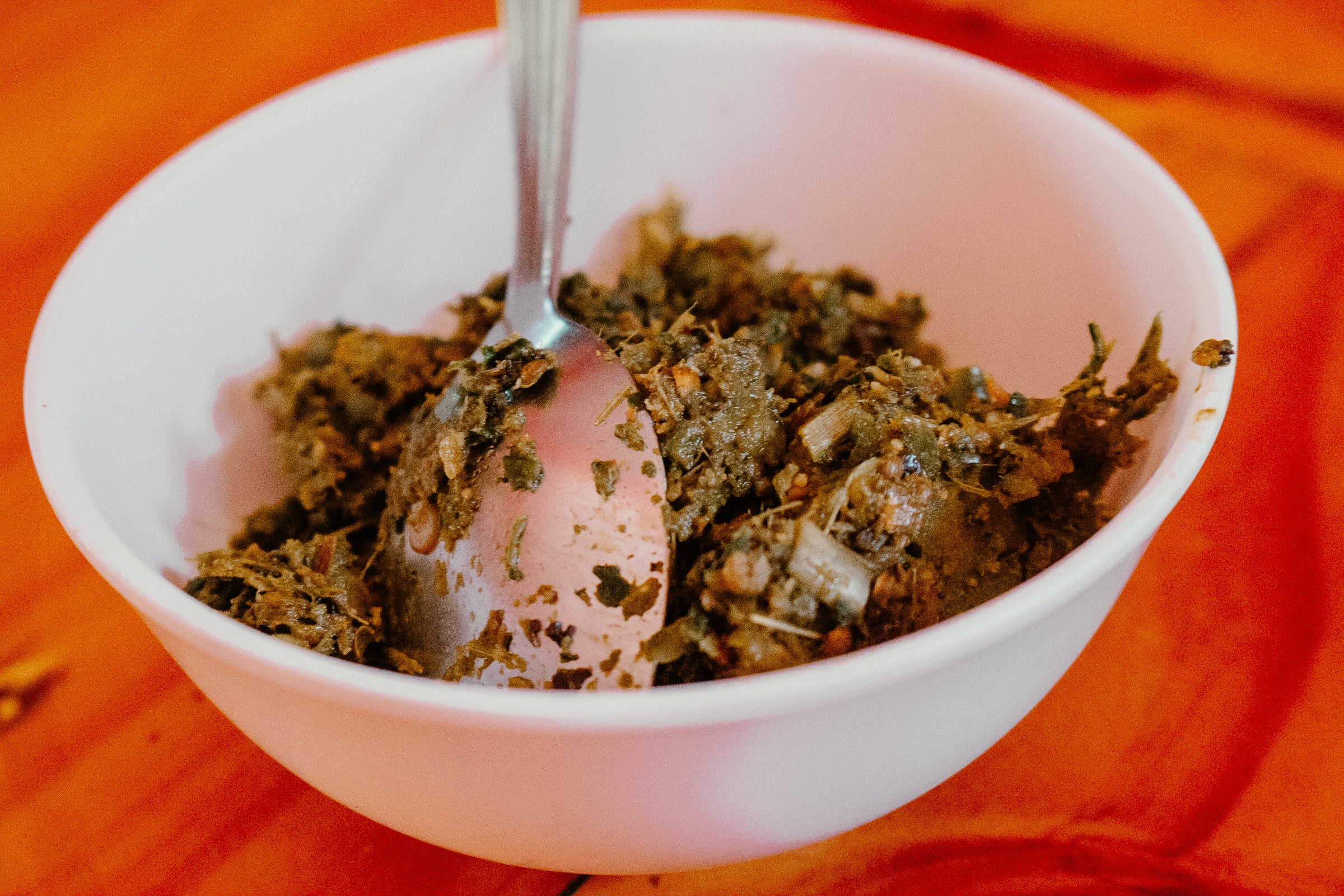
    White bowl with a spicy herb mixture and a spoon

    The most popular Thai dishes from Tom Kha Gai to Thai Curry

    From Pad Thai to your own homemade curry: you can choose your favorite typical Thai dishes from a list. It is best to choose different ones in a group; then you can try them together. Super delicious and easy to recreate at home. We got a small recipe book for free with our cooking course in Chiang Mai.

    Crispy spring rolls with red chili sauce on a white plate
    Spring rolls are really easy once you get the hang of them.

    Are you planning a trip to Thailand?
    You can find more tips for this great country in Southeast Asia here

    White coconut soup in a bowl with a black spoon
    My very first Tom Kha Gai soup. A little pale – but soooo delicious!

    Cooking course on a farm in Chiang Mai

    My tip for a Thai cooking class in Chiang Mai: Some providers offer their cooking classes on farms outside the city center. The area around Chiang Mai is super green and very scenic! This way you get a bit out of the city and can enjoy the fresh country air. My course even included a ride on a local train.

    ➜ Book your cooking course on a farm near Chiang Mai here*

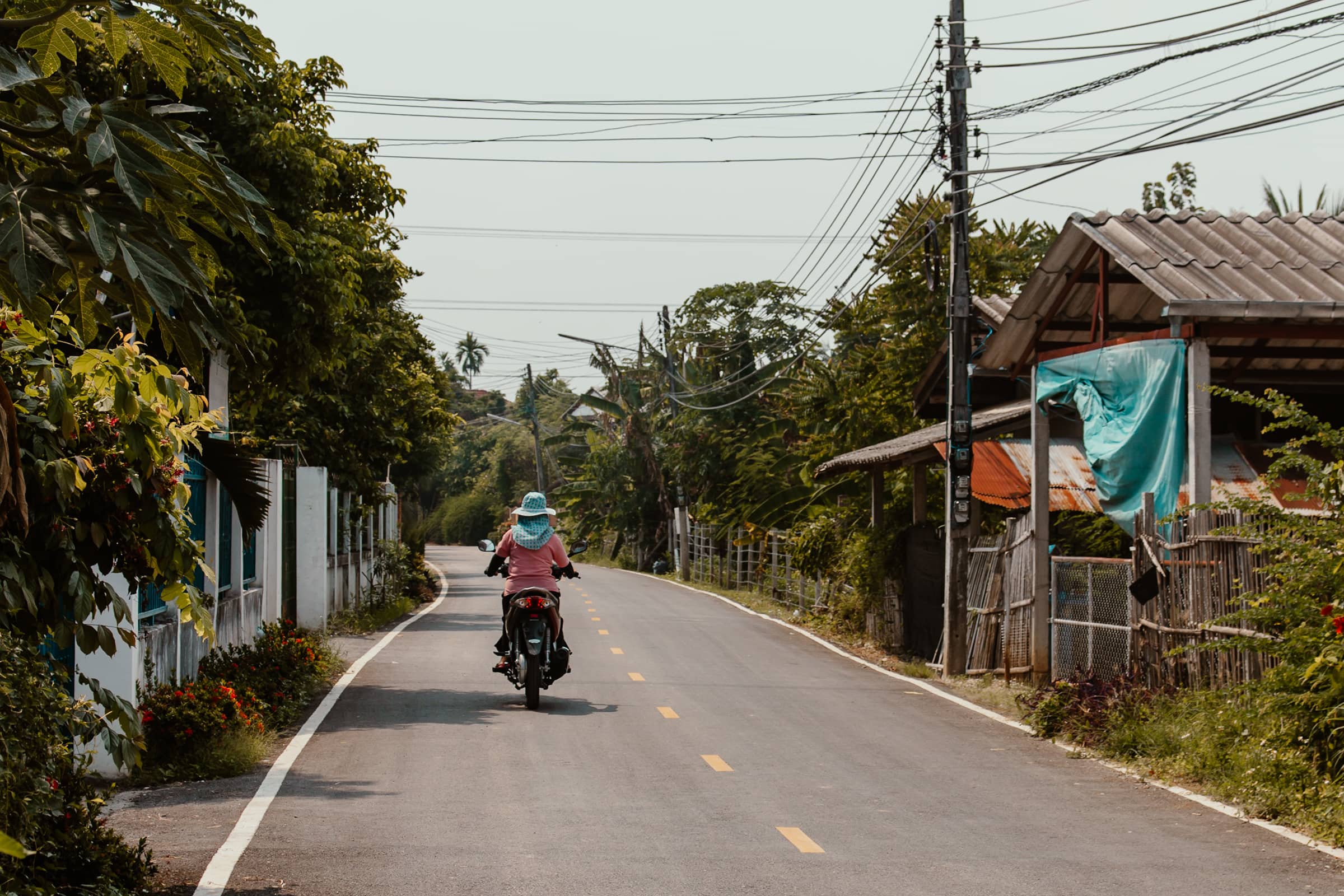
    Motorcyclist on a rural road in Southeast Asia lined with vegetation
    Country life in Thailand: During the lunch break of the cooking course, the surroundings are explored.

    During the lunch break, we were able to borrow one of the (rickety, but numerous) bicycles and explore the area around the farm on our own. Real country life in Thailand! The area around Chiang Mai is very rural and offers a great contrast to the bustling city. So you can get to know a little more authentic Thailand at the same time.

    What makes a good cooking course in Thailand?

    The following is included in most cooking courses:

    • A visit to the local market before the actual cooking: this way you will get to know all the important ingredients in their raw state and will be able tobuy themon your own nexttime, even if you don’t speak the language.
    • All ingredients for cooking and simple drinks
    • A 3- to 4-course menu – you can often choose one of several dishesto cook. It’s best to take different ones in a group, so everyone can have a go at each one.
    • A small recipe book with all the recipes from the course. So you can also cook the dishes at home. You can also find many of the ingredients in Asian supermarkets here in Germany.

    You can take a cooking course in many other cities in Thailand.
    You can find a good cooking school on almost every corner.
    ➜ C ooking course Bangkok*
    ➜ Cooking course Phuket*
    ➜ Cooking course Krabi*

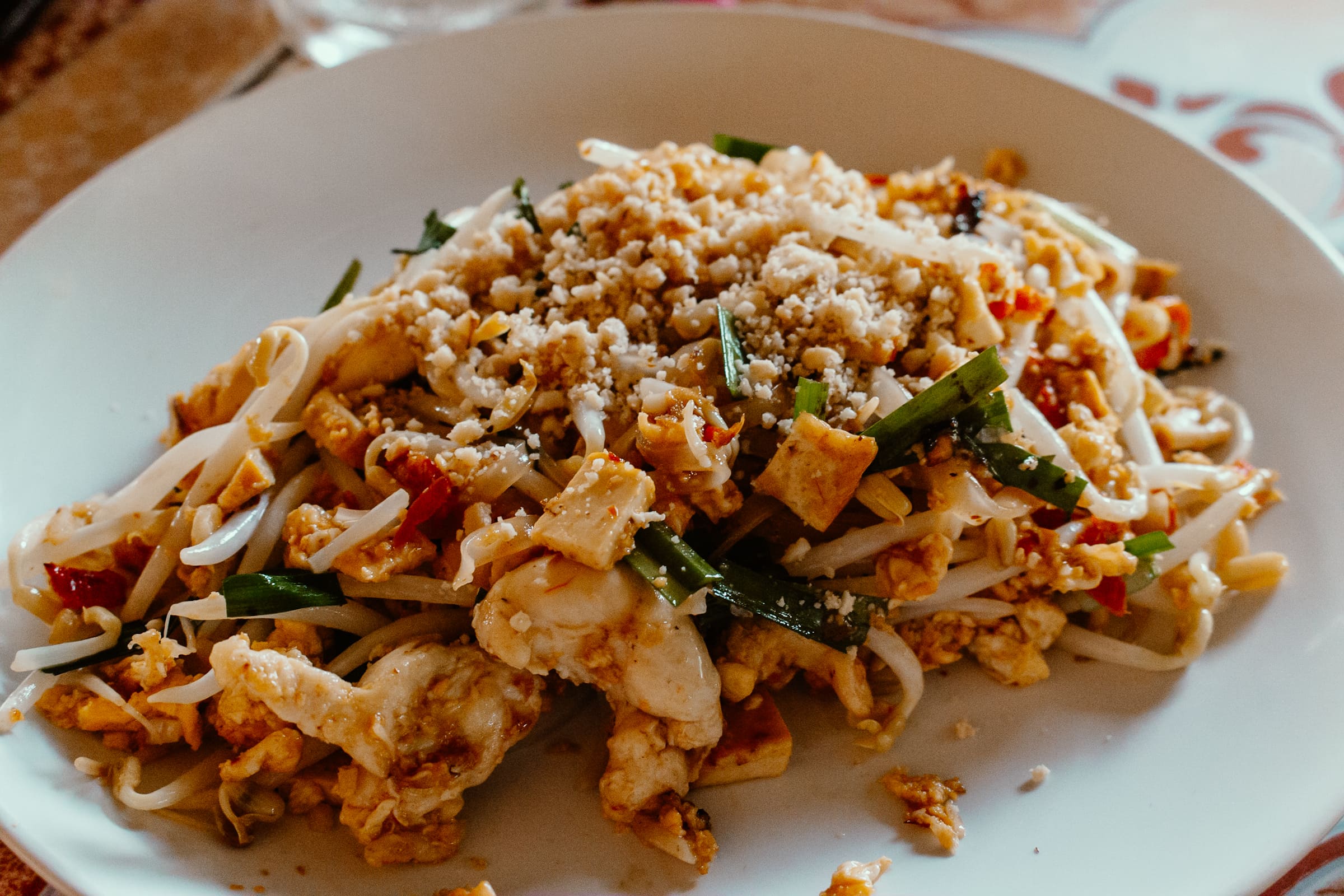
    A plate of Thai food on a table during a cooking class in Thailand.

    The best places to stay in Chiang Mai

    You’ll be surprised by the selection: There are so many affordable yet stylish places to stay in Chiang Mai. I highly recommend the Heyha Guesthouse!

    It is located a little away from the tourist center in a quieter residential area. But you can rent bicycles there and you’ll be in the old town in no time. The owners, a young Thai couple, are also super nice, helpful and very hospitable: you immediately feel at home.

    Check prices and availability at Heyha Guesthouse

This site is registered on wpml.org as a development site. Switch to a production site key to remove this banner.