If you spend a few days in downtown Vancouver, you’ll see them all the time: small propeller planes gliding over Coal Harbour every minute, touching down on the water, and taking off again toward the mountains shortly afterward. Seaplanes are as much a part of the cityscape here as the skyline itself—Vancouver has one of the busiest seaplane harbors in the world, right in the heart of downtown.
Right in the Heart of Downtown: Departure from Coal Harbour
Harbour Air is the name of the airline whose seaplanes keep Vancouver Harbor bustling with activity. In addition to sightseeing flights, you can also take regular scheduled flights on a seaplane. In addition to ferries and “regular” airplanes, seaplanes are a common mode of transportation in Vancouver for longer trips within British Columbia or even as far as Seattle. Conveniently, the departure point in Vancouver is right in the heart of downtown. The Vancouver Harbour Flight Centre is located right next to the large cruise terminal at Canada Place.
For the 30-minute scenic flight, you’ll check in at a small departure lounge (usually 40 minutes beforehand), and then head out to the jet bridges to board the plane shortly before departure. The flights are operated by small De Havilland propeller planes that can seat up to 19 passengers. I flew on a 14-seat DHC-3 Single Otter, and even though I’m used to flying on small commercial planes, it was still incredibly exciting.
A Flight Over Vancouver in a Seaplane
I was feeling a bit down before my flight. My first few days in Vancouver were so sunny that I even caught a mild sunstroke! (Next time, don’t forget to wear good sunscreen, even if it doesn’t seem that hot!) Sadly, the weather on my departure day wasn’t as nice, and since I couldn’t change my reservation, I had to take the flight on that day anyway.
However, my mood brightened again quickly because, even without sunshine, the whole flight turned into a wonderful experience. It was my first time flying in a seaplane, and the fact that we took off and landed on water was so exciting and unique that it made the flight truly unforgettable.
Vancouver: Surrounded by Unspoiled Nature
The scenic flight is officially advertised as 30 minutes, but the actual flight lasts only 20 minutes. Nonetheless, it’s enough time to enjoy Vancouver’s unique beauty. Soon after takeoff, the plane starts to circle over stunning scenery: rugged mountains, vibrant green hills, and a fjord-like landscape that resembles Norway. Vancouver is truly encircled by pristine nature.
Vancouver’s Skyline
Our pilot quickly turned the plane around, circling downtown and the harbor. It felt like he was eager to remind us of the beautiful contrast once again: Vancouver’s skyline is truly impressive. Plus, we got lovely views of BC Place Stadium and the expansive harbor filled with countless containers.
How and when to book: Sightseeing flights are in high demand during the summer and cruise season—it’s best to make a reservation a few days in advance.
What about the weather? Flights operate under visual flight rules. If low clouds or strong winds occur, the flight might be delayed; therefore, avoid booking the sightseeing flight on your last day.
What are the costs of a sightseeing flight? It’s not exactly cheap—expect to pay about 150 CA$ (100€) for a 30-minute trip. In my opinion, it was worth every cent, and considering Vancouver’s typically high living expenses, the cost didn’t feel as steep once I was there.
Are the planes safe? I didn’t have any safety concerns. However, if you’re very afraid of flying, this scenic flight might not be suitable for you. The planes are small, so you can feel every turn, and the cabin noise could add to stress. Still, the flight lasts only about 20 minutes. Overall, the view from above is truly breathtaking.
Where To Stay in Vancouver: My Recommendation
Vancouver can be pricey, and good tips make a big difference! I suggest checking out The Burrard in downtown Vancouver—a charming spot that used to be a 1950s motel, complete with retro style, a lovely courtyard filled with palm trees, and surprisingly affordable prices by local standards. Plus, it’s just about a 20-minute walk to the seaplane terminal at Canada Place.
More Than Just a Sightseeing Flight: Traveling to Vancouver Island by Seaplane
Harbour Air isn’t only a sightseeing airline; it also offers scheduled flights across British Columbia. From the downtown Vancouver terminal, you can regularly fly to Victoria, Nanaimo, Tofino, and Whistler, with seasonal flights to Seattle as well. The trip to Victoria lasts roughly 35 minutes and lands directly in the Inner Harbour, making it the quickest way to reach Vancouver Island—from city center to city center.
These small seaplanes are highly sensitive to weight, so they require strict baggage limits. The amount of baggage allowed depends on your fare, with every item weighed, including the smallest bags. If you have a lot of luggage, confirm whether you can take everything and book early. Luggage space is very limited. Harbour Air’s baggage policies
Alternative Option: Taking the Ferry to Vancouver Island
Recently, there have been several changes to the ferry services. The traditional choice remains BC Ferries’ car ferries, but they don’t depart from downtown. Instead, departures take place from Horseshoe Bay (West Vancouver) and Tsawwassen, both about an hour away from downtown by bus or car.
If you’re traveling without a car, there’s now a much more convenient option: Since 2023, the hullo express ferry has been providing a direct connection between downtown Vancouver and downtown Nanaimo in approximately 70 minutes, serving as a passenger-only ferry.
The best part is that the ferry leaves from Canada Place, right next to the seaplane terminal. This means you don’t have to drive all the way out to Horseshoe Bay anymore—you can hop aboard right in the middle of downtown! For those walking to Vancouver Island, this is currently the simplest way to get there, and it’s especially more comfortable with luggage compared to taking a seaplane. I personally used the Hullo Ferry to travel from Vancouver to Vancouver Island, and I found it very easy and enjoyable.
Is the Seaplane Sightseeing Flight Worth It?
In my opinion, no trip to Vancouver is complete without a seaplane flight. Even though the weather wasn’t perfect during my visit, the whole experience was unforgettable.
It offers a chance to experience Vancouver’s stunning location—surrounded by rainforest, ocean, and mountains—and the thrill of taking off and landing on water. Although it’s quite costly for such a brief flight, it’s a memorable experience that’s definitely worth the expense and will leave a lasting impression.
Disclaimer: I traveled to the Pacific Northwest on behalf of Travellers Insight, Munich Airport’s online magazine. You can read more about Vancouver in this article —and be sure to check out my tips for Victoria and Seattle as well.
I feel a special bond with Hamburg (I’ll share more about that at the end of this article!), and I genuinely can’t recommend a trip there enough. To help you make the most of your visit to this charming Hanseatic city, I’ll guide you through the top sights in Hamburg and share some insider tips to enhance your experience.
1. Speicherstadt
The Speicherstadt is the world’s largest warehouse complex and a UNESCO World Heritage Site. These massive brick buildings were once used to store the many goods that arrived at the Port of Hamburg from all over the world; some of the buildings are still used for this purpose today.
I recommend taking a stroll through the Speicherstadt with its charming bridges and peaceful canals. With a little luck, you might even have the chance to peek inside one of the buildings—warehouse sales are quite common here. I remember once discovering a lovely carpet shop, and stepping inside an old warehouse like that felt genuinely atmospheric and memorable.
Tip: You might enjoy exploring the Speicherstadt either on foot or by water. Some harbor tours even take you along the charming narrow canals—like this one*.
2. Elbphilharmonie
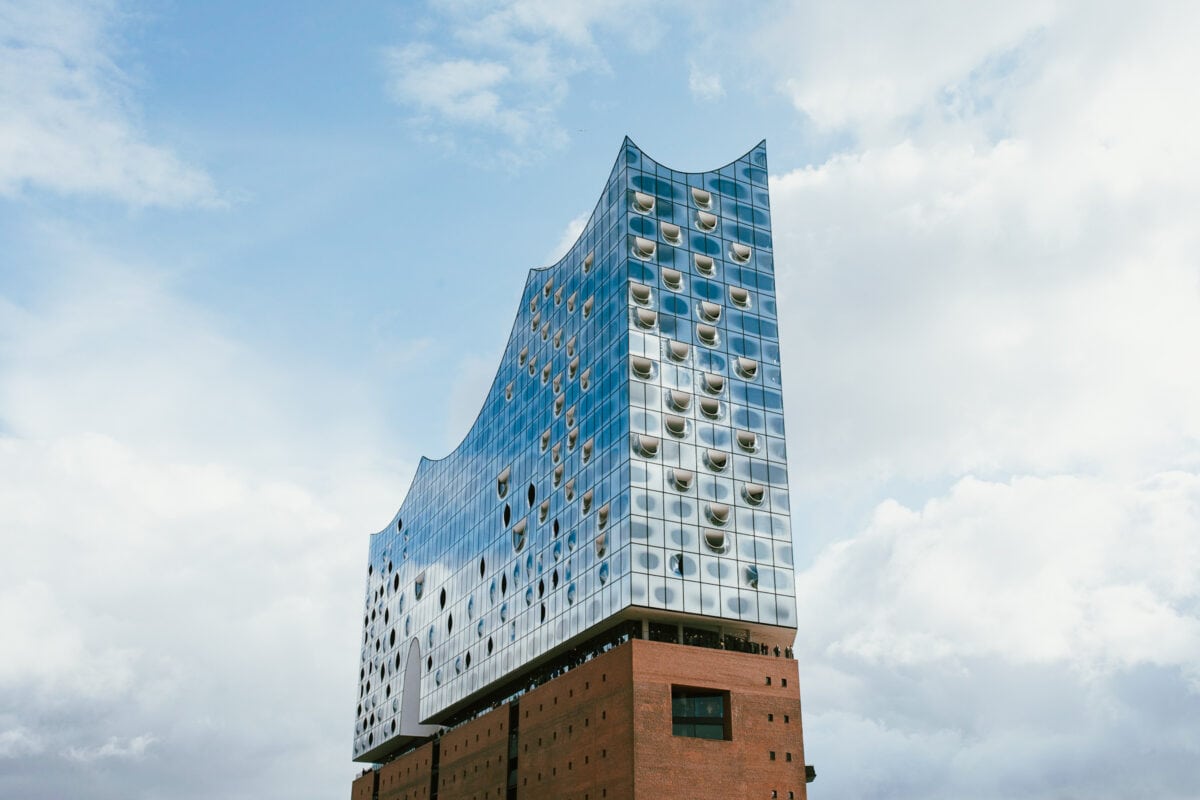
The Elbphilharmonie, commonly called “Elphi,” is arguably Hamburg’s most striking modern landmark. While its construction costs were initially controversial, its distinctive glass façade has greatly influenced Hamburg’s skyline and made it a popular attraction. From the outside, the blend of the brick silo and glass wave is impressive, but the experience inside is truly extraordinary.
The highlight is the observation deck that wraps around the Elbphilharmonie—the Elbphilharmonie Plaza—which offers stunning views of the Port of Hamburg, the Elbe River, and the Speicherstadt. To get up there, you go through a futuristic tunnel featuring the longest escalator in Western Europe. Best of all, access to the observation deck is free. You can either take a complimentary ticket available at the info point or reserve a specific time slot online for €3 for more convenience.
The concert hall is situated within the building, with the luxurious Westin Hamburg above it. The hotel’s rooms offer stunning views of the Elbe and are highly appealing. If you ever wish to indulge, spending a night there is highly recommended.
During the Elbjazz Festival, I attended a concert at the Elbphilharmonie and experienced its outstanding acoustics. Sitting high up, it felt as though I was right in the middle of the stage. Also, the venue hosts not only classical concerts but a diverse range of musical genres.
If you’re not in the mood for a concert or would rather spend your evenings doing something else (there are so many options in Hamburg anyway), you can also take a guided tour of the concert hall. During the tour, you’ll learn more about this fascinating building—architecturally, the Elbphilharmonie is truly unique. Or did you know that the entire hall is mounted on 362 steel springs, which help distribute the sound so well throughout the hall?
Just beside the Speicherstadt, you’ll find HafenCity, Europe’s biggest inner-city development project. It’s a completely new neighborhood that has risen on former port land, creating a contrast to the charming historic Old Town.
Since 2025, HafenCity’s prominent feature is the Überseequartier, a development of 14 buildings with retail spaces, dining options, hotels, a cinema, and direct cruise terminal access. The office building “The Yard”, featuring a façade inspired by Venice’s Doge’s Palace, is particularly striking.
Tip: If you get hungry in HafenCity and like fish or seafood, be sure to try Pesca. The restaurant’s concept is a crossover between a theater and a fish market—a wonderful experience, especially in the evening.
4. Landungsbrücken
When visiting Hamburg, you’ll surely notice the Landungsbrücken. For more than a hundred years, this impressive building with its distinctive towers and green domes has been a beloved part of the cityscape. Originally designed as a dock for transatlantic liners, today it welcomes visitors as the starting point for many exciting sightseeing tours in Hamburg.
This is also where most of the harbor tours kick off, and I highly recommend experiencing one at least once. The Port of Hamburg is genuinely breathtaking. However, with so many tour operators and options out there, it’s easy to feel a bit overwhelmed. But don’t worry—there’s a perfect tour for everyone just waiting to be discovered!
In this article, you’ll find the best providers, along with alternatives if you are on a budget: The Best Harbor Tours in Hamburg
For a more affordable choice, hop on an HVV ferry (like Line 62) and pay with a standard public transit ticket. If you have a Hamburg Card, you can ride public transit for free.
Near the Landungsbrücken, you’ll also see two of Hamburg’s most renowned museum ships: the Rickmer Rickmers and the Cap San Diego.
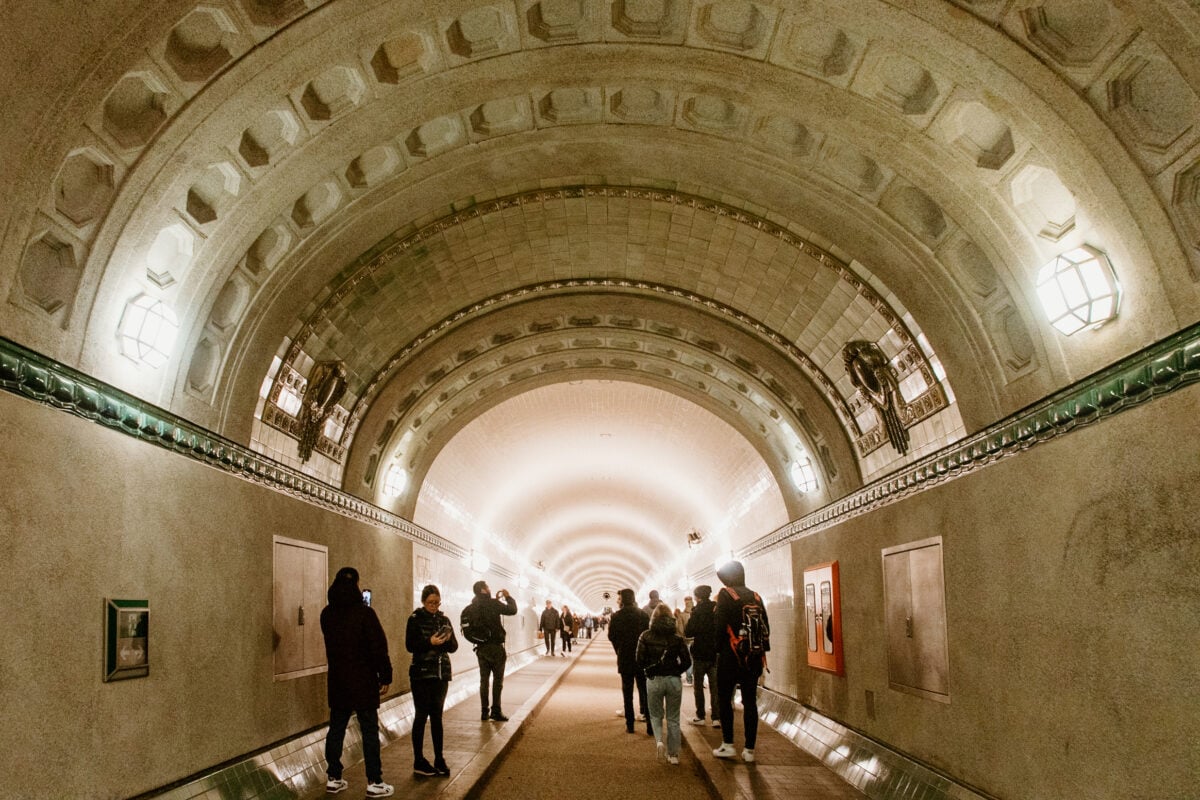
Even after more than 100 years, the Old Elbe Tunnel remains an architectural masterpiece. It was originally built to handle the ever-increasing traffic between the city center on one side of the Elbe and the port facilities and shipyards on the other. In the 1970s, however, the Old Elbe Tunnel was effectively replaced by the newer Elbe Tunnel on the A7. Two tunnel tubes, each 426.5 meters long, run 24 meters beneath the Elbe, linking the two banks. They feature tiled walls, majolica reliefs of starfish and crabs, and subdued lighting.
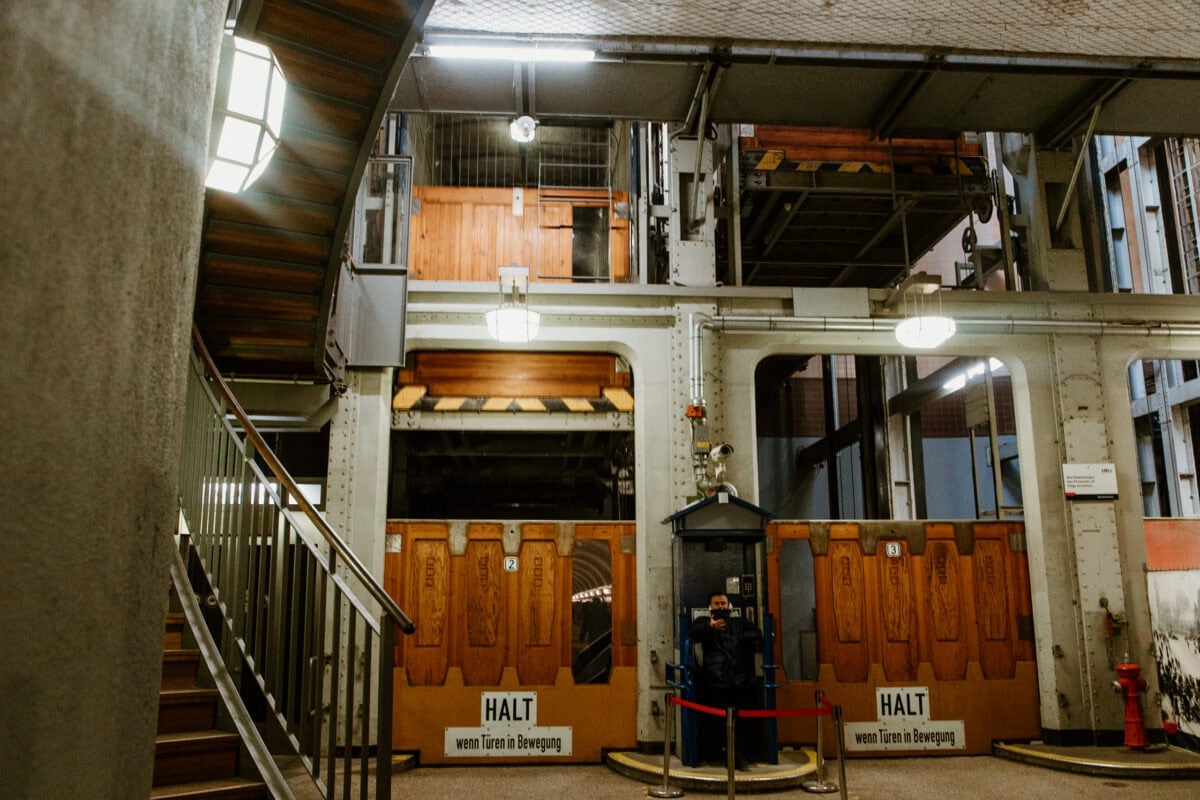
What makes it unique: The Old Elbe Tunnel lacks access roads or ramps at its entrances, instead relying on impressive historic freight elevators that carry pedestrians, cyclists, and even cars.
Tip: The Steinwerder lookout point across the Old Elbe Tunnel offers a fantastic view of the Elbe River and Hamburg’s skyline. Additionally, you can reach Wilhelmsburg, the stylish new district, easily by public transportation from there.
6. Fish Market & Fish Auction Hall
“Moin,” I’m greeting the bus driver as I head to the fish market early in the morning, though despite repeated practice, it always feels a bit awkward. I never quite capture a genuine North German accent. The fish market, held every Sunday in St. Pauli, remains a quintessential Hamburg tradition.
The lively market vendors here are famous, and you must maintain self-control to resist giving in to their convincing sales pitches and purchasing an overflowing fruit basket or a whole month’s supply of smoked eel. Eels, bananas, and flower bouquets zip across the counters—you’ve got to experience this firsthand at least once.
Since 1703, the Altona Fish Market has operated every Sunday along the Elbe. Unfortunately, it really does close at 9:30 a.m. So, if you’re not an early riser, your only option is to stay awake all night. After all, enjoying a morning snack at the fish market after a long night on the nearby Reeperbahn is almost a tradition, especially in summer. The market draws a charmingly diverse crowd, including early risers, night owls, and tourists.
The fish market extends around the impressive fish auction hall. Every Sunday from 6 a.m. to 12 p.m., live bands perform here—the perfect way to spend the morning with a fish sandwich and an early beer (or a late one, depending on how you look at it).
Tip: From April through October, the fish market opens as early as 5 a.m.; in winter (November through March), it has shorter hours and opens at 7:30 a.m. It always closes at 9:30 a.m. And be sure to bring cash.
Weekday Option: Isemarkt
If your trip to Hamburg doesn’t include a Sunday, or if you don’t want to stay up late or wake up before 6 a.m., take a detour to the Isemarkt in the Eppendorf/Harvestehude neighborhood instead (U3 between Hoheluftbrücke and Eppendorfer Baum). The Isemarkt is open on Tuesdays and Fridays from 8:30 a.m. to 2 p.m. and runs about one kilometer beneath the elevated railway viaduct. You’ll hardly find any tourists here, but you’ll experience the authentic Hamburg way of life.
7. Reeperbahn
The Reeperbahn in St. Pauli is Hamburg’s legendary party district, drawing millions of visitors from around the world each year. Originally, the area around the Reeperbahn was known more as a shady red-light district, with many legends surrounding pimps, drug lords, and criminals. Today, streets like Große Freiheit have become a single, nonstop party zone for young people, tourists, bachelor parties, and those looking for a good time. Here you’ll find a truly diverse mix of bars, clubs, theaters, and even upscale restaurants.
Are you looking for restaurant recommendations in Hamburg? Then check out my comprehensive Hamburg Food Guide!
However, some establishments remain part of the red-light district, such as the infamous Herbertstraße. Shielded by a concrete wall, Herbertstraße is a tiny little street in the heart of St. Pauli that women aren’t allowed to enter—unless you work at one of the establishments there.
Reeperbahn’s best cocktails (including non-alcoholic ones!) at The Rabbithole Bar
During the day, you really get a sense of St. Pauli’s unique character: a little rough around the edges, a little creative, and very lively. It’s worth turning down the side streets to lose yourself in the special atmosphere of this ambivalent neighborhood.
Are you interested in the stories—big and small—about the Reeperbahn? There are some great themed tours that offer a glimpse into life in this unique part of Hamburg.
Night Watchman Tour Through the Neighborhood* – Led by a night watchman with that traditional maritime-Hanseatic charm, this tour offers a more relaxed exploration of the neighborhood.
If I had to recommend a spot in Hamburg that has undergone the most change in recent years, I’d probably point to the bunker on Feldstraße in St. Pauli. The massive World War II concrete block has been expanded to include a green rooftop garden. Today, on the bunker’s roof, you’ll find two restaurants, a bar, a hotel, and a memorial space dedicated to the building’s history.
To reach the top, you have to walk along the 560 meter long trail, circling the bunker once until you arrive at the roof, which is 58 meters high. From there, you’ll enjoy what might be the most breathtaking view of Hamburg.
Tip: Admission is free. Expect possible wait times during good weather and at sunset.
If you’re looking to escape the typical brick buildings, the harbor, and the Hanseatic atmosphere, consider exploring the Schanzenviertel. This neighborhood offers a vibrant, slightly rebellious, and always lively part of Hamburg. You’ll find colorful street art, charming designer shops, and innovative concept stores. At the heart of it all is the Rote Flora, a former theater building that still stands as a proud symbol of Hamburg’s squatting movement and left-wing cultural scene.
The food scene in Schanze is especially lively, offering everything from casual breakfasts, brunch venues, bagel shops, and sourdough bakeries to small bistros, international cuisines, and top-notch bars—perfect for a relaxing day or a long evening.
Adjacent to the exhibition halls is the Karolinenviertel, or Karoviertel—a quieter, smaller neighborhood next to the Schanze, featuring back-alley shops, vintage stores, and numerous small restaurants. These two districts blend so smoothly that it’s often hard to tell where one ends and the other starts.
10. Planten un Blomen
Planten un Blomen is the largest green oasis in the heart of Hamburg: Here you’ll find a 47-hectare park that’s free to visit. If you need a break from sightseeing, this is the place to go. The park includes several distinct areas, including a large Japanese garden — one of the largest of its kind in Europe.
The water and light shows are a highlight at Parksee—a free spectacle featuring dancing water fountains, light effects, and music. They take place daily from May through September (at 10 p.m. in May and June, and at 9 p.m. starting in July).
11. Inner & Outer Alster
Right in the heart of downtown Hamburg you’ll find the Alster, a beautiful recreational area. The smaller Binnenalster is bordered by the Lombards Bridge and the Kennedy Bridge—here, you’re right in the middle of the city and yet right on the water. The larger Außenalster stretches northward and is filled with sailors, SUP paddlers, joggers, and people enjoying the sun in summer.
Tip: Set aside some time for a walk or bike ride around the Außenalster (about 7.5 km). The route takes you through Pöseldorf, past old villas and boat docks. You can stop at the Alsterperle, a small kiosk-café right on the water.
12. St. Michael’s Church / Hamburg’s Michel
St. Michael’s Church, with its 132-meter-high tower, is another unmissable Hamburg landmark. The tower is best known by its nickname, “Michel.”
The church has shaped the cityscape for centuries and was often the first sign for sailors entering the harbor that they had reached Hamburg. However, the Michel was destroyed by fire twice and rebuilt twice—which also makes it a symbol of the city’s resilience.
From St. Michael’s Church, you will enjoy a truly stunning view of the city center and the harbor. It’s a wonderful spot that clearly shows how close downtown, the harbor, and the Elbe River are to each other. Inside, the church feels bright and inviting—almost Mediterranean in style, which is a lovely surprise for a major church in northern Germany. You can relax and take the elevator most of the way up, but if you’re feeling adventurous, you can also walk all the way—there are 453 steps in total. Just a friendly tip: depending on the weather, a gentle breeze up top might catch you, so A good scarf or wrap will keep you comfortable.
Tip: There’s an admission fee to go up the Michel, but with the Hamburg Card, you can save a few euros here, just as you can at many other attractions in Hamburg.
13. Komponistenquartier & Großneumarkt
Located in the center of Neustadt, just a short walk from St. Michael’s Church, Großneumarkt is a charming, seldom crowded square. Surrounded by cozy cafés—ideal for a quick break—and a few good restaurants, it offers a peaceful escape from the usual downtown hustle and bustle.
“feels like Coffee & Art” is one of the cute cafés near Großneumarkt
Right next door is the Composers’ Quarter, which features the homes and birthplaces of Mendelssohn, Brahms, Telemann, Mahler, Bach (Carl Philipp Emanuel), and Hasse. These sites are now charming, small museums that collectively comprise the Composers’ Quarter. You don’t need to be a classical music enthusiast to enjoy it—just the unique ambiance of the alleyways makes it memorable.
14. Hamburg City Hall
Hamburg City Hall, with its beautiful Neo-Renaissance façade, creates a lovely contrast to the harbor and the brick façades of the Speicherstadt. Right in front of it, you’ll find the Rathausmarkt, a favorite spot for many summer events. During the winter season, it becomes even more special when hosting the Hamburg Christmas Market, which, by the way, is considered one of the most beautiful in Germany.
The courtyard is open to the public and surprisingly peaceful. You can also join a guided tour to see the inside of City Hall. Tickets are sold on-site, with a discount for Hamburg Card holders. The specific tour times can be found here.
15. Stadthöfe & Stadthaus
Just 3 minutes from City Hall is a spot that I personally find truly impressive because it’s right in the heart of the city and yet so little known: the Stadthöfe. They’re Hamburg’s elegant take on a backyard—and with a mix of architecture, arcades, cafés, and small shops, they’re perfect for a quick break from sightseeing.
There are also some great dining options here—including the bars and restaurants at the Boutique Hotel Tortue Hamburg, which, by the way, is also a great place to stay in Hamburg if you want to treat yourself.
Directly adjacent to the Stadthöfe is the Stadthaus —a place with a dark history. During the Nazi era, it served as the Gestapo headquarters, where people were interrogated, tortured, and sent to their deaths. For a long time, this fact remained surprisingly overlooked by the public until the building was renovated and redeveloped. Today, a small memorial on the ground floor, which is open to the public free of charge, honors the victims of the Third Reich.
My Personal Bond With Hamburg
In case you’ve been wondering where my special connection to Hamburg comes from: As part of the “Friend of Hamburg” campaign with Hamburg Marketing, I had the opportunity to showcase Hamburg’s culinary highlights on my Instagram account @thehappyjetlagger for an entire year, which allowed me to get to know the city from a whole new perspective.
In the center of St. Pauli, a 58-meter-high concrete structure from WWII now features a large garden atop its roof! I hiked the newly created trail and spent a night up there. Discover all the details about the Green Bunker in Hamburg here.
An Eventful Past: Architecture & History of the St. Pauli Bunker
Before gaining fame as one of Hamburg’s most talked-about sites recently, the Feldstraße bunker was already a notable part of the cityscape. Officially called Flakturm IV, it is among the largest bunkers ever built, with a floor area of 75 by 75 meters.
It’s not hard to guess what purpose the bunker once served: During World War II, it sheltered as many as 18,000 people, sometimes up to 25,000 during intense air raids in summer 1943. Built between 1942 and 1944 in record time, it was constructed with the help of forced labor, like many other structures of the period.
Its massive construction and enormous size are the reasons why the bunker remains so prominent in St. Pauli today. While many German bunkers were demolished after the war, removing this one would have posed risks to the densely populated residential areas nearby due to the powerful explosives needed. The outer walls are up to three and a half meters thick, making the bunker a true colossus. Today, it is officially recognized as a historic landmark.
Afterward, the bunker served various purposes, attracting many companies from the creative sector. The most famous venue there is likely the club Uebel & Gefährlich. Between 2019 and 2024, the roof was expanded and transformed into a green space, adding five new floors, a 560-meter mountain trail encircling the exterior, and a 1,400 m² rooftop garden with thousands of plants. Since summer 2024, the Green Bunker has been officially open to the public.
Tour the St. Pauli Bunker: Head up to the Rooftop Garden
The mountain trail leads upward—a 560-meter-long, five-meter-wide path that spirals around the outside of the bunker. You’ll reach the top faster than you think, because the view changes with every level and you’ll always find new and interesting perspectives.
A rooftop garden covering approximately 1,400 square meters, with over 4,700 plants, is located at a height of 58 meters. It offers a unique panoramic view of Hamburg, including landmarks like the Elbphilharmonie, St. Michael’s Church, and the harbor. Just below, you can see the Millerntor Stadium, home of FC St. Pauli. Book a guided tour of the Millerntor Stadium here*
On the top floor, there’s a small exhibit about the bunker’s history, along with the entrances to the hotel and its dining areas. The association Hilldegarden also examines the bunker’s legacy critically and offers guided tours once a month. More information here.
Helpful Tips for Your Visit
You can visit the rooftop garden for free. However, access is limited, and there may be lines, especially on sunny weekends. You are not allowed to bring your own food or drinks, strollers, or dogs.
There are a few hidden elevators, but they’re reserved for hotel guests (key cards are checked); I wasn’t able to find out whether visitors with limited mobility can use them as well.
For the best experience, visit on a weekday morning or during sunset, as the view is particularly stunning at these times.
The best way to reach the St. Pauli Bunker is to take the U3 to Feldstraße. Please note that the Millerntor Stadium is right next door, so the subway gets crowded on game days.
The St. Pauli Bunker Hamburg is open daily from 9 a.m. to 10 p.m.
Staying at the St. Pauli Bunker Hamburg & Reverb by Hard Rock
One of the most exciting highlights is that, with Reverb by Hard Rock Hamburg now open, you can even spend the night on the roof of the Grüner Bunker! It’s truly a one-of-a-kind experience. I have a soft spot for unusual accommodations, and if you’re ever on the hunt for a really special place to stay in Hamburg, I highly recommend checking out the Reverb hotel.
Actually, staying here isn’t as expensive as you might expect because of the location; the Reverb caters to a younger, mid-range crowd. Sadly, the Hard Rock vibe doesn’t always translate well, and I found the hotel to feel quite impersonal because it has few public spaces—mainly just the front desk and the restaurant.
Some rooms provide stunning views overlooking the rooftop garden’s greenery. The location is truly special: situated in the center of St. Pauli but surprisingly quiet due to its elevation. However, despite the elevator, the walk from the street to your room is quite lengthy—so remember to bring everything you need before heading out for sightseeing.
Food & Drinks at the Bunker
The bunker offers several dining options. I only sampled the café, which features a stunning panoramic window, but I don’t recall much else. Still, I recommend exploring the surrounding area, as you’re in one of Hamburg’s most vibrant neighborhoods.
For example, the Flohschanze flea market, one of the city’s premier markets, is held every Saturday on the site of the old cattle slaughterhouse, directly across from the bunker.
Right next door in the Karoviertel, you’ll find charming small boutiques, quirky shops, and adorable cafés lining the street. The vibe here is always so laid-back and welcoming that I genuinely enjoy returning here over and over again.
My recommendations for the Karoviertel: Café Marktstr. 25 —a café serving simple bistro fare, and it’s so, so good! Be sure to try one of their sourdough sandwiches. Hi, Karo Actually a small organic grocery store this place is great for a quick breakfast or a coffee on the go. Tibreizh: Delicious Breton crêpes and galettes; lovely outdoor seating.
Ad. | Seattle – nestled between the Pacific Ocean and majestic mountains – is the great metropolis of the Pacific Northwest. Of course, I had to spend a few days there on my West Coast trip. But like many big cities in the USA, Seattle is incredibly expensive and a sightseeing tour can be a small investment.
The Seattle CityPASS* promises a range of savings on the most important sights. I researched for you in Seattle whether this is really true and for whom such a ticket is really worthwhile.
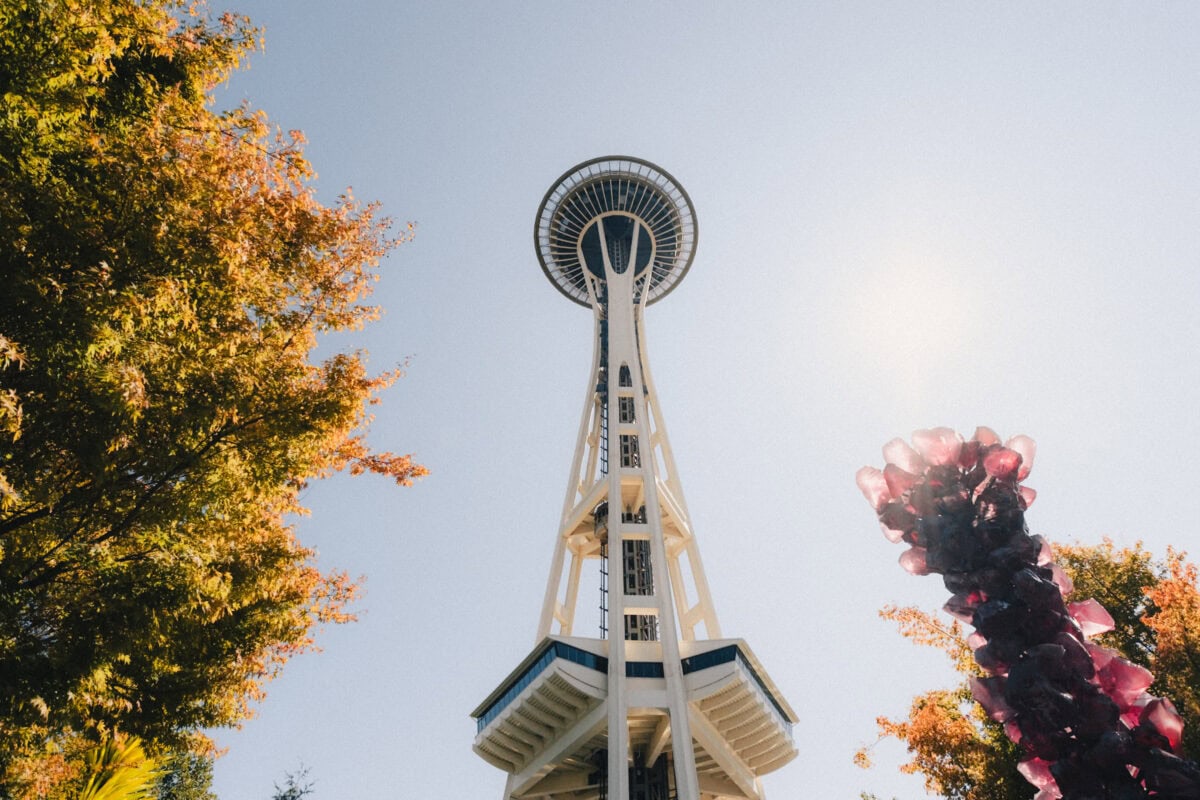
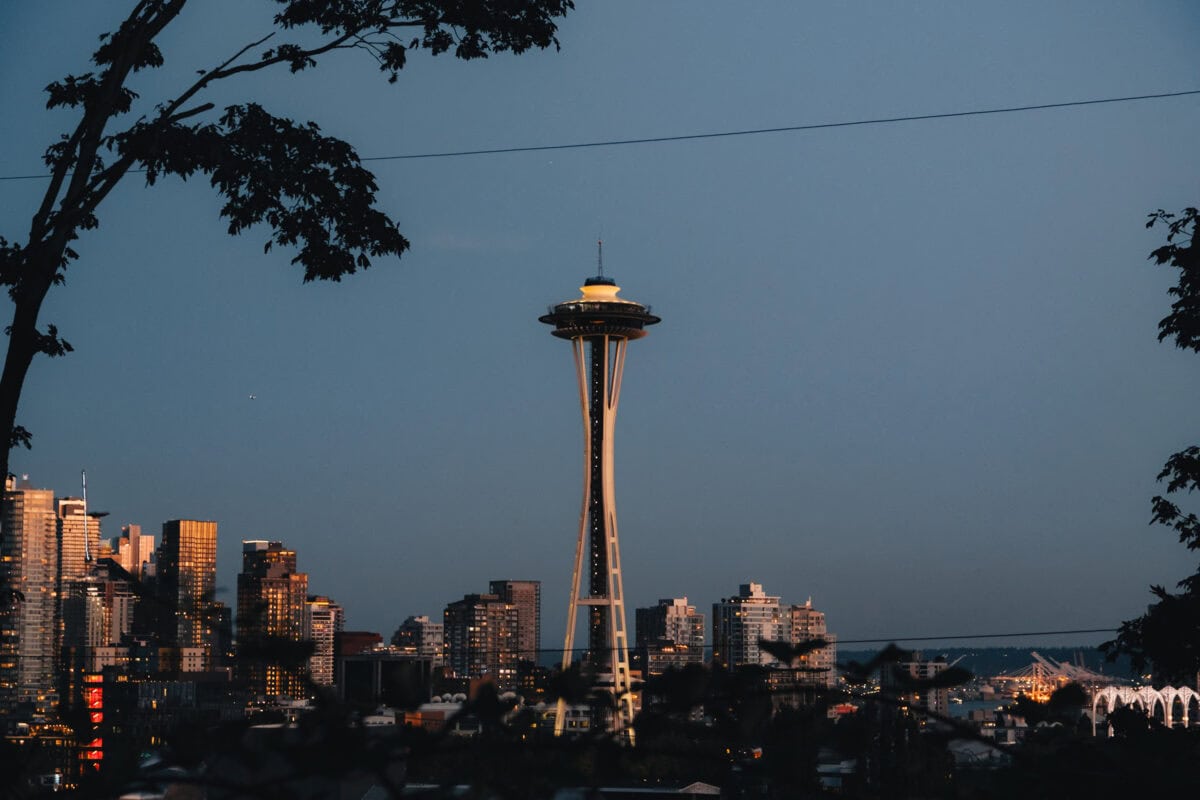
The famous Space Needle is also included in the Seattle CityPASS.
What is the Seattle CityPass?
The Seattle CityPASS* is basically a collective ticket that gives you access to the city’s most important sights. Instead of having to buy new tickets each time (and often paying more overall), you can use the CityPASS to put together an individual package of admission tickets that covers many highlights at once.
This means you save time at the ticket office – and in most cases also money, as these combined tickets are cheaper overall and/or include other extras that are not included in individual tickets.
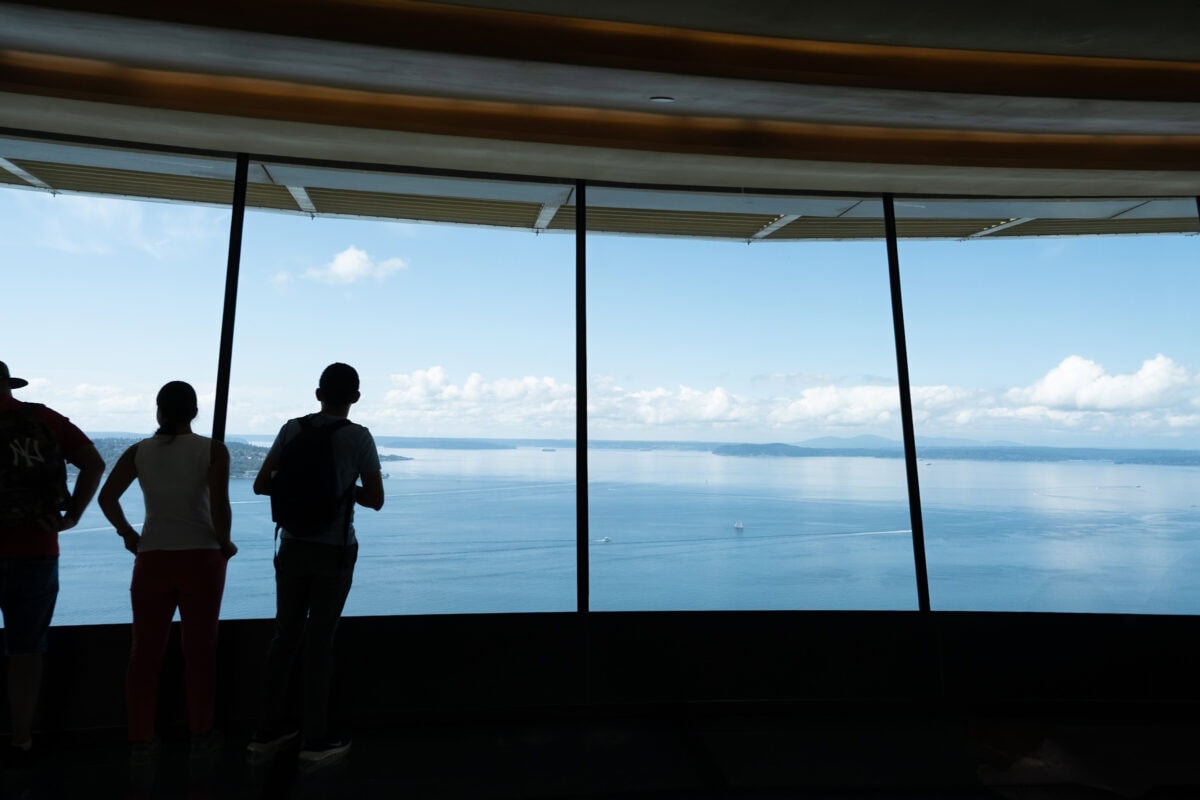
The breathtaking view of the Puget Sound alone makes a visit to the Space Needle in Seattle worthwhile.
What is included in the Seattle CityPass?
You can visit five attractions with the Seattle CityPASS. Included as standard are:
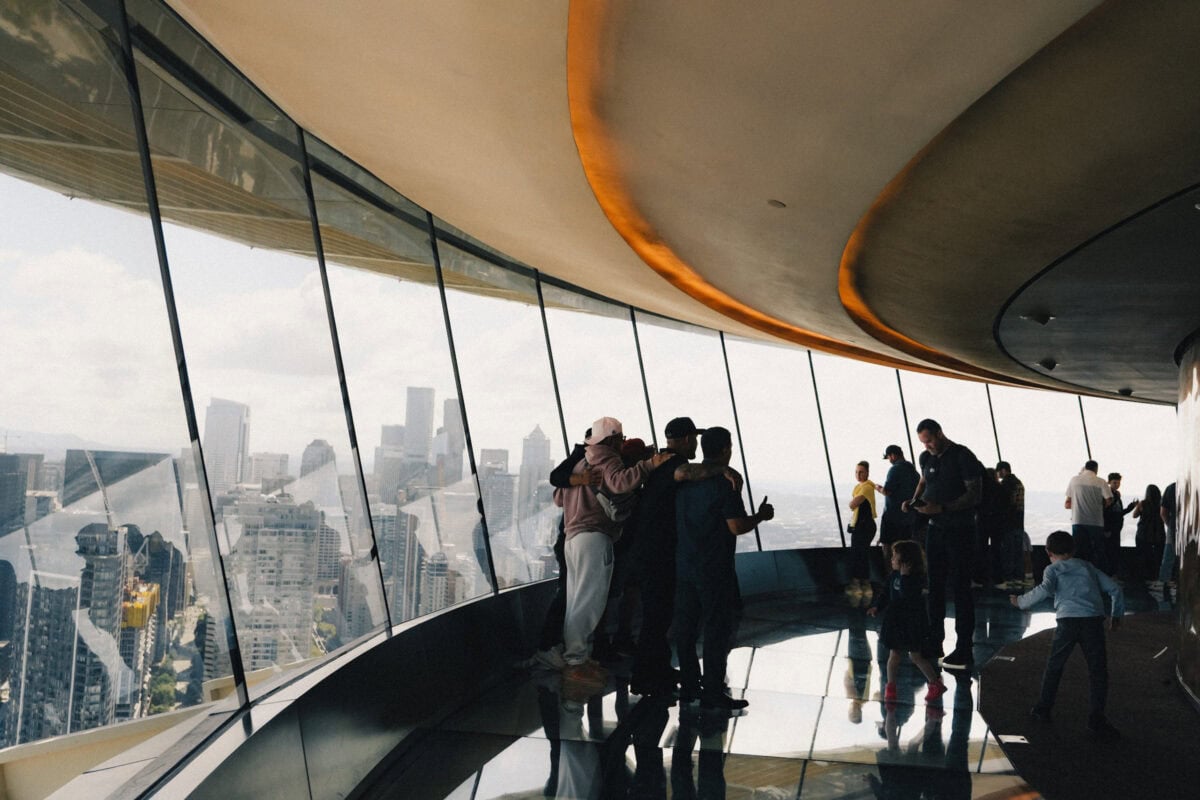
Space Needle – Seattle’s landmark and an absolute must-see. From the viewing platform, you’ll have a breathtaking view of Seattle’s skyline, the Puget Sound and the surrounding mountains.
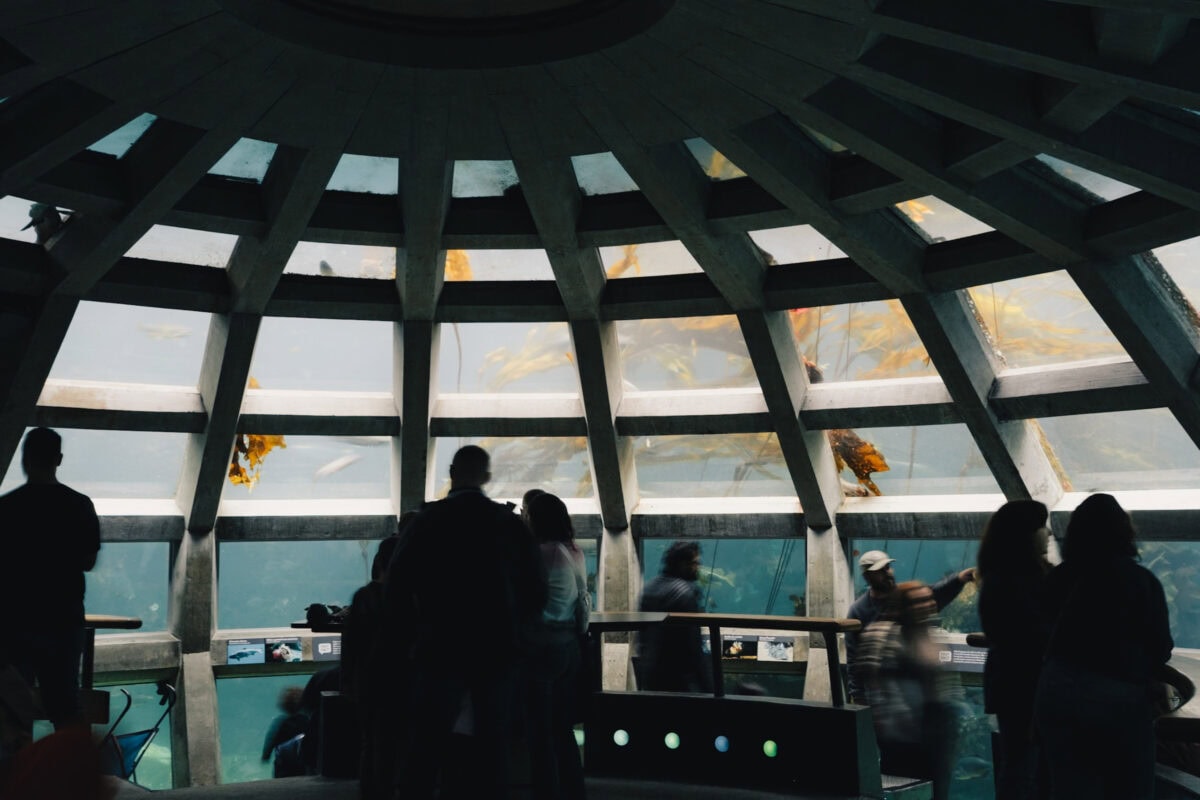
Seattle Aquarium – Located on the waterfront, you can experience the fascinating underwater world of the Pacific.
You also get access to 3 other attractions of your choice. You don’t have to decide at the time of purchase. This are the three attractions you can choose from:
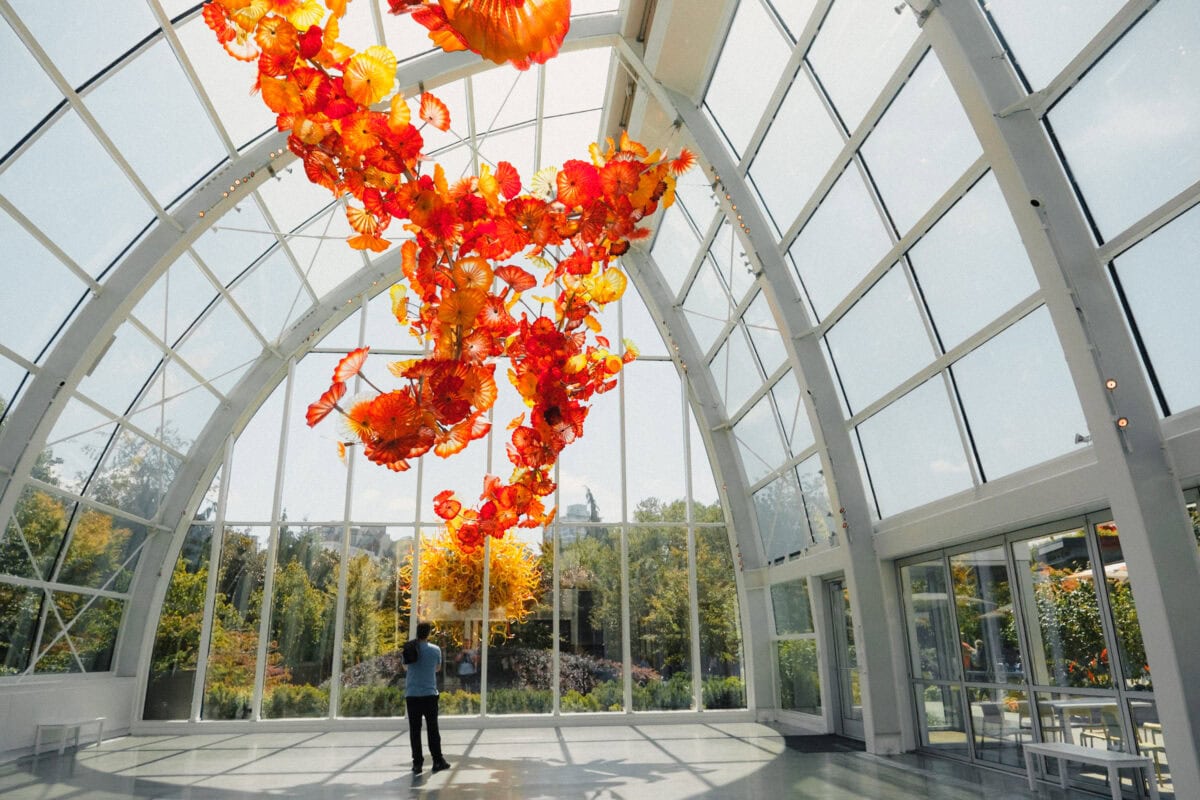
Chihuly Garden and Glass
Argosy Cruises Harbor Tour A boat tour through Seattle Harbor, where you can see the skyline from the water.
Museum of Pop Culture (MOPOP)
Woodland Park Zoo
Pacific Science Center
As soon as you use the pass for the first time, it is valid for nine consecutive days. This gives you enough time to see all the sights stress-free and at your leisure.
The Chihuly Garden and Glass with its impressive sculptures by glass artist Dale Chihuly is located close to the Space Needle.
Why you should buy the Seattle CityPASS
Price savings: If you buy tickets for each attraction individually, it can really add up. The CityPASS bundles everything together for a lower total price.
Planning convenience: If you know that you want to see certain highlights, you have everything in one place with the CityPASS. You don’t need to keep looking for individual tickets.
Priority admission and less queuing: At some attractions, admission is slightly faster with the CityPASS, so you spend less time queuing.
Planning aid: Not only do you save time on queuing, but you also get a good overview of what you can see during your time in Seattle. I often find this very useful for structuring my days during the trip and making the most out of my time.
Perfect for first-time visitors: If you are new to Seattle and want to see as much as possible, the pass covers the must-see highlights.
Downsides of the Seattle CityPASS
Time pressure: Even if you have nine days, they can pass quickly. If you plan too many other activities (trying out restaurants, day trips, strolling through different districts), you may not manage to see all the CityPASS attractions.
Limited selection: You may not be interested in all the attractions, or you may want to see something completely different. If you are more into visiting small trendy districts or other museums, the pass may not be worthwhile.
Advance planning: Of course, you need to know a little in advance when you will visit which sights. Spontaneously only visting a few attractions is often not worthwhile because the ticket price may then not be fully utilized.
Alternative discounts: Some attractions offer their own promotions, e.g. combined tickets for families or reduced admission tickets at certain times of day. If you like to be flexible and mix and match different options, this could be cheaper than the CityPASS in some cases.
Who should buy the Seattle CityPASS?
First-time visitors: I love city cards in general when I’m visiting a city for the first time. The most important sights are already covered and I don’t have to worry about buying individual admission tickets.
Families and groups: Especially if you are traveling with several people, the costs can escalate quickly. With the CityPass, the savings are even greater for several people, and group visits to popular sights are easier to organize if everyone already has their admission ticket ready.
Short-term travelers: If you only have a few days in Seattle and want to make sure you take in the main attractions, these combo tickets are worth their weight in gold.
The alternative to the Seattle CityPASS: Seattle C3
If you’re not interested in many of the sights on the Seattle CityPASS list, or you don’t have much time in the city, there’s a great alternative!
With a Seattle C3 ticket, you can simply pick three sights from the following list:
Space Needle
Chihuly Garden and Glass
Seattle Aquarium
Argosy Cruises Harbor Tour
Museum of Pop Culture (MOPOP)
Woodland Park Zoo
The Museum of Flight
Sky View Observatory
Seattle Art Museum
Pacific Science Center
Either way, the Space Needle is an absolute must-see and I can also highly recommend the Museum of Flight and the Seattle Art Museum. With a C3 ticket, you have an even greater choice and can concentrate on really selected spots. The C3 ticket is also a whole 30 euros cheaper.
Pros of Seattle C3
more selection
a good 30 euros cheaper
no attractions that involves animals (the Seattle CityPASS always includes the Seattle Aquarium)
You can swap the Seattle Aquarium for another attraction with a C3 ticket.
In my opinion, yes, if you are planning to see the most important sights in Seattle anyway. You’ll save time and money, especially on your first visit to Seattle – and the Space Needle is a must-see anyway. I also found it super convenient not to have to deal with buying tickets on the spot.
If you want to be more flexible, I would recommend at least the Seattle C3 – you are guaranteed to visit the Space Needle and two other sights!
I visited Seattle as part of a research trip for Travellers Insight, the Munich Airport’s renowned travel blog. Read my article about Seattle here. The Seattle CityPASS was provided by CityPASS.
Palma has always felt like my second home. I’ll show you the 15 most beautiful sights in Palma and share a couple of insider tips, too! Before you start wondering: in 2016, the official name of Mallorca’s capital was changed from “Palma de Mallorca” to simply “Palma”. But of course, that doesn’t change a thing about the beauty of this wonderful city!
1. Royal Palace La Almudaina
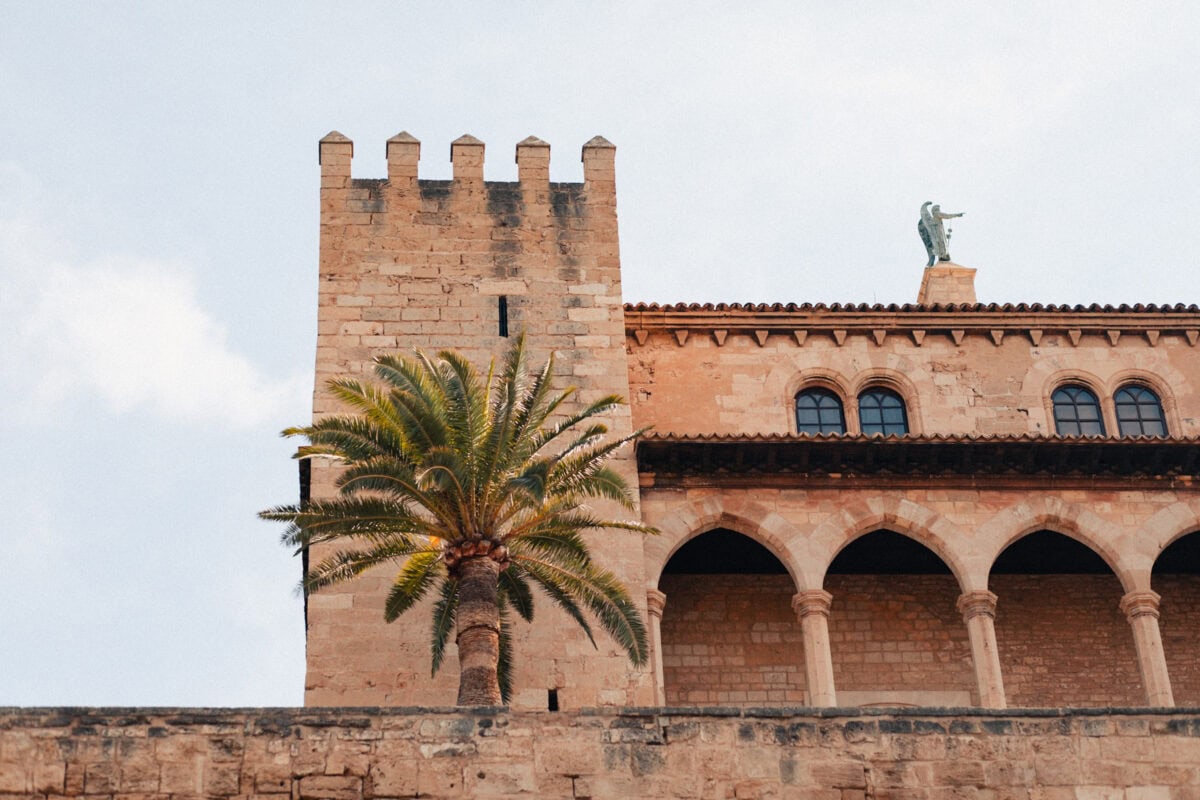
The Royal Palace of La Almudaina has a long history: it was built in the 13th century during the Moorish occupation. Today, La Almudaina is the official residence of the Spanish royal family, who spend their summer vacation on Mallorca every year and use the palace for representative purposes. However, they live in the newer Palacio Marivent in Cala Mayor, whose gardens you can also visit.
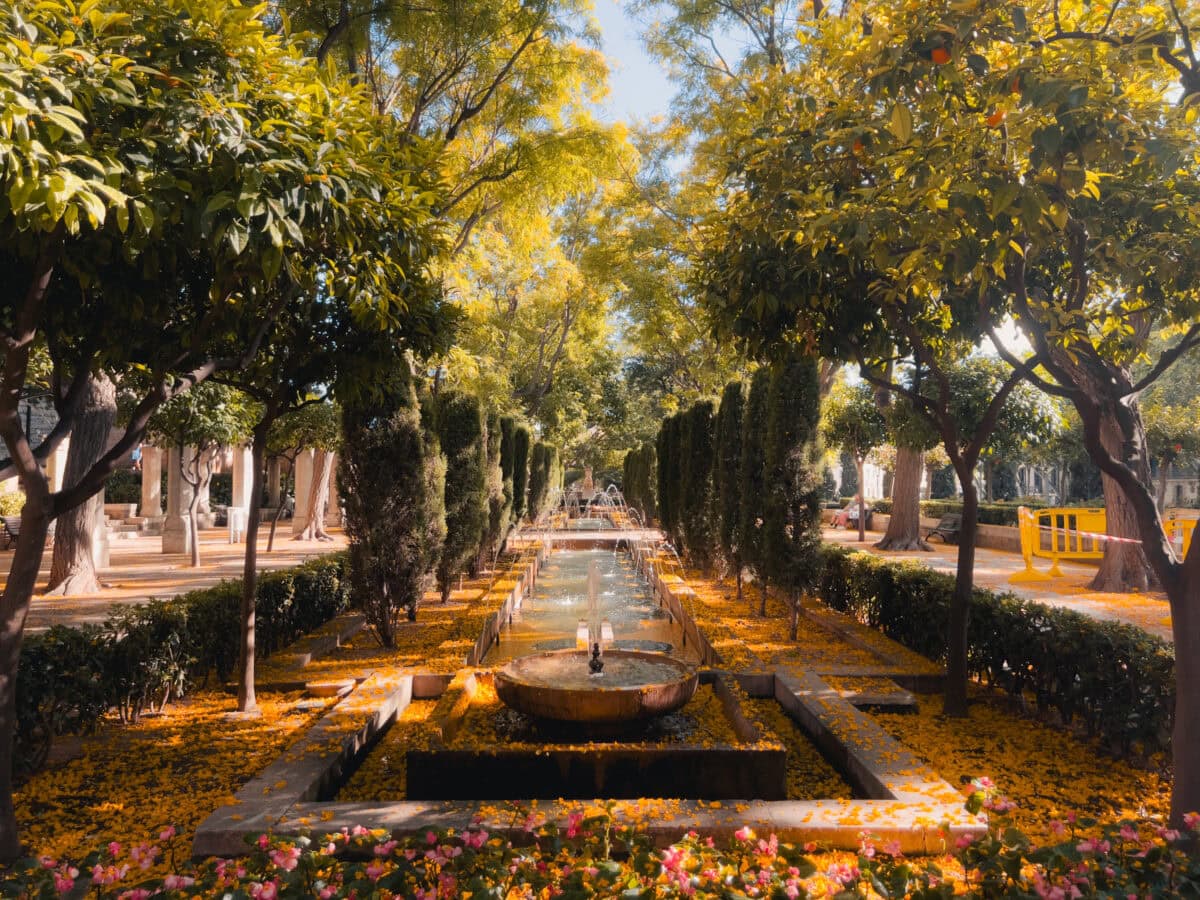
The Palacio Almudaina, with its many exhibits from the eventful history of Mallorca and its extraordinary architecture, is one of Palma’s most popular attractions. At its foot you will find a small garden, the Jardines de S’Hort del Rei – a great photo spot and perfect for a short break from sightseeing.
Tip: Admission is free on Wednesday and Sunday afternoons.
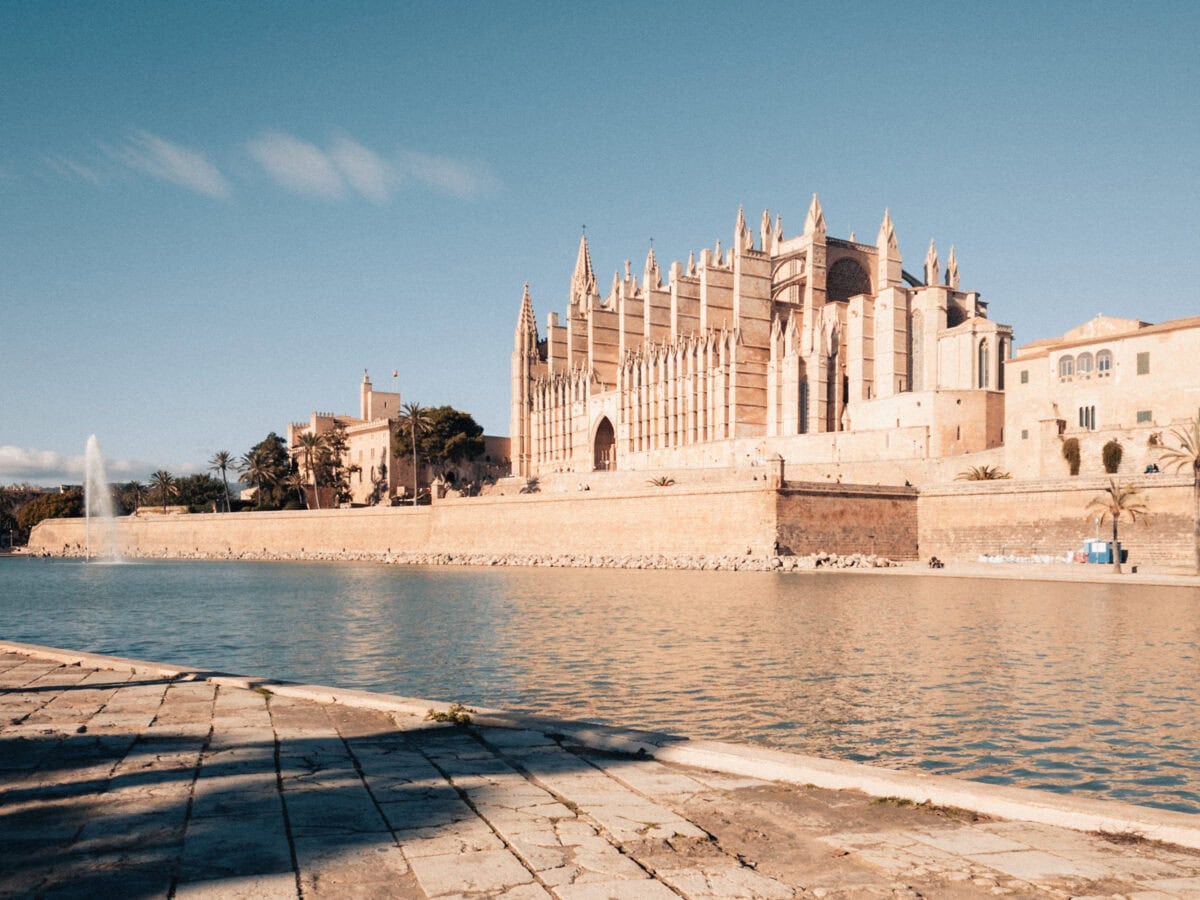
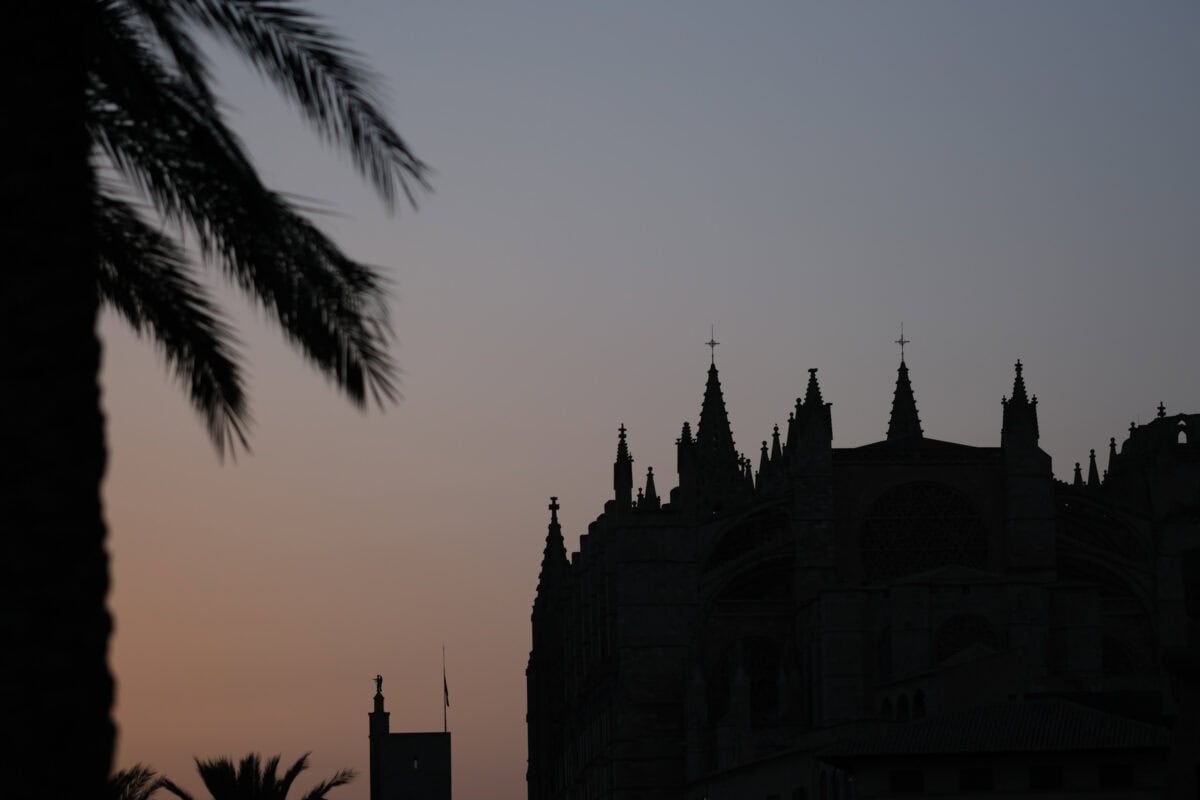
The Gothic cathedral La Seu is the landmark of Palma. It dates back to the 13th century and cannot be overlooked due to its location on a hill. From here you also have a fantastic view of the sea. To see the cathedral from the inside, you need to buy a ticket – due to the crowds, especially in summer, I recommend booking your ticket online in advance.
By the way: from April to October, you can also take part in a guided tour on the roof of the cathedral for an additional fee – a truly special experience!
3. Passeig des Born
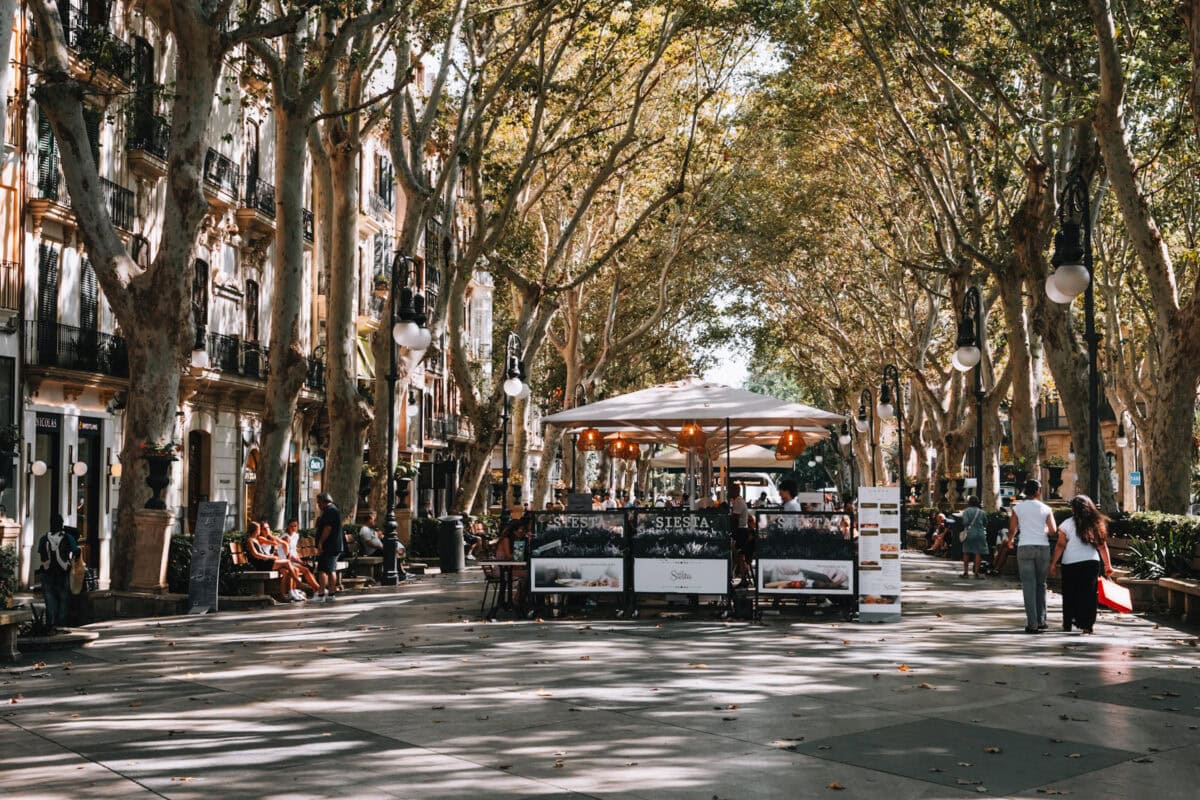
Did you know that Palma is the perfect place for shopping? You’ll find everything from expensive designer boutiques to all kinds of branches of the big fashion chains. And the pompous Passeig des Born with its dreamy avenue is something very special: stores such as Zara Home or H&M are even housed here in beautiful old buildings.
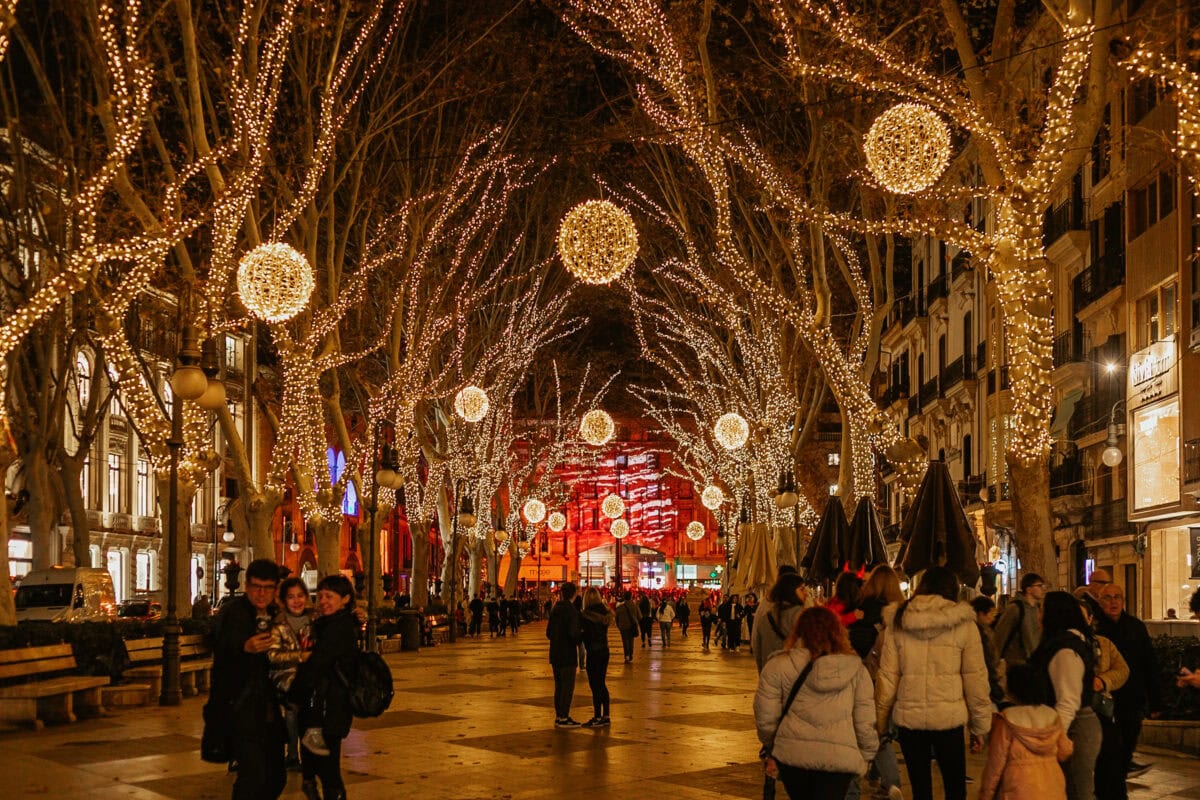
During Christmas and New Year, the trees here are particularly decorated, making the entire street sparkle and twinkle every evening.
4. Plaza Mayor
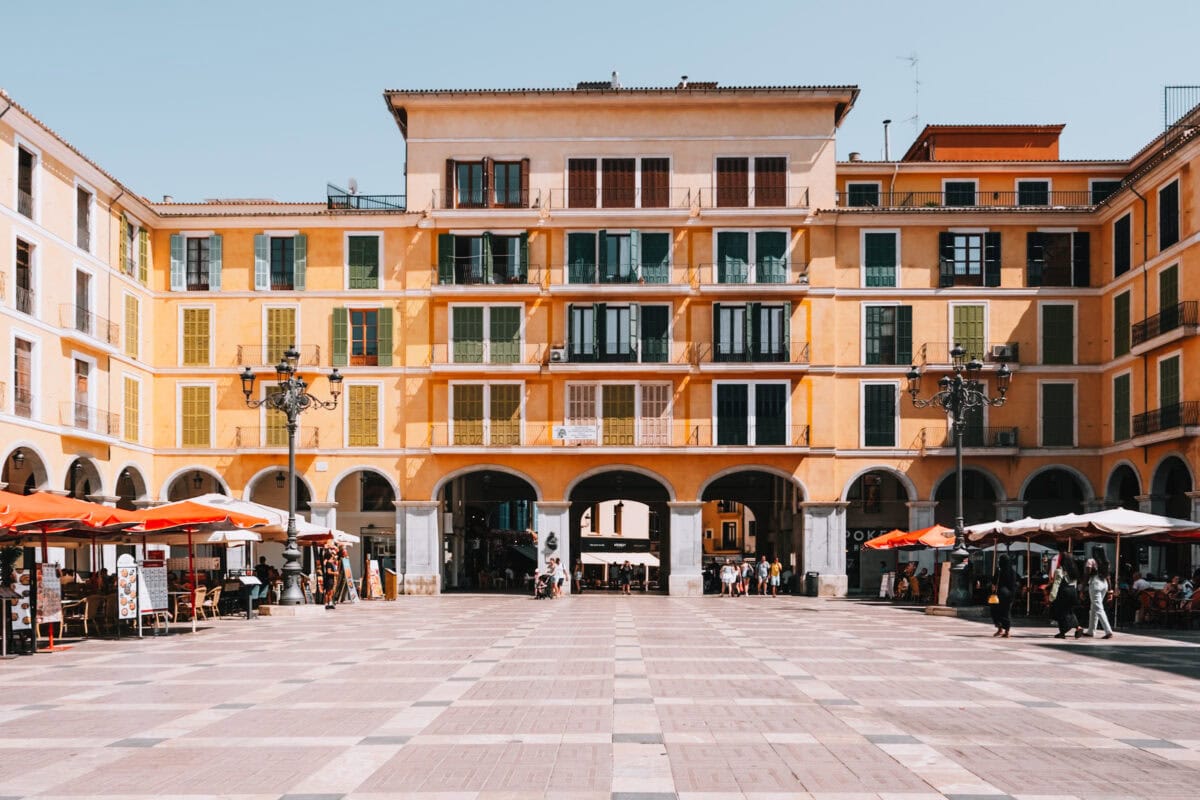
As in many Spanish cities, the Plaza Mayor is the heart of Palma. When strolling through the old town, sooner or later you’ll pass this striking square. You’ll find many cafés and restaurants here, but most of them are tourist traps. It’s worth looking in the side streets or the smaller squares around it. You’re guaranteed to find better alternatives there.
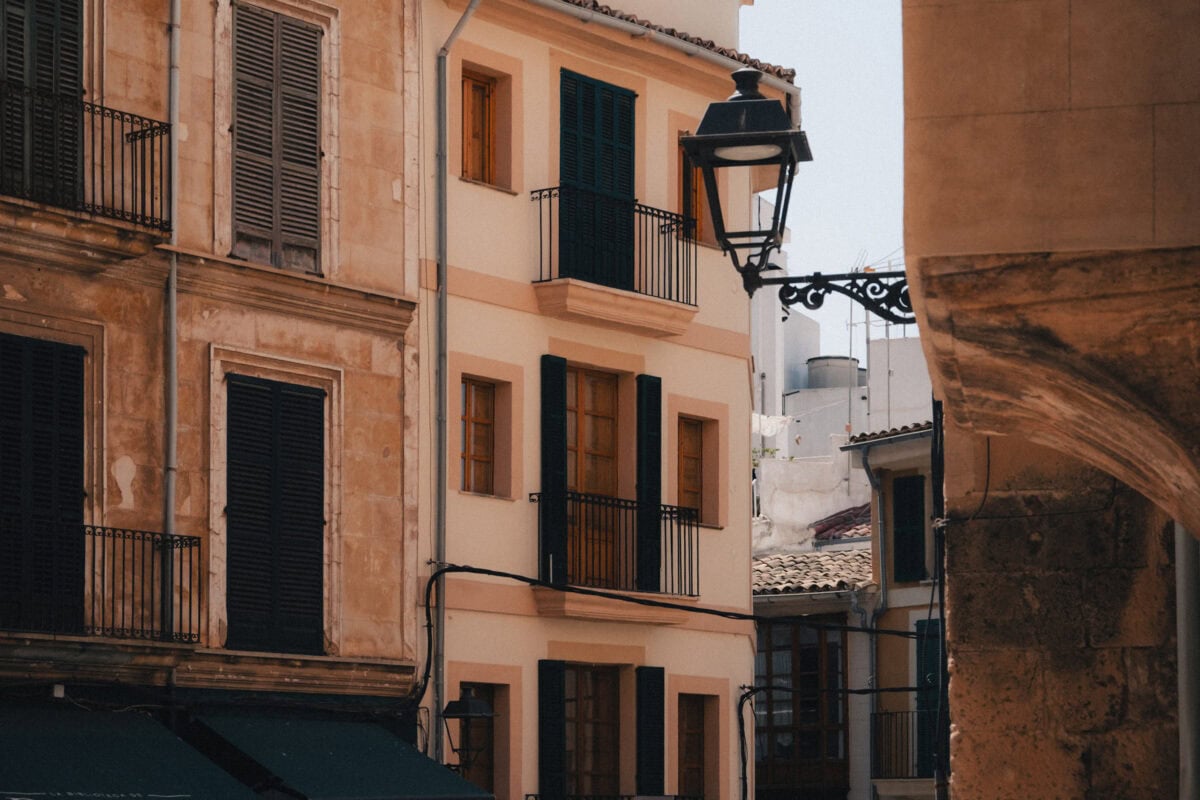
Palma’s old town offers a wonderfully immersive experience. You can enjoy lively shopping streets like Carrer Sant Miquel and Carrer Sindicat, full of charming stores and boutiques. At the same time, there are peaceful corners with beautiful squares and cozy alleyways, perfect for relaxing and soaking in the atmosphere.
My favorite places include the Plaça del Banc de l’Oli and the small square with cafés in front of the Església de Sant Nicolau.
6. Paseo Marítimo
The Paseo Marítimo is the perfect place for an evening stroll. Enjoy the view of the luxury yachts and visit the many bars and restaurants. Especially at the weekend, the Paseo Marítimo between Avinguda de l’Argentina and Porto Pí turns into a lively party mile. And the vibe here is much more pleasant than on Playa de Palma!
Tip: The sunset from the Varadero restaurant is the most beautiful! It is somewhat hidden at the entrance to Palma’s marina. Unlike many other high-priced restaurants around the harbor, the vibe is rather down-to-earth and many Palmesans meet here for a sundowner.
Are you planning a visit? On my blog, you’ll discover a variety of helpful articles covering both popular and hidden gems of Mallorca! My tips for Mallorca
7. The Trendy District of Santa Catalina
Santa Catalina used to be an unadorned fishing village. Today, with its lively gastronomic scene, it is one of Palma’s trendy districts! You will also find one of the city’s last remaining windmills here, which once shaped the island. You should also not miss a visit to the Mercat de Santa Catalina, the district’s market hall.
Ca’n Pere Antoni city beach is located just a short walk from the cathedral at the end of Paseo Marítimo. I especially enjoy this beach because it always has a very laid-back vibe, and you can swim comfortably here, despite its central location and proximity to the Palma port. On weekends or after work, locals often gather here to play volleyball or enjoy picnics.
Tip: If you want to treat yourself, simply spend the day at Assaona with good drinks and delicious food. This beach club also has stylish sun loungers to chill.
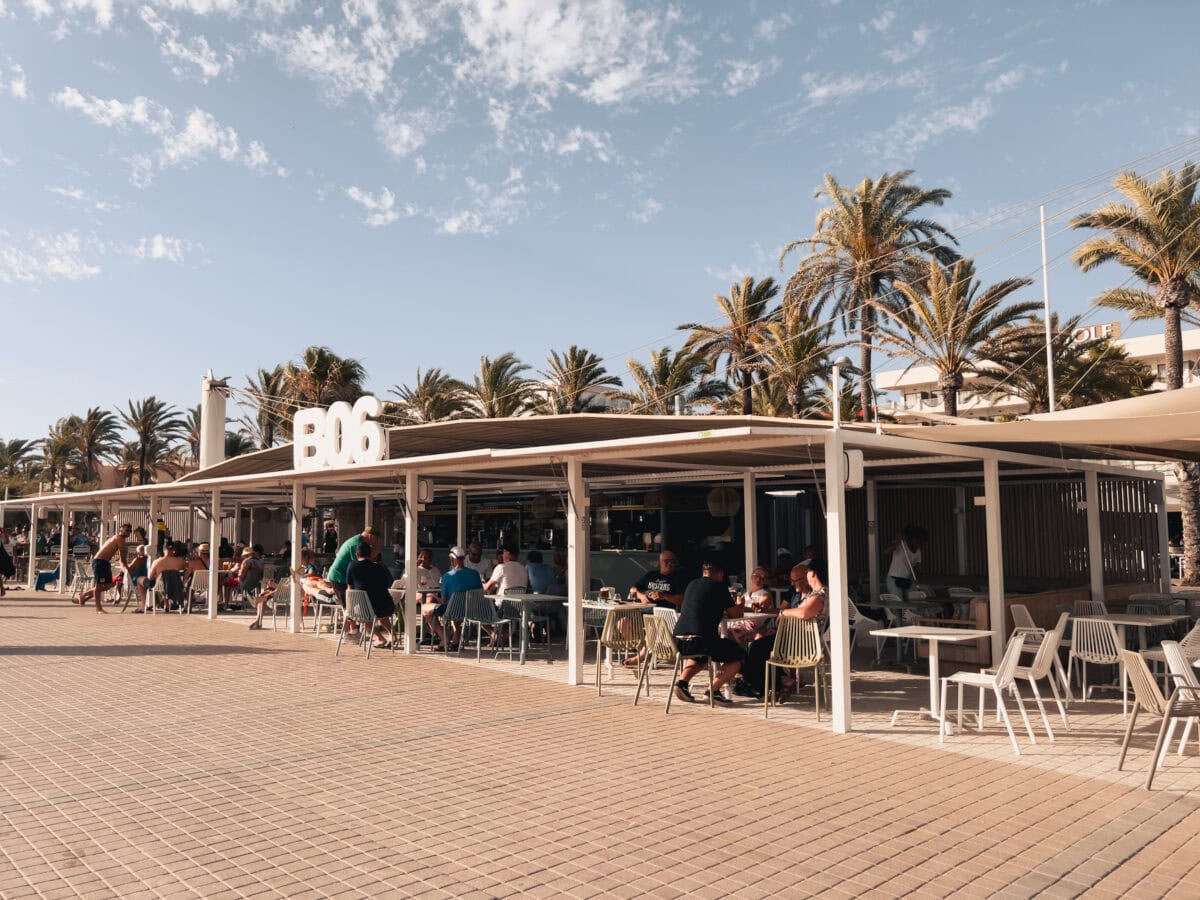
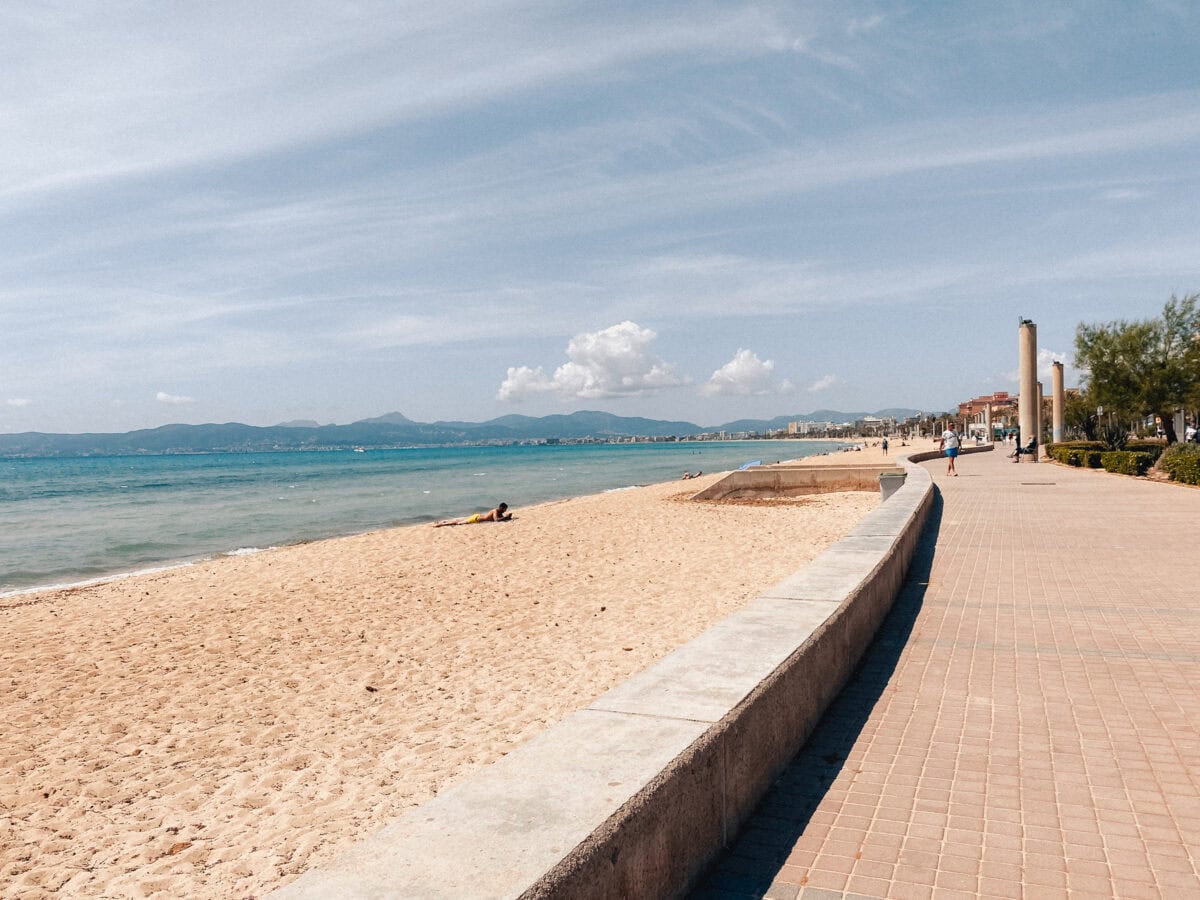
Playa de Palma is situated east of Palma outside the city center. Famous for the lively nightlife near Ballermann 6, this four-and-a-half-kilometer-long beach has undergone significant changes recently. While partying continues, you can now also discover a few trendy venues along the promenade. The gently sloping shoreline makes it ideal for swimming.
Balneario 6, better known as Ballermann 6 among Germans
I wouldn’t recommend spending the night at Playa de Palma, as there are many prettier spots in Palma and across the island. Personally, I find it hard to get into the party mood with all the noise, beer, and sadly, the trash that sometimes comes with it.
Tip: Rent a bike and ride along the coast from Palma. It’s the best way to reach Playa de Palma via well-maintained cycle paths while enjoying the stunning sea views!
You will also automatically pass by the charming Portixol marina and the neighboring district of Molinar, one of Palma’s most beautiful spots!
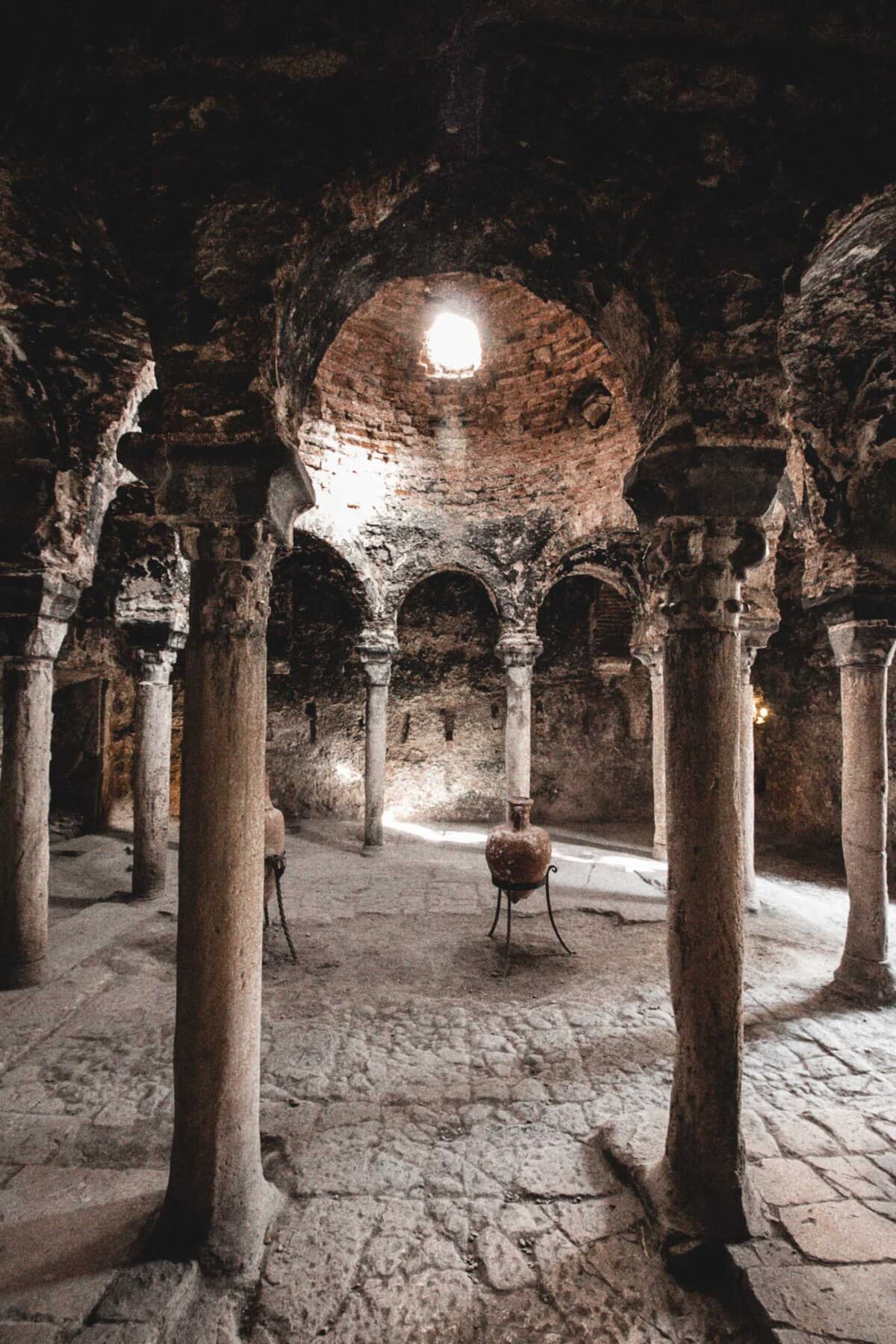
The centuries-old Arab Baths (Banys Arabs) are tucked away on a small side street near the cathedral and stand as one of the few remaining examples of Moorish architecture in Palma. The steam bath, illuminated by skylights, offers a fantastic photo opportunity!
Tip: The Arab Baths are located in the middle of an enchanting garden. Here you can take a wonderful break from the hustle and bustle of the old town or the cathedral.
A must-do experience is riding the historic train to Sóller, known as the “Red Lightning”. Despite its name, there’s nothing lightning-fast about this train: the wooden carriages offer a comfortable journey through the stunning Mallorcan scenery from Plaza España in Palma’s center to Sóller. From there, you can hop on a historic streetcar to Port de Sóller. Make sure to allocate a full day to enjoy the entire trip.
The tickets are quite costly, but they are definitely worth the money! Tip: Opt for a return ticket that includes the streetcar ride, as it’s the most affordable choice.
If you want to see even more of the island, there are other tours from Palma that only include one route on the Red Lightning, but also take you to Lluc Monastery and Sa Calobra – a nice alternative!
The former Sa Llotja stock exchange is one of the most beautiful buildings in Palma. During the day you can just go inside and admire the great architecture; sometimes the large hall is also used for art exhibitions. There are many bars and restaurants in the square around it and the whole place has a lovely atmosphere. Perfect for a little Aperol Spritz or some delicious tapas.
13. Mercat de l’Olivar
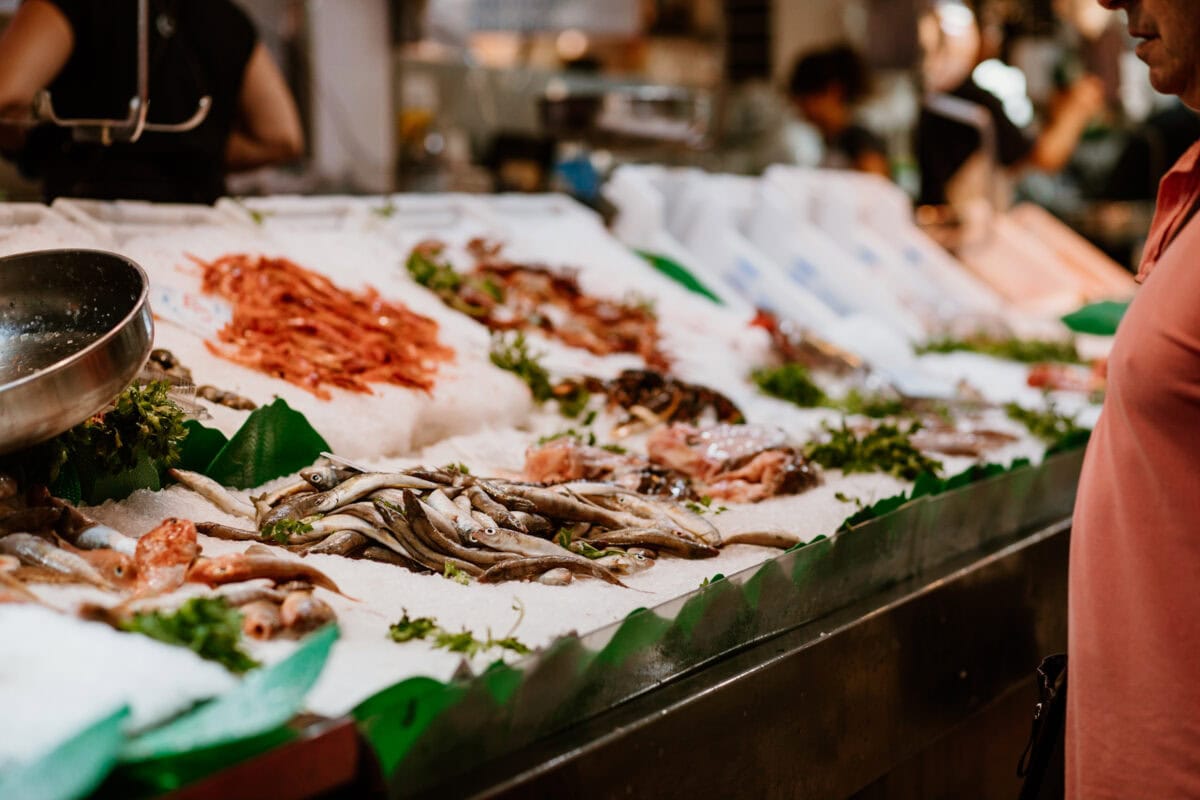
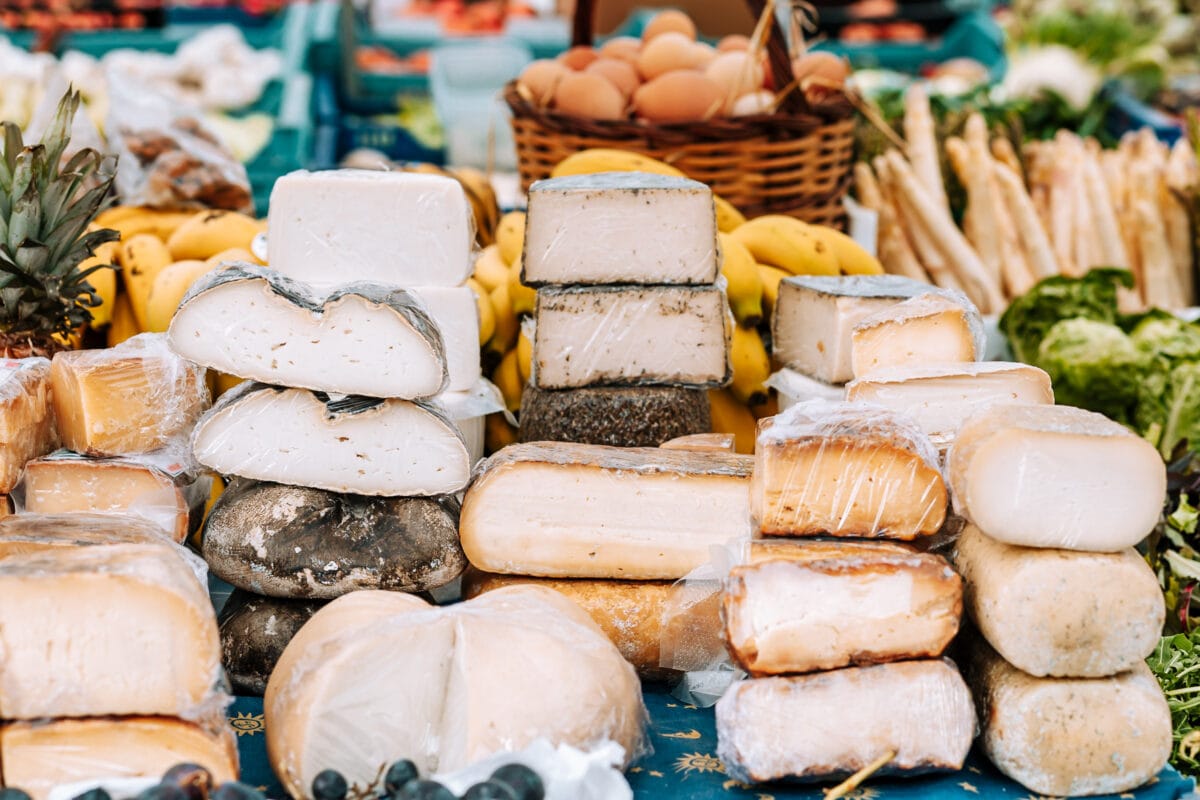
The Mercat de l’Olivar is a traditional market hall right in the center of Palma. If you are looking for a local culinary experience, this is the place for you! Especially in the mornings, you will find everything from fresh vegetables to fish, seafood and delicacies such as cheese and ham.
Tip: At lunchtime, there are also many stalls offering a typical “menú del día“, a budget-friendly meal with a starter, a main course, and a dessert. Drinks like water, a soda, or a glass of house wine are usually included.
If you love strolling through markets as much as I do, then there are a few really big and well-known farmers’ markets on the island that you shouldn’t miss out on: The most beautiful markets on Mallorca
14. Museum Es Baluard
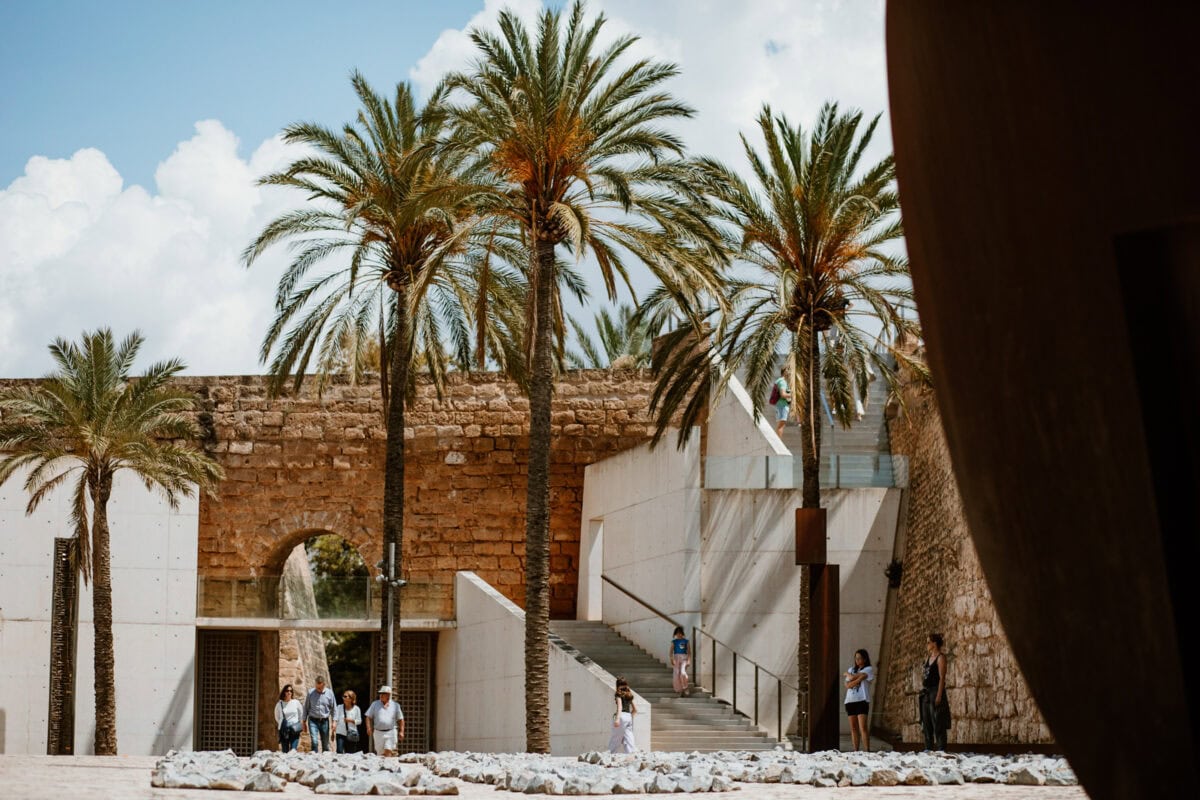
From Es Baluard, you not only have a fantastic view of the port of Palma, but you can also admire an impressive collection of modern artworks by Pablo Picasso, Joan Miró and Salvador Dalí. Other highlights include works by contemporary artists such as Banksy and Ai Weiwei. Interesting temporary exhibitions are also held regularly.
Tip: Admission is free on Thursday evenings.
By the way: If you are interested in modern art and you are making a detour to the north of Mallorca, you should also pay a visit to the Museo Sa Bassa Blanca in Alcúdia!
15. Pueblo Español
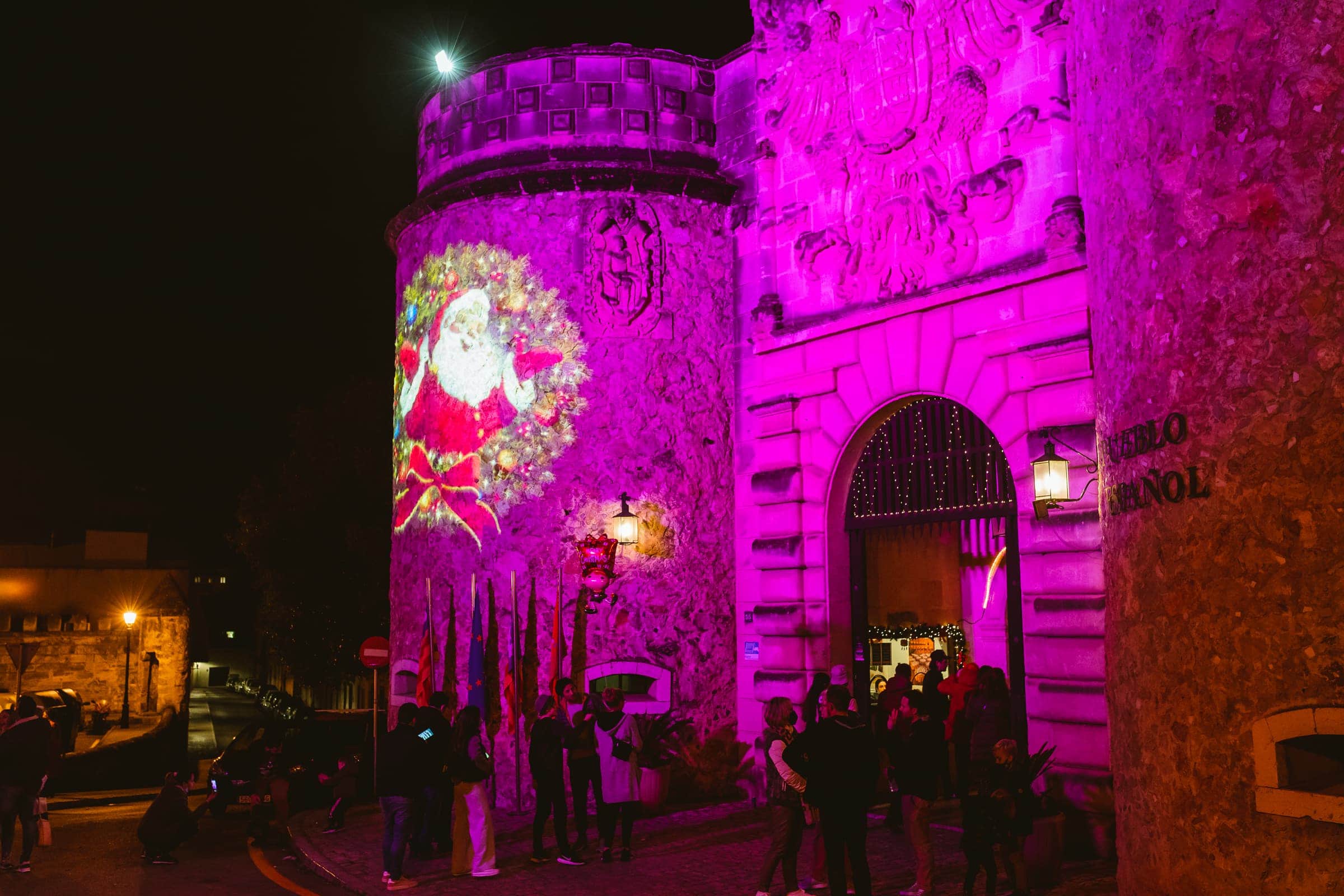
The Pueblo Español is a popular tourist site where visitors can enjoy a miniature version of Spain. It features reconstructions of Spain’s most famous landmarks in the form of a small village.
Tip: This place becomes especially stunning during Christmas. In December, the Pueblo Español turns into Palma’s most charming Christmas Market, where you can feel festive with a mug of mulled wine and browse for Christmas gifts at numerous small stalls offering arts and crafts.
Bonus tip: Museu Fundación Juan March
You will probably pass by one way or another, as the Museu Fundación Juan March is located in the middle of the pedestrian zone of Carrer Sant Miquel in the heart of Palma’s old town. However, most tourists simply walk past here, which is why this spot is a real insider tip!
The museum hosts works by 20th-century Spanish artists and regularly organizes cultural events. Even if museums aren’t your main interest, it’s worth visiting—especially the patio of the old town house, which is truly impressive.
Best of all: admission is free.
Even more insider tips for Palma: Palma is a city close to my heart and there is always something new to discover. If you need more up-to-date tips from the island’s capital, follow me on Instagram or browse through my ever-growing collection of blog articles about Palma.
Donostia / San Sebastián really is a special destination: with 180,000 inhabitants, it is the third largest city in the Basque Country, but exudes the elegant charm of a wealthy spa town from days gone by. The old town of San Sebastián is not only picturesque, but also a foodie’s dream come true: Pretty much every visitor falls for the refreshing txakoli and elaborate pintxos in no time. And don’t even get me started on the breathtaking beaches. Find out what else you can experience in San Sebastián in this article.
What you must see in San Sebastián: The most important sights
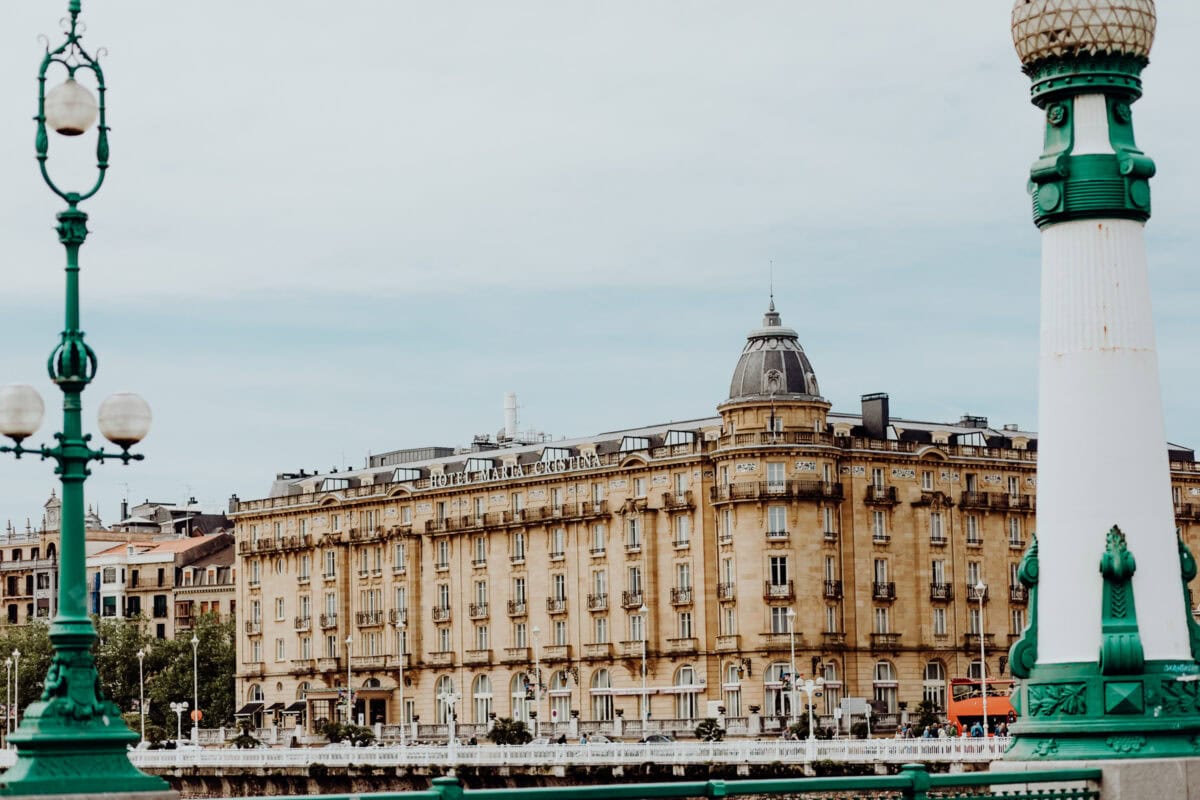
San Sebastián, or Donostia as it is known in Basque (officially it is also called Donostia-San Sebastián), has some real highlights to offer. You might even be reminded of one or two spas: No wonder, as the Queen of Spain chose San Sebastián as her summer residence at the end of the 19th century, laying the foundations for the social boom. Numerous buildings from this period still adorn San Sebastián today and make it one of the most beautiful cities in Spain.
1. Old Town (Parte Vieja)
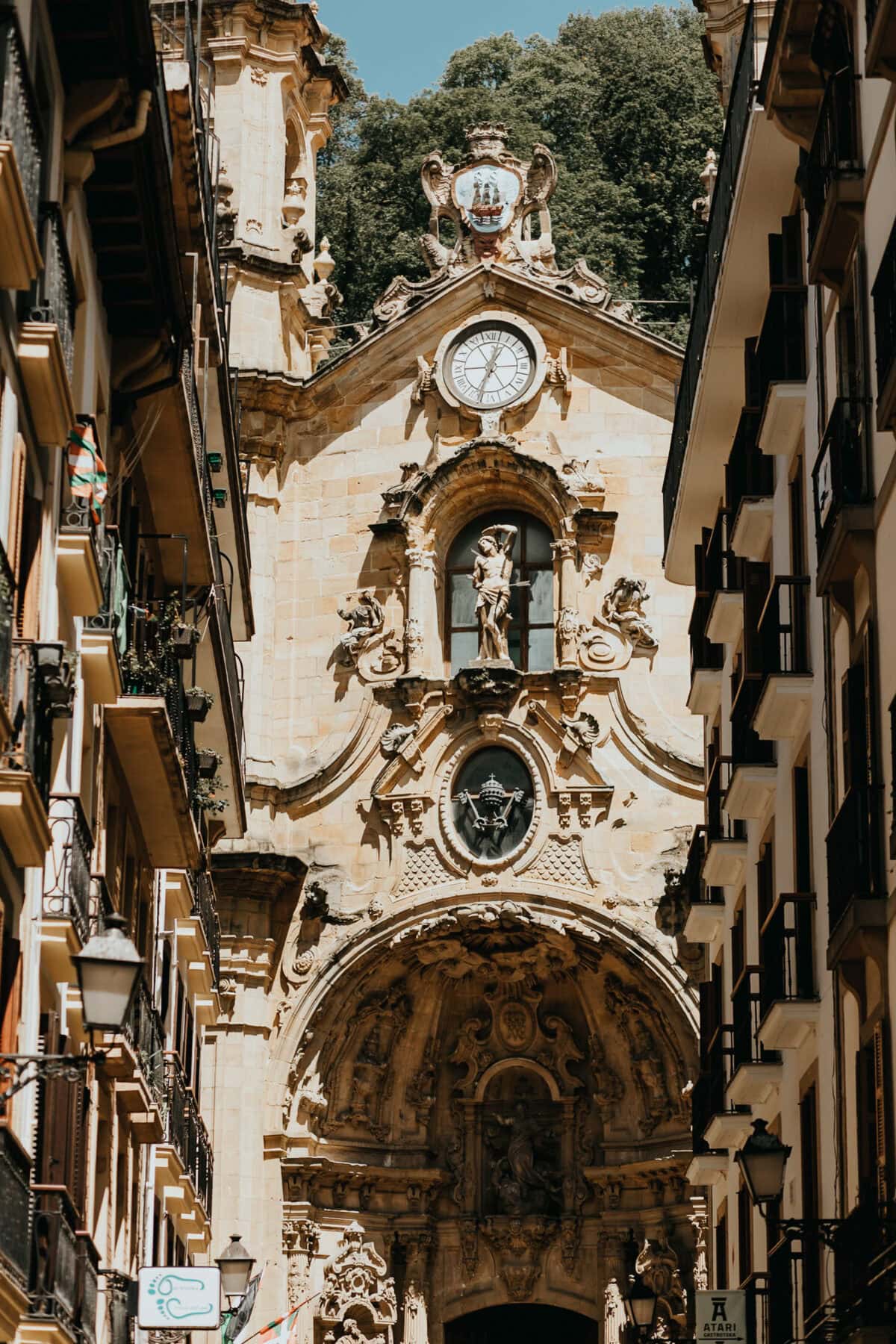
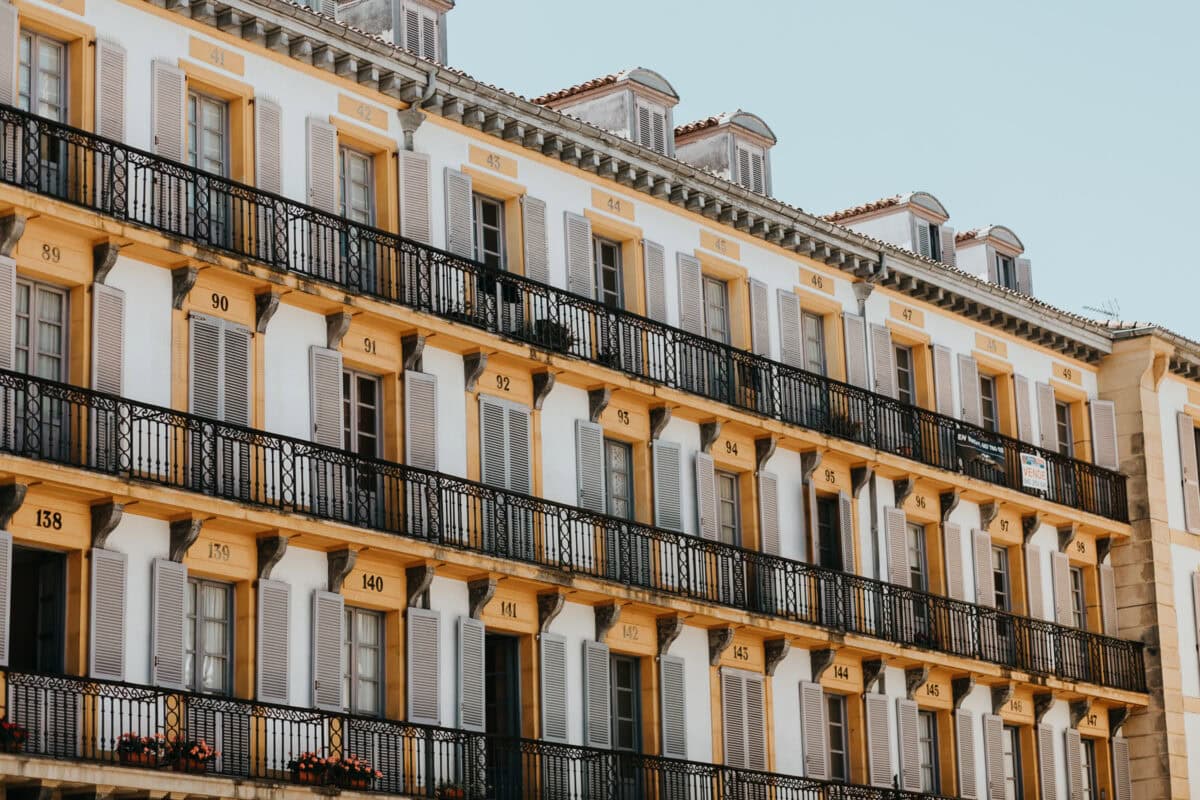
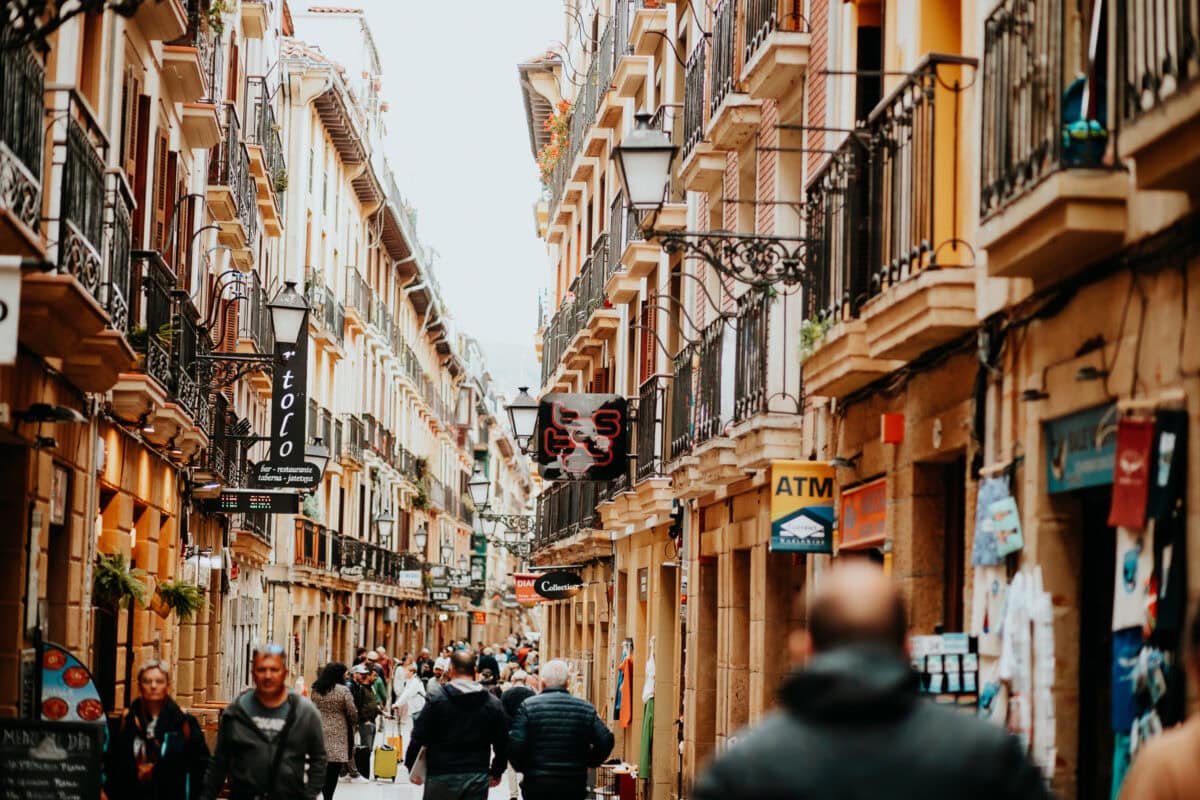
The Old Town is the heart of San Sebastián. Narrow streets, historic buildings and countless pintxo bars give it its charm. In the middle of it you will find the impressive Basilica de Santa María del Coro and, somewhat hidden, the central Plaza de la Constitución, which is surrounded by arcades and small restaurants.
2. Playa de la Concha & Ondarreta
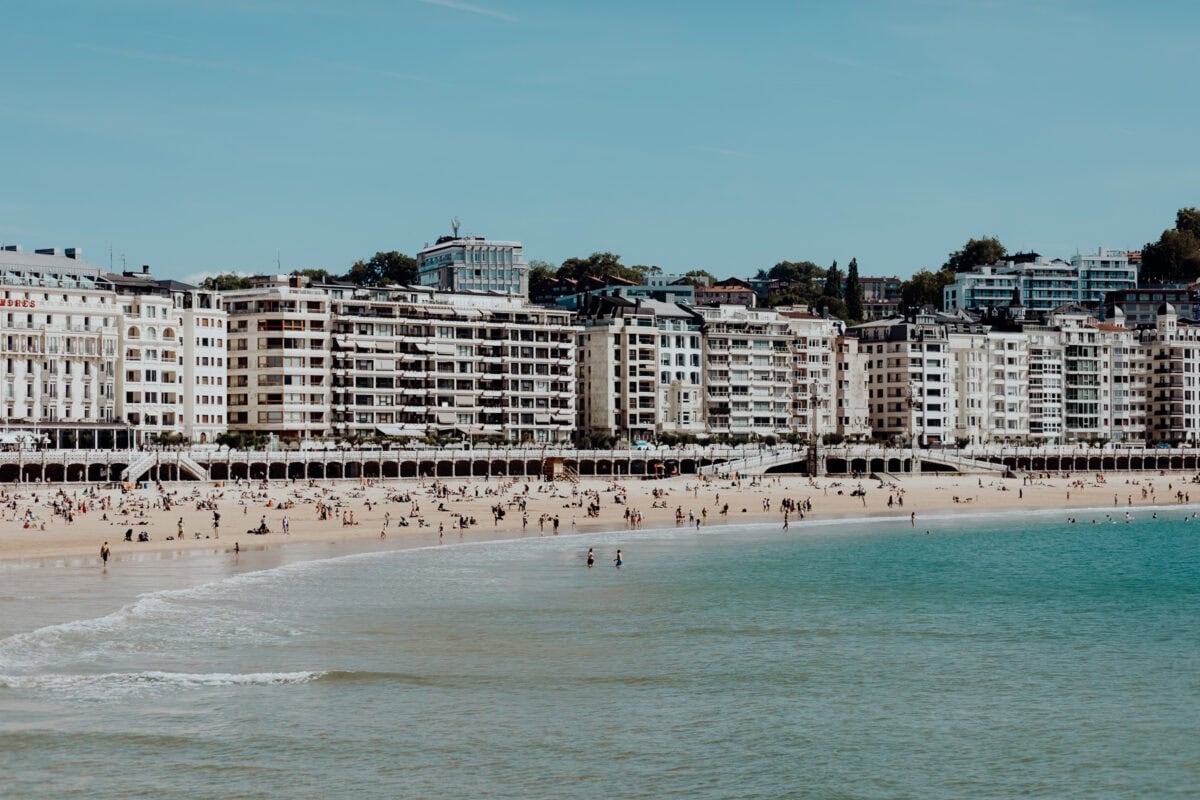
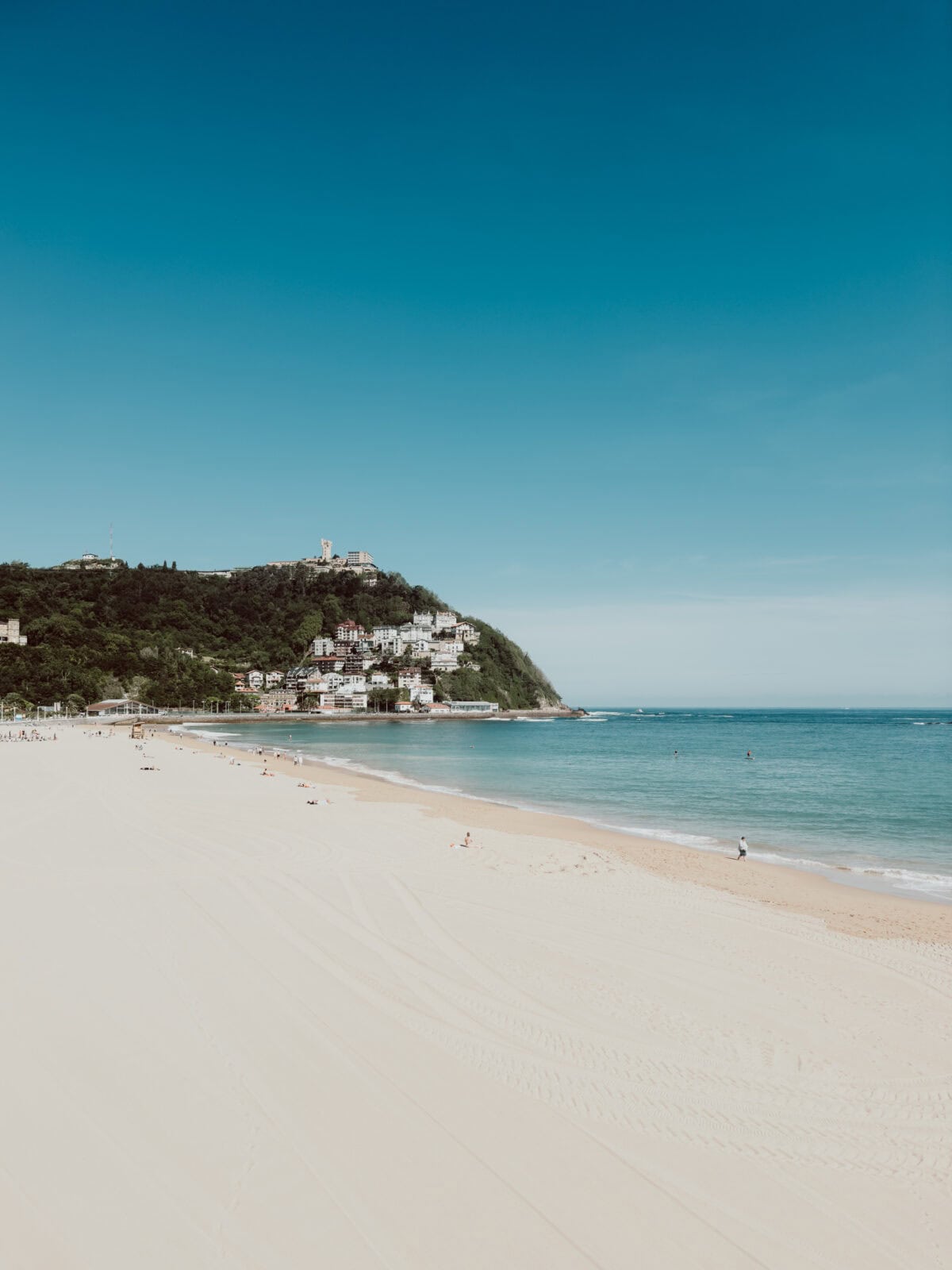
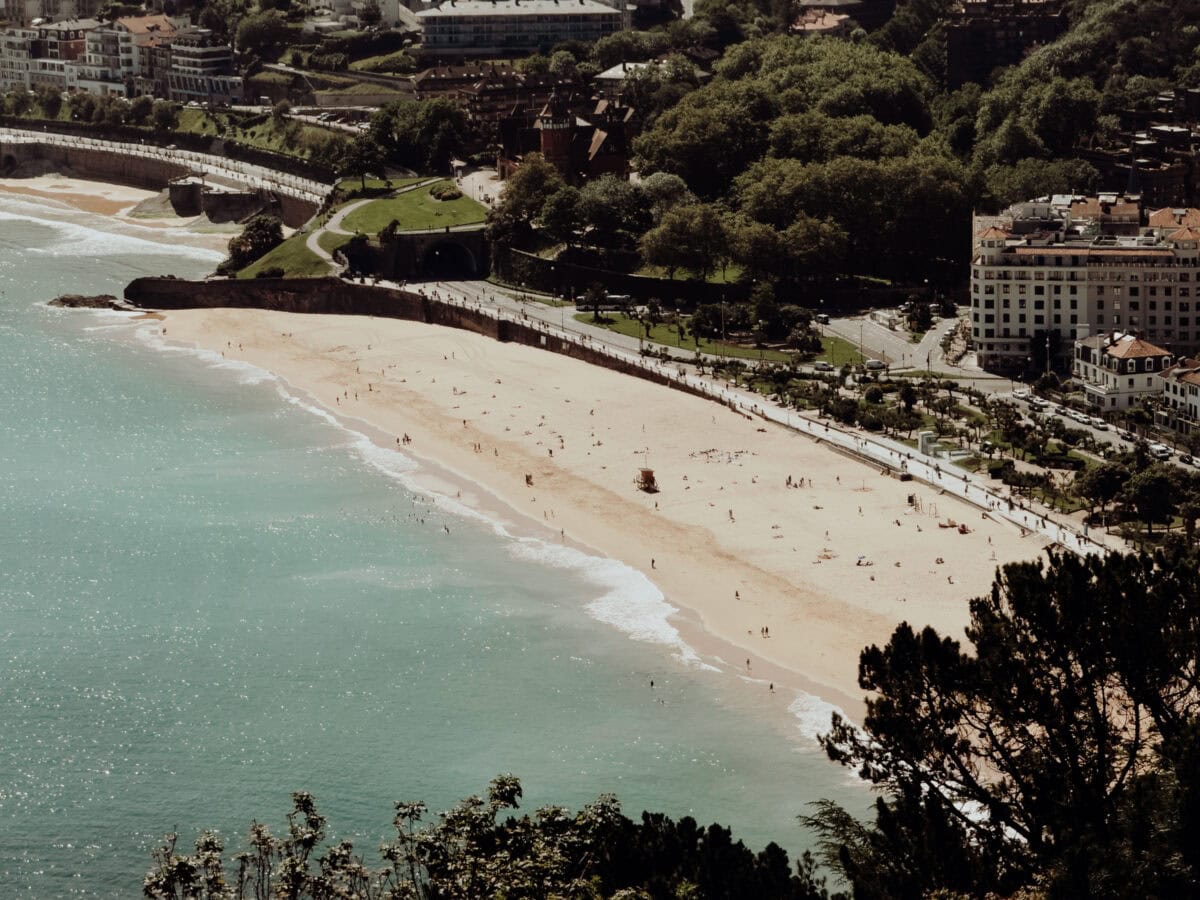
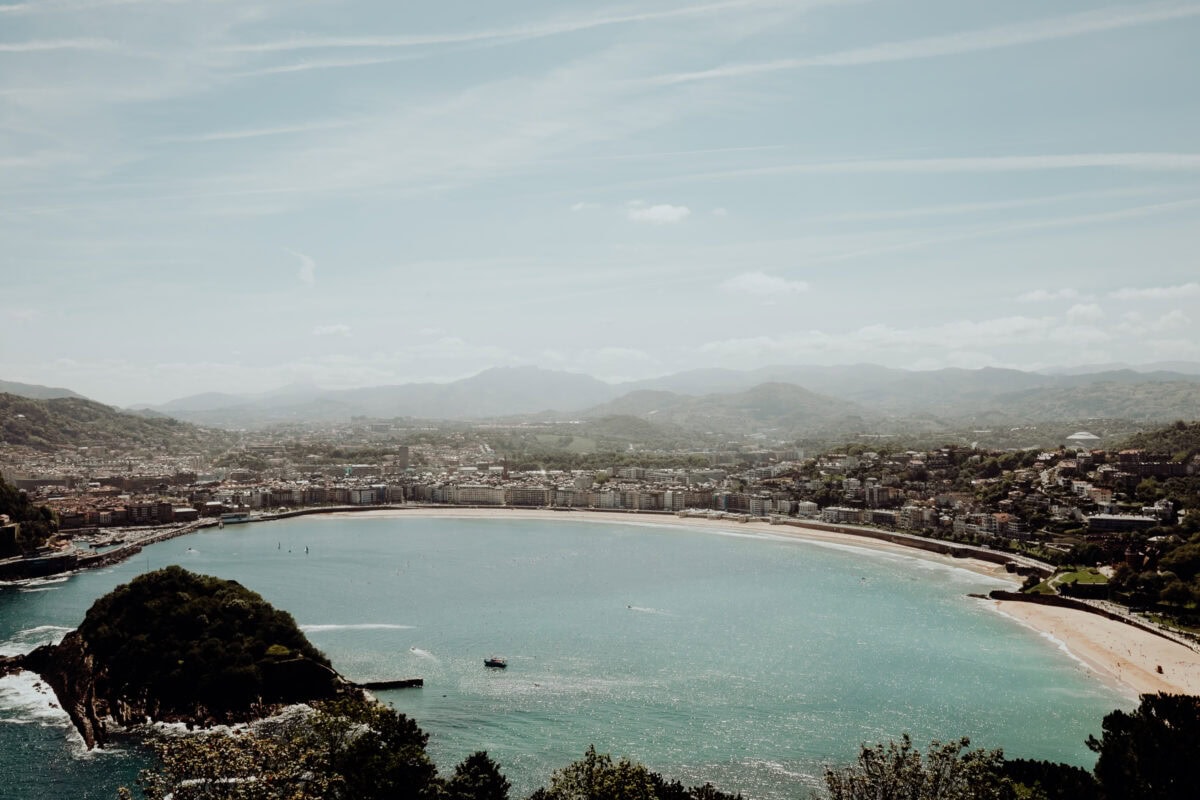
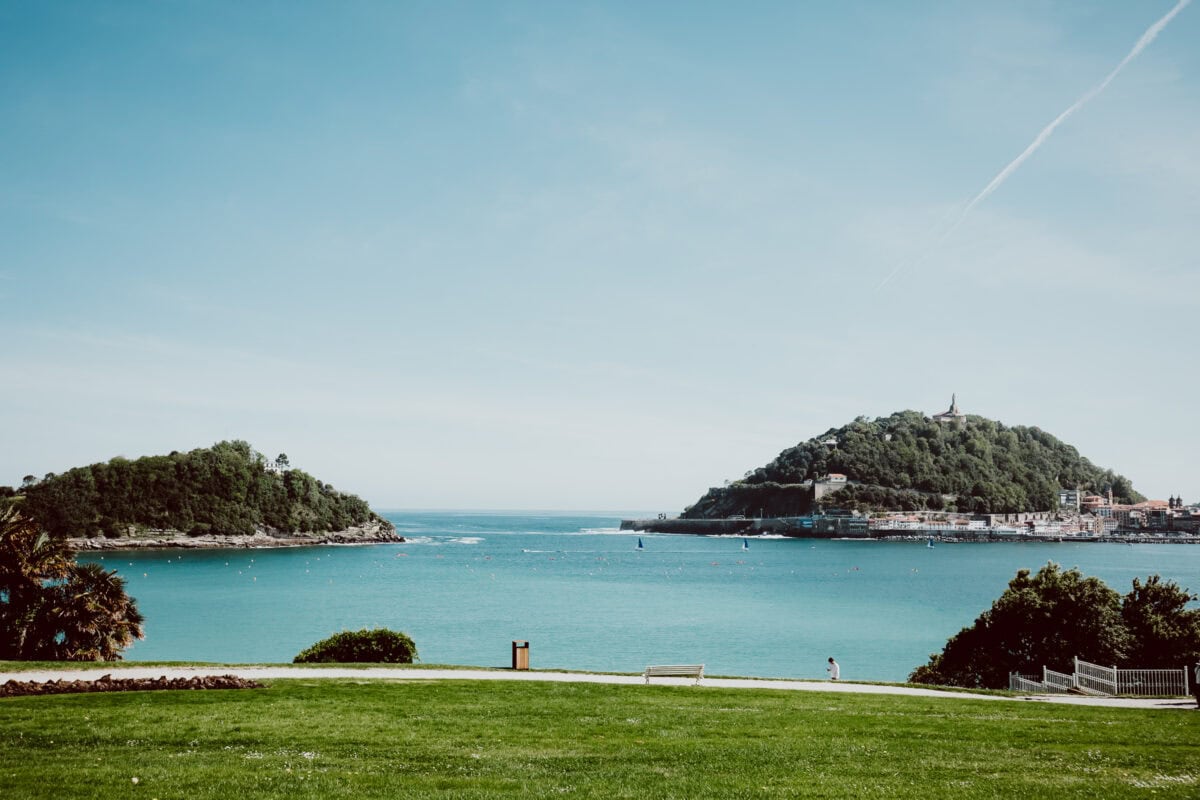
With the Playa de la Concha, San Sebastián has an impressive city beach. According to various beach rankings, the crescent-shaped bay of La Concha with its fine sand and turquoise blue water is one of the most beautiful beaches in the world. As a beach fan, La Concha has long been on my bucket list and I was not disappointed.
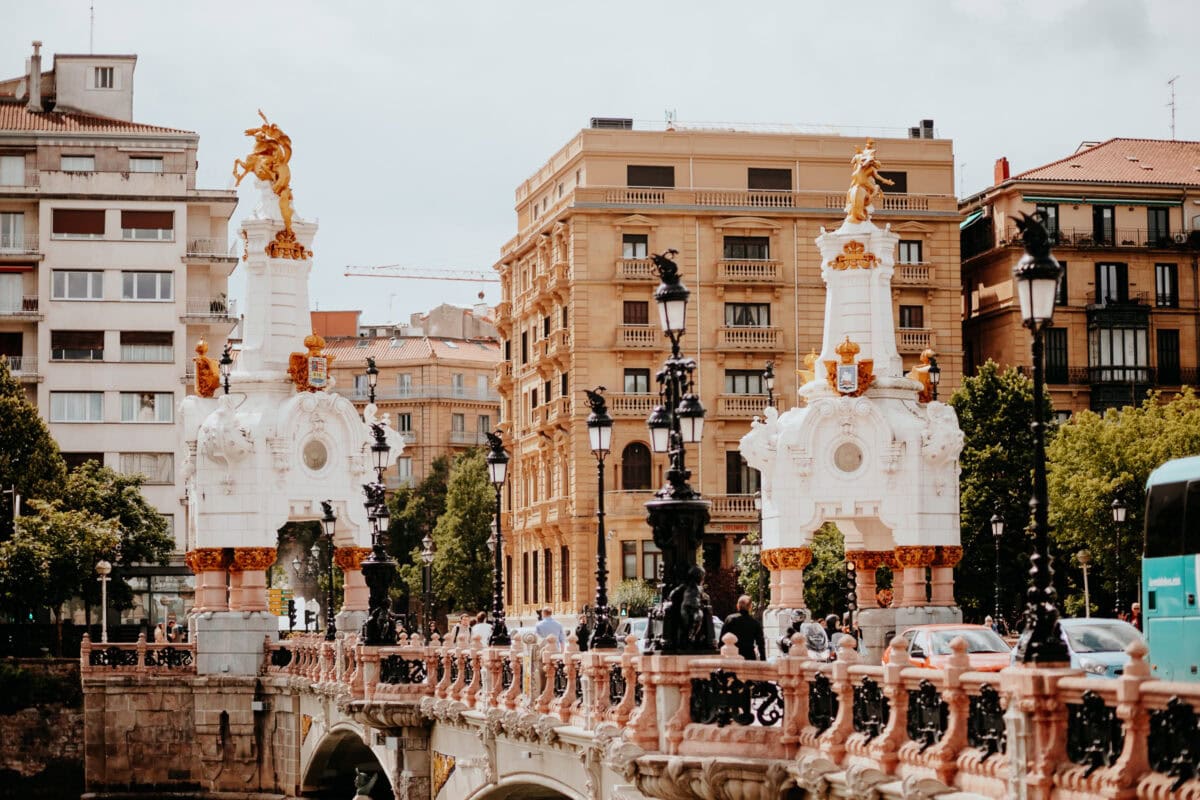
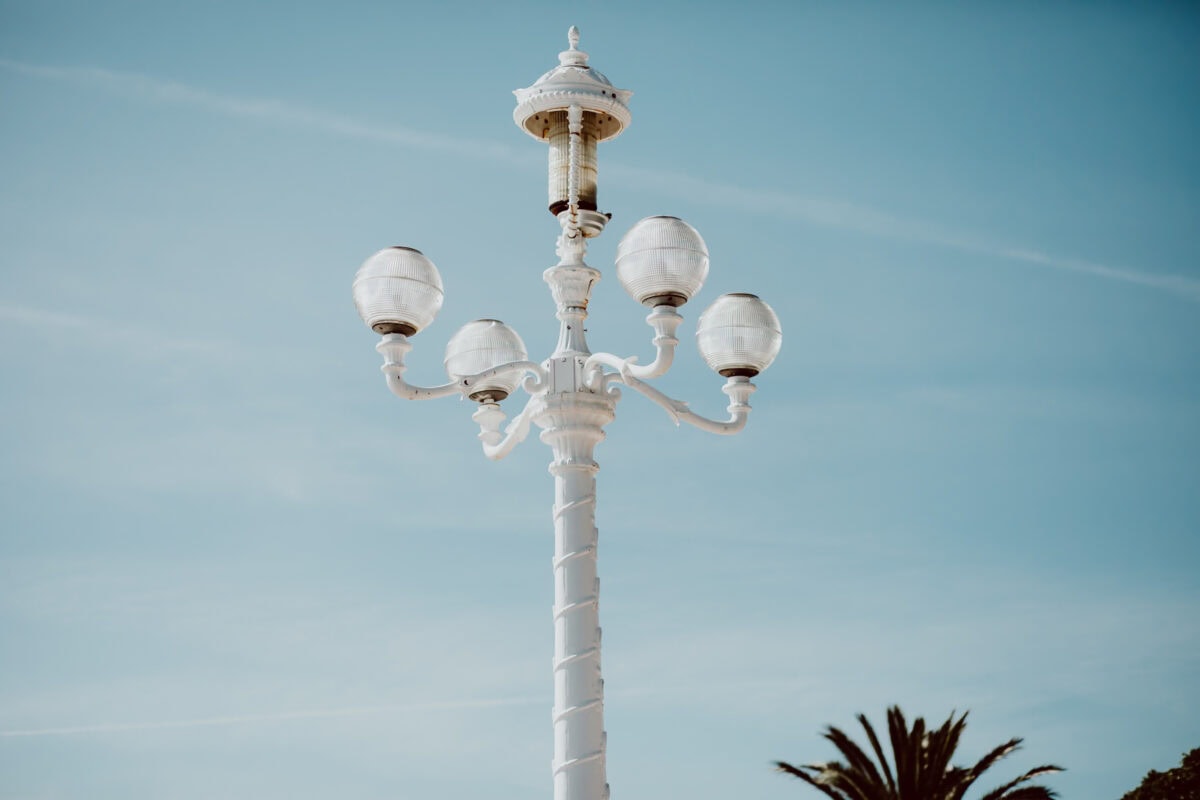
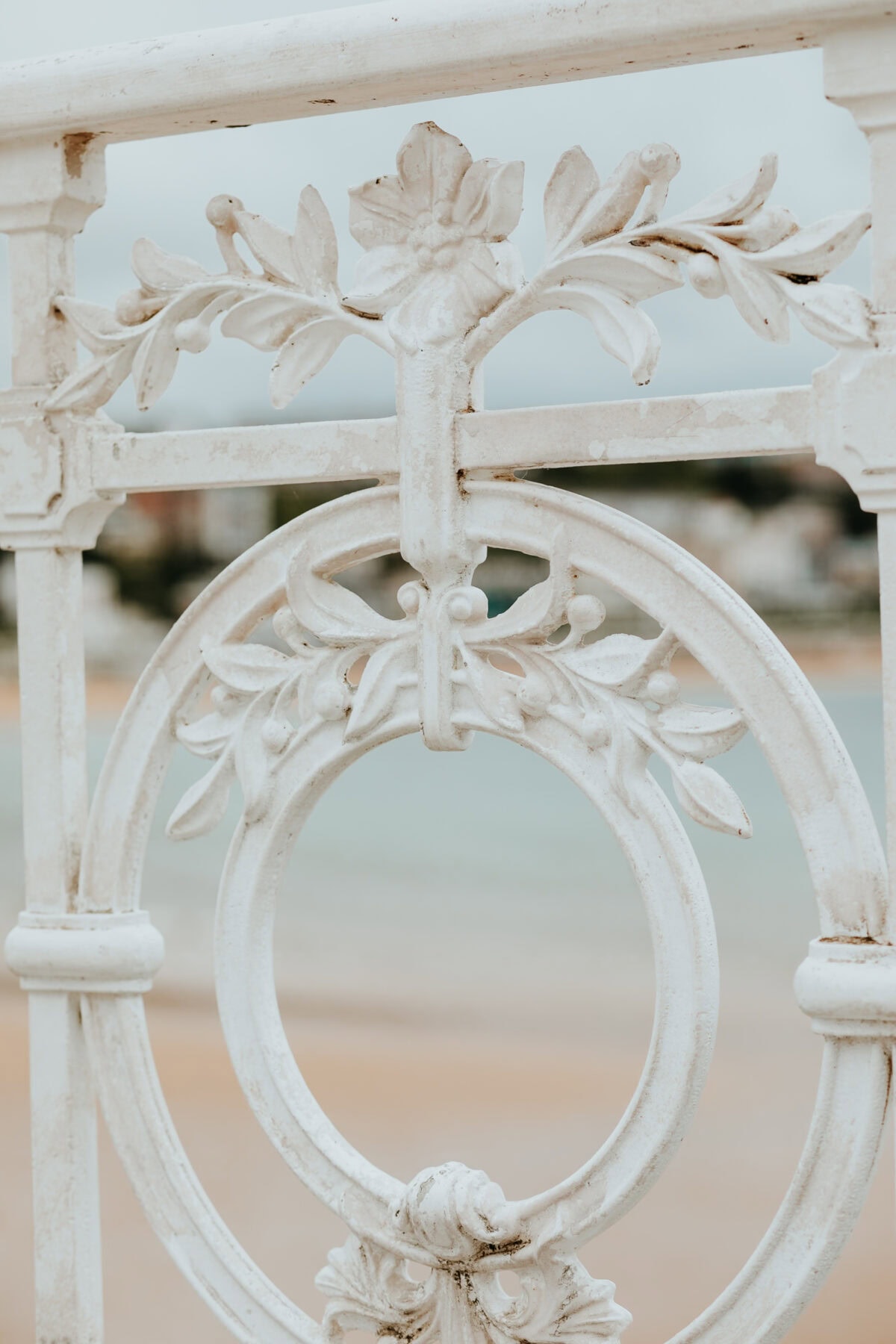
San Sebastián was the summer residence of the Spanish Queen Maria Christina from the end of the 19th century, and especially along the beach promenade you still have the feeling of being in an elegant spa town like in the old days. The elaborately decorated railing of the promenade with its filigree floral pattern is now one of the city’s landmarks.
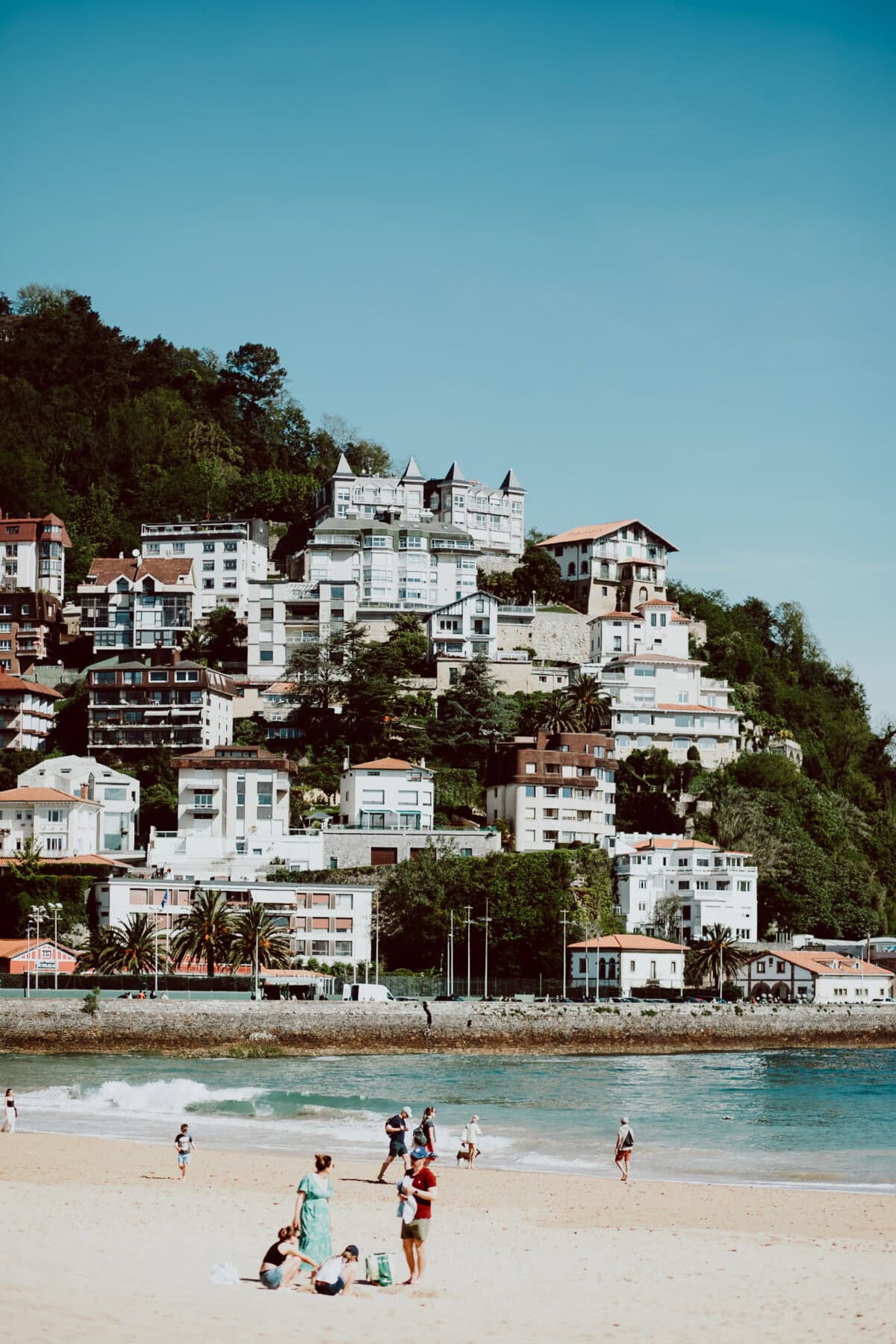
A little further away from the Old Town is the Playa Ondarreta. The beach here is also wide and beautiful, and the buildings around it are not as high and massive as on the Playa de la Concha. Perfect for chilling out for a few hours and enjoying the unique landscape.
3. Monte Urgull
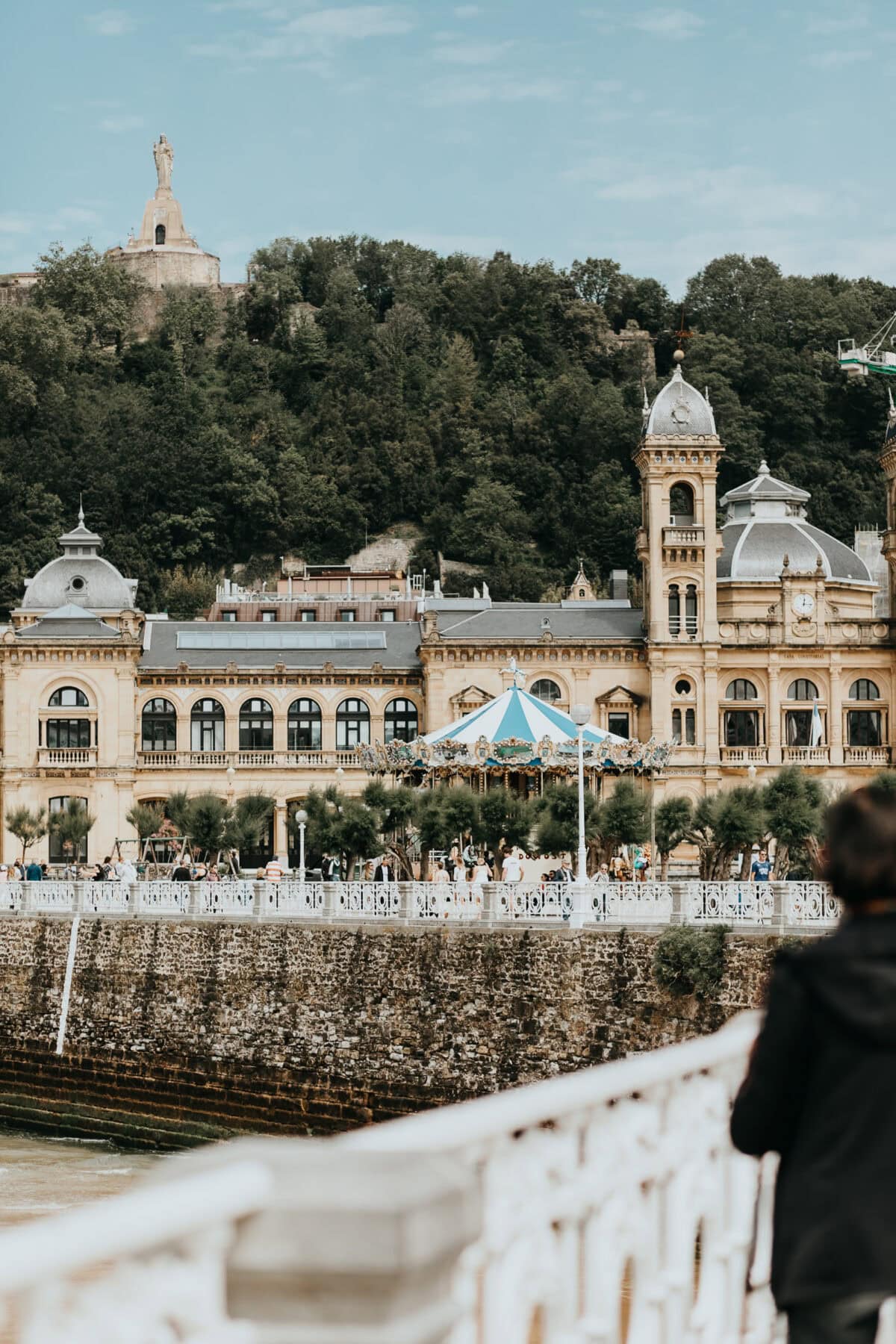
This hill offers you not only a fantastic view over the city and the bay, but also a piece of history. On the summit is the Castillo de la Mota and the Statue of the Sacred Heart. The ascent is pleasant and you can stop again and again along the way to enjoy the view.
4. Monte Igueldo
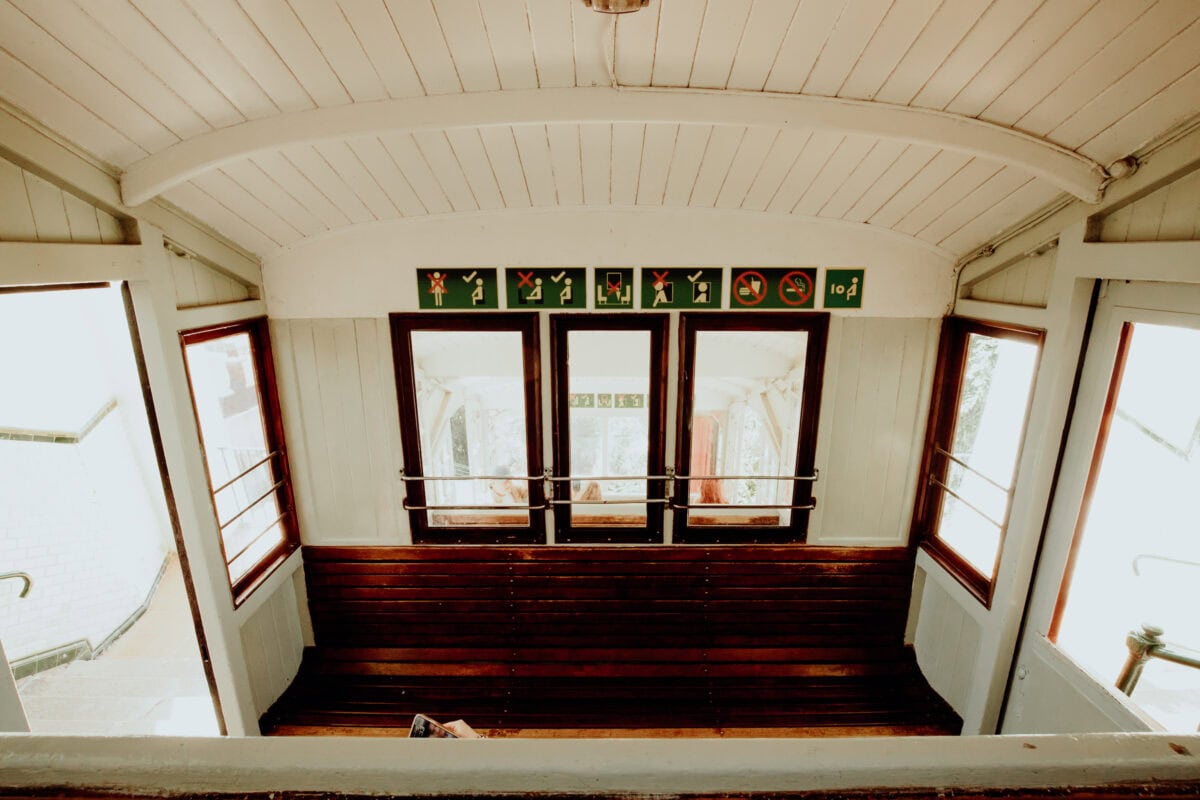
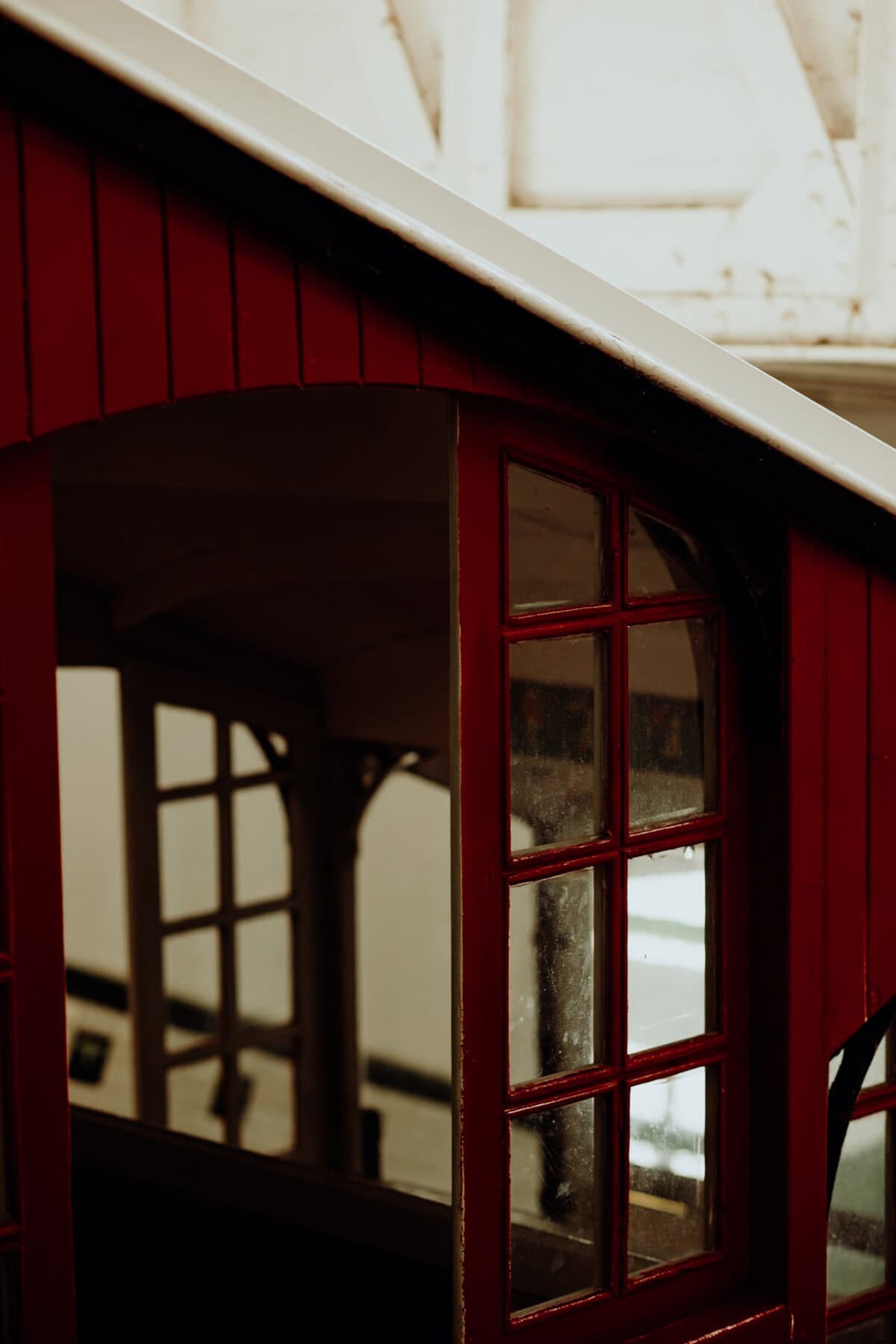
For an even more spectacular view, you can take the historic funicular to Monte Igueldo. Once at the top, a small amusement park and a view over the entire coast await you.
The funicular is really well preserved, and you should definitely take a ride on it on your trip to San Sebastián. And the view from Monte Igueldo is fantastic anyway.
5. Peine del Viento
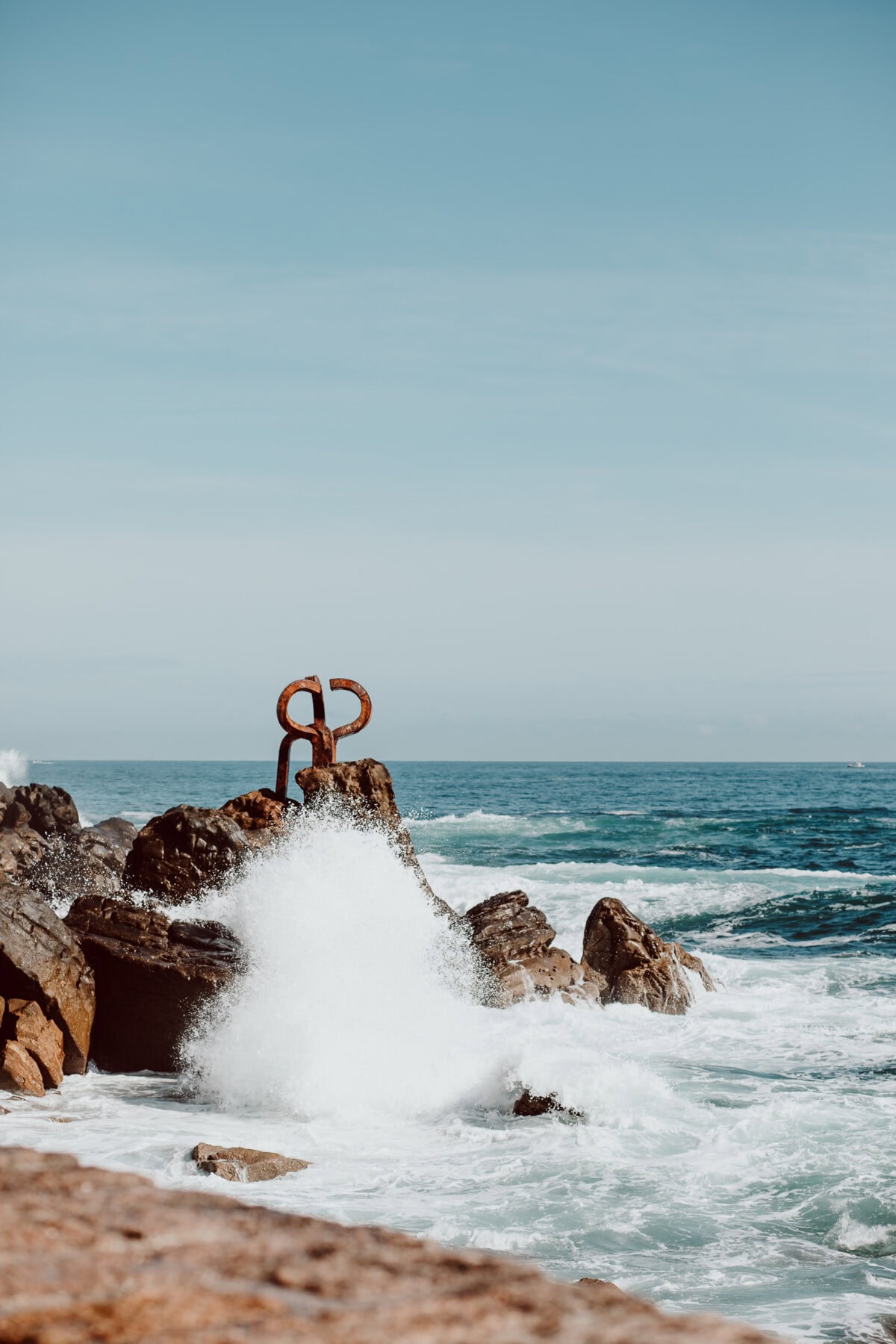
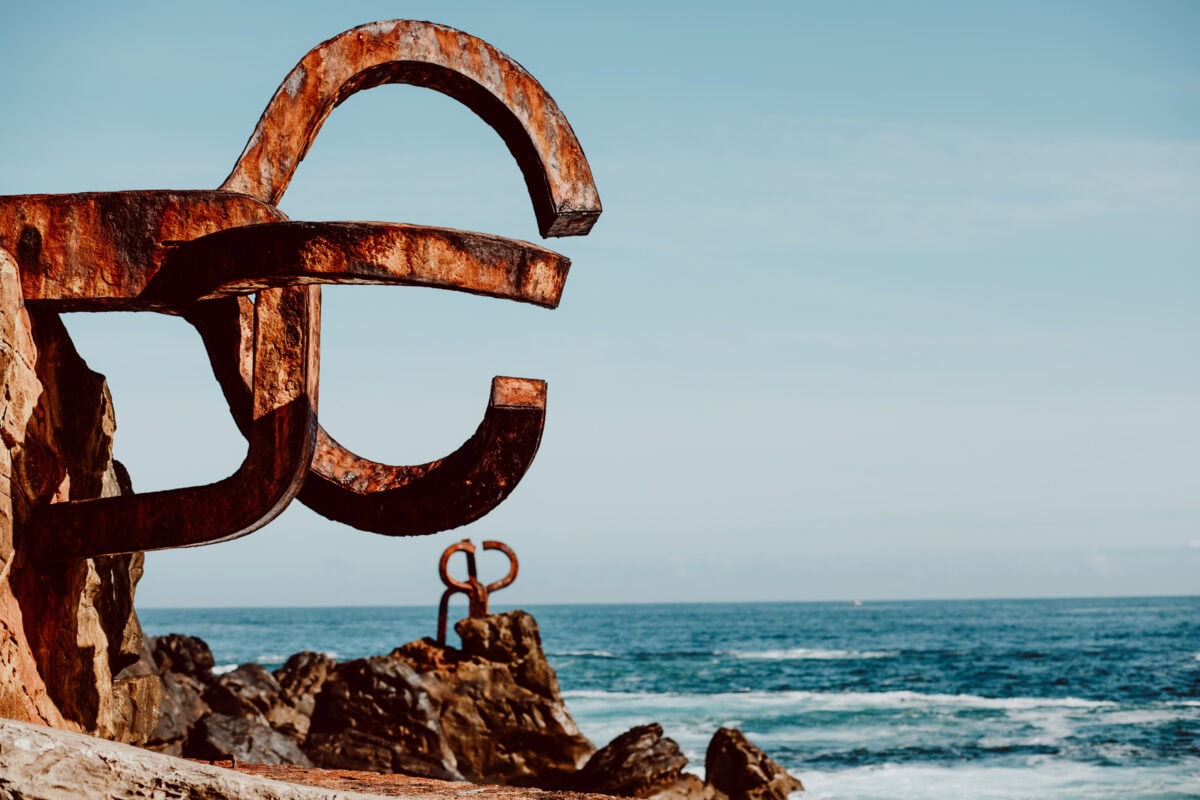
The modern sculpture “Peine del Viento” by the Basque sculptor Eduardo Chillida is located at the western end of the bay of La Concha. The three gigantic steel sculptures are integrated directly into the rocks and offer a fascinating sight, especially when the waves crash against them.
6. Chillida-Leku Sculpture Park
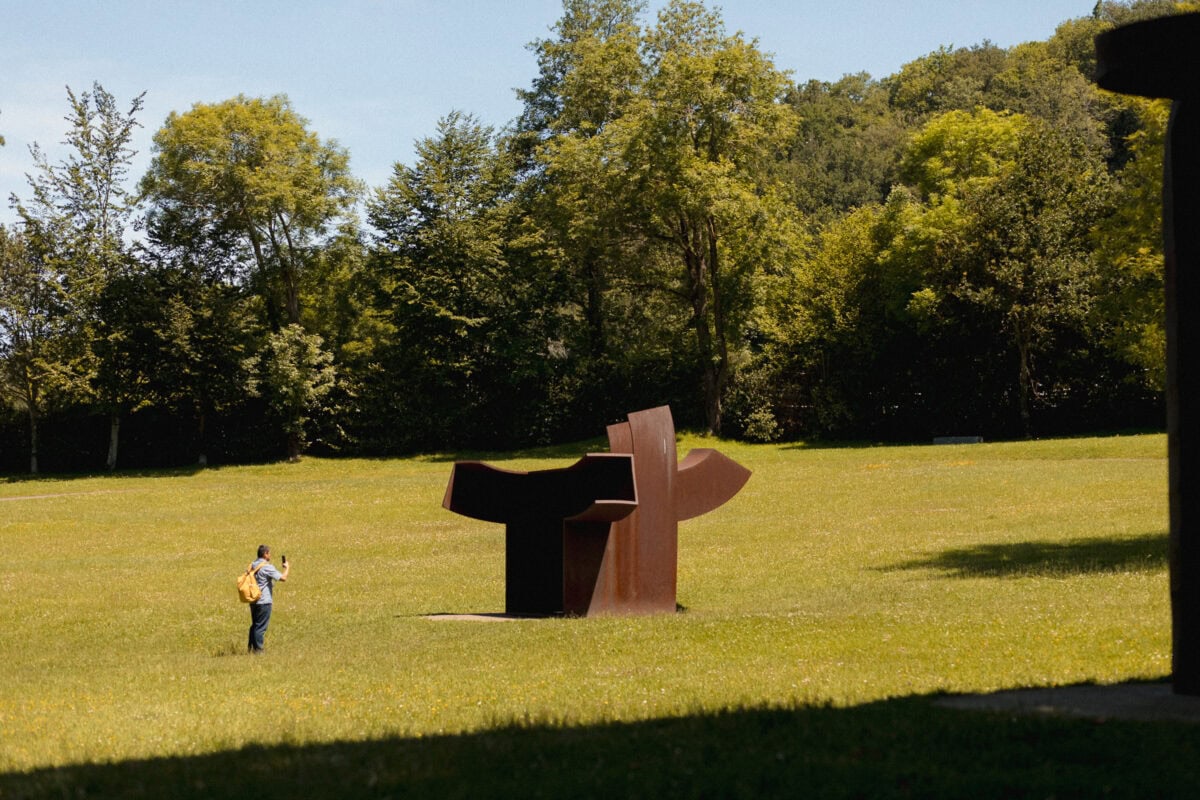
A little outside of San Sebastián is the sculpture park and museum Chillida-Leku, which is dedicated to the work of Eduardo Chillida. In a beautiful, spacious park you can admire his impressive sculptures in the midst of nature: A place of peace and inspiration.
The San Telmo Museoa is a museum for Basque culture and history and is located in an old Dominican monastery and offers an exciting exhibition that ranges from prehistory to the modern age. A visit is worthwhile to get a deeper insight into the regional culture.
8. Palacio de Miramar
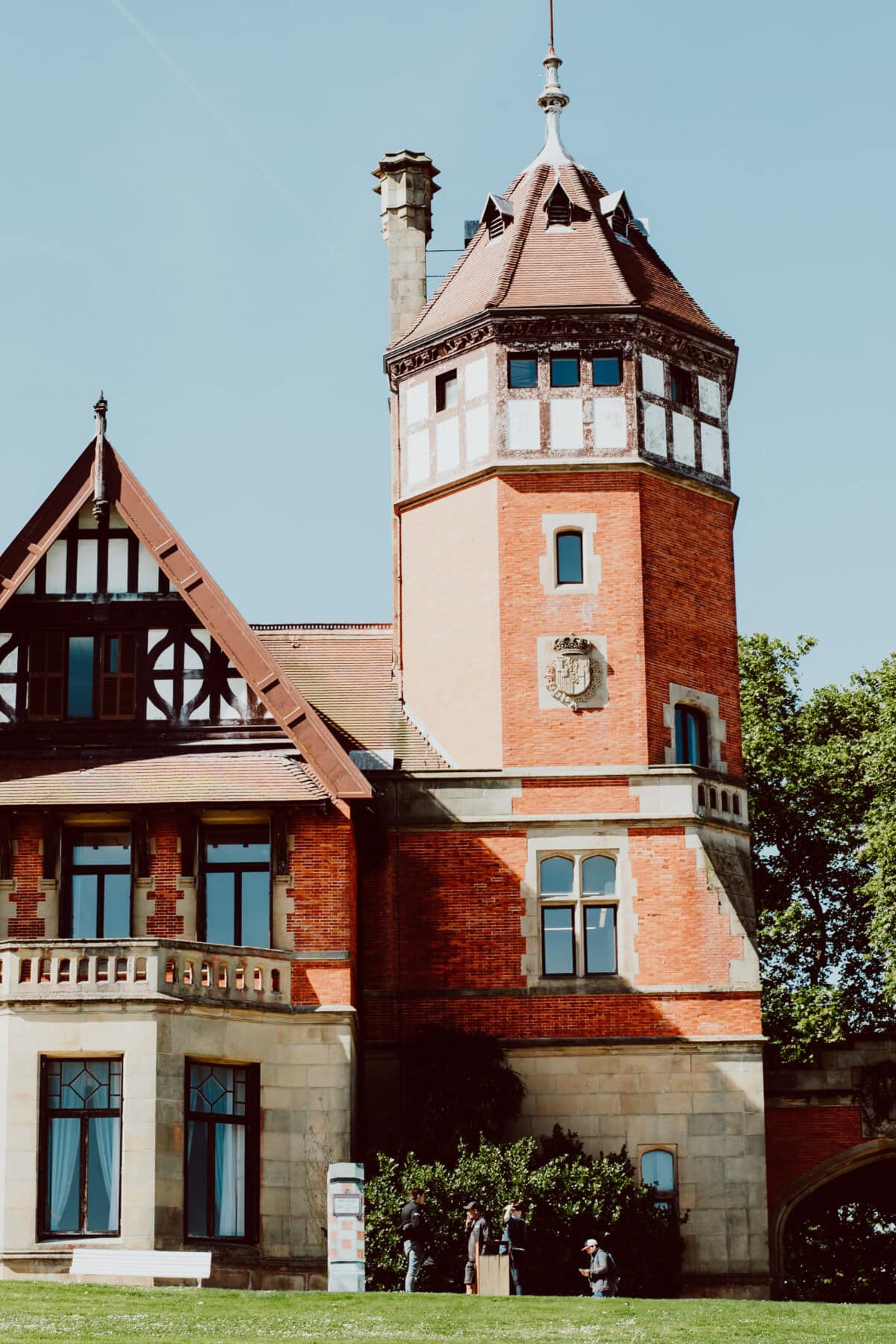
The royal palace Palacio de Miramar was built at the end of the 19th century for the Spanish royal family. From here you have a wonderful view of the bay of La Concha and feel a bit transported back to the glory days when San Sebastián was an exclusive spa resort for nobles and the wealthy. The surrounding park is perfect for a relaxing walk.
9. Catedral del Buen Pastor
The neo-Gothic cathedral is the largest religious building in the city. With its high tower and beautiful stained glass windows, it is really striking and is one of the most eye-catching sights in the city.
10. Plaza Gipuzkoa
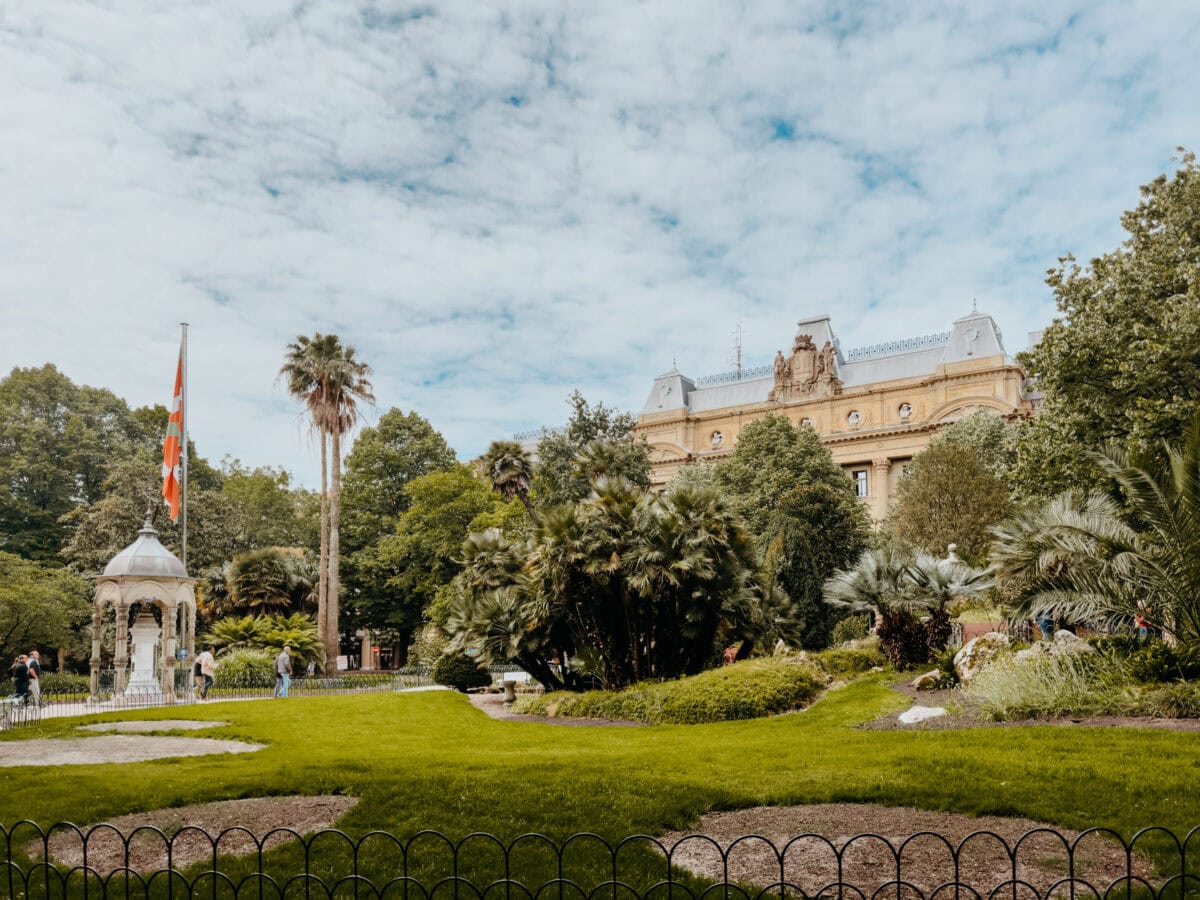
The centrally located Plaza Gipuzkoa is the green heart of the city. The well-tended gardens are the perfect place to take a break from sightseeing.
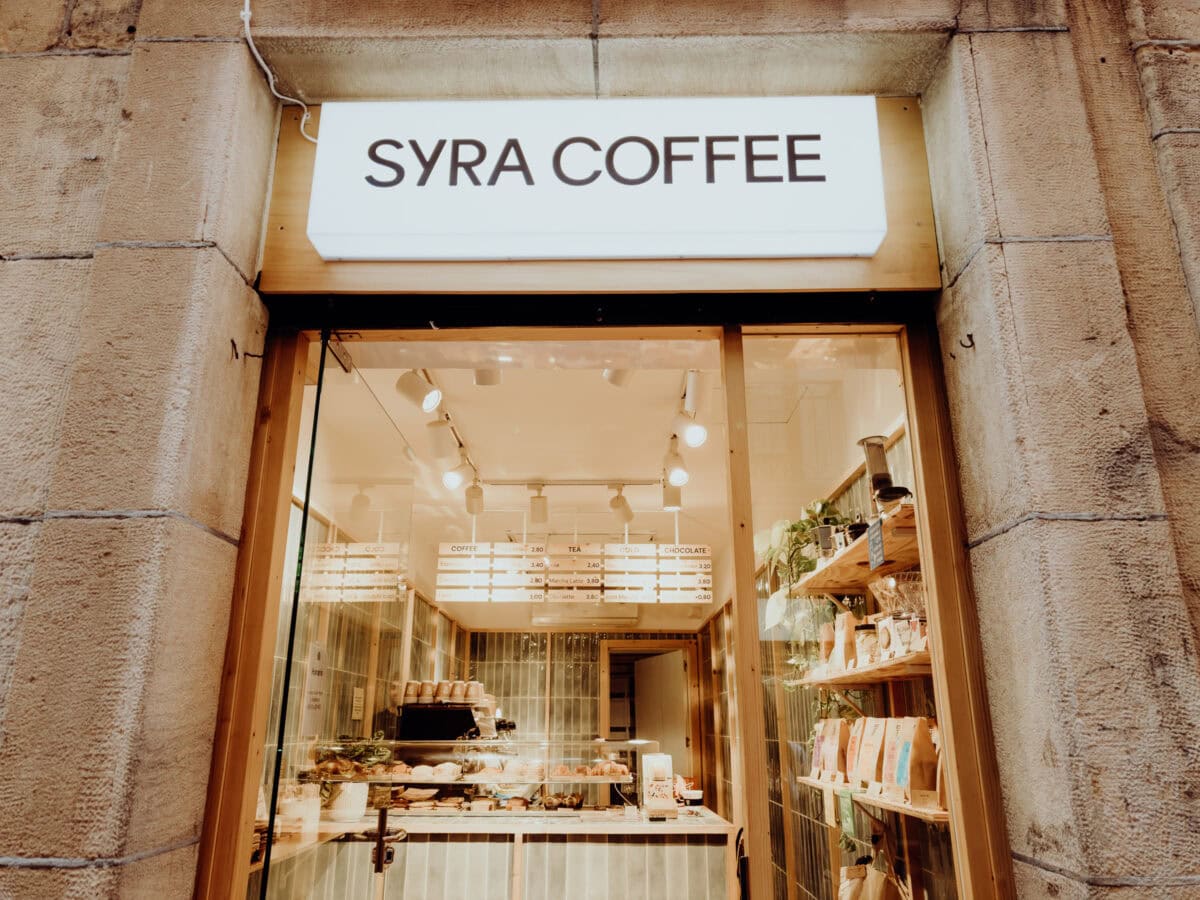
It’s best to grab a coffee at the adjacent Syra Coffee (unfortunately only to go) and enjoy the charming city life of San Sebastián on one of the park benches. Or you can go a few meters further to the casual Koh Tao, where you can sit for longer.
11. Kursaal Congress Center
The Kursaal is located just outside the actual center of San Sebastián, but is still within walking distance. It regularly hosts major events and congresses, as well as events as part of the world-famous San Sebastián Film Festival.
San Sebastián is an absolute paradise for gourmets. The city has the highest density of Michelin stars per square meter in Europe. If your budget doesn’t stretch to star-rated cuisine, you don’t need to worry. Even with a normal wallet you will be able to sample the local specialties fantastically: San Sebastián is considered the cradle of the Pintxo tradition.
On a pintxos tour through the Old Town
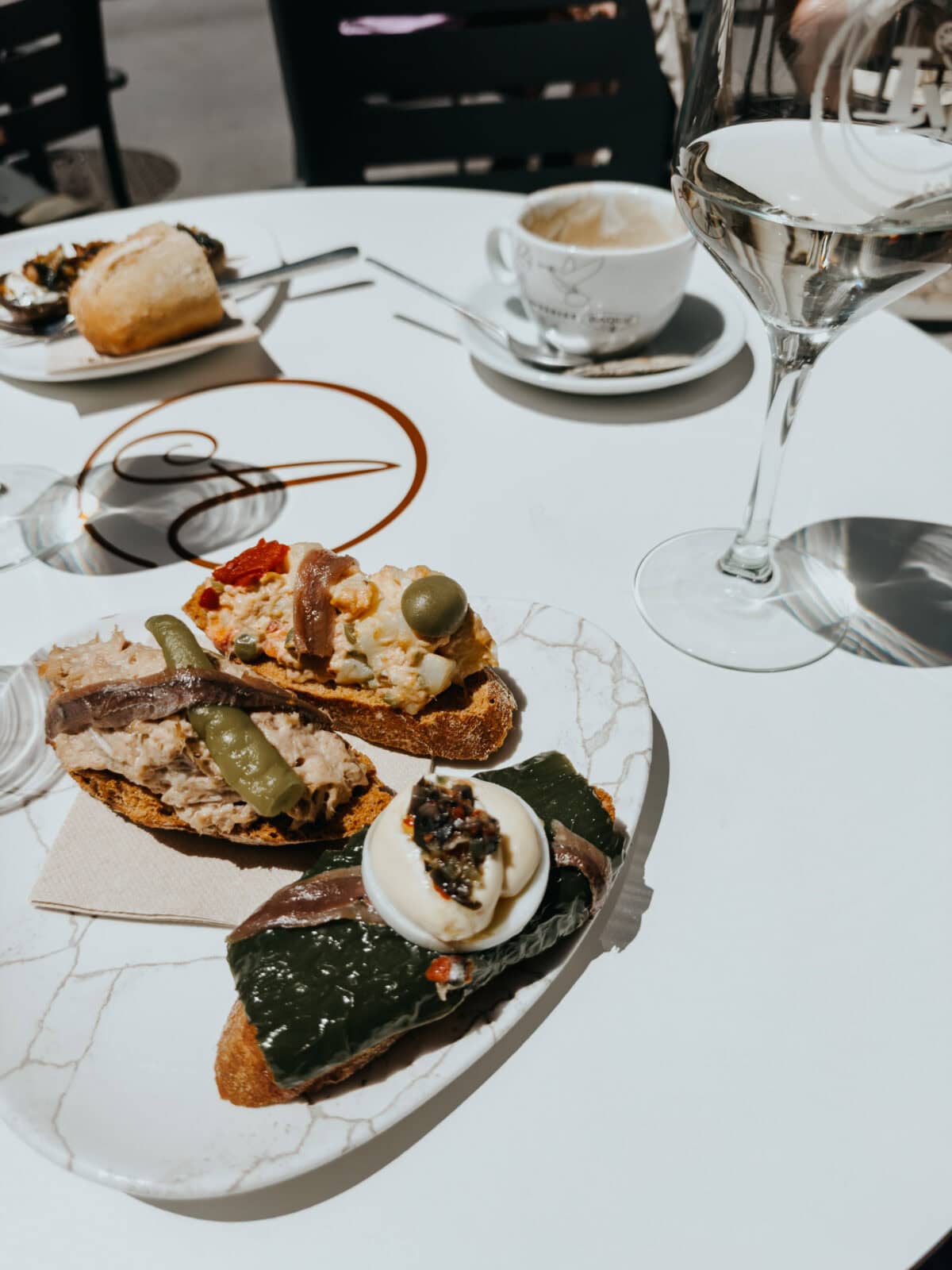
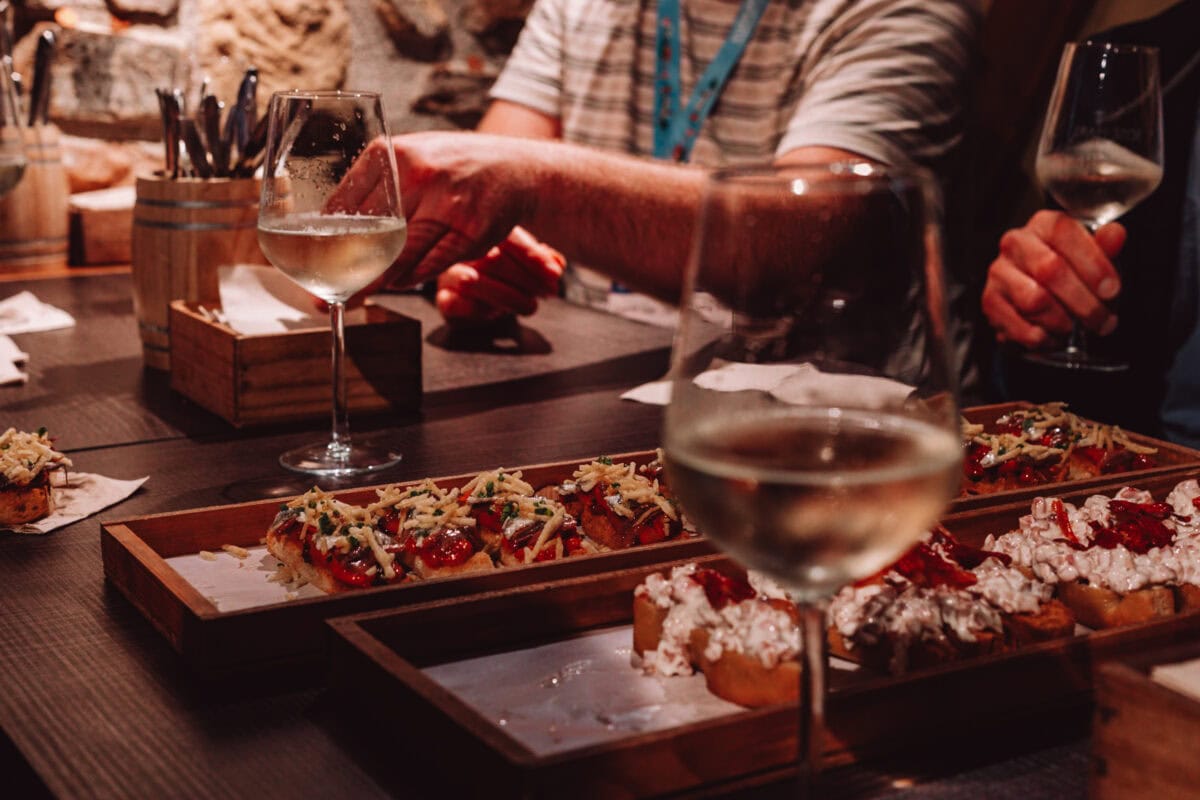
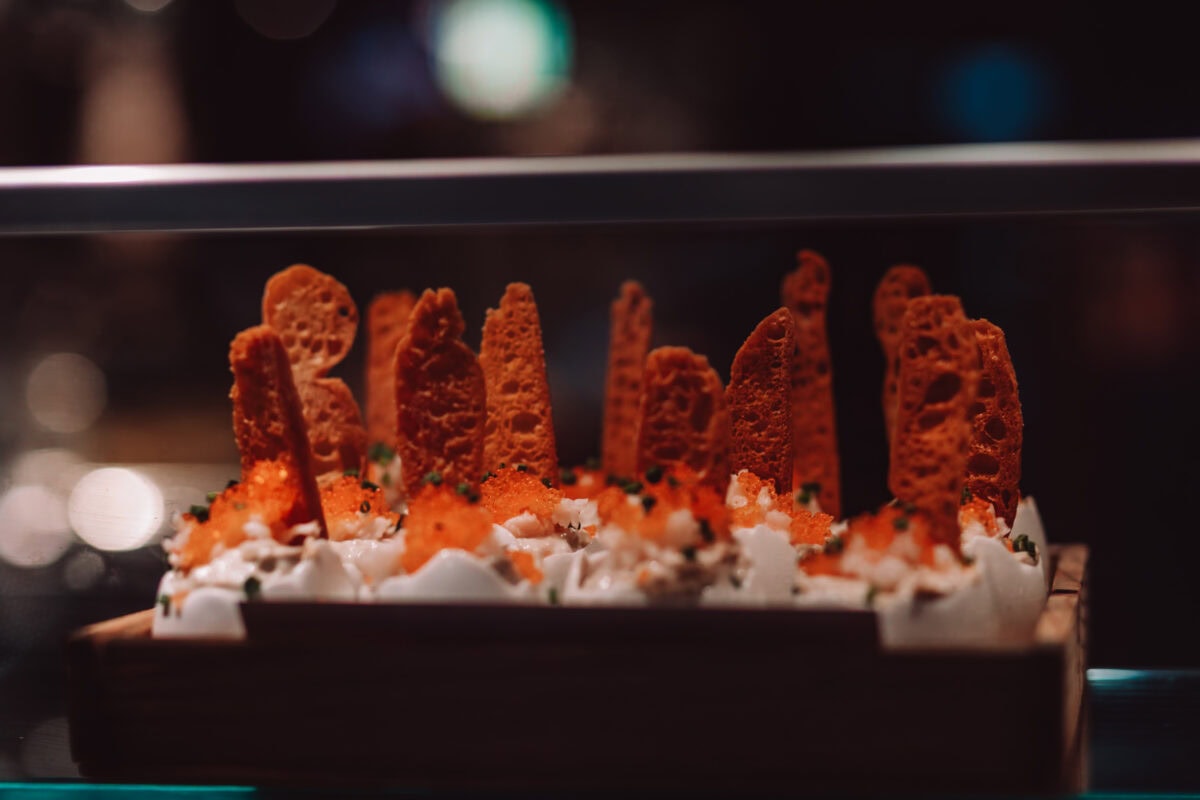
Pintxos are small snacks that are served like tapas with a drink. You often choose your pintxos at the bar and then have them served at your table. In the old town of San Sebastián, there are many restaurants that have almost elevated their pintxos to an art form, the canapés are so elaborately assembled and presented.
Tip: If you don’t know where to start because of all the offers, I recommend a food tour through the old town!
Pintxos are perfectly accompanied by a glass of Txakoli (pronounced: Chak-ko-lee); this is a very light, fruity white wine with some carbonation and typical from the Basque Country. Maybe your Txakoli will also be poured in the traditional way: For this, the bottle is stretched high and the wine is swung so vigorously in the glass that it foams up again. A real show!
Cidre: The sparkling cider with show effect
Incidentally, cider, a sparkling wine made from apples, is also popular in the region. Like Txakoli, cider is super refreshing, but has a lower alcohol content. I personally like Txakoli much better. The cider I tried everywhere in San Sebastián was too tart for me. But as always, it’s a matter of taste – it’s best to see for yourself and try both!
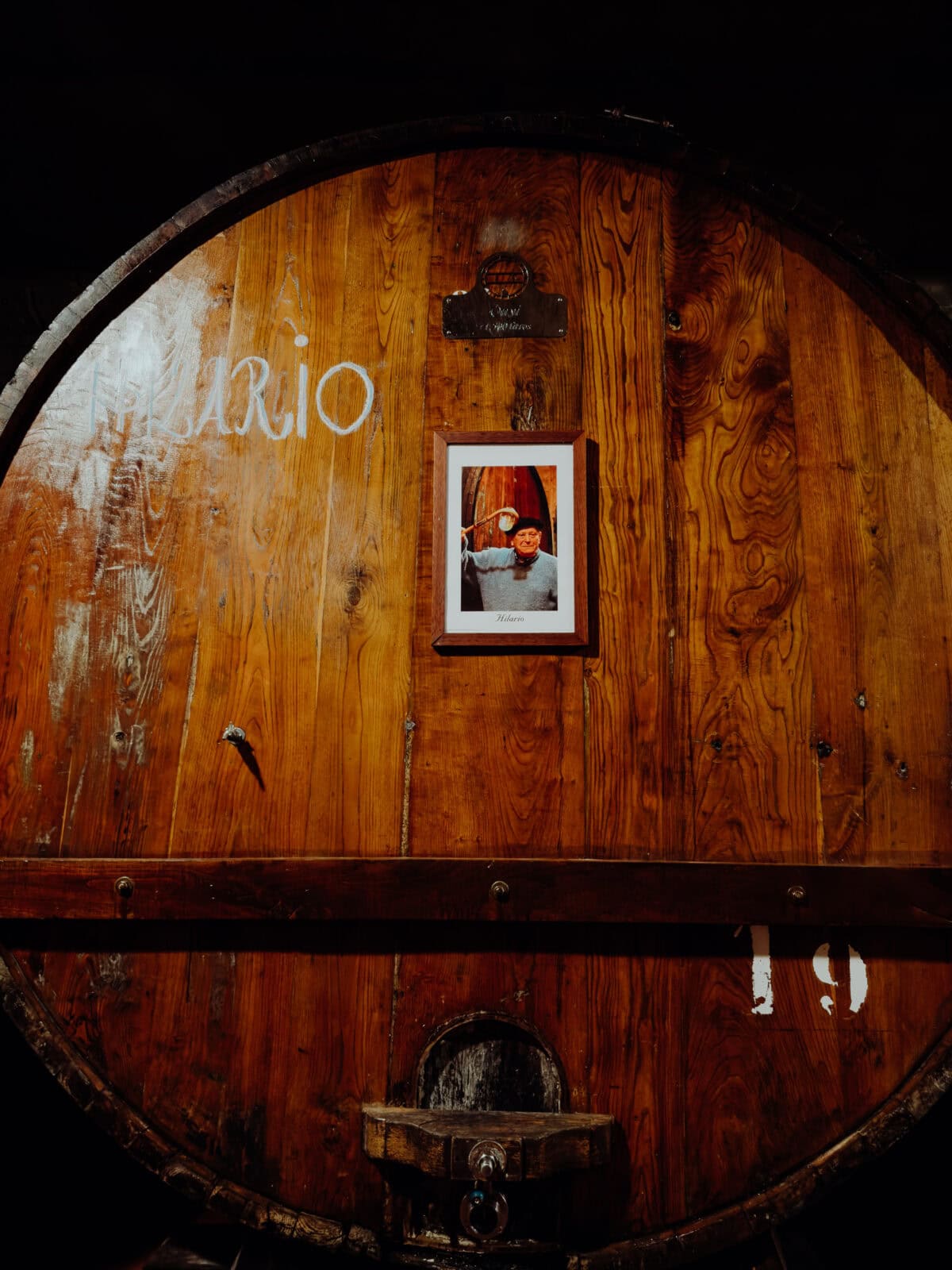
You can get cider in many pubs in the city. But it’s also worth taking a trip to a traditional sidreria such as Petritegi. Here you can experience the entire production process, from growing and harvesting to maturing the cider. Particularly impressive are the large barrels in which the cider is stored and the traditional restaurant, where you can sample other Basque specialties in a rustic atmosphere.
Tip: These traditional sidrerias are located outside the city. If you are not traveling by car, you can also join a tour. It’s more relaxed anyway, because then you can try the cider at your leisure!
Here are a few food tips that you shouldn’t miss out on:
Bar La Cepa This traditional pintxo bar in the Old Town is a classic. Be sure to try the Jamón Ibérico and the delicious Bacalao pintxos (cod snacks).
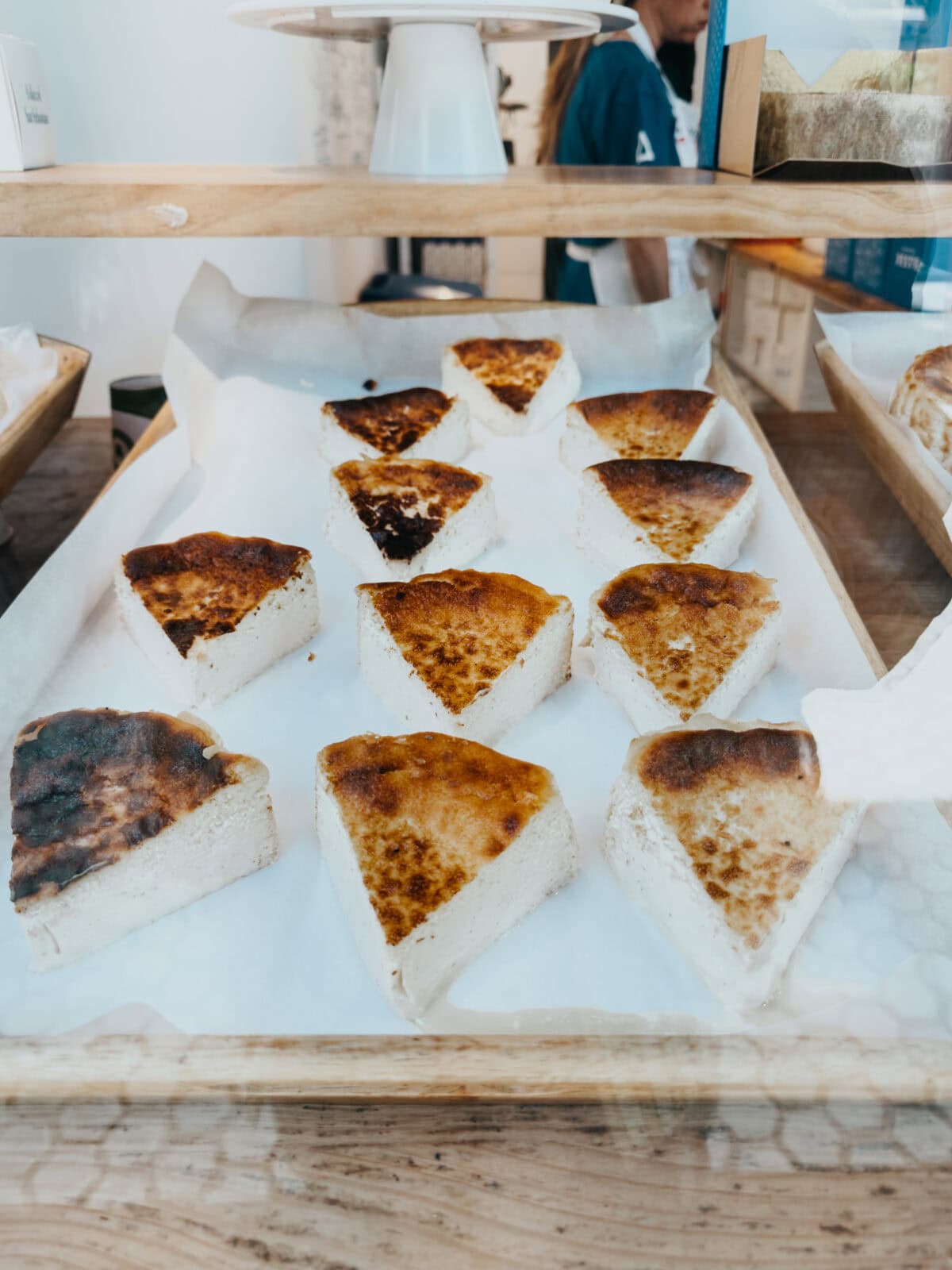
La Viña Here you get the best cheesecake in town. Maybe you’ve already heard of San Sebastián Cheesecake? It is world famous and literally melts on the tongue. Personally, it is far too creamy and buttery for me, but you should definitely try it.
Mercado de la Bretxa If you love fresh, local products, you should visit this market. Here you will find everything from fresh fish to Basque cheese specialties. Perfect for buying a few treats for a picnic on the beach.
But there are so many more great food locations to discover in San Sebastián! More tips will therefore soon be available in my San Sebastián Food Guide.
Staying in San Sebastián
Finding a pretty hotel in San Sebastián is not difficult. However, I would rather advise against choosing a place to stay in the middle of the Old Town. Especially in the season and on weekends it can get very loud here at night. In addition, the entire Old Town is car-free, so you have to carry all your luggage over cobblestones through the narrow streets to your accommodation.
I can recommend The Social Hub San Sebastián*. Although it is not directly in the city center, you can be in the middle of the city in 15 minutes by bus; you can simply buy contactless tickets on the bus when boarding. The rooms are super spacious and stylish, and you can work, read or just sit together in the lobby or restaurant. In summer, there’s also a great rooftop bar with a pool and a view; events are held regularly.
Events and activities: What you can do in San Sebastián
San Sebastián International Film Festival The renowned film festival attracts film stars and cineastes from all over the world every year in September. A great opportunity to discover new films and maybe even meet a star or two.
Tamborrada: On January 20, the day of Saint Sebastian is celebrated. The whole city is in a festive mood and there are parades with drummers in traditional costumes. An experience you should not miss if you are in the city around this time.
Water sports: San Sebastián is perfect if you are into water sports. The Zurriola beach in the Gros neighborhood, for example, is particularly popular with surfers. Don’t feel like lugging around all the equipment? You can book a full-day surfing trip here*
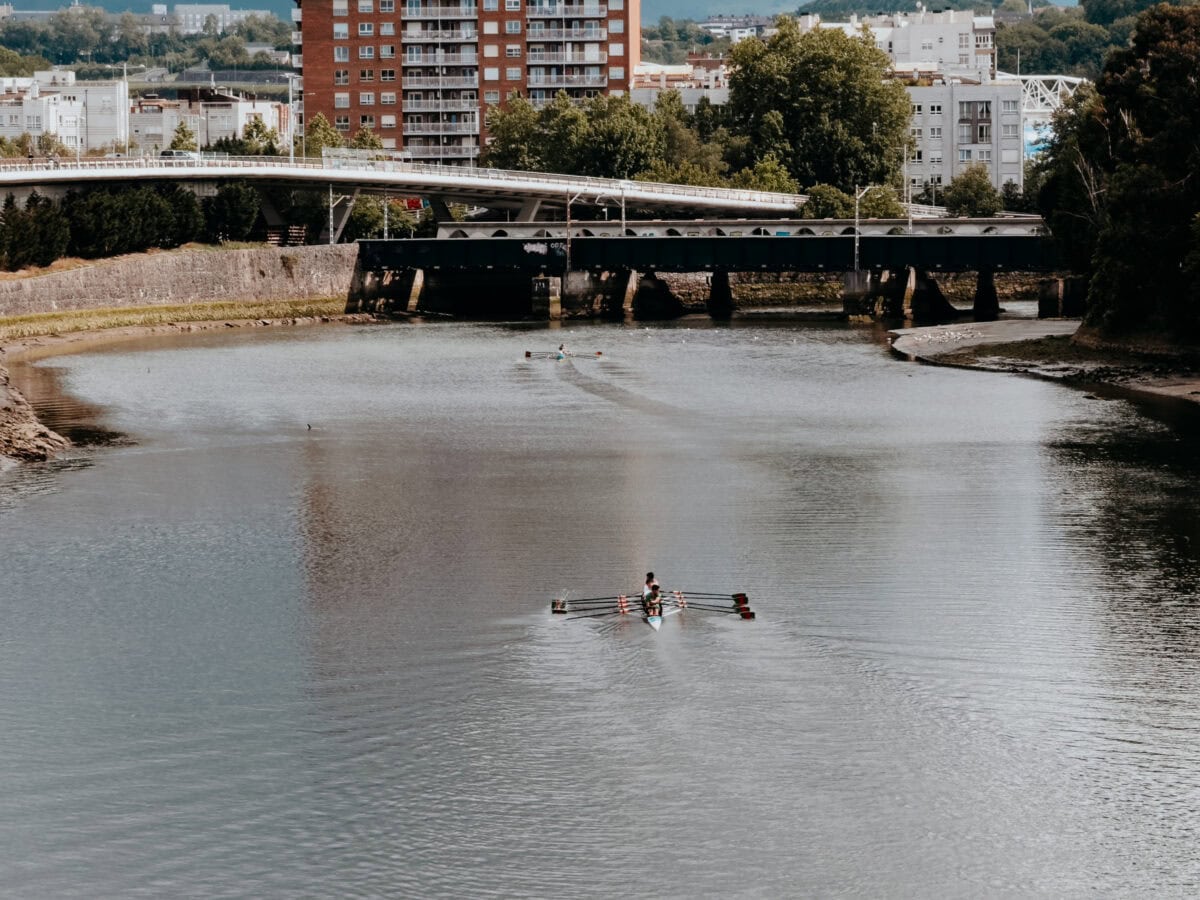
Or you can try your hand at the Basque national sport, rowing!
Around San Sebastián
In general, the Basque Country is a super exciting region and it’s worth spending more time here. San Sebastián, for example, can easily be incorporated into a road trip through the Basque Country and the French Atlantic coast with Saint-Jean-de-Luz and Biarritz is also not far away.
San Sebastián has its own airport. However, it is very small and is usually only served by Spanish airlines that connect San Sebastián with other domestic destinations.
It is more practical to travel via Bilbao airport. From there, there is a regular bus service (approximately every hour) to the bus station in San Sebastián. Although this is not directly in the city center, it is still easily accessible by public transport.
If you’ve ever experienced Palma in summer, you won’t recognize the capital of Mallorca, especially in January. The alleyways of the old town are no longer bustling with people, some stores are even completely closed and you are generally more likely to meet locals than tourists. But January still has a lot to offer – such as the exciting Correfoc!
The Correfoc also moves along the Passeig del Born, which is still lit up for Christmas.
What is Correfoc?
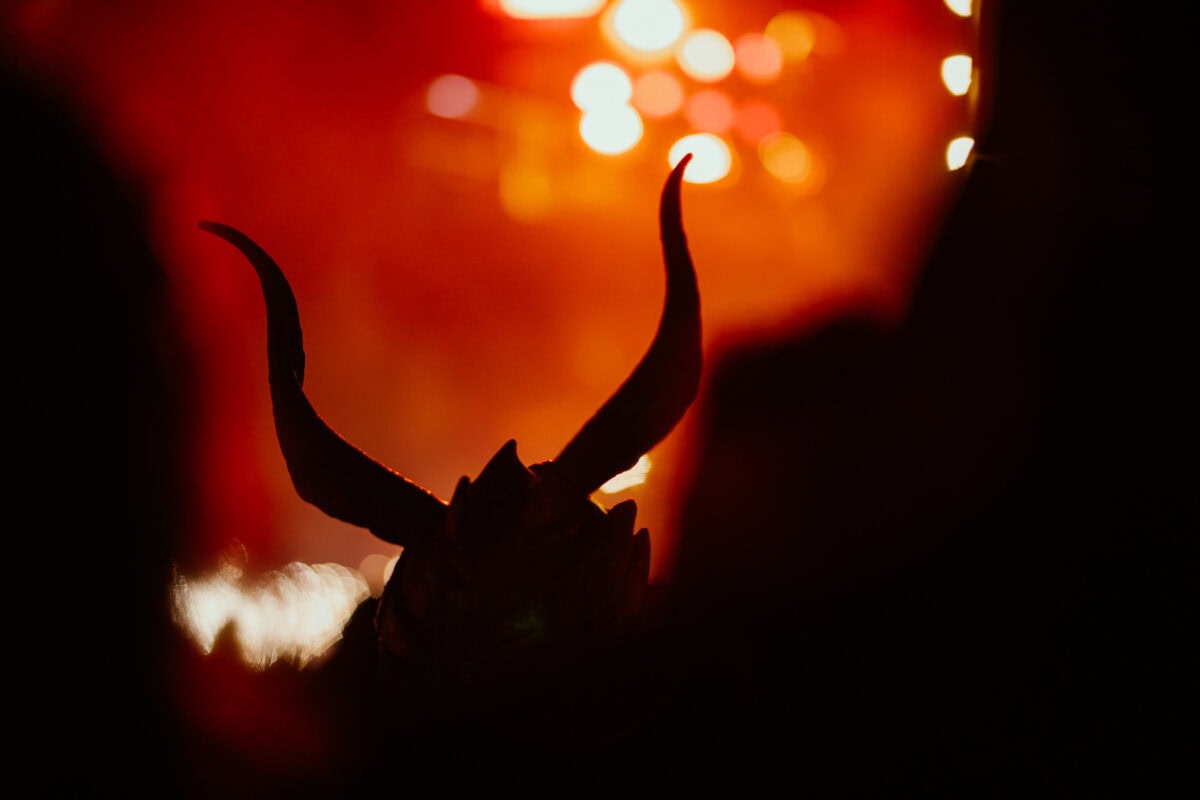
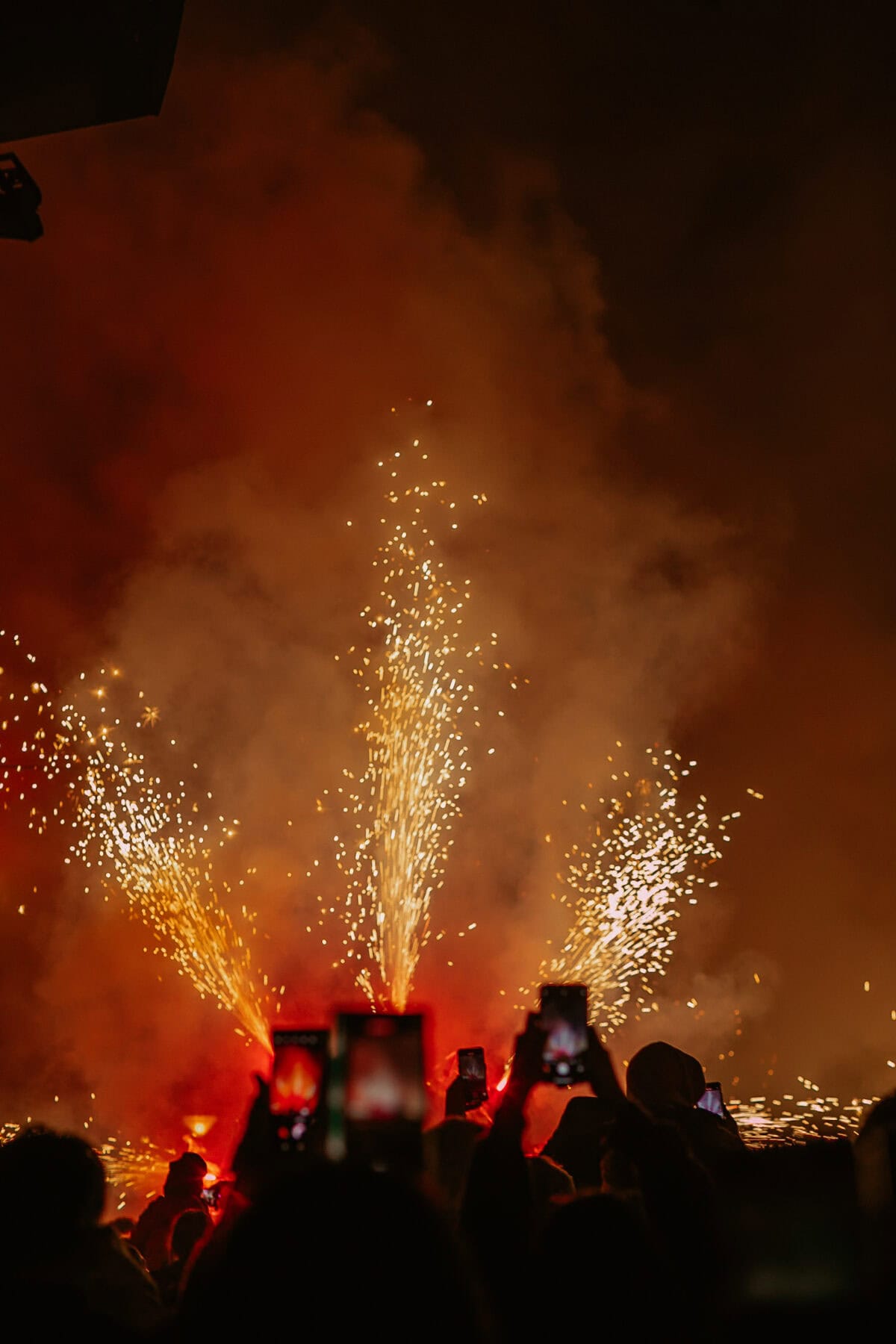
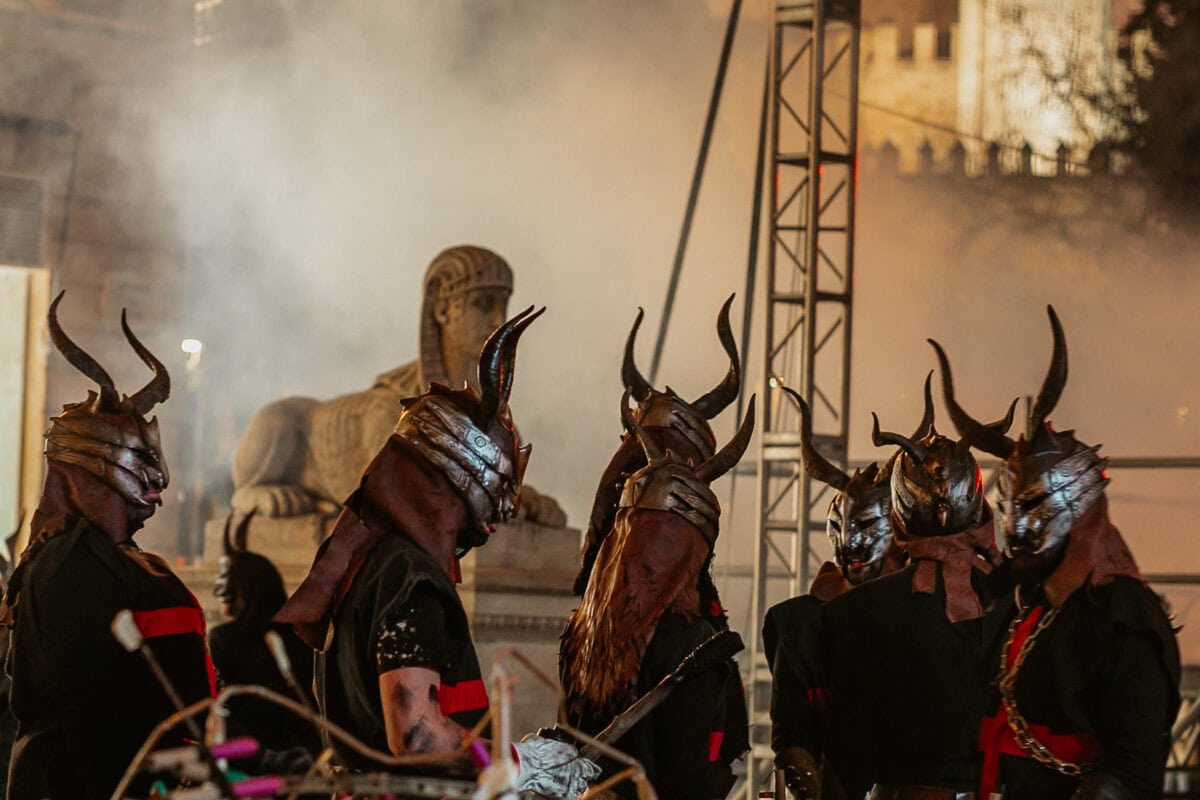
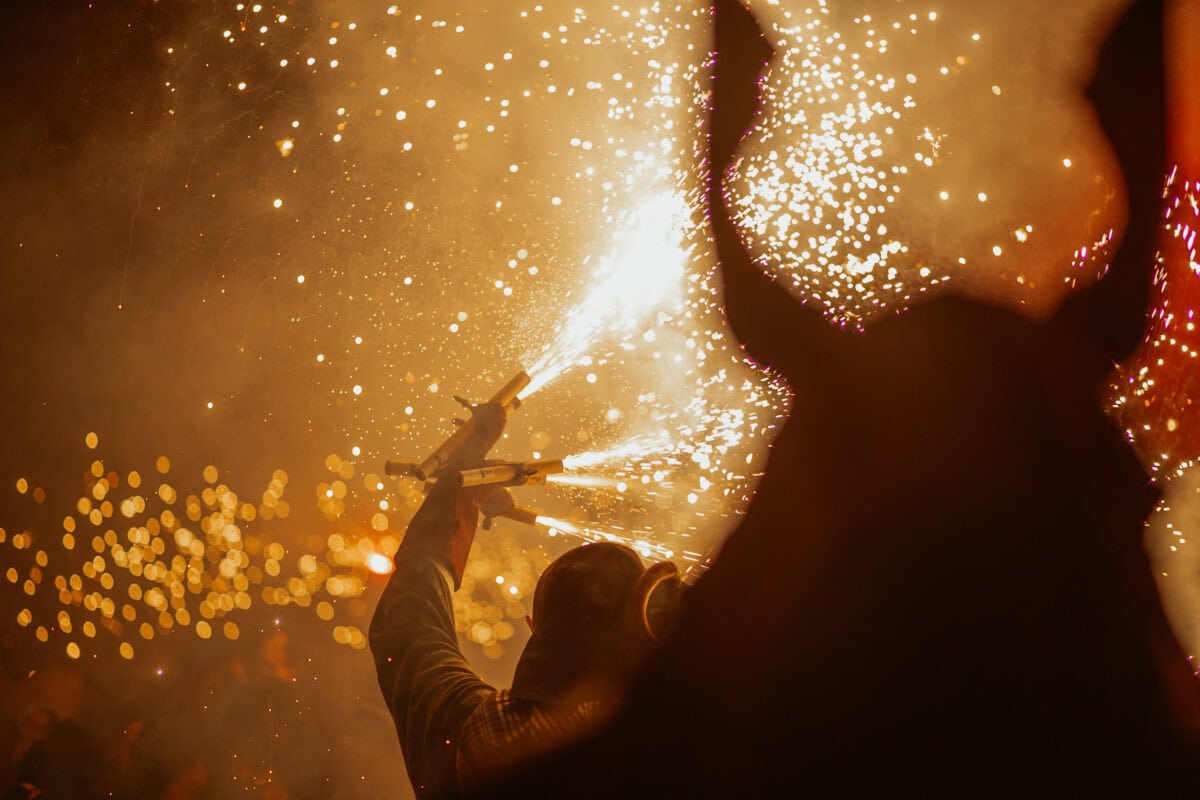
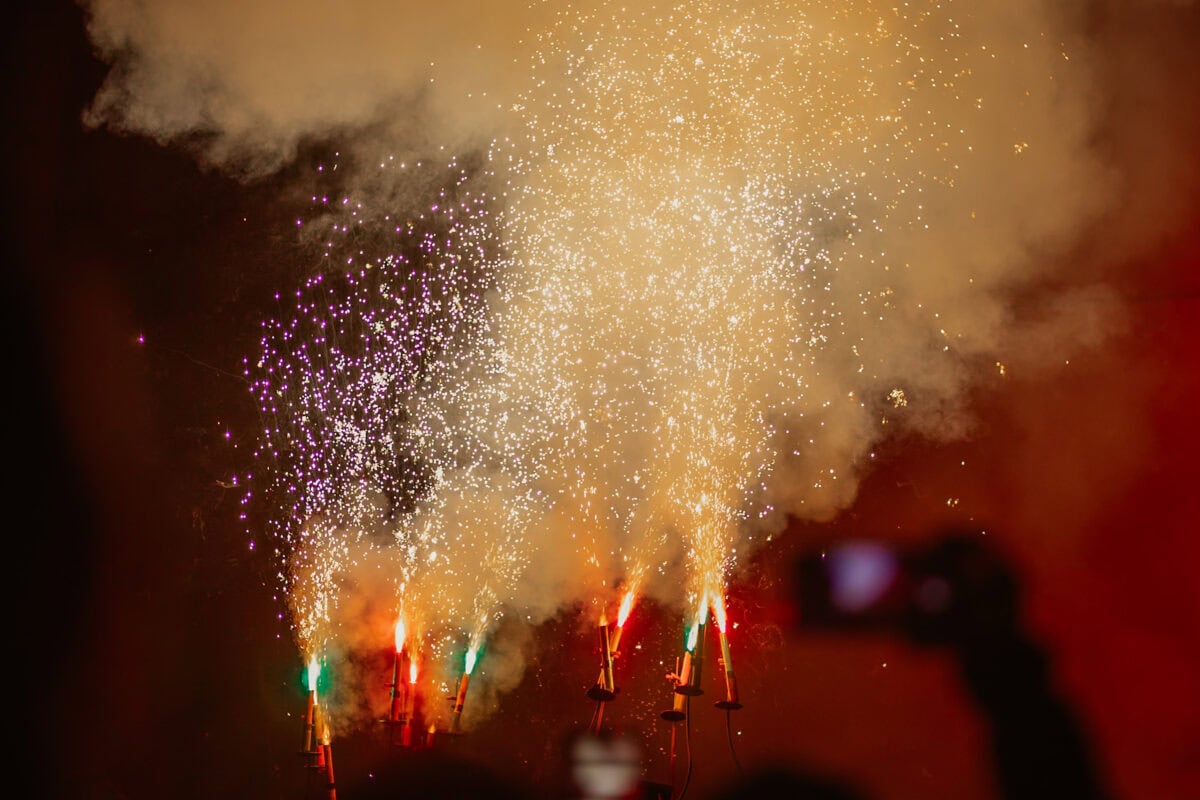
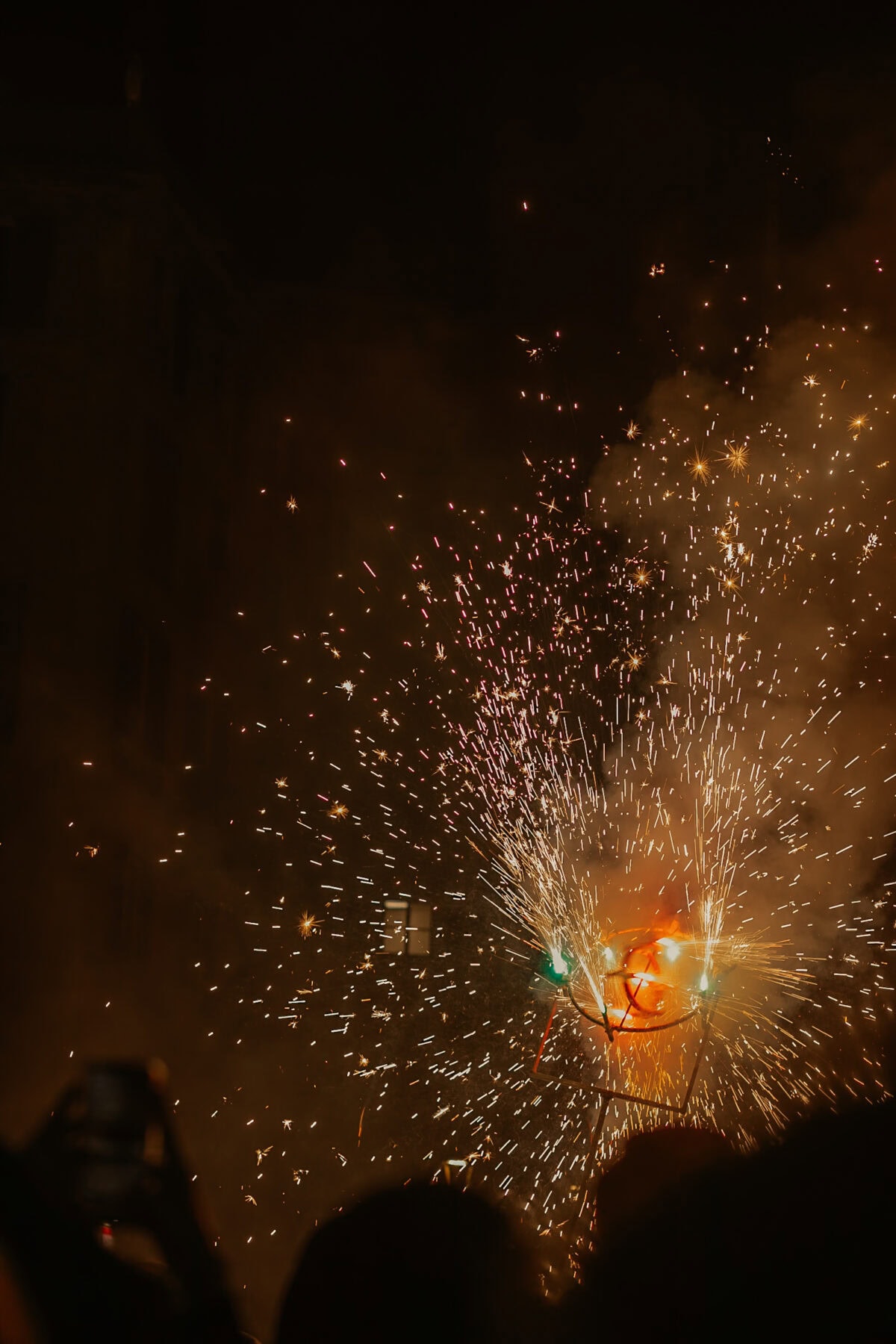
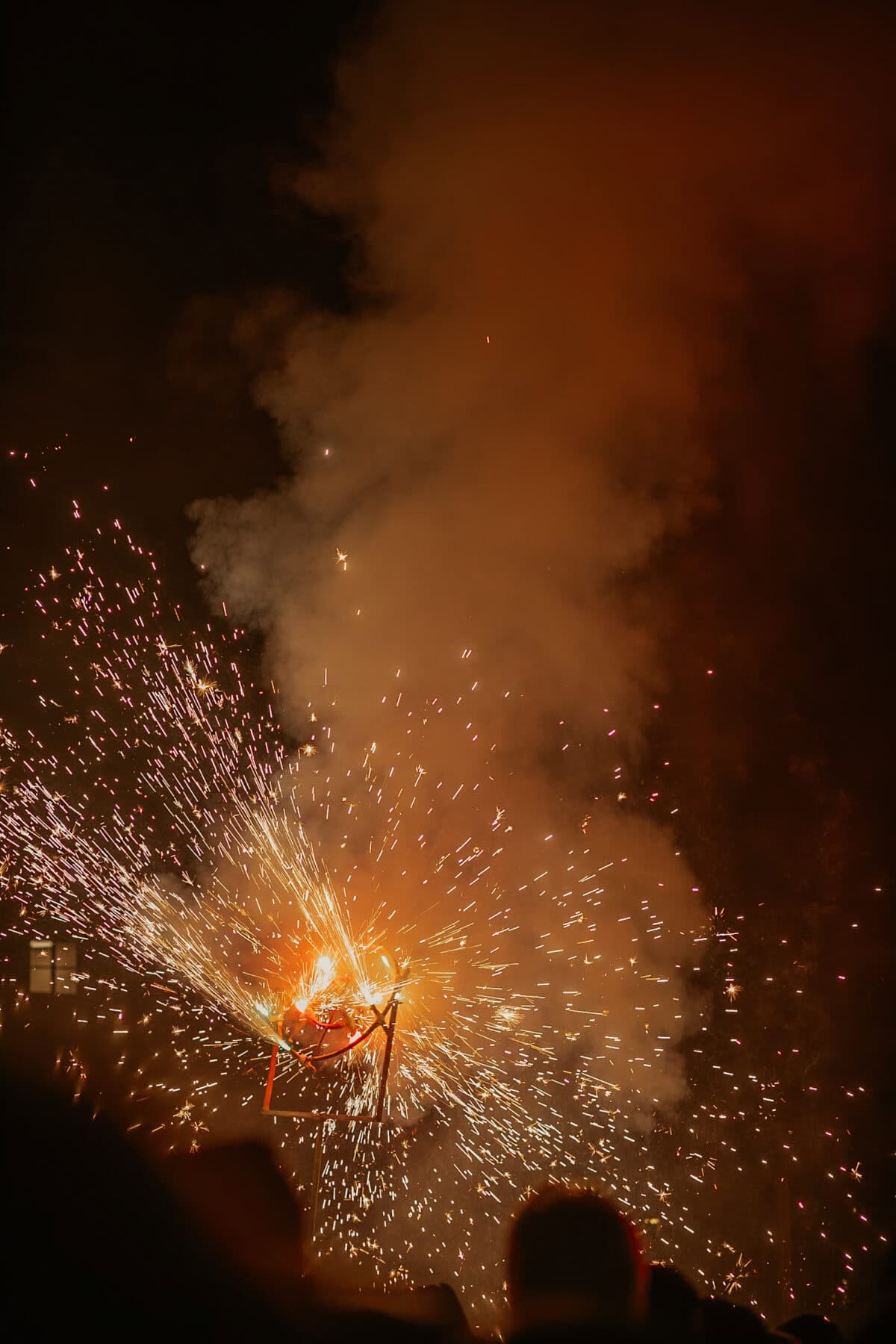
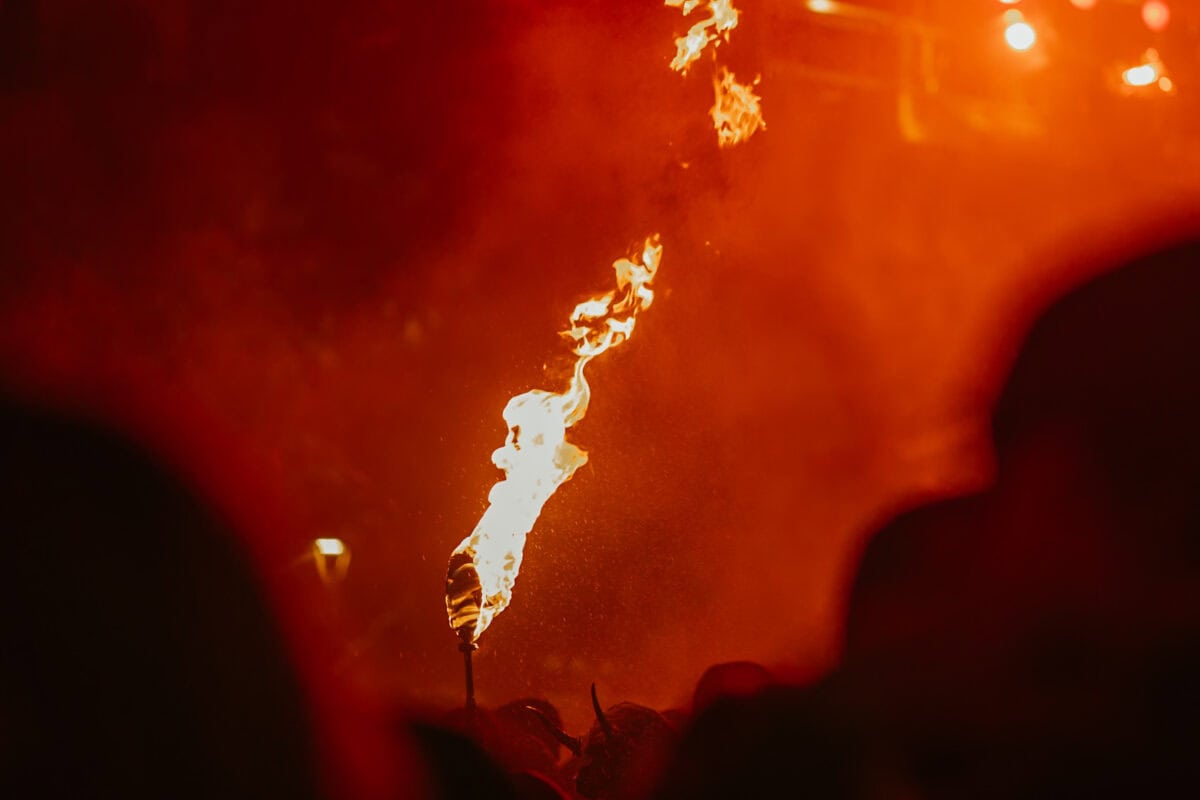
Correfoc can be translated as “fire walk“: Several traditional groups parade through the city with flaming torches and fireworks of all kinds, dressed up as devil-like “Dimonis” and are accompanied by loud drums. The Correfoc is a Catalan tradition that has been practiced for centuries. Although Mallorca forms its own province with the other Balearic islands of Ibiza, Menorca and Formentera, it shares similar roots with Catalonia.
The Correfoc is also an integral part of the island’s cultural life. In summer, these parades are held for various events, but the biggest is the Correfoc as part of the Sant Sebastián festivities.
Sant Sebastián is the patron saint of the city and many big events take place in Palma around his anniversary in January, which are mainly attended by locals. So if you want to immerse yourself in Mallorcan culture, January is an excellent month for a trip to Palma.
Correfoc & the background
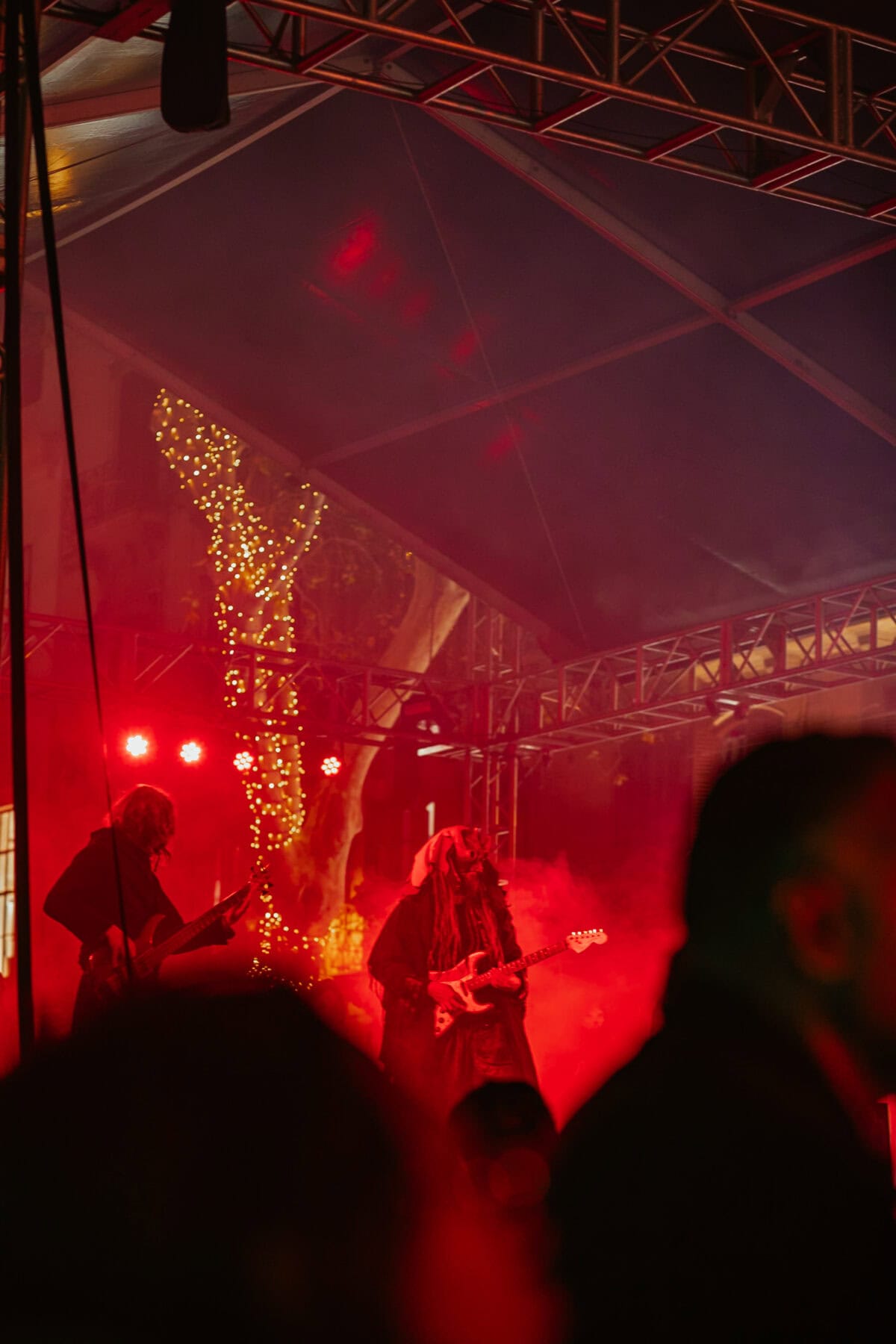
Originally, the Correfocs had a largely religious background: the Dimonis symbolize evil and need to be driven away with fire and loud drumming. Over the centuries, the Correfocs have developed into an integral part of Catalan culture. Today they have more of an entertaining folk festival character, even if they initially seem very frightening. For the big Correfoc in January, for example, a large stage is set up on the Passeig del Born where local acts perform.
The mood among the Dimonis
The fireworks, the loud drums and the disguised Dimonis are very impressive. Similar to the Alemannic carnival in southern Germany, the parade is rather sombre in nature. However, the audience is still involved and despite the intimidating backdrop, the atmosphere is cheerful and relaxed.
Participate in the Correfoc
The Dimonis also sometimes parade through the crowds, are willing to be photographed and enjoy joking with the spectators. Young people in particular enjoy mingling with the dancing Dimonis and their fire-breathing torches. Participation is officially allowed and part of the spectacle.
Even as a mere spectator, you can get very close to the fireworks; sometimes even unintentionally if a Dimonis suddenly stands next to you and lights his pyrotechnics. As a rule, however, people are very considerate of each other and no one is deliberately bothered by fireworks.
Safety measures: What you need to be aware of when attending a Correfoc
Nevertheless, you should be especially prepared when you go to a Correfoc and keep the following important things in mind:
Clothing: Wear clothes that you can put up with if necessary if they get a burn hole – the flying sparks should not be underestimated! Make sure that your arms and legs are covered.
Headgear: Protect your hair, for example with a baseball cap or simply choose an old hoodie.
Hearing protection: The Correfoc is really loud! The drums and whistling pyrotechnics are not for the noise-sensitive.
Sturdy shoes: With the lower temperatures in January, closed shoes are a good choice anyway. However, make sure you choose shoes with robust soles and upper material.
Camera/smartphones: Photography and filming is permitted, but the lenses in particular can be damaged by sparks. Some people tape the lenses of smartphones with tape. For cameras with interchangeable lenses, screw-on filters are a good option. (I always have a UV filter on my camera lenses for protection anyway, which has saved me from major damage several times). It’s best to use lenses with a long focal length so that you can take photos from a safe distance.
The safety standards at Correfocs are really high. Both Dimonis and spectators are very considerate of each other. Aggressive behavior is not tolerated. For example, bringing your own fireworks is strictly forbidden! You are also not allowed to borrow fireworks from the Dimonis. If you still get hit by a spark, you do so at your own risk – so protect yourself well!
Where does the Correfoc take place in Palma?
At around 7pm, the individual groups will run in a star shape from various starting points towards the central Passeig del Born. The final event with a large stage will then take place in Plaça Rei Joan Carles I.
If I had known what to expect beforehand, I would have planned a little more time for Halifax on our road trip through Nova Scotia. Its relaxed mix of maritime vibes and lots of street art were quite surprising.
In my guide, I’ll show you what you can experience on a short trip to Halifax and which sights and hotspots in the capital of Nova Scotia you shouldn’t miss out on.
Halifax: The most important facts in brief
is located on the east coast of Canada and is known for its natural harbor, which is one of the largest in the world
is the largest city in Canada’s Atlantic provinces with around 440,000 inhabitants
has historical sights such as the Halifax Citadel, interesting museums and a great harbor promenade, but also lots of street art and an exciting gastronomic scene
Best time to visit: between May and October
The best sights in Halifax
We only had a short time for our sightseeing tour of Halifax. Nevertheless, we were able to see a lot, as Halifax is also great to explore on foot.
Waterfront Boardwalk
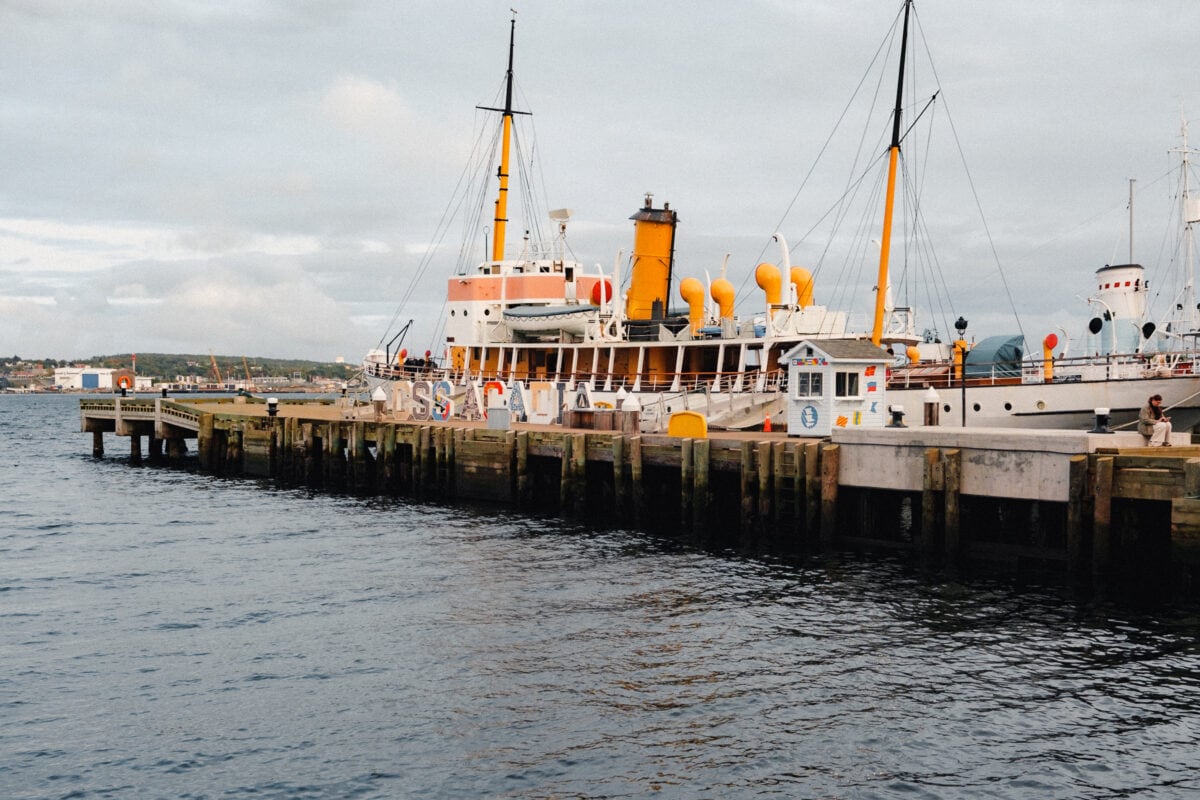
The Waterfront Boardwalk stretches for several kilometers along the Halifax harbour. You can stroll along the promenade, explore gastronomic highlights or simply enjoy the view of the water.
From here, you can also quickly reach many of Halifax’s other attractions, such as the Maritime Museum of the Atlantic or the Pier 21 Museum of Immigration, which are also located on the waterfront.
If you want to see the Halifax skyline from a distance, you can also take a sunset boat tour from the harbor or go on a short sightseeing tour through the city and on the water in one of the popular amphibious vehicles.
Budget tip, if you can: For a few dollars, you can also take the regular ferry to Dartmouth or Alderney. This is part of the public transport system in Halifax and runs every 15 to 30 minutes between the two ferry terminals.
The Maritime Museum of the Atlantic is not only worth a visit if you are interested in seafaring. The port of Halifax is one of the largest ports in North America and is not only quite busy, but also very historically significant.
In 1912, the survivors of the sunken Titanic came ashore in Halifax, having been rescued by other ships. Part of the exhibition therefore also deals with the sinking of the Titanic and displays original objects from the ship as well as eyewitness accounts.
Another part of the museum deals with the great explosion in 1917 in the port of Halifax, which completely destroyed part of the city and killed or injured thousands of people. This catastrophe is still deeply rooted in the city’s history and remains one of the deadliest disasters on North American soil.
Pier 21 Museum of Immigration
The Pier 21 Museum of Immigration deals with the maritime history of Halifax in a different way and is one of my absolute favorite spots in the city. Like the Maritime Museum of the Atlantic, the exhibition is rich in detail, but is also very interactive.
Today, cruise ships dock directly behind the museum.
On the one hand, the history of Canada as a classic country of immigration is shown here and examined in more detail using family stories from a wide variety of countries of origin. Thanks to its large harbor, Halifax has always been one of the places where countless immigrants came to the country in search of great fortune. On the other hand, interactive elements invite visitors to share their own family immigration history – and it is so beautifully designed that there really isn’t a dry eye in the house.
I could really have spent hours browsing through the many moving snapshots and souvenirs that individual museum visitors have left behind. If, like me, migration has shaped your family history, you will certainly find yourself here and perhaps remember your roots.
I was also very impressed by how much Canada values its tradition as a destination for many immigrants and, contrary to what I see as a sad development in many other Western countries, very much cultivates its open welcoming culture. No wonder Canada is still a place of longing for many people.
Queen’s Marque is the latest trendy district on the waterfront, and the large building complex in the middle of it is a sight in itself. The combination of contemporary architecture, art and gastronomy is really very successful. We stayed at the Muir Hotel*, which is integrated into the complex, and were able to really enjoy the vibe here.
During the day, you can store in the small boutiques or sit down in a café. In the evening, you’ll find some of the best restaurants and bars in the city, and in summer it’s really lively outside with street music.
If you like modern architecture, you shouldn’t miss the Halifax Central Public Library on your sightseeing tour of the city center. The modern building with its striking design is a real eye-catcher and is located directly on one of Halifax’s main shopping streets, Spring Garden Road.
You can simply go inside and walk through the library. The long staircases between the floors inside the library are a great photo spot. At the top of the last floor there is a small café with a terrace: a great tip in summer for a quick coffee stop with a view over the rooftops of Halifax!
Halifax Public Gardens
On Spring Garden Road, you will find another of Halifax’s not-so-little treasures. The Halifax Public Gardens are one of the oldest Victorian gardens in North America.
In this green oasis, you can recharge your batteries, go for a walk or simply enjoy the idyllic atmosphere in the middle of the busy city.
Street art in Halifax
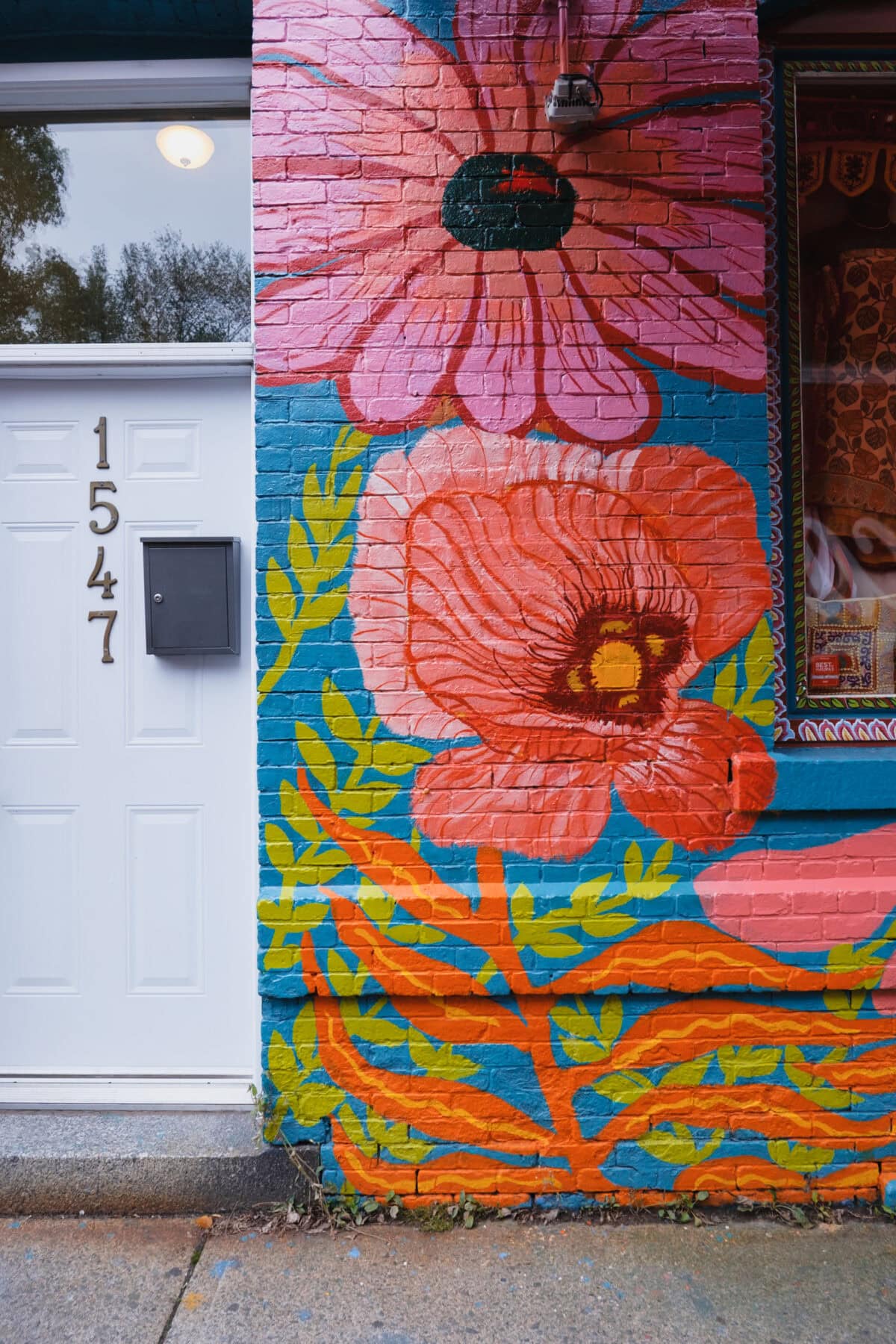
Halifax is extremely colorful: we kept coming across the most beautiful murals in the city. There really are so many that you can just walk around downtown and automatically come across street art somewhere. You’ll find a lot of street art around Gottingen Street in the North End in particular.
Other highlights in Halifax & what else you can do
36 hours is really not much time to explore Halifax, and even with our power program we didn’t manage to do everything we had planned. But if you have more time, I have another suggestion for you on what to see in Halifax.
Halifax Citadel
The Citadel is one of Halifax’s most famous sights, but unfortunately the recent rainy weather put paid to our visit and we preferred to head to the equally interesting museum on Pier 21.
In good weather, however, you have a great view of Halifax and the surrounding landscape from the higher citadel. The fortress dates back to the 18th century and was built by the English to defend themselves against the French, who were also present in Nova Scotia.
Especially if you are interested in history, the star-shaped complex with the Army Museum and a wide range of themed tours is a must-see. Tour guides in historical costumes can explain the entire background and at lunchtime you can watch the daily (!) cannon firing.
Food & drink in Halifax
My personal tips for restaurants in Halifax
The Bicycle Thief was repeatedly mentioned to us as a tip, and the restaurant on the waterfront is indeed really popular. Even during the week and in the low season, it was so full that it was impossible to get a table without a reservation. It serves Italian cuisine with a Canadian twist (lots of fish and lobster) and it’s certainly very good – but it didn’t seem spectacular enough to justify the expense.
Bar Sofia in the Queen’s Marquee ended up being our alternative, and it couldn’t have suited us better. Here we were able to sample the wildest Latin American fusion dishes and enjoy really good cocktails. The colorful interior and super attentive service put us in such a good mood that I highly recommend a visit here when you’re in Halifax.
The Drift is suitable for all times of day. It is actually part of the Muir Hotel, but like Bar Sofia, it is also part of the large Queen’s Marquee complex. We had breakfast here as part of our hotel stay and, contrary to what is on offer in many other (even more expensive) hotels, I would recommend the Drift to non-hotel guests at any time.
Breakfast is à la carte anyway, so you won’t find an uninspired hotel buffet here, but only what you actually order. So if you’re looking for a location for a relaxed breakfast or brunch in a great atmosphere, this is the place for you!
Typical specialties from Halifax
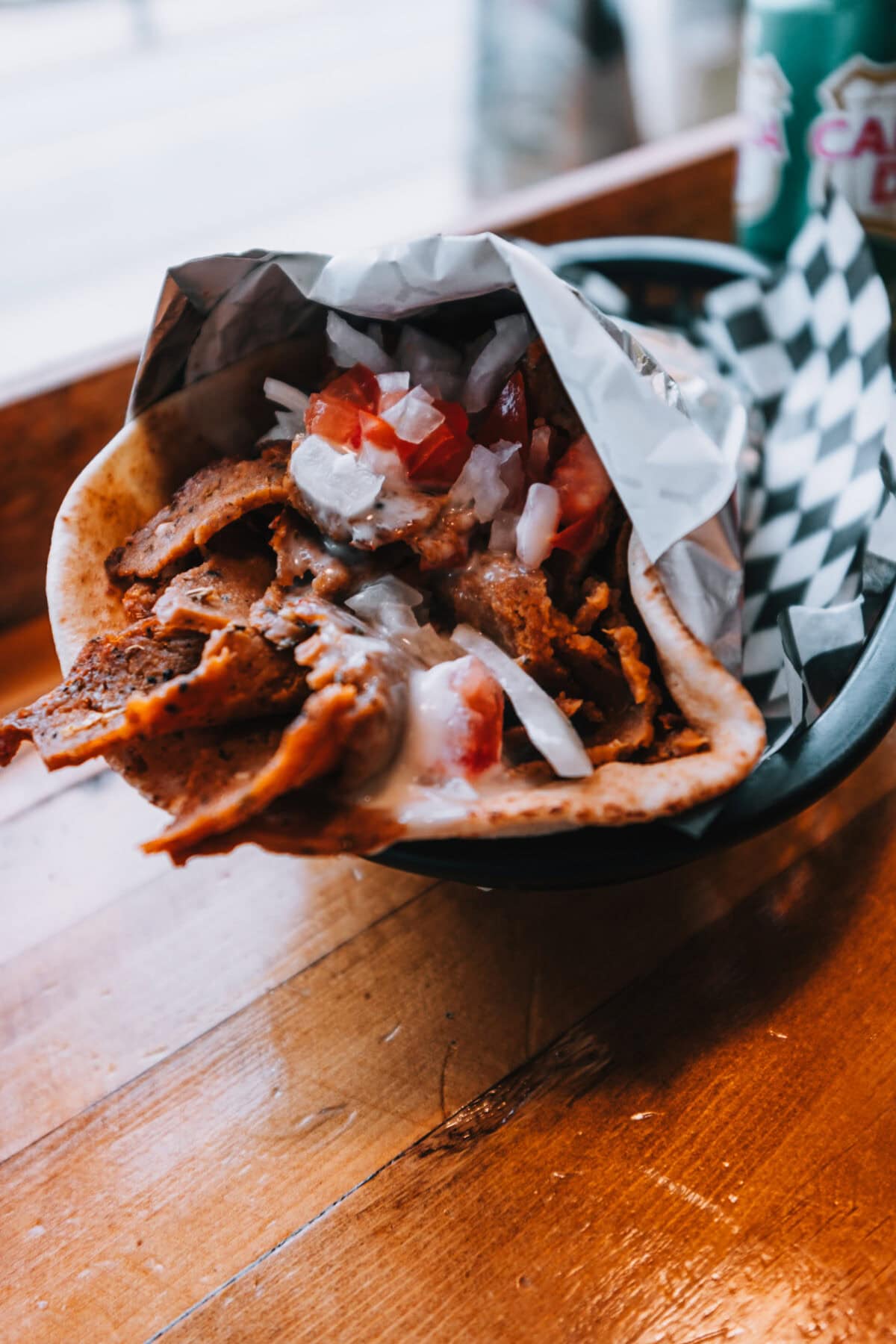
It is impossible to imagine Halifax without the donair, a snack specialty that is now known beyond the borders of Halifax. However, the donair has little to do with the doner kebab invented in Germany: For a real donair, pita bread is served with meat, diced tomatoes, onions and a sweet garlic sauce.
The most authentic donair is served at King of Donair on Quinpool Road (but there are other outlets in Halifax), which boasts of having introduced the donair to Halifax in the 1970s. Others prefer the donair from Tony’s Famous Donairs on Robie Street.
For the meat-free option, we went to Real Fake Meats, just outside the city center. The meat substitute tastes super delicious here, but I found the combination with the sweet sauce took some getting used to. The store is definitely interesting: all the meat substitutes are made on site and you can also take a look at the production process.
Staying overnight in Halifax
In Halifax, you’ll find a good selection of hotels for every budget, but it’s worth spending a little more! The Muir* is a five-star hotel and is centrally located in the newly redeveloped Queen’s Marque District, right on the promenade – the location couldn’t be better! From here, you can reach the most important places in Halifax on foot.
The best thing, however, is the exceptionally pleasant atmosphere, from the consistently attentive and cordial staff to the detailed room furnishings: everything has been thought of here to make your stay as relaxing as possible.
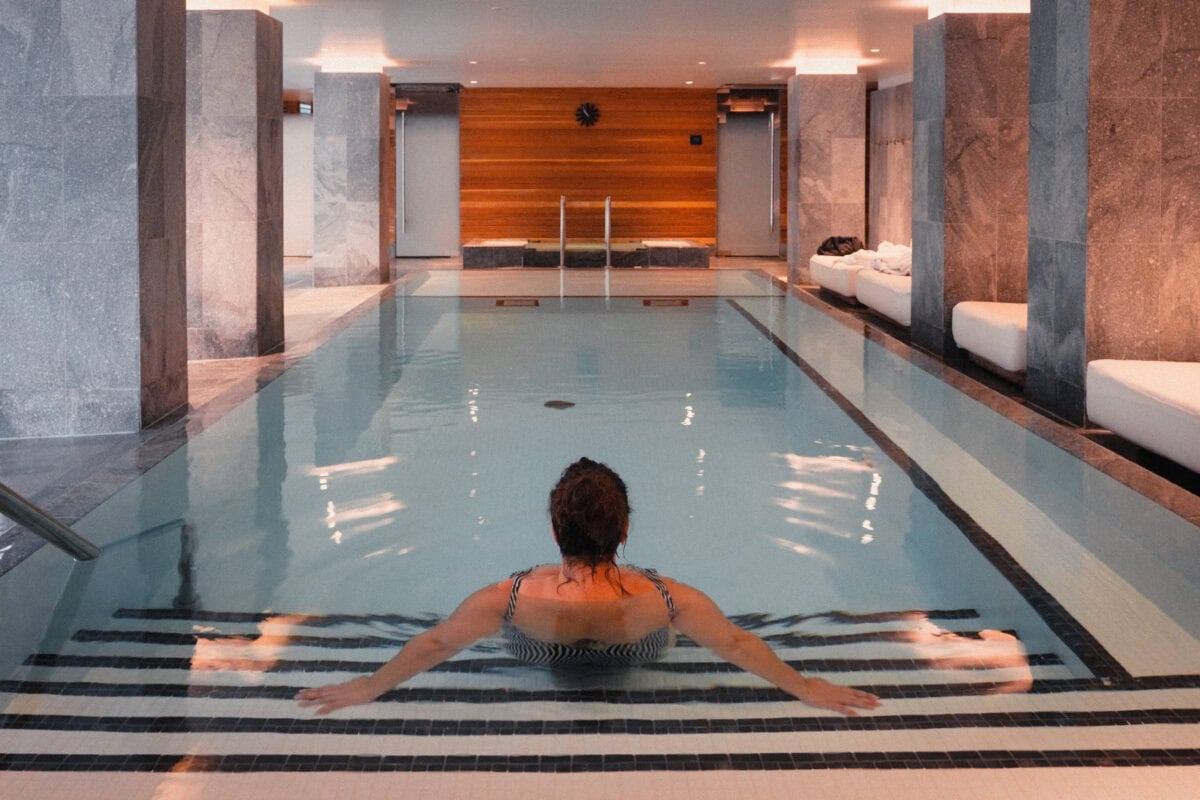
If you need a bit of relaxation, the Muir also has a first-class spa with pool, sauna and steam room. After our eventful road trip and the short sightseeing tour through Halifax, this was simply the crowning glory of a great trip.
Although Halifax is a big city, driving into the city in a rental car was no problem. There can be traffic jams during rush hour, but all in all driving is very relaxed, as it is elsewhere in Canada and the USA (at least in my experience).
Halifax Airport is relatively far away. You should therefore consider renting a car if you are planning a road trip through Nova Scotia. Even if you use the rental car less in the city, it is much more practical this way. It is best to check with your accommodation beforehand whether parking is available so that you can park your rental car safely.
If you are traveling without a rental car and simply want to go to the hotel in the city before or after the flight, you can also organize a private transfer .
If you are staying in the city center, you can also reach many locations on foot. The public transport network in the city only consists of buses, but is easy to use. Alternatively, you can also get around by Uber, which is relatively cheap.
If you don’t want to bother with timetables or finding a parking space and are a little lazy when it comes to walking, you can also opt for a hop-on hop-off tour* for sightseeing.
Map with all the highlights
To help you find your way around Halifax, I have summarized all the locations from the article on a map. You can also save them. That way you’ll have everything to hand when you’re out and about.
Excursions around Halifax
Halifax is an excellent starting point for an exploration tour through Nova Scotia. However, if you don’t have much time, here are the best places to visit that you can reach within a day.
Peggy’s Cove
The picturesque fishing village of Peggy’s Cove is just 45 minutes from Halifax. Famous for its impressive lighthouse, it is a popular destination for day trips. The most beautiful photo opportunities can be found here, especially at sunrise and sunset. But Peggy’s Cove is also worth a detour during the day.
In addition to the lighthouse, there are small galleries and souvenir stores in the small fishing village next door where you can stock up on handmade products and local art. Very cute indeed!
The historic town of Lunenburg is about an hour’s drive from Halifax and is a UNESCO World Heritage Site. Lunenburg is very touristy, but with its colorful wooden houses, cute cafés and pretty stores, it’s no wonder. If you haven’t already planned Lunenburg as a stop on a road trip through Nova Scotia, you can also book day trips to Lunenburg from Halifax.
Another worthwhile detour is Mahone Bay, which is actually known for its three churches that stand picturesquely on the shore. However, I personally found the special flair of this small town with its pretty cafés, antique stores and small craft stores much nicer.
Wineries in the Annapolis Valley
If you like drinking wine, you shouldn’t miss the Annapolis Valley. This region is known for its wineries and large-scale fruit cultivation.
I can highly recommend Luckett Vineyards, for example: Not only is the winery itself worth a visit (where else can you see an original British red telephone box in the middle of the vines?), but also the adjoining restaurant with a great view of the countryside: I had the most divine chicken pie of my life here with a glass of chilled rosé! Highly recommended!
The Annapolis Valley is particularly beautiful in autumn, when the leaves on the trees slowly turn their brightest colors and the harvest season begins. In many places you will find stalls with fresh apples, pumpkins and everything else that nature has to offer.
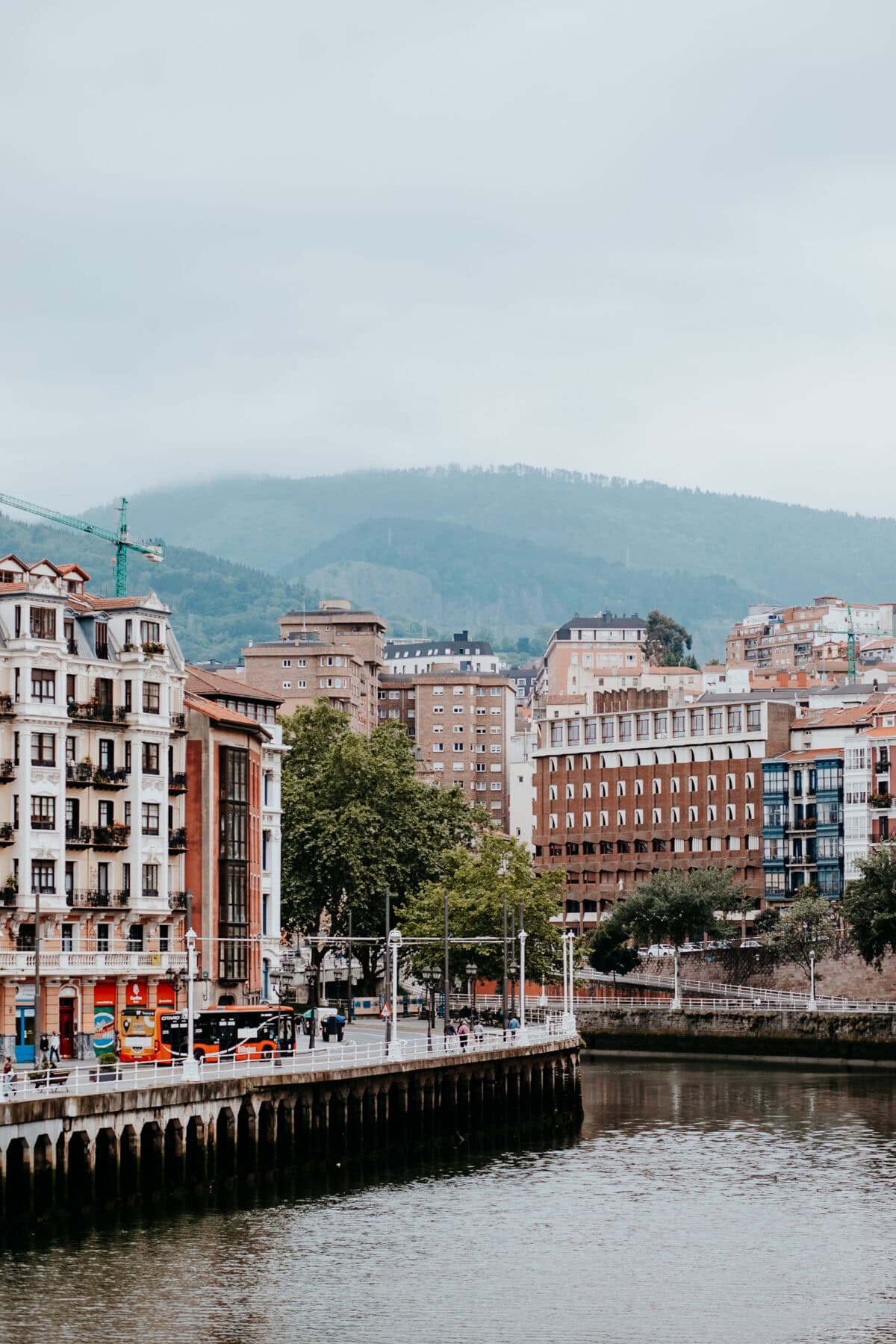
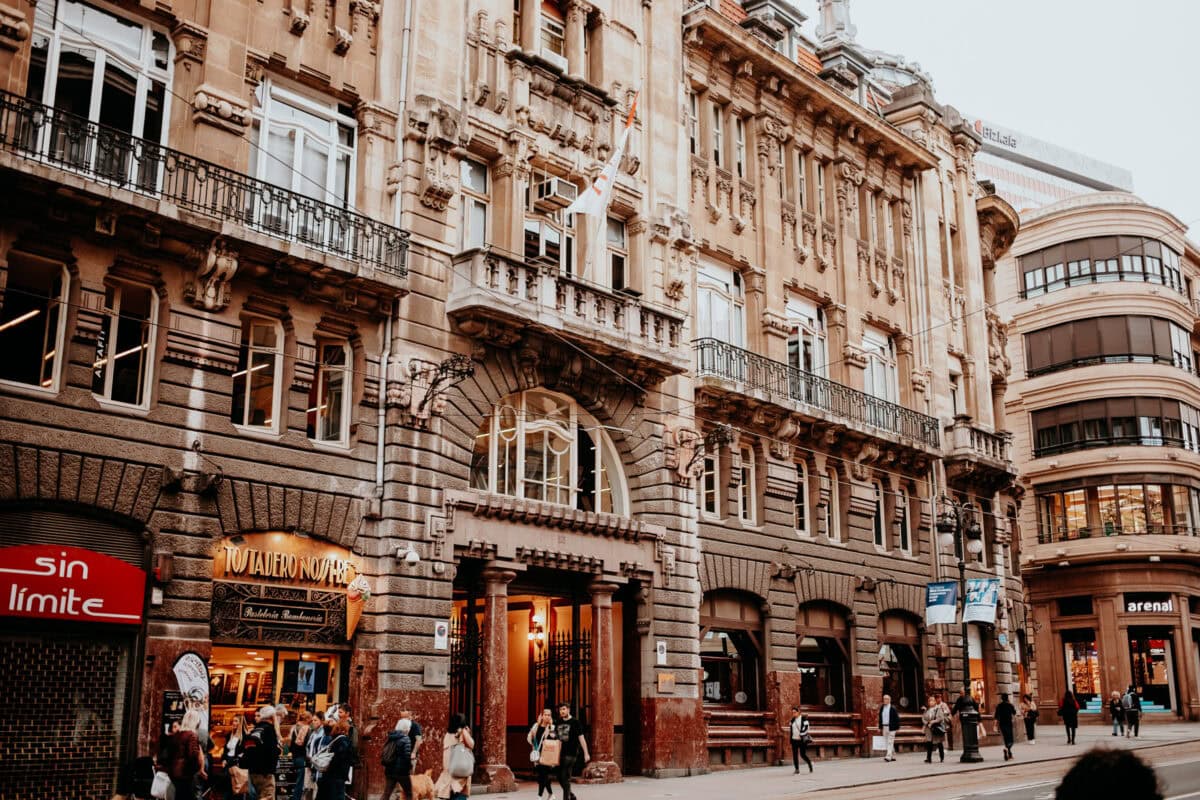
Good food plays a major role in the Basque Country: Nowhere else in Europe is the concentration of Michelin-starred chefs as high as it is here. But even if you don’t have a big budget for gourmet restaurants, you’ll find plenty of great spots in Bilbao that will make any foodie’s heart skip a beat. Here, I’ll introduce you to my favorite cafés and restaurants in Bilbao.
Bilbao & The Pintxos
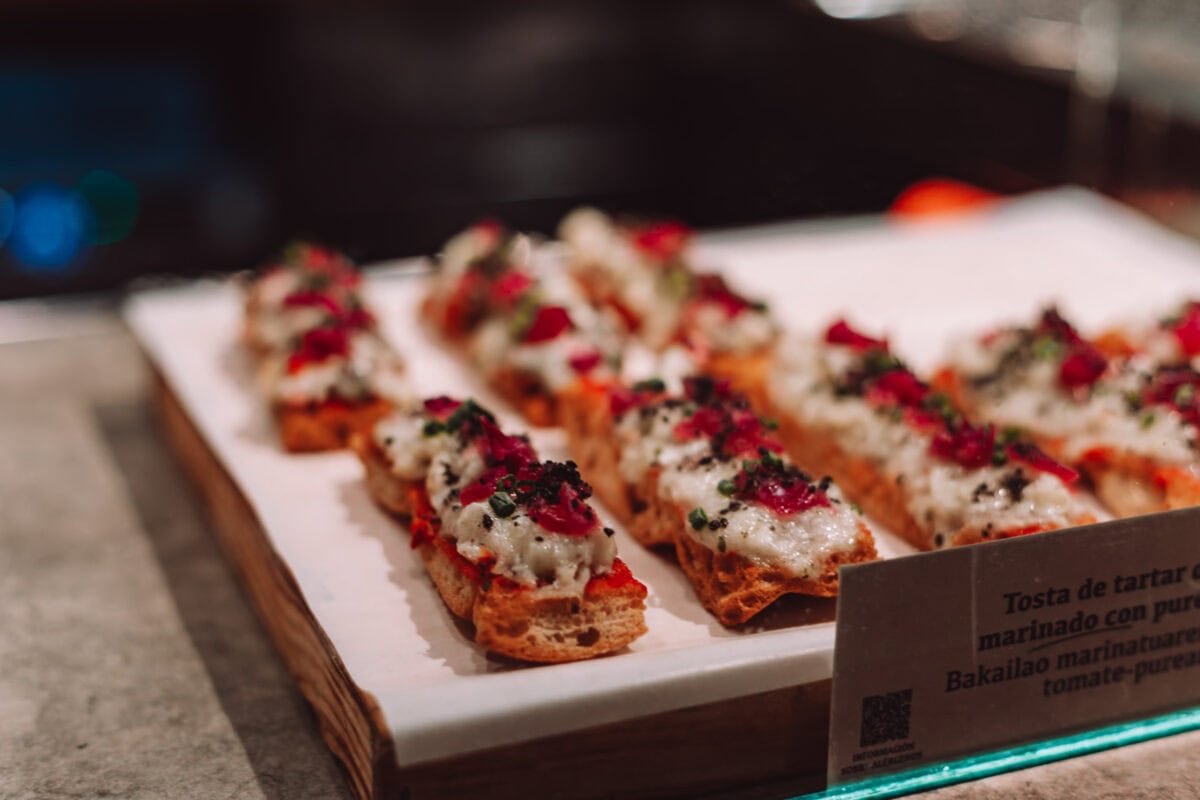
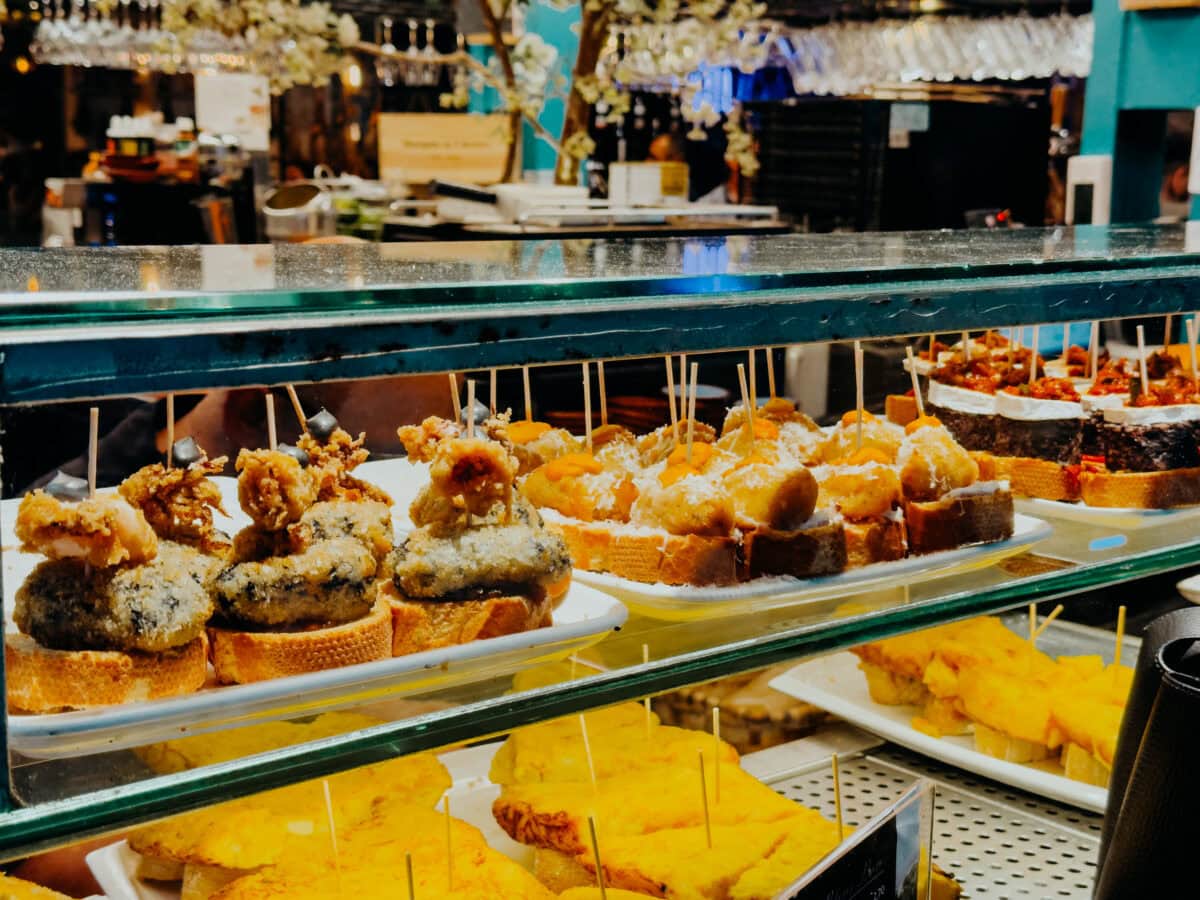
But before you dive into the hustle and bustle of the many bars, you should familiarize yourself with the tradition of pintxos in Bilbao . Pintxos (in Spanish: pinchos) literally means skewers and are slightly larger snacks that are often eaten with a drink.
Originally, they were artfully stacked on large plates on the bar counter and each guest helped themselves as they pleased. The bill was then simply based on the number of wooden skewers that held each morsel together and were left on the plate at the end. This tradition has changed a little: Pintxos are often no longer completely open on the counter, but in glass cabinets, and there are also differences in price depending on the ingredient.
My recommendations for restaurants, pintxos and cafés in Bilbao
Finding good locations in Bilbao is not difficult. The quality is very good and the choice is huge. Here are a few of my favorites:
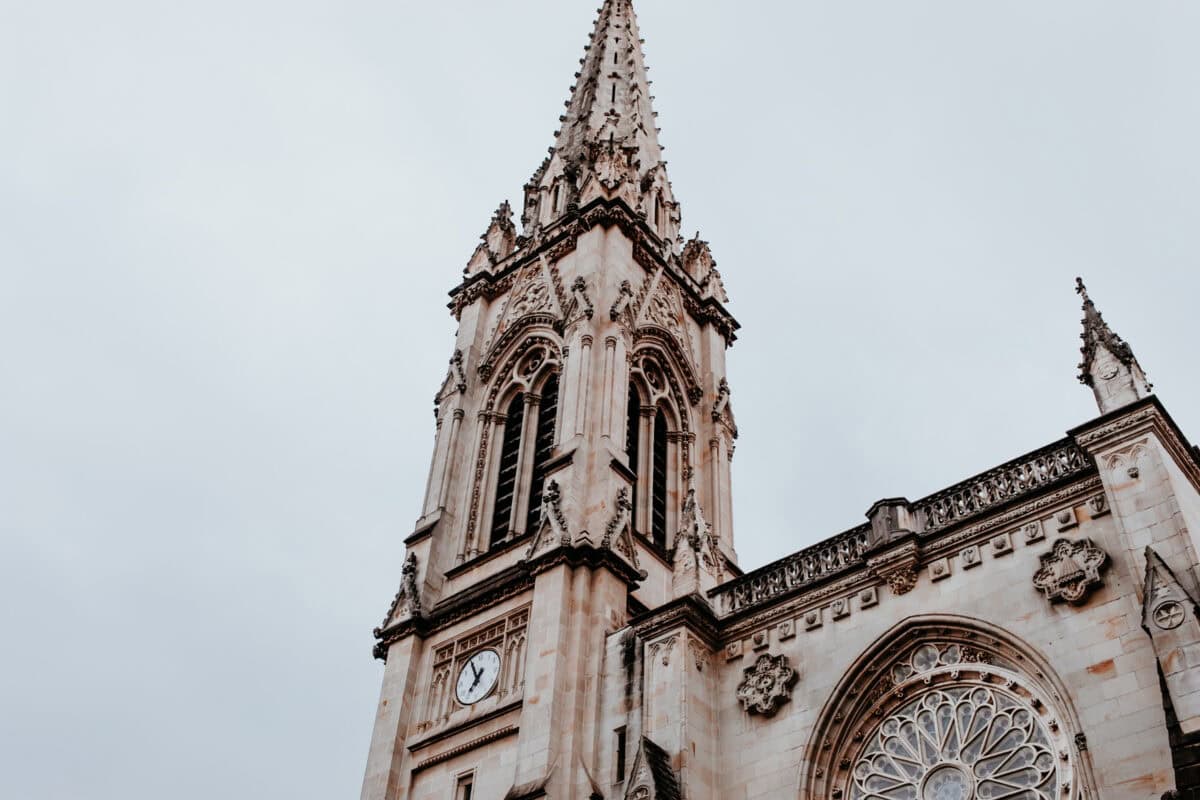
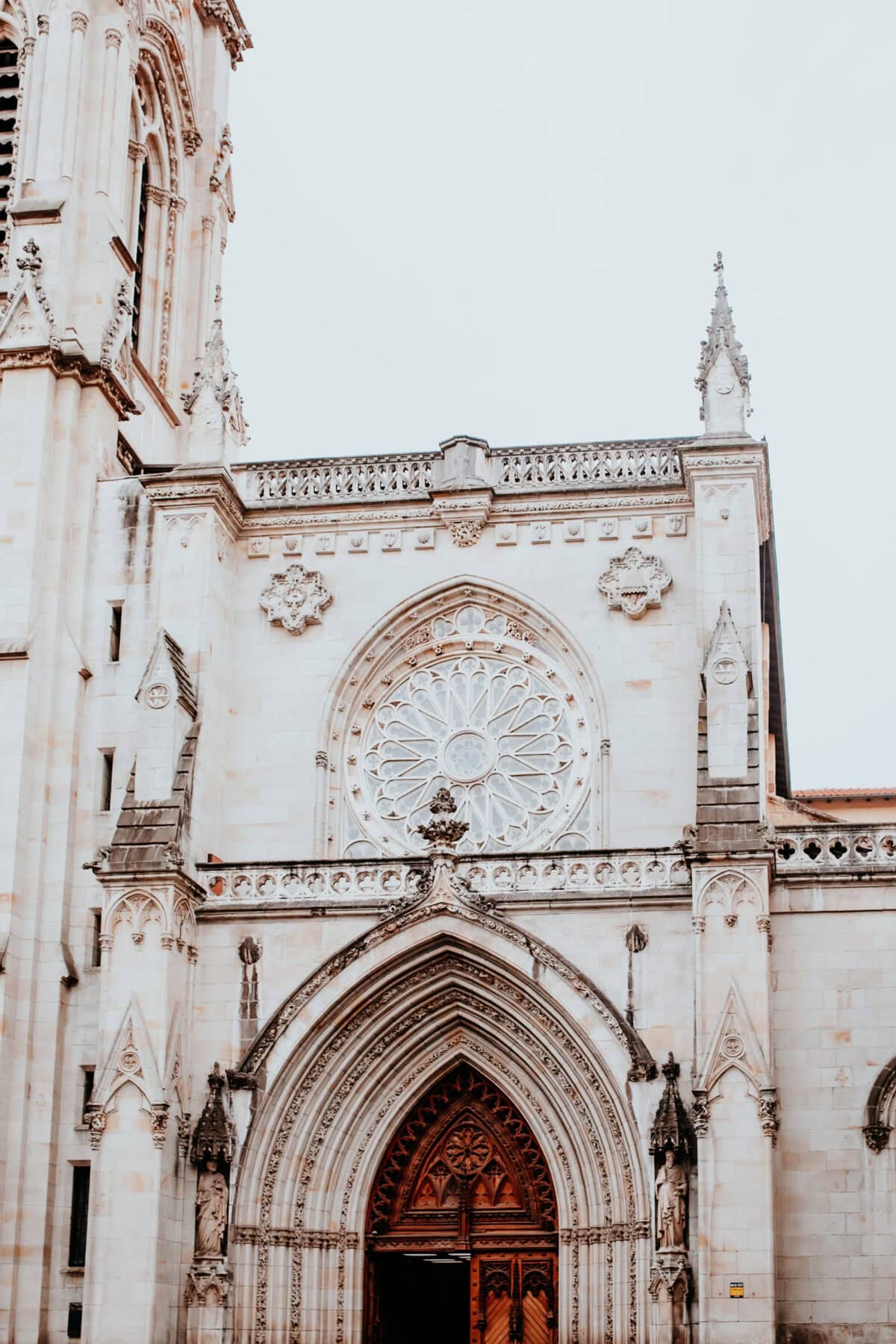
Baristas Club Right behind the cathedral and therefore in the heart of the old town. Good coffee, relaxed vibe – perfect for a coffee break while sightseeing.
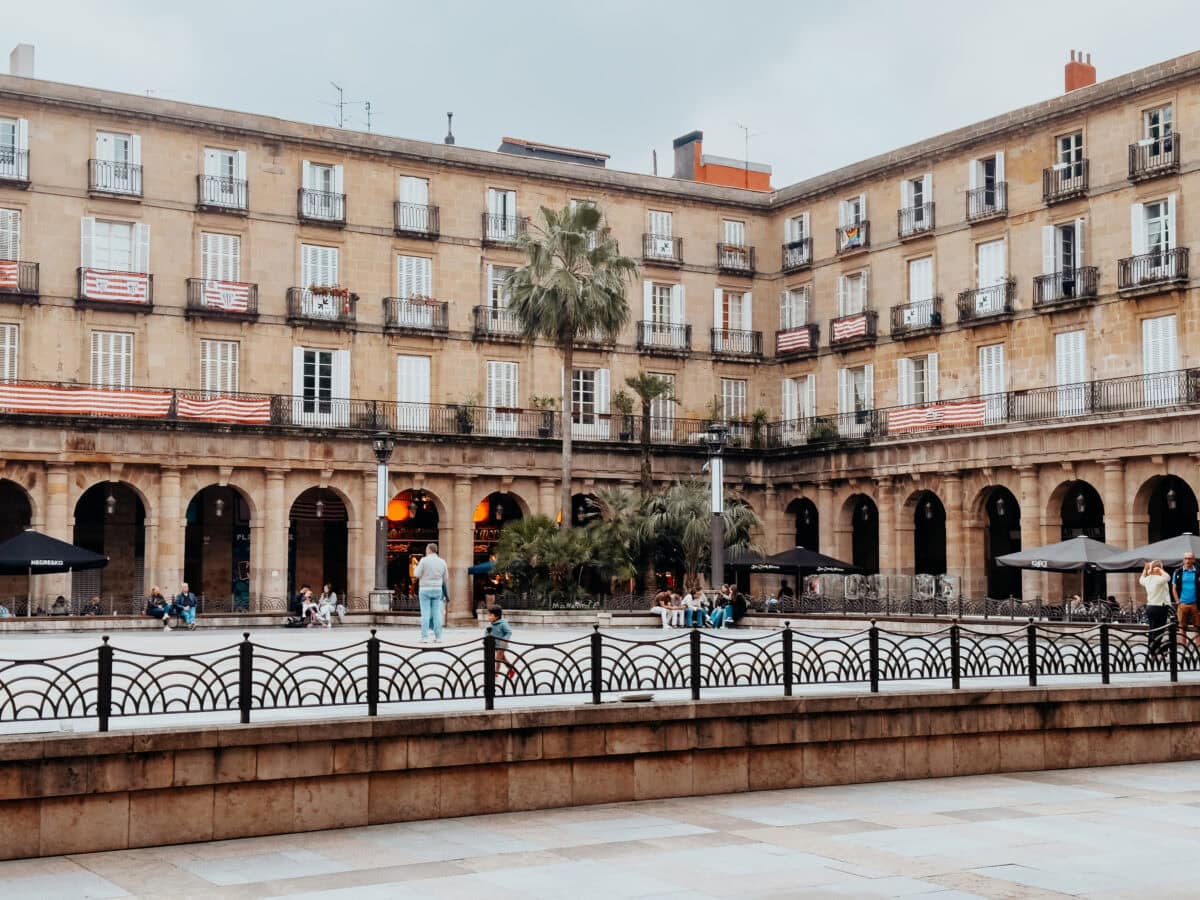
La Olla de la Plaza Nueva & Toma y Daka These two venues are located directly on the Plaza Nueva in the old town. There is a huge selection of pintxos here. Simply stop off at a bar, try a few pintxos and move on.
Los Fueros Centrally located on the edge of the old town, yet somehow hidden away. Small restaurant with really great Basque cuisine made from fresh local produce. Highly recommended for a cozy evening with good food and wine.
By the way: As a vegetarian or vegan, it can be a little difficult in more traditional restaurants, as many dishes are prepared with fish (e.g. the popular bacalao) or meat. However, in a modern city like Bilbao, it shouldn’t be a problem to find good alternatives.
Food tours through Bilbao
Nevertheless, pintxos are a great way to eat your way through Basque cuisine for little money. You can stroll casually from bar to bar and explore Bilbao’s food scene.
A fun way to try pintxos is also a food tour through Bilbao, where you can get to know the tastiest specialties and learn more about Basque cuisine.
Where else you can find good places to eat in Bilbao
I won’t be able to list all the great places in Bilbao here – there’s simply too much on offer. Going out or eating out is a big part of Basque culture, so you will find bars and restaurants almost everywhere. Some streets have a particularly high concentration of eateries, so it’s worth taking a stroll and discovering them for yourself.
You’ll find plenty of restaurants on these streets and in these districts:
Poza Lizentziatuaren Kalea This street parallel to Gran Vía is particularly busy on Atletico Bilbao match days. The street leads directly to the San Mames stadium, whose glittering façade can be seen from afar through the street canyons.
Ledesma Kalea Calle Ledesma is conveniently located between Gran Vía, the Guggenheim Museum and the old town. It is also a pedestrian-only zone and one restaurant follows the next.
Catania is the second largest city in Sicily and always seems to be a little overshadowed by Palermo. But Catania is also unexpectedly charming and definitely worth a visit. In this article, I’ll show you Catania’s must-see sights and a few very interesting insider tips!
There’s plenty to see in Catania, and if you can, feel free to set aside a little extra time to explore this side of Sicily. After all, Catania has quite a few attractions to offer.
Cathedral of Catania, Piazza del Duomo & Fontana dell’Elefante
Almost more striking than the cathedral itself is the Fontana dell’Elefante on the Piazza del Duomo in front of it. The elephant fountain depicts the Liotru, symbol of the city of Catania.
There are many myths surrounding the Liotru, the most beautiful of which I found to be the interpretation as a symbol of the strength of the inhabitants of Catania to withstand severe natural disasters such as earthquakes and volcanic eruptions throughout history.
Piazza dell’Universita
The large Piazza dell’Universita is almost directly adjacent to the Piazza del Duomo. It also marks the start of the Via Etnea. Many walking tours through the center of Catania start from here.
When it comes to the traditional fish market in Catania, I’m still not sure whether I can recommend this place with a clear conscience: The many halved swordfish, bloody fish knives and a very rustic ambience can dampen your mood somewhat.
Despite everything, I found the hustle and bustle of the market super interesting and somehow fascinating. The fish market is located directly behind the Piazza Duomo, but the entrance is so well hidden in a corner behind a fountain, the Fontana dell’Amenano, that you think you are entering another world.
A few steps below the actual street level is the actual fish market with its many stalls, so that you have a perfect view of the action from above.
The tall buildings all around with their dark marble stone façades add to the atmosphere of the market.
In the side streets around the fish market, you will find other market stalls with fruit and vegetables as well as lots of great little bars and restaurants.
In addition to the Teatro Romano, there is another excavation in the middle of Catania. You can visit the Anfiteatro Romano in Piazza Stesicoro for a small fee.
Via Etnea
In contrast to Via Maqueda, the central shopping street in Palermo, Via Etnea in Catania is rather unadorned. Only partly pedestrianized, the Via Etnea is not necessarily the best place for a stroll. However, the name is no coincidence: from the Via Etnea you can see the summit of Mount Etna in good weather!
Via Crociferi
There is hardly a better example of Baroque architecture in Sicily in such a small space: the Via Crociferi was built after the earthquake of 1693 and became one of the most important urban planning projects in Catania at the time. Baroque churches and monasteries line the streets here.
Castello Ursino
In the middle of the city you will also come across the Castello Ursino. The medieval fortress was built in the 13th century under the rule of Frederick II of Hohenstaufen to protect Catania from attacks.
The enormous size and massive construction of the fortress in its present location seems strange, as it does not fit in at all with the rest of the cityscape. However, when it was built, Castello Ursino was located directly on the water! However, due to a major eruption of Mount Etna in 1669, lava flowed around the fortress and caused the coastline to shift.
Eating & drinking in Catania
Scirocco Sicilian Fish Lab
The street food hype in Catania really started with Scirocco: What once began as a small stall on the edge of the fish market is now THE place to go for fish and seafood on the go.
If you still need to get something down after the bloody fish market spectacle, there is no better place than Scirocco for a little snack in between. Or you can just come back in the evening.
Mooddika
The Mooddika was a bit of a surprise. I had actually expected a boring tourist trap here, in a side street near the central Piazza dell’Università, and only ended up there out of convenience.
But the pasta was surprisingly fresh and delicious – and the ambience of the bar, restaurant and salumeria was very pleasant. Absolute recommendation!
I was on a big road trip through Sicily, so I was particularly pleased when I found an absolutely central boutique hotel with an attached parking space.
The B&B Palazzo Bruca* is located in an old palazzo and is just a few meters from the Piazza del Duomo. So if you’re looking for central accommodation in Catania, you’ve come to the right place!
Due to its proximity to Mount Etna, Catania is a great base for excursions to the still active volcano. You take a cable car up to the mountain station, from where you continue up in a jeep – alternatively, you can start the hike right away.
I definitely recommend a guided tour. On Mount Etna, the weather can change quickly, the paths are not necessarily safe and, in addition to orientation difficulties in the vast lava fields at an altitude of up to almost 3000 meters, there can also be discomfort caused by altitude sickness. Having a local guide with you is worth its weight in gold.
If you don’t want to climb Mount Etna, you can also take the Ferrovia Circumetnea almost all the way around the volcano. The last narrow-gauge railroad in Sicily exudes an absolute retro vibe and travels to many small villages around Mount Etna.
The Ferrovia Circumetnea starts in Catania at Borgo station in the northern city center.
From Catania, you can also reach many other interesting places on the east coast of Sicily. The romantic mountain town of Taormina, for example, is only 50 kilometers from Catania.
Tip: Save yourself the trouble of searching for a parking space in a hire car through narrow streets in Taormina or complicated journeys by public transport and book a day trip from Catania!
To help you find your way around Catania quickly, I have put together a map with all the tips from this article. You can also easily download them and use them on your cell phone when you’re out and about.
My trip to Sicily was sponsored by Travellers Insight, the travel blog of Munich Airport. Click here to find more exciting tips for Sicily, Trapani & Palermo.
Are you planning a trip to the Basque Country? Then Bilbao will certainly be on your sightseeing list! In this article, I’ll show you which sights in Bilbao you shouldn’t miss – but I’ll also tell you why I personally wasn’t really impressed by the city, even after several visits! (More on this later in the article).
Guggenheim Museum
The Guggenheim Museum is probably THE landmark of Bilbao. The Museum of Modern Art is a branch of the Guggenheim Museum in New York and is probably the very first location that visitors head for in Bilbao. The construction of this architectural super project, designed by Frank O. Gehry, has transformed the former industrial city to such an extent that a phenomenon has even been named after this incisive event: The Bilbao effect describes the upgrading of a place solely through a spectacular building.
However, the Guggenheim Museum Bilbao is not just a feast for the eyes from the outside: inside you can see really impressive contemporary works of art in the permanent exhibition. In addition, there are always spectacular temporary exhibitions and works on display.
Insider tip: If you want to know what Bilbao used to look like, you will find a small room with a video installation called “Zero” directly to the right of the ticket office. (Most visitors simply walk past it).
It shows what Bilbao used to look like and how drastically the city has changed over the last hundred years. By the way: you don’t need a ticket for the museum to see the installation, as it is located in front of the entrance control. But honestly: if you’re already here, you shouldn’t miss the exhibition!
Don’t miss this tour in Bilbao
The best way to admire the full beauty of the Guggenheim’s architecture is from the water. The 1- or 2-hour boat tour doesn’t cost much and you will learn more about Bilbao’s dramatic development from an industrial city to a tourist magnet.
Does the design of the Zubizuri Bridge not far from the Guggenheim Museum look familiar? On the one hand, the curved shape is supposed to be reminiscent of a sail – on the other, it looks quite similar to the terminal at Bilbao airport. No wonder, as both the pedestrian bridge over the Nervión and the terminal were designed by Spanish star architect Santiago Calatrava.
Old town of Bilbao / Casco Viejo
You should also not miss out on a visit to Bilbao’s old town. It is all too easy to get lost in the narrow streets with their numerous eateries. The Basque Country is also known for its excellent cuisine and the number of Michelin-starred restaurants is exceptionally high. So it’s best to come hungry!
Don’t have a big budget for fine gourmet restaurants? No problem either! In the old town of Bilbao you will also find numerous bars and restaurants that offer really good pintxos for a small price. Pintxos are small snacks, similar to tapas, which are traditionally eaten with a drink – but you can also easily fill up on the large selection.
Known as Plaza Mayor in many Spanish cities, Plaza Nueva is the heart of the old town, so to speak. You will also find many good bars and restaurants around the square, where you can sample a selection of pintxos.
Bilbao Cathedral
Bilbao Cathedral is also located in the middle of Bilbao’s old town. It is practically impossible to miss. Interesting fact: Bilbao is on the Way of St. James and Bilbao Cathedral dates back to an old pilgrimage church. That’s why you’ll often meet pilgrims here who are on their way to Santiago de Compostela.
Originally, the vacant former wine storehouse was under discussion as the location for the Guggenheim Museum; the project ultimately fell through due to the lack of space, among other things. Which is a stroke of luck from today’s perspective: the Azkuna Zentroa cultural and multi-purpose center designed by Philippe Starck was opened here in 2010.
In addition to cinemas, restaurants, an auditorium and a municipal library, there is also a fitness studio and a public swimming pool on the top floor of the complex.
One of the pools even has a glass bottom, which you can see from the first floor! You can visit the swimming pool itself with a day ticket – if you have a bit more time in Bilbao, this is definitely a good idea for a bit of sport on the go!
Puente de Viscaya / Bizkaya Bridge
Just outside Bilbao, there is a very unusual sight that you should definitely visit. The Puente de Biscay connects the two municipalities of Portugalete and Getxo and is a UNESCO World Heritage Site. What makes it so special: Pedestrians, cyclists and even cars do not cross the estuary via the bridge itself, but by means of a floating ferry suspended from the bridge structure. The ferry is used by local residents as a normal means of transportation; a one-way ticket costs just 55 cents during the day.
You can also visit the bridge itself and take an elevator to the top; the entrance ticket for the bridge also includes a ferry ride. The Puente de Viscaya can be reached by metro from Bilbao city center.
Tip: Explore the rest of the pretty coastal town of Getxo too! From its promenade, you can also see what is now the port of Bilbao.
Now that all the port facilities in Bilbao itself have disappeared and no large ships operate there, the majority of Bilbao’s port is located in the municipalities of Santurtzi and Zierbena, which lie on the estuary. And it really is huge: the port of Bilbao is the largest in Spain.
From the summit of Artxanda, you have a unique view of Bilbao and the surrounding green mountains. The quickest way up is by funicular, the Funicular de Artxanda. Bilbao’s local mountain is also popular with locals, especially at the weekend: there are various leisure activities for young and old, as well as the popular Txakoli restaurant.
Gran Vía
Gran Vía is actually called Gran Vía de Don Diego López de Haro and is the main shopping street through the center of Bilbao. Over the course of one and a half kilometers, you will find stores from large chains such as Zara and Mango as well as two branches of the Spanish department store El Corte Inglés.
Towards the old town, Gran Vía becomes even busier, and in the side streets you will always find a few corners with smaller bars and restaurants, for example in the parallel Calle Ledesma.
Iberdrola Tower
Whether the Iberodrola Tower is really worth seeing is debatable. In any case, the office building is Bilbao’s tallest skyscraper and therefore a good landmark. And with a bit of luck and the right time of day, the sunlight sparkles so beautifully in the reflective façade that it makes a lovely photo motif.
More museums in Bilbao
If the Guggenheim Museum has whetted your appetite (or if the weather isn’t playing ball), you can also visit the following museums in Bilbao:
The Museo de Bellas Artes may not be quite as spectacular as the Guggenheim, but it is still one of the most important museums in Spain. You will find a large collection of art here, ranging from the present day to the 12th century. The building is currently being renovated and expanded, and it sounds very promising what is being created here.
If you want to find out more about Bilbao, the history of the port and its connection to seafaring, you should pay a visit to the Itsas Museum.
Staying overnight in Bilbao
There is a wide range of accommodation options in Bilbao – and there is something for every budget. Personally, I would recommend accommodation around the Gran Vía, not in the old town, e.g. in the Abando district. Here you can easily get to all the important locations, do a bit of shopping and experience the life of the locals.
Although the old town is connected to the metro network with one station, it is otherwise a pedestrian zone. This means you may have to walk halfway through the old town with your luggage to your accommodation. The old town is also very lively in the evening if you prefer a quieter atmosphere.
I stayed at the Catalonia Gran Vía*, a comfortable boutique hotel in a great location (bus to the airport stops right outside the door) and with a really good breakfast buffet (I’m not normally a fan of this, but it’s really good here).
Click around in the map to find the best accommodations in Bilbao
Advertising / *affiliate link
Excursions from Bilbao
If you have a little more time, I highly recommend exploring the surrounding area. Sophisticated San Sebastián, for example, is only an hour’s drive away or you can explore the surrounding coastal towns. You don’t necessarily need a rental car either, there are plenty of organized tours on offer from Bilbao:
You can easily get from the airport to the center of Bilbao on bus line A3247. You can buy the bus ticket directly from the driver on the bus (cash only); the bus stop is located directly in front of the arrivals hall. The bus runs mostly on the highway and also stops on Gran Via. The final stop is Bilbao Intermodal, from here you can change to the train, streetcars, metro or long-distance buses.
Within Bilbao, you can explore a lot on foot (especially in the old town). Bilbao also has a good streetcar and metro network. Tickets are available at the stops and stations and the prices are very reasonable.
Language & culture in Bilbao
Bilbao is located in the Spanish part of the Basque Country, but is not its capital. (That is Victoria-Gasteiz, an hour’s drive away.) As an autonomous community in Spain, the Basque Country has another official language: in addition to Spanish, Basque is also an equivalent official language here.
Spanish is an official language alongside Basque
As a visitor, however, you don’t need to worry about communication. As in other parts of Spain with other official languages (e.g. Catalonia), the locals generally also speak Spanish, and in an international city like Bilbao you will also get by fine with English.
However, Basque is a super interesting language as it is not related to any other language. It is also spoken in part of neighboring Navarre and in the smaller French part of the Basque Country, where it is not an official language.
Politically, the Basque Country has always been a bit of a hot potato. Independence efforts and resistance to Franco’s dictatorship in Spain, for example, gave rise to the terrorist organization ETA, which kept the country on tenterhooks for several decades with numerous attacks.
I’m no weather expert, but the combination of a location on the wild Bay of Biscay and the surrounding mountains makes the weather in Bilbao quite a challenge. In my memory, I have experienced the worst approaches of my flight attendant career in Bilbao – and so I perceive Bilbao as a constant weather hole.
It likes to be wet here, it often rains; but the summers are warm, but not oppressively hot like in the south of Spain, for example. And the abundant rainfall makes for lush green mountains around Bilbao.
I therefore recommend that you avoid the fall and winter months, even if you have to squeeze through the city with the rest of the tourist crowds in the warmer months. But in my opinion, Bilbao is simply far too uncomfortable and inhospitable in bad weather.
Safety in Bilbao
If you read my blog regularly or follow me on Instagram, you’ll know that I can get excited about any destination. Bilbao also has really interesting sides, for example, I find the history of Bilbao and the changes to the cityscape over the last hundred years super fascinating.
Nevertheless, I haven’t become a big fan even after my last longer stay. This may be due to the city itself in general, which still exudes a bit of industrial dreariness for me, perhaps the occasionally damp weather, but also the fact that I had to part with my brand new iPhone here – it was stolen from my coat pocket.
Pickpocketing happens every day in every major European city, and Bilbao has not yet achieved the notoriety of Barcelona, for example, in this respect, as far as I know. Nevertheless, I would like to take this opportunity to draw your attention to it. At first glance, Bilbao always seemed relatively relaxed and safe to me. But there are a lot of pickpockets out and about, especially in the busy old town with its narrow streets.
Locals also urged me to pay more attention to the area around Calle San Francisco, a district on the other side of the river opposite Mercado Ribera. There’s a lot of street art, exciting restaurants and stores here – but it’s also a problem area and is often referred to as the most dangerous part of Bilbao. I was curious and actually wanted to explore the area, but after my pickpocketing experience, I didn’t feel like it. So if you want to go here (which I have actually decided to do on my next visit despite my experience) – take care.
This article was written in part with the support of Visit Euskadi, the tourism organization of the Basque Country.
Located on the east coast of Sicily and blessed with fantastic views of the imposing Mount Etna and the azure blue Ionian Sea, the small mountain village of Taormina has always been a magnet for visitors. And that can sometimes be more of a curse than a blessing. In my big guide, I’ll show you the most important sights in Taormina and tell you whether visiting Taormina is really worth on your trip to Sicily.
You absolutely have to do this in Taormina:
Stroll along Corso Umberto
Admire the giant Mount Etna from the Teatro Greco
Sip a granita at the Bam Bar
In Taormina, it is also worth taking a look at the small side streets. Most visitors often concentrate on Corso Umberto and the Teatro Greco. Both are well worth seeing, but Taormina has a lot more charm to offer.
Places of interest in Taormina
Taormina is quite clearly laid out. Therefore you can easily explore the most important sights in the center in one day and enjoy the atmosphere of this special place in Sicily at the same time.
Corso Umberto I
Corso Umberto I is the lifeline of Taormina. Lined with medieval and Florentine buildings, you can stroll for all you’re worth. Here you will find small boutiques and luxury brands such as Dior or Louis Vuitton, boring stores with stuff for tourists, but also some small, quaint stores.
Daneu 1885 Old-fashioned store for home textiles and a bit of ceramics with a nostalgic flair
Di Blasi Typical Sicilian ceramics and the small store itself is a sight to behold
Tip: If you really want to breathe in the jet-set air on Corso Umberto, you should take a short break from sightseeing at the Louis Vuitton Café by Timeo. The café is part of the Belmond Grand Hotel Timeo*, which in turn also belongs to the LVMH Group.
In the café, you can enjoy a fantastic view of the sea with Louis Vuitton decorations – if I hadn’t been wearing my casual sightseeing outfit that day in Taormina, I would certainly have ended up here. (Unfortunately, you should look a bit more stylish here, otherwise you’re likely to be turned away or blasély ignored).
Piazza IX Aprile
Piazza IX Aprile is one of the most popular viewpointsin Taormina and is always busy. However, the square is very large, so that the crowds of tourists are well distributed here even in the high season. And the checkerboard pattern looks great on any souvenir photo!
Porta Messina & Porta Catania
Two city gates form the beginning and end of Corso Umberto I. The northern end is marked by the Porta Messina. To the south is the somewhat imposing Porta Messina. Both are part of Taormina’s medieval fortifications, which were built by the Arabs to protect the city from invaders.
The gates are also a popular meeting point for tours of Taormina.
Teatro Greco
The ancient Greek theater, the Teatro Greco, is an absolutely stunning location in Taormina that you should definitely not miss. The entrance fee is quite high, but the view of the city, the sea and Mount Etna from the stands is simply unique.
The theater was originally built by the Greeks in the 3rd century. BC. later used by the Romans and in the 2nd century. AD. into an arena for gladiator fights.
Large events and concerts take place here in the evenings. The atmosphere with this backdrop must be incredibly fascinating – if you have time, ask about current events on site.
The Duomo di Taormina dates back to the 13th century and is rather plain on the outside. You can also easily recognize the Norman influences in the straightforward architecture. The square in front of it with its baroque fountain is particularly pretty.
Find your accommodation in Taormina here
Advertising / *affiliate link
Naumachie
In a small side street off Corso Umberto you will find a very special sight in Taormina: the Naumachie is a massive brick wall about 120 meters long and 5 meters high, which probably once formed the boundary of a sports facility where athletes trained.
Villa Comunale
Taormina can be quite exhausting during the day, especially if you keep getting caught between tours of cruise tourists at neuralgic points such as the Corso Umberto or the Teatro Greco.
The gardens of Villa Comunale are a true oasis of calm and a perfect opportunity to take a breather. You also have a great view of the sea and the coast.
The gardens were originally owned by Lady Florence Travelyan, an English noblewoman who also owned Isola Bella. However, like Isola Bella, the park now belongs to the town of Taormina and is open to the public.
The small oriental-style buildings, the“beehives“, are particularly striking. These used to be used for birdwatching or afternoon tea, but are currently not accessible and unfortunately no longer in such good condition.
Via degli Artisti
Via degli Artisti is also a great photo opportunity in Taormina. Here you will find galleries, murals and colorfully designed house facades.
Isola Bella
Isola Bella is a small island off the beach of Mazzaró. It is connected to the beach by a small sandbank and can therefore be reached on foot. Depending on the tide, your feet may or may not get wet, so it’s best to wear something that can be rolled up or put on a beach outfit.
The island itself is a nature reserve and part of it can be visited for a few euros.
However, I personally didn’t find the beach at Mazzaró particularly nice for swimming. A large part of the beach is taken up by hotels and beach bars. And instead of a sandy beach, you’ll find coarse pebbles here.
The view of Isola Bella is nevertheless very beautiful and the elegant vibe at La Plage Resort* tempted me to settle down here for a cool drink – but it’s not exactly cheap, and spending an entire vacation here wouldn’t be my thing.
Where to dine in Taormina
You’ll find plenty of cafés and restaurants in Taormina. Unfortunately, the price level here is much higher and you also have to be careful with the quality: Tourist traps are not uncommon here.
Here are a few tips that won’t disappoint you and where you can enjoy typical Sicilian specialties without the touristy atmosphere!
Taverna Don Nino This small, cozy taverna is located near the Villa Comunale and quite away from the hustle and bustle. A real insider tip! There are only two pasta dishes on the menu: pasta alla norma (tomato, eggplant and ricotta) and pasta with pistachio cream and bacon, but they are really, really good and very cheap for Taormina. My recommendation for lunch!
Bam Bar The Bam Bar serves typical Sicilian granita, brioche and coffee in a colorful atmosphere – perfect for something sweet in between.
Chapeau Corso Umberto is of course bustling with life in the evening, but the Chaplin, whose terrace is somewhat hidden down a flight of steps to the side of the Duomo, is a really atmospheric place to sit. And the cocktails are great!
Casamatta Small, modern wine bar with a relaxed atmosphere. Also open during the day.
Budget tip: Rosticceria Da Cristina 2 always serves fresh and good pizza from the tray, delicious street food such as arancine and inexpensive daily specials!
If you want to learn a little more about Sicilian wine, a trip to Taormina is a good opportunity to take part in a wine tasting:
Taormina is definitely one of the most expensive spots in Sicily. This means that accommodation here is not exactly cheap and the price-performance ratio often leaves a lot to be desired.
However, if you want to spoil yourself with slightly more expensive accommodation, Taormina is the place for you! Here you will find beautiful boutique hotels or luxury hotels such as the San Domenico Palace*, known from the Netflix series “White Lotus”.
For example, if you want to stay in the middle of it all, but still in a stylish and cozy atmosphere, you should take a look at the Taodomus Small Boutique Hotel*. There are only a few rooms available, so book early.
I was just passing through and unfortunately made a complete mess of my first accommodation: Too expensive, too unfriendly, too dirty. That’s why I moved again, and I can really recommend the accommodation:
Budget tip: Just outside the city center, but within walking distance of the valley station of the cable car and Isola Bella, I discovered a quaint guesthouse in an old town villa. The Villa Moschella* is a little dated, but really well maintained – and the location is unbeatable. Please note: The rooms are very popular and get booked up quickly!
Taormina is relatively easy to reach despite its location on a mountainside. Day trips are offered from many places, e.g. from Catania. You can also take the train to Taormina-Giardini station on your own. From there, buses run up to the center.
Taormina cable car
Mazzaró beach can be reached by cable car from the center of Taormina. During the season, the cable car runs late into the night, so you can easily enjoy balmy summer nights in the atmospheric old town and then return to your beach hotel.
Driving in Taormina can be a sheer horror: The access roads are sometimes winding, narrow and crowded. In the high season, you also have to share the narrow roads with various coaches and the roads that you are allowed to drive on in the town center are often one-way streets.
This way you can avoid stress when traveling by car:
Head straight for Porta Catania. There is a large multi-storey parking garage where you have the best chance of finding a parking space close to Corso Umberto. Unfortunately, the driveways are relatively narrow and you sometimes have to drive up many floors. But the location is unbeatable.
There are many parking lots around Taormina that offer a shuttle service.
There are also several parking spaces around the valley station of the cable car.
Day trips to Taormina are also offered from many places, so you can simply leave the rental car/your car behind.
Are you staying overnight in Taormina and traveling by rental car? Find out in advance whether a parking space is available.
Taormina has a bit of a reputation: It’s posh, at the same time very crowded and somehow doesn’t really want to create a Sicilian atmosphere. And when the big cruise ships dock in neighboring Naxos, it gets even more crowded.
Nevertheless, Taormina is really very charming, and if you follow some of the tips in my guide here, you will certainly find one or two less crowded corners. You should also experience Taormina in the evening: The atmospherically illuminated old town in the evening is truly romantic.
However, I wouldn’t want to spend too much time here, it’s just too touristy and Sicily has so much more to offer! So: excursion definitely, longer no.
Here you can find a map with all the locations from this article. Perfect for saving for your trip!
This post was written on a research trip through Sicily for Travellers Insight, the travel blog of Munich Airport. On the website, you can find more exciting tips for Sicily, TrapaniPalermo.
This site is registered on wpml.org as a development site. Switch to a production site key to remove this banner.