
It’s often the places that no one really knows about that make the difference. Not that Kuala Lumpur wasn’t interesting on my trip through Malaysia last October. Or Singapore, where I was later. There’s a reason why thousands of tourists from all over the world make the pilgrimage there. But in the end you only see what you already know from several travel guides or recently more and more often from your Instagram feed. To see this live and in color is of course also exciting – but in the end, places like Ipoh in Malaysia also have their charm, precisely because they are not yet so well known.
So when I’m on the road for a longer period of time, I like to stop at places that aren’t quite as crowded. Simply to deviate from the usual stream of tourists. Ipoh is not that untouristy either – however, the vast majority of visitors are from China, western tourists hardly seem to know Ipoh. And this, although Ipoh is a really nice stopover for 1-2 days, if you are traveling in Malaysia.
On my Malaysia Blog you can learn much more about Malaysia
The Old Town of Ipoh
The Old Town is small but charming, with many buildings from the colonial era. And there’s quite a bit of street art—which is a nice way to get in the mood for Georgetown if you’re on your way there. Most of the murals are easy to find, even using Google Maps. Or you can pick up a map at the tourist office. They’re very well organized in Malaysia anyway—something I hadn’t expected.
The Ipoh Heritage Trail takes you past all the town’s buildings worth seeing – from a time when Ipoh was still so rich because of its nearby tin deposits that it was called the “City of Millionaires.” And again and again there are small alleys and beautiful details to explore and discover. It is precisely the fact that Ipoh is not so smoothly polished and still has a slightly morbid vintage charm in many places that makes the old town so special.


Concubine Lane
The tourist hub of Ipoh is Concubine Lane, a narrow alley lined with shops, restaurants, and street stalls. There are actually three Concubine Lanes; in ancient times, a tin baron gave each of his three wives a street and let them collect the rent there for their own pockets—hence the three Concubine Lanes. Today, the action takes place mainly on a single street, Lorong Paglima, which is commonly known as Concubine Lane.

On what is now Market Lane—formerly Second Concubine Lane—you won’t find any shops, but you can take your time admiring street art murals and, if you have a keen eye, the tastefully displayed accessories, such as a vintage Beetle. But the umbrellas… well, they’re kind of old news… in the truest sense of the word.


Probably the most intricately designed gem in Ipoh’s Old Town is Kong Heng Square, a small block of buildings lined with shops and cafés. And it’s really beautifully done. The trees, which have been growing in the courtyard for centuries and were simply integrated into the redesign of the buildings, make you feel like you’re at Angkor Wat.

It’s a little too geared toward the hipster crowd, but you can still enjoy shopping for handmade souvenirs in the small shops here and enjoy good food and drinks at the cafés and restaurants.


Street Art in Ipoh
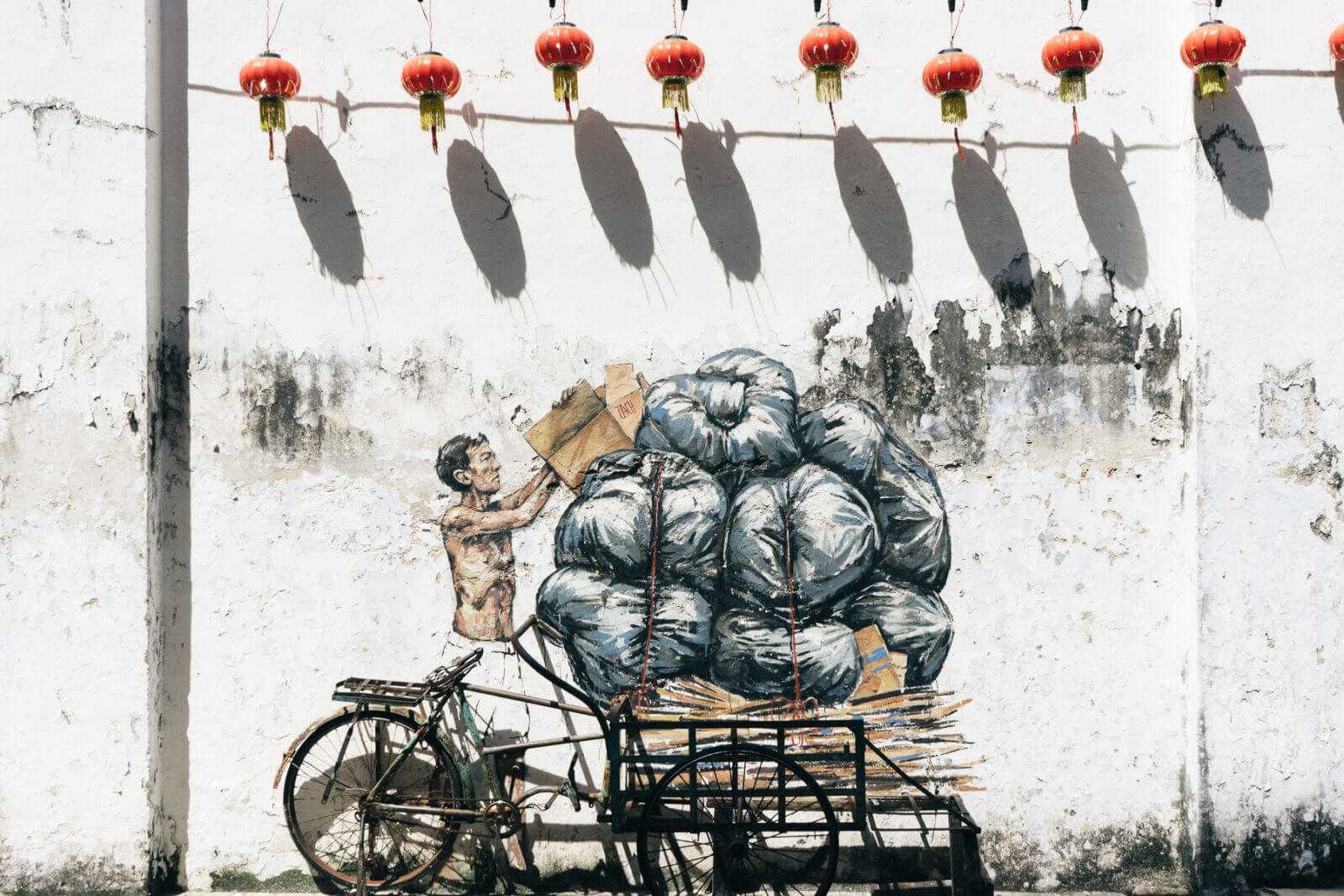
If it works in Georgetown on the Malaysian island of Penang, it must work in Ipoh, too. That’s probably what someone must have thought. Georgetown has become known for its largely interactive murals, which gained fame primarily through the Lithuanian artist Ernest Zacharevic. Thanks to some of his works in Penang, he’s even earned the nickname “the Banksy of Malaysia,” and tourists line up endlessly in front of his murals in Georgetown just to snap a photo.

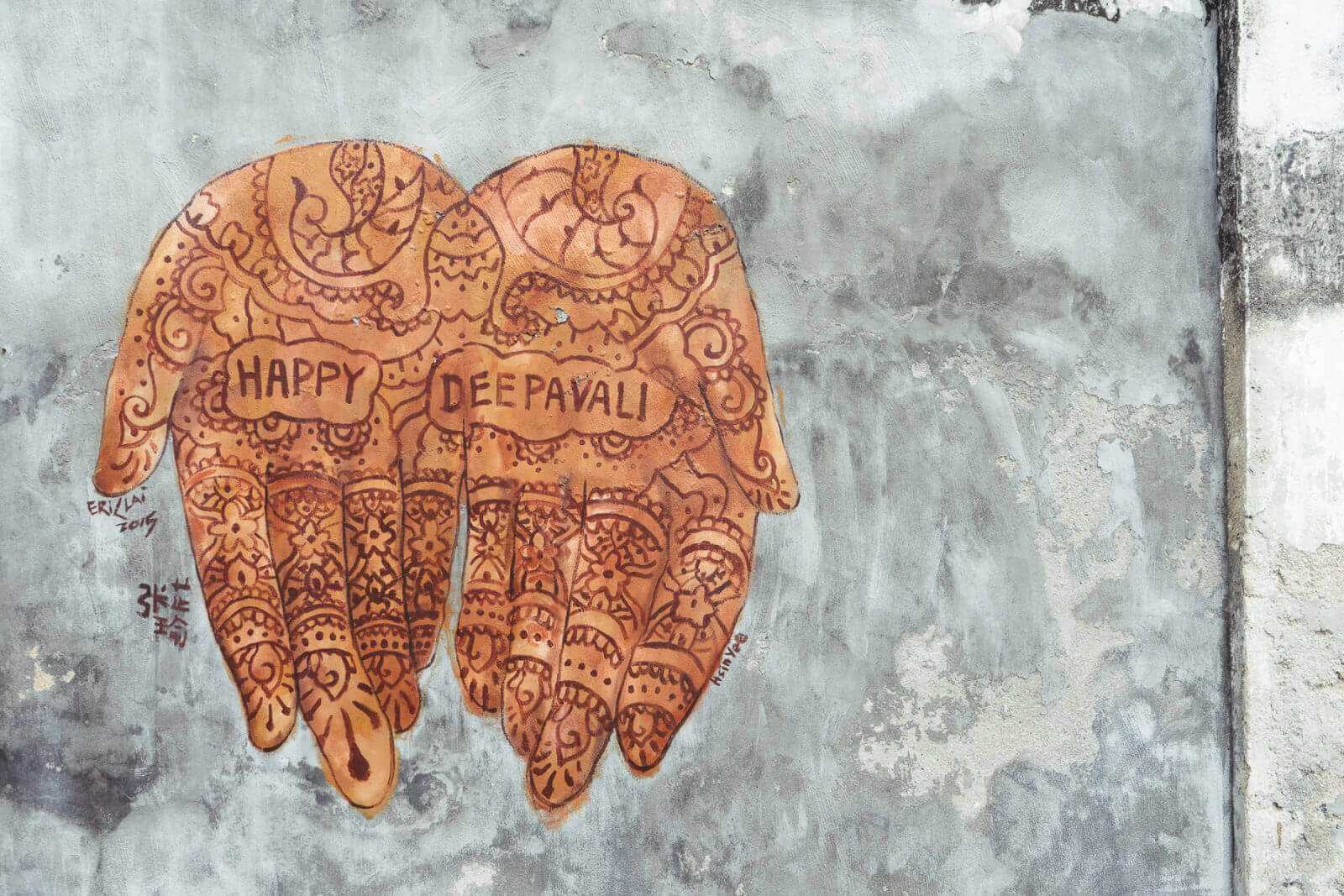
This is not yet the case in Ipoh. But street art can still be found everywhere. There is even next to the more famous Market Lane a complete alley only with street art, the Mural Arts Lane. Partly nice, partly less so, but in any case not as crowded as Georgetown. Since the old town is also very clear and many works are centrally located, you can actually look at all the interesting murals in just a short time.

Night Market: Exploring Ipoh’s Vibrant Nightlife
As is typical in Southeast Asia, Ipoh also has a night market. However, it’s located outside the old town, and if you really want to go there after dark, you’re better off taking a taxi. Uber or Grab (which is usually a bit cheaper than Uber and also more popular). It’s not far to walk, but the streets along the way are rather dim—and to me, the savings just weren’t worth it.

Unfortunately, the market itself isn’t particularly spectacular; it mainly sells counterfeit Chinese knickknacks and trivial trinkets. So if you’re looking for local handicrafts or other authentic souvenirs, you probably won’t find what you’re looking for here.
But there’s some exciting street food here: On a street corner, there’s a restaurant called Lou Wong, which is apparently known for its chicken with rice and soybean sprouts. In any case, it’s the biggest and busiest place far and wide, and there isn’t even a menu. That’s because they only serve one dish on simple orange plastic plates—you can choose between chicken or the vegetarian option (which is probably just the same dish without the chicken). You order using hand gestures—nobody speaks English. But that doesn’t matter. The main thing is that it’s delicious—and the place is definitely worth a visit for adventurous eaters.

I thought Ipoh was really quite pretty, and if I hadn’t had only three weeks in total for the entire trip, I probably would have stayed a little longer—also to explore the surrounding area. I think Ipoh is definitely a nice change of pace, especially for long-term travelers, offering a break from all the traveling and a chance to just relax for a few days.

How to Get There
Ipoh is located north of the Cameron Highlands on the way to Penang/Georgetown, making it the perfect stopover. Ipoh is also very well connected: There’s a train connection to Kuala Lumpur, an airport with flights within Malaysia and to Singapore, and a large bus terminal outside the city from which you can travel to all parts of the country. Traveling by bus in Malaysia is highly recommended—it’s affordable and much more comfortable than you might imagine!
Where to Stay in Ipoh
There are some nice places to stay in Ipoh. Individual, stylish and yet affordable:
M Boutique Hotel – It’s just outside the Old Town, but thanks to Uber—which works great in Ipoh, too—it’s absolutely easy to get to.
De Café & Rest House – Not only a highly recommended café, but also a new capsule hotel. Ideal for solo travelers. Unfortunately, there are no private rooms, but it does have a unique location in the Old Town!
The Happy 8 Retreat @ Old Town Ipoh – Also located in the heart of the old town, this is a beautiful boutique hotel with unique jungle-style interior design.


Leave a Reply