Category: Malaysia

Spontaneously, it took me to Malaysia and I was immediately enthusiastic. Although Kuala Lumpur cannot be compared with metropolises like Hong Kong or Bangkok, the multicultural atmosphere still impressed me very much.
We then continued across the country, from old colonial cities to mountain idylls and paradisiacal beaches: Malaysia is an absolutely diverse travel destination.

  • Langkawi, Malaysia: The Best Beaches & Things To Do

    Langkawi, Malaysia: The Best Beaches & Things To Do

    Langkawi is a well-known stopover heading to Koh Lipe, but it also deserves a shorter visit or even a full vacation. I’ll share the must-see attractions and how you can include Langkawi in your itinerary through Southeast Asia.

    Street restaurant with pizza and seafood signs nestled between trees

    Beautiful Beaches on Langkawi

    If you’re hoping for beaches as breathtaking as those on nearby Thai islands—like Koh Lipe—with their stunning turquoise waters, I have to be honest and share that Langkawi’s beaches might not quite match up to those. There’s a little quirk I’ll share with you later, too. But instead of bustling party spots, you’ll enjoy the beauty of nature and the warmth of a truly welcoming culture here.

    Man selling coconuts from a boat at a floating market

    Cenang Beach

    Cenang is the island’s most popular beach and a lively spot for tourists. The beach itself is long, wide, and quite lovely, offering a relaxing escape. The town nearby, however, has a more bustling feel, with a mix of large, sometimes plain buildings along the main street and lots of open spaces in between. While the architecture may not be spectacular, the generous stretch of beach ensures plenty of room for everyone, even when taking in the exciting nightly fire shows.

    People playing beach volleyball on a tropical sandy beach
    Fire show on the beach at night with spectators
    Beach restaurant at night with fairy lights and palm trees

    Pantai Tengah

    Pantai Tengah is just a short drive south of Cenang, and I genuinely enjoyed my time there. It’s quieter, better maintained, and has a more relaxed vibe that makes it really appealing. I had a lovely meal at the Frangipani Langkawi Resort, which also left a great impression as a welcoming place to stay. If you find Cenang too busy but still want to be close to all the conveniences, Pantai Tengah is a good choice as your base.

    Couple walking on a tropical beach with turquoise blue water
    Beach cafe with fairy lights and ocean views in a tropical setting

    Tanjung Rhu

    Tanjung Rhu, often called Langkawi’s most stunning beach, is beautifully situated in the northern part of the island. It’s much more peaceful than Cenang, and I liked it a lot; the whole area feels more natural and untouched, making it a special place to relax and enjoy.

    Tourists on a sandy beach with kayaks and rocky islands in the sea

    If that’s exactly what you’re looking for, the Tanjung Rhu Resort is worth checking out with its own private beach. The resort is very well-maintained and far away from the hustle and bustle. I didn’t actually stay there, but I liked the location so much that I made a mental note of the resort for a possible second visit.

    Tourists relaxing on a tropical beach with mountains in the background

    Please be aware that box jellyfish can be found in the waters around Langkawi, and their venom can be very dangerous. Sometimes, they wash up on the beaches, and there have been unfortunate incidents, including at Pantai Cenang. To stay safe, make sure to check the latest updates on the spot and take any warnings seriously.

    Discover more interesting blog posts about travel destinations across Malaysia

    Things To Do in Langkawi

    If you’re only in Langkawi for a few days, make sure to visit these two must-see attractions. They are easily accessible and absolutely worth the visit.

    Sky Bridge & SkyCab

    The Langkawi SkyBridge is definitely a highlight. The cable car ride from Oriental Village to Mount Mat Cincang lasts around 15 minutes, offering breathtaking views throughout. During the ascent, you can select from various cabin types and packages. I recommend choosing the best options available!

    Cable car over tropical rainforest with ocean views on Langkawi

    Here’s a little tip: consider upgrading to the 360-degree gondola with a glass floor. It might be more expensive, but you’ll enjoy breathtaking 360-degree views and, in my experience, a private ride all to yourself—while the regular gondolas get crowded with groups. Plus, these open-air gondolas offer an exciting, breezy experience instead of being fully enclosed and air-conditioned.

    Feet on the glass floor of a cable car over a green forest

    Once you arrive at the top, you’ll be treated to a breathtaking panoramic view of the entire island from the SkyBridge. And on a clear day, you might even catch sight of Thailand in the distance!

    Sky Bridge on Langkawi with tourists and mountain panorama
    Cable car gondolas over forested mountains with ocean views

    Tip: Set aside half a day to fully enjoy the SkyBridge experience. The entire complex is beautifully designed, and on less crowded days, you can spend a relaxing afternoon here.

    Save yourself the wait in line at the ticket counters: Buy your SkyCab and SkyBridge tickets here*

    Cable car over green jungle with ocean views in Langkawi

    Mangrove Tour at Kilim Geoforest Park

    The mangrove tour through Kilim Geoforest Park is one of the most popular excursions on Langkawi—and in terms of scenery, it’s well deserved. The boat takes you through mangrove forests and past limestone cliffs, eagles, and monkeys.

    Tourist boat on the river with mountains and birds
    Eagle catching a fish from the water
    Brahminy kite flying over treetops in the sky

    It’s unfortunate that some tours market themselves as “eco,” but often, there’s not much true eco-friendliness involved. During my trip, we were allowed to feed the monkeys, and some guests even brought bananas just for that. When I mentioned this to the guide, he was honest: whether they ban it or allow it, it always leads to discussions, so they’d rather not take a stand. Additionally, we visited a seafood restaurant with its own farm. Personally, I wasn’t comfortable hand-feeding caged manta rays and the whole venue raised concerns for me.

    Monkey sitting on tree roots in the mangrove forest
    Boat trip through a lush mangrove forest with passengers in life jackets

    Why do I still recommend the tour? Most tour operators follow a similar pattern, and genuine alternatives are rare. Even if you choose a Grab or rent a car to reach the dock, you’ll board the same boats. Second, the picnic. Our guide brought homemade curry with rice for everyone—simple yet delicious, made with genuine care, and for me, it was the unexpected highlight of the tour. Considering the tour’s cost, I never anticipated such a thoughtful touch.

    Book the mangrove tour in Langkawi here

    Eagles flying over the mangrove forest seen from a boat
    Bird of prey in flight in front of green trees and rocks
    Smiling guide holding a horseshoe crab in front of a group of tourists
    Man photographing a large ray in a fishing net
    Tourist boats at the pier with karst rocks and mangroves
    Black and white photo of water splashes with islands and mountains

    Where To Eat & Drink in Langkawi

    To me, the little street food restaurants are some of the most delightful spots on the island. They’re charming, affordable, and warmly inviting. Many of these places prefer cash payments—I didn’t realize that initially. One time, I was about to go find an ATM, but a very kind staff member kindly advised me otherwise. She reassured me that I could sit back, enjoy my meal and drink first, and settle the bill later—whether it was later that day or even the next. I was genuinely moved by such genuine warmth and trust. It’s a beautiful reminder of how friendly and caring people are, especially right here in Malaysia, where kindness seems to be everywhere.

    Bustling night market with fairy lights and many people

    What you should know: Langkawi has a Muslim culture, and many local restaurants don’t serve alcohol. I’ve been sober for a while now, so this wasn’t an issue for me—but if a sundowner beer is a must-have part of your vacation, you should expect that you won’t find it at every beach bar. Interestingly, Langkawi is also a duty-free zone, and you can get alcohol cheaper in the numerous duty-free shops than you might elsewhere in the country.

    In the evenings, the usual night market takes place on Cenang’s main street, featuring many street food stalls. It’s the perfect opportunity to sample a wide variety of specialties. Just make sure to bring cash; card payments are not accepted at most stalls.

    Fried noodles with vegetables and lime from a street food stall

    Where To Stay in Langkawi

    Bamboo Cottage —this is where I spent most of my nights, and it was exactly my style: simple rooms, but a very homey atmosphere, a nice pool, and the whole place completely surrounded by greenery. Unfortunately, it’s a bit far from Cenang Beach. You could walk there, in theory, but most of the route follows the main road and isn’t much fun—you’re better off taking a Grab. If you’re looking for nature and peace and quiet instead of being close to the beach, though, this is the place for you.

    Red wooden huts in a tropical landscape with palm trees and mountains

    Villa Abadi Resort —my choice for the last night because it’s conveniently located near Telaga Harbor, where the ferry to Koh Lipe departs in the morning. If you’re planning the same route, this is the most relaxed option.

    Tropical pool with fountain at Villa Abadi Resort

    Frangipani Langkawi Resort – I was only here to eat. But the resort and the stretch of beach at Pantai Tengah looked so well-maintained that I regretted a little not having stayed here as well.

    Tropical resort with a blue swimming pool and ocean views
    Tropical resort pool with palm trees and ocean views

    Getting Around on Langkawi

    Although Langkawi is an island, the distances can still be quite long. It takes a good 45 minutes by car to get from Cenang up north to Tanjung Rhu Beach. I didn’t use public transportation on Langkawi; Grab is very affordable and available almost everywhere on the island.

    If you’re planning longer trips and want to explore Langkawi at your own pace, you can also rent a car right at the airport. The road network is well developed, and traffic is generally light. Keep in mind, however, that in Langkawi—like in the rest of Malaysia— people drive on the left.

    Click here to find the best car rental deals in Langkawi

    For day trips, I suggest renting a car with a driver, making it simple to explore many of the island’s sights. Many Uber drivers also provide daily rental options, so if you’re planning a longer trip and encounter a friendly driver, just ask.

    If that feels too uncertain and you’d prefer to reserve a driver through an official tour operator beforehand, you can do so online here:

    Private driver in Langkawi for 8 hours, for up to 5 people, including a car *

    Good To Know: Practical Tips for Your Trip to Langkawi

    Getting There: I took a direct flight with Scoot from Singapore to Langkawi, and entry into the country was hassle-free. Here you’ll find cheap flights

    Money: The currency used on Langkawi is the Malaysian ringgit (MYR). Credit and debit cards are not widely accepted, especially in small restaurants or street stalls—these places often accept only cash. However, you can always find ATMs or currency exchange offices, for example, in downtown Cenang or at the airport.

    Malaysian street food stall with grilled skewers and colorful signs
    Street vendors often accept only cash.

    How many days should you plan to spend in Langkawi? Since I was traveling on from there, I figured four nights would give me a nice chance to explore a bit of the island and also enjoy some relaxing moments.

    Alcohol: Malaysia is predominantly Muslim, and some establishments in Langkawi do not serve alcohol. Langkawi is also not a party island.

    On to Koh Lipe: By Ferry From Telaga Harbor

    If Koh Lipe is part of your travel plans, I highly suggest considering a visit to Langkawi. Instead of dealing with the hassle of long and complicated minivan and speedboat trips, you’ll find that the ferry from Langkawi to Koh Lipe is quick and easy, making your journey much more enjoyable.

    There are two ports on the island with ferry service to Koh Lipe: Telaga Harbor and Kuah Jetty at the other end of Langkawi. Telaga Harbor is just a short drive from Cenang and the airport. Langkawi Airport is well connected to the Malaysian Peninsula, with direct flights to Kuala Lumpur, Singapore, and Penang.

    The small ferry, though modest, offers greater comfort compared to the speedboats that travel between Koh Lipe and the Thai mainland.

    Please note: The ferry operates only during the peak season, roughly from mid-October to mid-June.

    Book your ferry tickets from Langkawi to Koh Lipe here

    Read more: Full Guide to Koh Lipe and My Island-Hopping Guide to the Andaman Sea

    Tropical market stall with bananas, mangoes, dragon fruit, and pineapple

  • Perhentian Islands: Tips for This Snorkeling and Beach Paradise in Malaysia

    Perhentian Islands: Tips for This Snorkeling and Beach Paradise in Malaysia

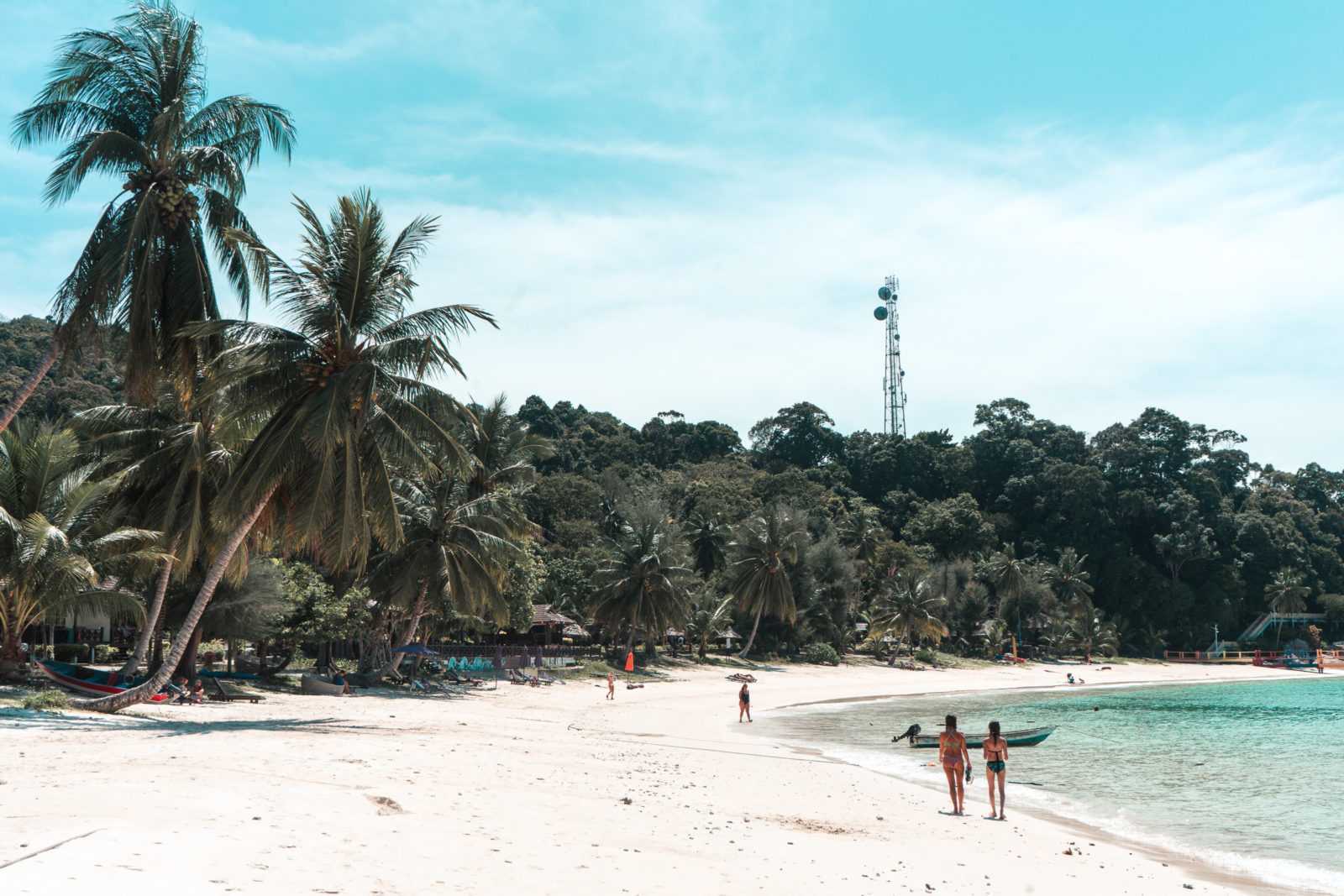
    To be honest, I had imagined the trip to the idyllic Perhentian Islands in Malaysia would be different. The waves were crashing harder and harder against the tiny nutshell of a boat we were sitting in, and by then I was thinking about how much of my camera gear I’d have to say goodbye to if the next wave washed into the boat—or worse, if we all fell out of the boat.

    Perhentian Islands, Pulau Perhentian Besar, Malaysia, Beach
    Dream beaches right on your doorstep: The Coral View Island Resort is located right on the beach.

    Strangely enough, I wasn’t afraid for my life or of drowning. That might be because I always feel safe in the water, and thanks to years of swimming lessons when I was young, I’m also pretty good at moving around in it (at least one sport that comes easily to me!). Or perhaps because the boat ride from the Perhentian Islands back to the mainland takes only forty minutes and goes through fairly open and well-traveled waters—someone would surely fish us out of the water if all else failed. And with a life jacket (thankfully, we had one) and the water at a comfortable 27 degrees Celsius—just like a bathtub—we could probably stay in the water for quite a while.

    The seemingly rough seas weren’t really the problem, but rather the boats—which aren’t really seaworthy—that serve as water taxis or ferry services connecting the Perhentians to the mainland. On a large ferry, you probably wouldn’t have noticed a thing. But those can’t even get close to the Perhentians in the first place. Because there’s no harbor. Paved roads? Nope. Buses? Cars? No. None of that. And so the two Perhentian Islands— Perhentian Besar (the large island) and Perhentian Cecil (the small island)—lie like two lost islands off the coast of East Malaysia.

    Perhentian Islands, Malaysia: Dream Beaches on Perhentian Besar

    Perhentian Islands: Malaysia’s Diving Paradise

    According to Lonely Planet, the Perhentian Islands are supposed to be the fifth most beautiful diving spot in the world. As a complete diving novice, I had no idea that beforehand. In fact, I’d always been a bit wary of diving. Water itself is my element, sure, but actually diving down there, with just an oxygen tank to breathe, and then there’s the whole pressure thing! Afterward, I can’t handle the pressure difference, I have trouble equalizing the pressure, my ears go haywire, I lose it, my eardrum bursts and won’t heal—and just like that, hello, permanently unfit to fly.
    Pretty lame for a flight attendant who really doesn’t feel like retraining at this stage in her life. Okay, maybe I’m being a bit dramatic, but that’s just how I feel about diving. Sometime in the last few years, I gave snorkeling a try on Koh Phangan—and that’s when I thought for the first time, looking at the colorful coral reefs and cute little fish: Maybe diving would be something after all.

    Perhentian Islands, Pulau Perhentian Besar, Malaysia, Beach
    The Perhentian Islands have beaches straight out of *Robinson Crusoe*: During the off-season, you’re practically alone on Perhentian Besar.

    But it took another snorkeling trip to the Perhentians to really convince me—I’ll be back, and next time I’ll have more time to dive! Unfortunately, I didn’t take any pictures underwater. But I have the most beautiful ones in my mind, and that’s worth something too: On our snorkeling trip, we saw just about every kind of marine life the reefs right off Perhentian Besar have to offer: brightly colored clownfish, huge and incredibly fast sea turtles, and sharks a meter and a half long.

    And since it was the end of the season, there were only three of us on the boat anyway. We didn’t feel like we were intruding on the underwater world; instead, we were simply able to enjoy nature. Unfortunately, the end of the season also means the start of the rainy season, so the weather wasn’t quite as sunny anymore, and our guide assured us that the water—which already seemed as smooth as glass to me—would be even smoother, clearer, and simply amazing during the peak season. I guess I’ll have to go see it for myself after all. Even with the bad weather, the Perhentians were still pretty impressive.

    A complete tour of Malaysia is also well worth it!
    You can find more travel stories on the Malaysia Blog

    Perhentian Kecil or Perhentian Besar? The big island or the small island?

    The water taxis serve both islands, and due to limited local capacity, it’s a good idea to book accommodations in advance on the Perhentian Islands—contrary to general travel habits in Southeast Asia. It’s also relatively expensive—Malaysia isn’t exactly a budget paradise like Thailand, but here on the islands, lodging is even a bit pricier. On top of that, you can’t really take care of your own meals—apart from a few small resort-run stands selling chips and crackers, I didn’t see much else. It’s just a remote island, after all.

    By the way, I actually had the pleasure of trying out accommodations on both islands. Actually, I was only on Perhentian Besar and spent a day visiting friends on the neighboring island of Perhentian Kecil —and realized that getting around on the water taxis that connect the islands isn’t all that easy toward the end of the season. Or sometimes they don’t run at all because the waves are too high. So I ended up having to spend an unplanned night on the other island—with nothing but my beach bag. But that’s how the best stories happen, isn’t it? Anyway, the impromptu beach party with the locals—along with a few lost tourists like us, who were clearly in the minority by then—made up for it. And a little adventure in paradise never hurts.

    Which island should I stay on? Perhentian Besar or Perhentian Kecil?

    So here’s my tip: Be sure to check out and book accommodations in advance. Then ask yourself what you’d prefer: peace and quiet, or a family-friendly environment? If so, I recommend staying on Perhentian Besar. Or are you more in the mood for a laid-back hippie vibe and a backpacker atmosphere, with occasional nighttime fire shows on the beach and cheap booze from a makeshift cooler-beach bar? Then go for Perhentian Kecil. By the way, I liked both!

    Perhentian Islands, Long Beach, Pulau Perhentian Kecil, Malaysia
    Toward the end of the season on the Perhentian Islands, the weather can take a turn for the worse. Even so, the colors of the water at Long Beach on Perhentian Kecil are amazing.

    Basically, though, both islands are very quiet; there isn’t much to do besides hitting the beach, snorkeling, and diving —dining out is mostly limited to the resorts’ own restaurants, which are open to the public. And unfortunately, they’re usually not very good, in my opinion. But I was probably just spoiled by the foodie paradise in Georgetown, where I’d been before visiting the Perhentian Islands.

    Getting There & Tips

    How do you get to the Perhentian Islands?

    The famous water taxis take you from the pier in Kuala Besut to the islands. If you’re flying in, like I did, the nearest airport is Kota Bharu, which has direct flights from Kuala Lumpur and Penang.

    Find cheap flights to Kota Bharu here*

    From there, it’s about an hour’s taxi ride to reach the boat dock. Right by the baggage carousel, there’s a booth where they sell taxi tickets. There are certainly even cheaper options, but you can usually find someone to share a taxi with. Despite the relatively long distance, as far as I recall, it doesn’t cost an arm and a leg. You can often find flights at good prices, even on short notice.

    Perhentian Islands, Malaysia: Dream Beaches on Perhentian Besar

    Staying Overnight on the Perhentian Islands

    Accommodations are a bit of a challenge on the Perhentian Islands. Malaysia isn’t generally one of the cheapest countries for budget travelers. On the Perhentian Islands, prices are even a bit higher. And accommodations are limited.

    It’s best to book hotels on the Perhentians in advance!
    Find the best prices here

    Especially during peak season—the European summer—it’s a good idea to book your accommodations in advance. Personally, I always find this difficult in Southeast Asia; I rarely book far in advance, but on the Perhentian Islands, the better options can sell out quickly. However, don’t kid yourself—the value for money isn’t great.

    I found the dining situation on Perhentian Besar particularly challenging; aside from a small shop at the Perhentian Islands Resort selling just a few bags of chips, I couldn’t find any way to take care of my own meals. So you’re dependent on the resorts’ restaurants around the clock, which, unfortunately, aren’t particularly good. Of course, it is an island, after all, so everything has to be shipped in. The situation seemed a bit better on Perhentian Kecil, though it isn’t quite as quiet and peaceful there as it is on Perhentian Besar.

    My Hotel Recommendations for the Perhentian Islands

    I stayed at The Barat Perhentian, which has simple cabins near the beach. If you don’t need luxury, you should be satisfied. During my stay on Perhentian Kecil, there was a lot of construction going on at Long Beach, so I spontaneously spent a night at the Rock Garden Resort. It’s really basic, but somehow also very pretty because of its hillside location. However, this is only for you if you don’t mind climbing stairs, since the cabins are on a steep slope. All around are new and nicer resorts. But it seemed to me that there might end up being a bit too much of a good thing in the future.

    Best Time to Visit the Perhentian Islands

    It’s essential to keep in mind that the tourist season on the Perhentian Islands lasts only from March through October—I was there toward the end of October, and while the trip there was still okay, the return trip by boat was quite a bit more adventurous than described above. Outside of the season, all resorts close, and the monsoon makes conditions unpleasant—so the Perhentians aren’t a year-round paradise.

    But if you’re into idyllic beaches and a stunning underwater world and want to really unwind, then I highly recommend a trip to the Perhentian Islands.

    Perhentian Islands, Malaysia: Sunset at the Mosque on Perhentian Kecil
  • Best Things to Do in Ipoh, Malaysia: Old Town & Street Art

    Best Things to Do in Ipoh, Malaysia: Old Town & Street Art

    It’s often the places that no one really knows about that make the difference. Not that Kuala Lumpur wasn’t interesting on my trip through Malaysia last October. Or Singapore, where I was later. There’s a reason why thousands of tourists from all over the world make the pilgrimage there. But in the end you only see what you already know from several travel guides or recently more and more often from your Instagram feed. To see this live and in color is of course also exciting – but in the end, places like Ipoh in Malaysia also have their charm, precisely because they are not yet so well known.

    ipoh

    So when I’m on the road for a longer period of time, I like to stop at places that aren’t quite as crowded. Simply to deviate from the usual stream of tourists. Ipoh is not that untouristy either – however, the vast majority of visitors are from China, western tourists hardly seem to know Ipoh. And this, although Ipoh is a really nice stopover for 1-2 days, if you are traveling in Malaysia.

    On my Malaysia Blog you can learn much more about Malaysia

    The Old Town of Ipoh

    The Old Town is small but charming, with many buildings from the colonial era. And there’s quite a bit of street art—which is a nice way to get in the mood for Georgetown if you’re on your way there. Most of the murals are easy to find, even using Google Maps. Or you can pick up a map at the tourist office. They’re very well organized in Malaysia anyway—something I hadn’t expected.

    ipoh

    The Ipoh Heritage Trail takes you past all the town’s buildings worth seeing – from a time when Ipoh was still so rich because of its nearby tin deposits that it was called the “City of Millionaires.” And again and again there are small alleys and beautiful details to explore and discover. It is precisely the fact that Ipoh is not so smoothly polished and still has a slightly morbid vintage charm in many places that makes the old town so special.

    ipoh
    ipoh

    Concubine Lane

    The tourist hub of Ipoh is Concubine Lane, a narrow alley lined with shops, restaurants, and street stalls. There are actually three Concubine Lanes; in ancient times, a tin baron gave each of his three wives a street and let them collect the rent there for their own pockets—hence the three Concubine Lanes. Today, the action takes place mainly on a single street, Lorong Paglima, which is commonly known as Concubine Lane.

    ipoh

    On what is now Market Lane—formerly Second Concubine Lane—you won’t find any shops, but you can take your time admiring street art murals and, if you have a keen eye, the tastefully displayed accessories, such as a vintage Beetle. But the umbrellas… well, they’re kind of old news… in the truest sense of the word.

    ipoh

    Probably the most intricately designed gem in Ipoh’s Old Town is Kong Heng Square, a small block of buildings lined with shops and cafés. And it’s really beautifully done. The trees, which have been growing in the courtyard for centuries and were simply integrated into the redesign of the buildings, make you feel like you’re at Angkor Wat.

    ipoh

    It’s a little too geared toward the hipster crowd, but you can still enjoy shopping for handmade souvenirs in the small shops here and enjoy good food and drinks at the cafés and restaurants.

    ipoh

    Street Art in Ipoh

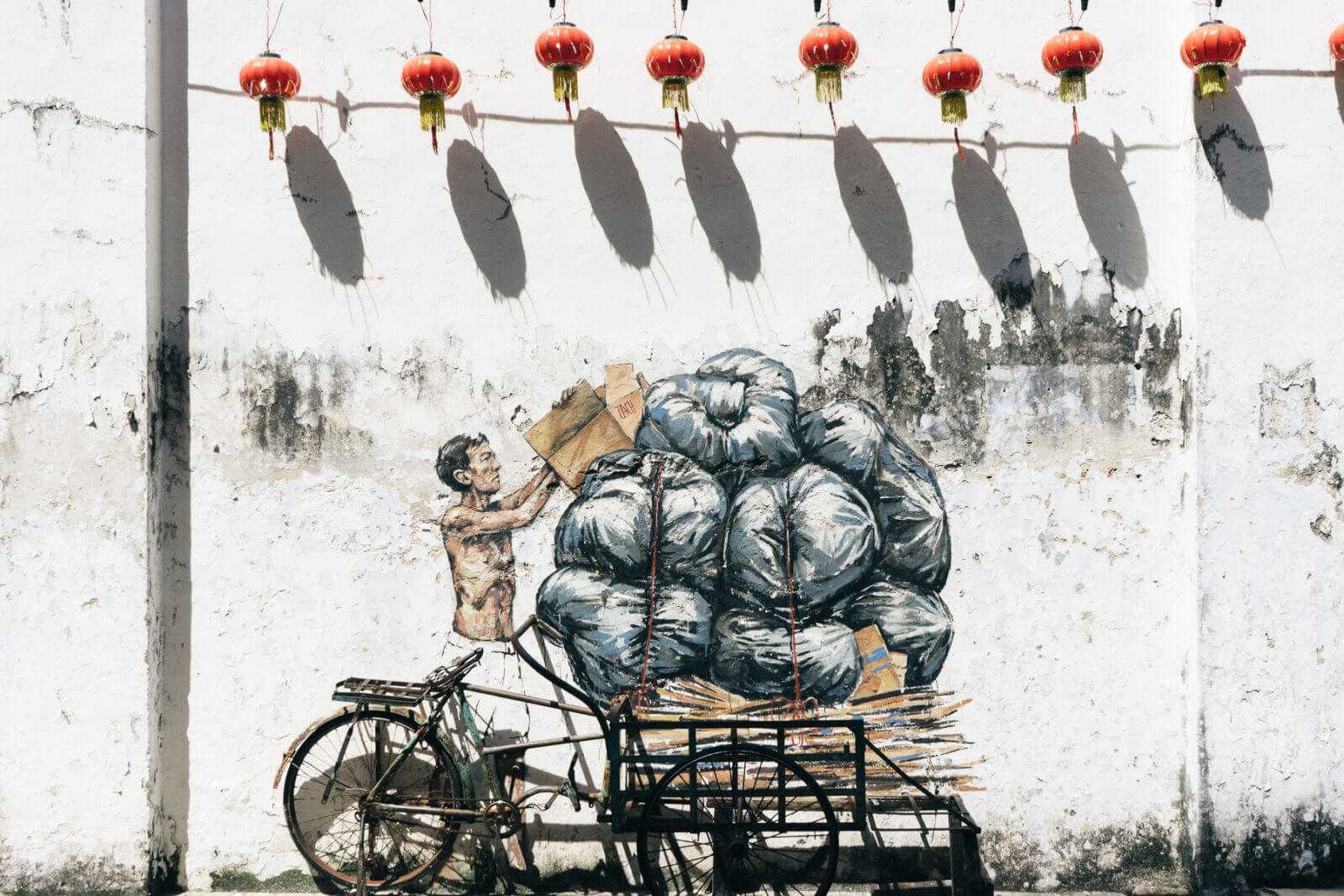
    If it works in Georgetown on the Malaysian island of Penang, it must work in Ipoh, too. That’s probably what someone must have thought. Georgetown has become known for its largely interactive murals, which gained fame primarily through the Lithuanian artist Ernest Zacharevic. Thanks to some of his works in Penang, he’s even earned the nickname “the Banksy of Malaysia,” and tourists line up endlessly in front of his murals in Georgetown just to snap a photo.

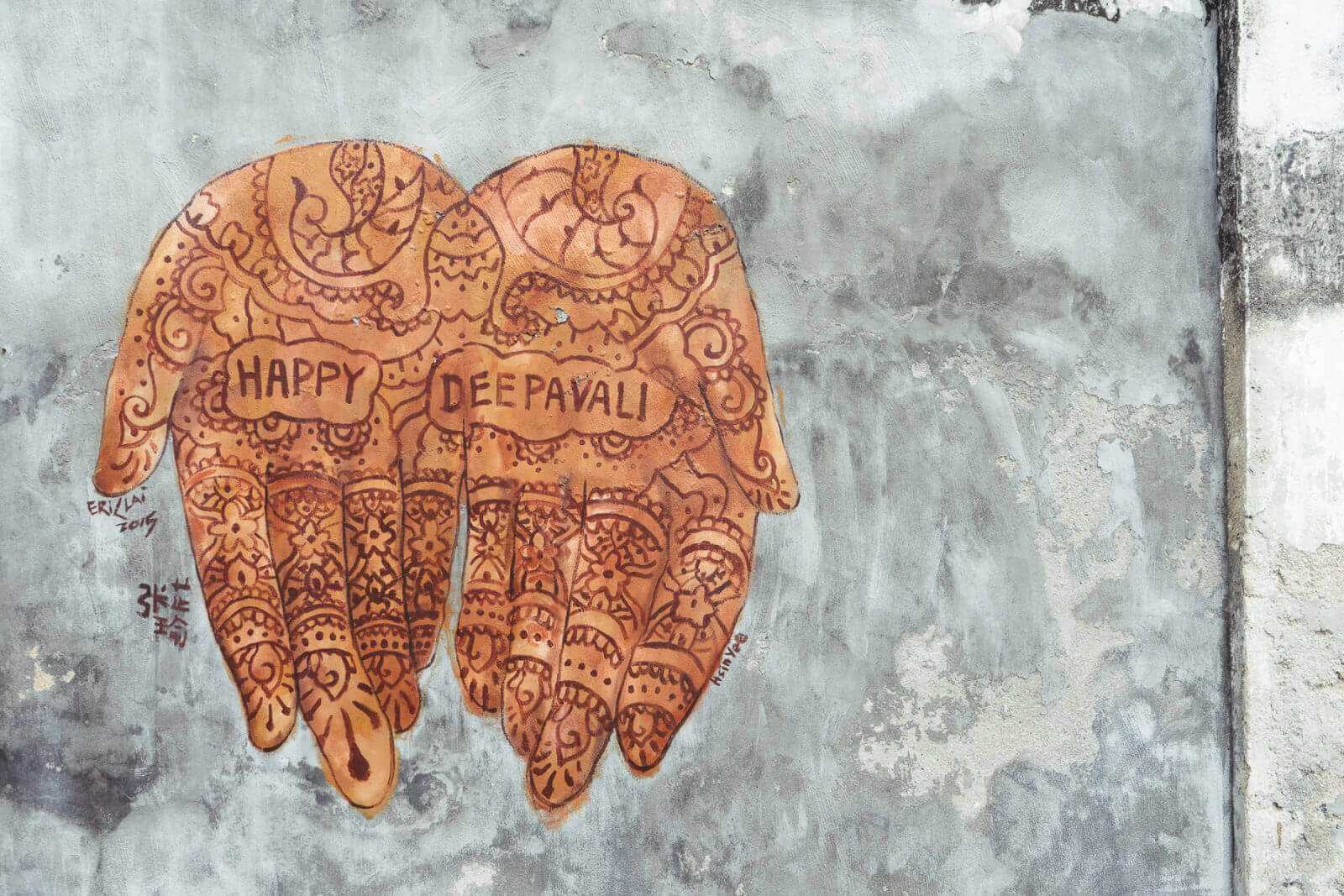
    This is not yet the case in Ipoh. But street art can still be found everywhere. There is even next to the more famous Market Lane a complete alley only with street art, the Mural Arts Lane. Partly nice, partly less so, but in any case not as crowded as Georgetown. Since the old town is also very clear and many works are centrally located, you can actually look at all the interesting murals in just a short time.

    ipoh

    Night Market: Exploring Ipoh’s Vibrant Nightlife

    As is typical in Southeast Asia, Ipoh also has a night market. However, it’s located outside the old town, and if you really want to go there after dark, you’re better off taking a taxi. Uber or Grab (which is usually a bit cheaper than Uber and also more popular). It’s not far to walk, but the streets along the way are rather dim—and to me, the savings just weren’t worth it.

    ipoh

    Unfortunately, the market itself isn’t particularly spectacular; it mainly sells counterfeit Chinese knickknacks and trivial trinkets. So if you’re looking for local handicrafts or other authentic souvenirs, you probably won’t find what you’re looking for here.

    But there’s some exciting street food here: On a street corner, there’s a restaurant called Lou Wong, which is apparently known for its chicken with rice and soybean sprouts. In any case, it’s the biggest and busiest place far and wide, and there isn’t even a menu. That’s because they only serve one dish on simple orange plastic plates—you can choose between chicken or the vegetarian option (which is probably just the same dish without the chicken). You order using hand gestures—nobody speaks English. But that doesn’t matter. The main thing is that it’s delicious—and the place is definitely worth a visit for adventurous eaters.

    ipoh

    I thought Ipoh was really quite pretty, and if I hadn’t had only three weeks in total for the entire trip, I probably would have stayed a little longer—also to explore the surrounding area. I think Ipoh is definitely a nice change of pace, especially for long-term travelers, offering a break from all the traveling and a chance to just relax for a few days.

    ipoh

    How to Get There

    Ipoh is located north of the Cameron Highlands on the way to Penang/Georgetown, making it the perfect stopover. Ipoh is also very well connected: There’s a train connection to Kuala Lumpur, an airport with flights within Malaysia and to Singapore, and a large bus terminal outside the city from which you can travel to all parts of the country. Traveling by bus in Malaysia is highly recommended—it’s affordable and much more comfortable than you might imagine!

    Where to Stay in Ipoh

    There are some nice places to stay in Ipoh. Individual, stylish and yet affordable:

    M Boutique Hotel – It’s just outside the Old Town, but thanks to Uber—which works great in Ipoh, too—it’s absolutely easy to get to.
    De Café & Rest House – Not only a highly recommended café, but also a new capsule hotel. Ideal for solo travelers. Unfortunately, there are no private rooms, but it does have a unique location in the Old Town!
    The Happy 8 Retreat @ Old Town Ipoh – Also located in the heart of the old town, this is a beautiful boutique hotel with unique jungle-style interior design.

  • Cameron Highlands: Malaysia’s Famous Tea Plantations

    Cameron Highlands: Malaysia’s Famous Tea Plantations

    When I visit a country for the first time—like I did recently in Malaysia—I always want to see everything right away. Ideally, the whole country at once. That’s pretty unrealistic. So I try to plan my trip so that I visit just a few areas—but ones that are as diverse as possible. Fortunately, that works well in Malaysia; the country is small, and you can get around quickly and comfortably by bus, train, car, plane, or boat.

    So after a weekend in Kuala Lumpur, I took the bus to the Cameron Highlands, to Tanah Rata. In the middle of the interior, in the middle of the mountains, in the middle of the tea plantations. Pure nature. And pretty much the complete opposite of busy Kuala Lumpur. And the fresh air. A little cooler – but pleasant in summer. And the nature here was really good for me: you can find out everything you can do in the Cameron Highlands in this article!

    Cameron Highlands Malaysia tea plantations
    Lush green everywhere: the tea plantations in the Cameron Highlands in Malaysia.

    Fancy more Malaysia?
    You can find more inspiration for your trip in my Malaysia blog

    Cameron Highlands: Malaysia’s tea paradise

    The tea plantations ensure that the landscape is dotted with lush green fields. This is because only the very young, light green leaves are picked for our tea, while the older, dark green leaves remain on the bush. And so the tea plantations stretch like a bright green blanket over the mountain landscape of the Cameron Highlands. Incidentally, the tea plantations here are – how could it be otherwise – a legacy of the British, who found perfect conditions here in colonial times to grow their beloved tea. Mild tropical climate, not too hot, not too cold.

    Cameron Highlands Tea Plantations Boh Tea
    I just couldn’t get enough of the green mountains in the Cameron Highlands.

    Advertising

    Original BOH tea from the Cameron Highlands

    Around the time I was in Malaysia, I became an absolute tea drinker. And after being able to enjoy really good tea right at the source in the Cameron Highlands, so to speak, I am now quite discerning when it comes to good tea.

    But luckily I can now order my tea happiness from the Cameron Highlands directly to my home! In the Salacca tea house you will find a wide variety of BOH tea from Malaysia!

    ➜ O rder BOH tea online at Salacca Teehaus

    And it wasn’t just the tea that the English brought with them, but also plenty of Land Rovers to get them through the adventurous landscape. To this day, the world’s highest density of Land Rovers can be found in the Cameron Highlands!

    Sunrise in the Cameron Highlands: the magic of nature

    As a city kid, I never considered myself particularly close to nature. But that’s been changing for a while now. Maybe it’s because of my age—oh dear. Or maybe it’s because Berlin, the city where I live, is just too much of a city: too rough, too gray, too crowded. That’s annoying and sometimes makes my enthusiasm for city life fade. In other cities, on the other hand, I find my way around right away. New York, Bangkok, São Paulo—it doesn’t matter. Big cities are my territory. And they don’t impress me at all anymore, because there’s no challenge.

    Cameron Highlands sunrise
    Be sure to join in: A sunrise tour in the middle of the Cameron Highlands is an unforgettable experience.

    What really blows me away: a simple sunrise. In Berlin, you might catch one at most on your way home from a club. But a sunrise over the mountains of the Cameron Highlands, filled with lush green tea plantations and pristine tropical forest—that’s truly mind-blowing. And suddenly you’re drawn into this vast, everyday natural world—and you feel so small yourself.

    The Mossy Forest in the Cameron Highlands

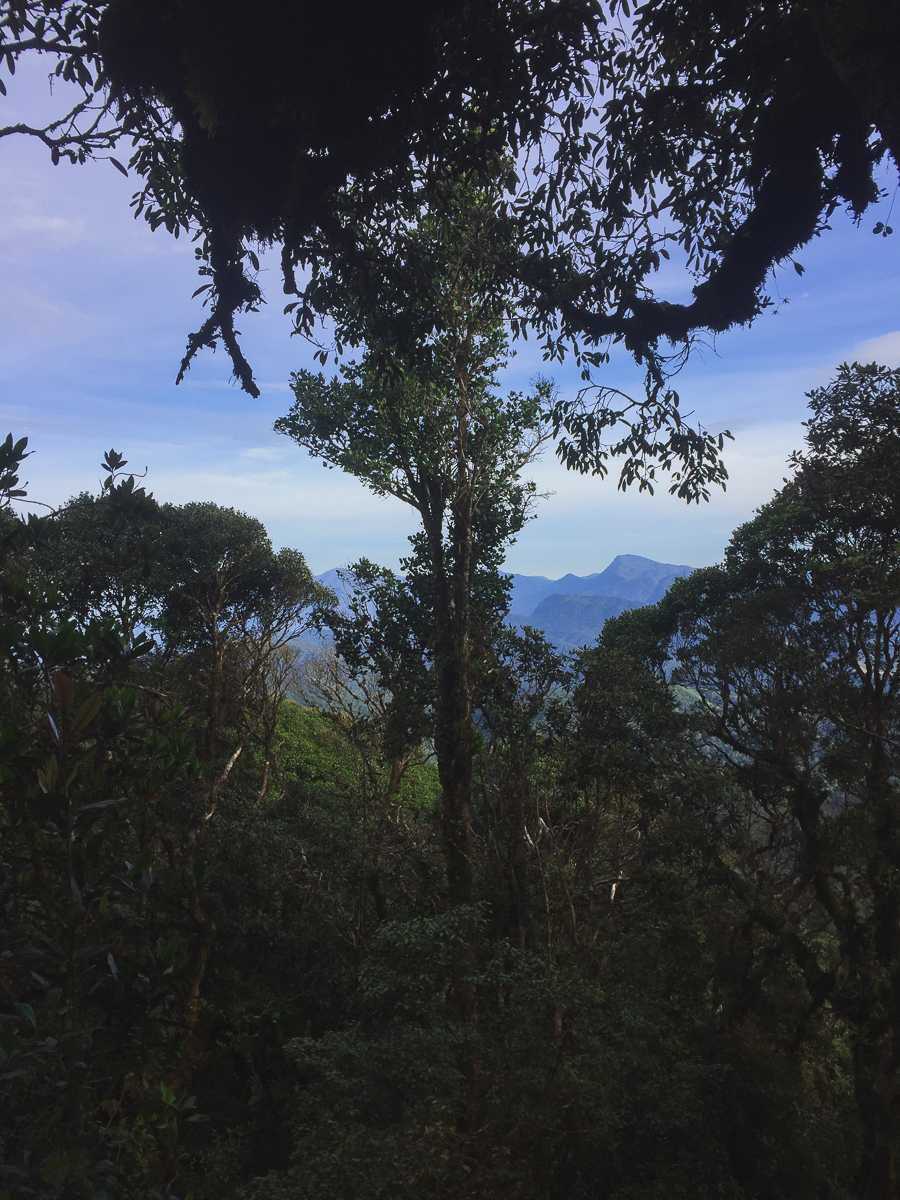
    The tea plantations are certainly impressive. But in the Cameron Highlands, you’ll also come across a strip of rainforest, high up in the mountains. It’s humid and covered in moss from top to bottom.

    Cameron Highlands Mossy Forest tree with moss
    The moss in Mossy Forest grows very slowly, which is why a large part of the area is a nature reserve.

    It takes an incredibly long time for it to grow just a few millimeters. That’s why there’s a section of the Mossy Forest that you can explore via a wooden walkway—and it’s best to do so early in the morning, because otherwise you’ll have to share this impressive natural experience with many other tourists.

    Cameron Highlands Mossy Forest Rainforest Malaysia
    Impressive: a rainforest in the middle of the Cameron Highlands.

    Tips for the Cameron Highlands: Enjoying Tea and Hiking

    There are two major producers with tea plantations in the Cameron Highlands: BOH Tea and Bharat. Both operate visitor centers where you can buy tea, sample it, and watch it being produced. Or you can simply take a walk through the green fields. That’s nice, too.

    Cameron Highlands butterfly farm butterfly black

    There are numerous hiking trails around Tanah Rata. They are not necessarily well signposted, but pretty much every accommodation has more or less accurate maps. But you should be really careful, the paths are sometimes adventurous and lying injured somewhere in the Malaysian jungle is stupid. So it’s better to set off at least in pairs and always have a small survival kit with water, cell phone, etc. with you.

    By the way, the strawberry farms are another major tourist attraction in the Cameron Highlands. But that didn’t really blow me away. The Butterfly Farm is small and easy to navigate, but it still gives you a nice sense of the surrounding nature. And that’s where I saw butterflies for the first time that were as big as (and looked almost like) bats.

    Overnight stay in the Cameron Highlands or Tanah Rata

    Accommodations in Tanah Rata are more expensive than elsewhere in terms of value for money—and also much simpler. But that’s okay, because in the Cameron Highlands you’re just walking around all day anyway, and by evening you’ll fall into bed exhausted from all that fresh air and natural beauty. Two popular places to stay (which were even recommended to me by my Uber driver in Kuala Lumpur) are Gerard’s Place and Father’s Guesthouse, which are part of the same establishment and have a similar style: simple rooms, but functional, with a friendly, sociable backpacker atmosphere.

    Cameron Highlands Tanah Rata Street Food Nasi Lemak

    Tanah Rata has a good selection of restaurants and cafés—even a Starbucks, for those who just can’t do without it. But I found the best breakfast right on the side of the road, at one of the self-service stands with plastic stools and folding tables. It came with lots of rice, chili, and sickly sweet Nescafé. Sounds bizarre. It was. And incredibly delicious.

    Camreron Highlands street food stall on the roadside
  • The 10 Best Places to See in Kuala Lumpur

    The 10 Best Places to See in Kuala Lumpur

    Malaysia, where do you start? I am the best travel planner ever. Not. While others have thought out elaborate routes months in advance and planned whole days through, I know about three days in advance, with luck, in which direction I will set off at all. I hate planning. And so I knew about Malaysia also only what I could still read out in the fast passage from the travel guide. Was not much. Anyway, it is more exciting to experience with your own eyes and so I explored the most beautiful sights in Kuala Lumpur.

    kuala lumpur

    What to do in Kuala Lumpur a few facts

    A few rough facts about Kuala Lumpur before I provide you with some really cool tips for your Kuala Lumpur visit:

    • Kuala Lumpur is the capital of Malaysia and is rather small for a major Asian city with a population of around 1.6 million
    • The Petronas Towers are THE landmark of the city and WERE once the tallest building in the world, but are still the tallest twin towers in the world for it
    • Multicultural: In Kuala Lumpur, as in the rest of Malaysia, a wide variety of cultures and religions live in a very small area: Chinese, Malays, Indians, Arabs, Buddhists, Muslims, Christians, Hindus – everyone finds their place here.

    Petronas Twin Towers

    In Kuala Lumpur, you can’t miss the Petronas Towers. Sparkling clean and featuring interesting design details, the twin towers are an extraordinary piece of architecture—not to mention their immense height. By the way, you can go up there, too.

    Book your ticket to the Petronas Twin Towers here

    kuala lumpur

    Are you planning a trip to Malaysia?
    Then you should also check out my Malaysia blog with lots of information & inspiration!

    Merdeka Square

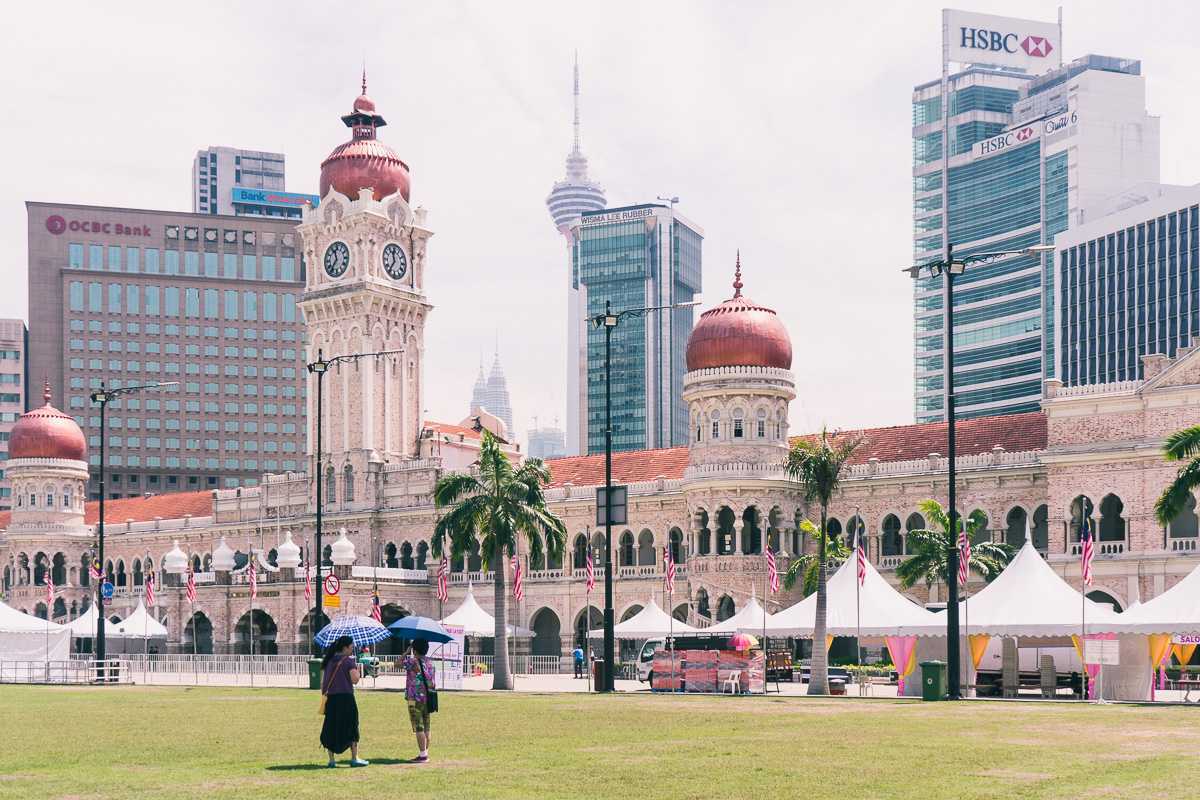
    A little something for history buffs: This is where the Malaysian flag was first raised in 1957 and independence from Great Britain was celebrated. It’s really just a large lawn—it used to be a cricket field, after all. But the building on the square, the Sultan Abdul Samad Building, is well worth seeing with its huge clock tower, unusual spiral staircases, and arcades.

    kuala lumpur

    In addition, the two tourist information centers are a good reason to stop by here. One is the national tourist office for all of Malaysia, located in the Sultan Abdul Samad Building, and just a few meters away across the square is the Kuala Lumpur tourist information office. Here, you can pick up some really informative brochures, and the staff are consistently very friendly and happy to offer tips.

    Chinatown

    There are definitely more authentically Chinese and exciting Chinatowns around the world than the one in Kuala Lumpur. Still, there are some great temples and a lovely indoor market here that you shouldn’t miss:

    Central Market

    There are some nice souvenir stores and stalls here and a good and cheap food court on the upper floor.

    Sri Mahamariamman Temple

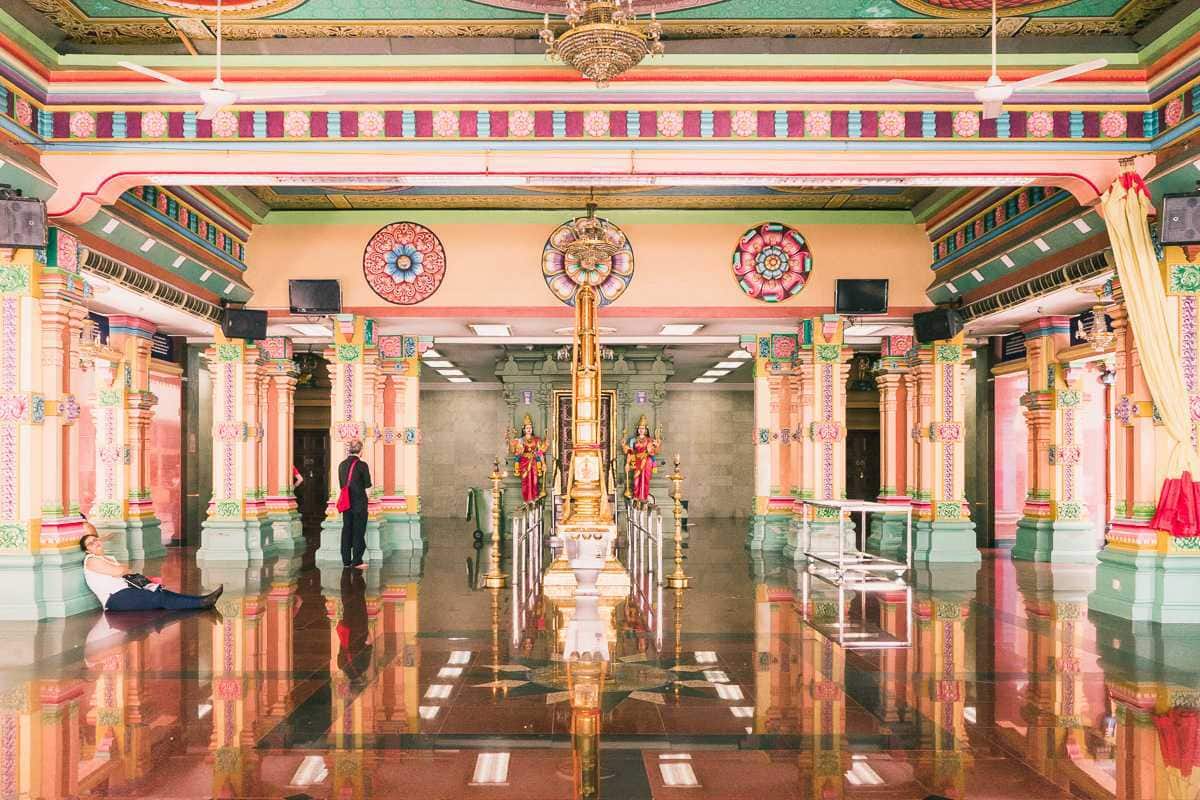
    A Hindu temple right in the middle of Chinatown—that’s Malaysia for you. When it comes to multiculturalism, no one can outdo them. You take off your shoes at the entrance—just like in Hindu temples, where you walk around barefoot—and then you can explore the temple from the inside. The same rule applies here: it’s best to cover up those skin-tight hot pants. You can rent saris on site.

    kuala lumpur
    kuala lumpur
    sri mahamariamman temple kuala lumpur

    Guan Di Temple

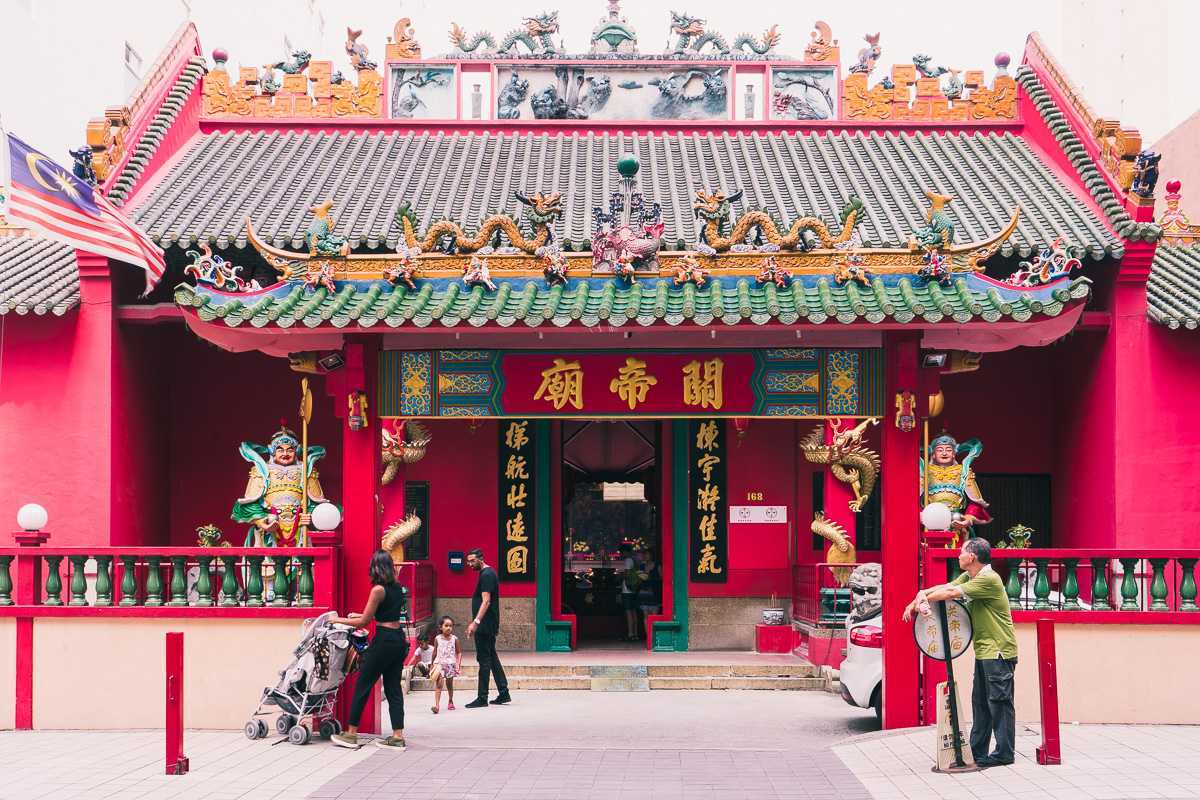
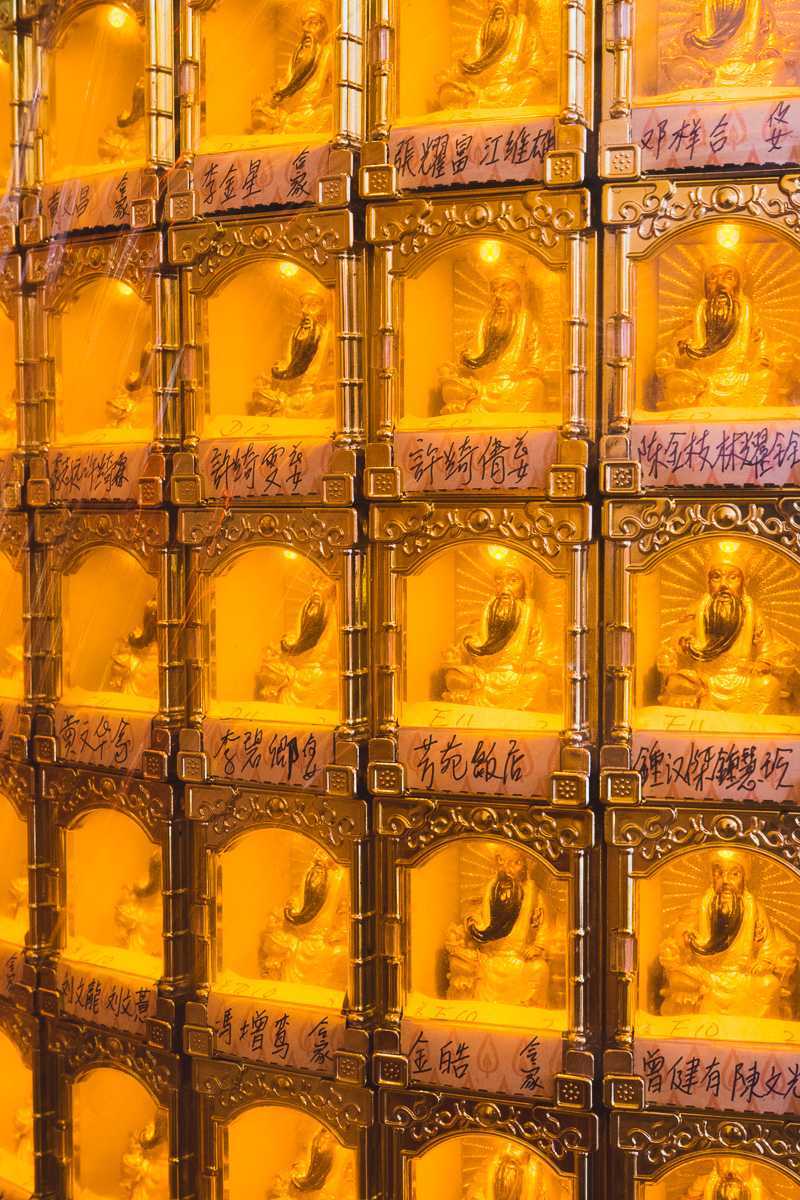
    Just a few meters away from the Hindu temple, you find yourself immersed in a completely different world. Here in Malaysia, you can jump from one world religion to another in the blink of an eye. The Guan Di Temple is a Taoist shrine dedicated to the god Guan Di, the patron saint of martial arts. Police officers and triad members reportedly come here in equal measure to seek protection.

    chinese temple in chinatown kuala lumpur malaysia
    chinese temple in kuala lumpur
    chinese temple in chinatown kuala lumpur

    Petaling Street

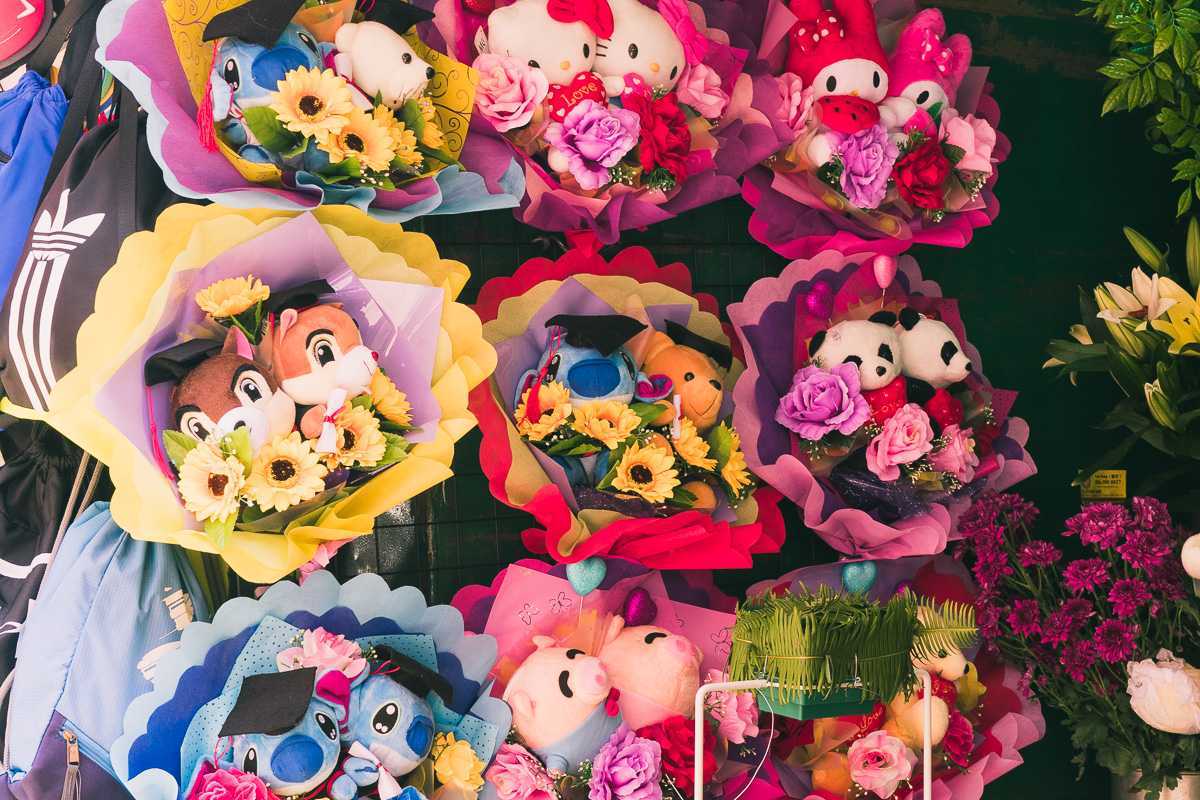
    I didn’t find it all that spectacular, but anyone who wants to buy Chinese knickknacks, plastic teddy bear bouquets, and “authentic” counterfeit Louis Vuitton bags, should check out Petaling Street, a covered shopping mall right in the middle of Chinatown and at the heart of the neighborhood.

    Jalan Alor Food Street

    The best place for nighttime street food adventures is Jalan Alor. You’ll find everything here—but especially plenty of Chinese cuisine. There’s one restaurant after another, endless food stalls, and live music here and there.

    street food in japan alor kuala lumpur

    Once you’ve had your fill of sampling the food, head over to Changkat Bukit Bintang —a nearby street with plenty of bars, music, and nightlife.

    Batu Caves

    The absolute highlight of the temples! A Hindu temple carved right into the middle of a huge rock crevice! The imposing statue at the entrance points the way: Steep stairs lead up into the heart of the Batu Caves. Along the stairs, among the trees, there are tons of monkeys: Don’t feed them, hold on tight to small items (cameras, etc.—monkeys are really good at stealing), and just enjoy watching them!

    kuala lumpur

    By the way, construction is currently underway at the temple, and the workers welcome any help, since the temple is funded by donations and there’s no admission fee—just grab a bucket of sand at the entrance upstairs, drop it off at the construction site, and take an empty bucket with you on your way out.

    Book your tour to the Batu Caves from Kuala Lumpur here

    kuala lumpur

    Heli Lounge Bar: The best rooftop bar

    Rooftop bars are always a good idea. But the Heli Lounge Bar is really unique, not only for aviators. A REAL helipad (!) in the middle of Kuala Lumpur on top of a nondescript skyscraper with a spectacular, unobstructed view of the sparkling Petronas Twin Towers. Railing? There is no such thing. Free as a bird over Kuala Lumpur – plus drinks at their best. During the day, the helipad is actually used, but at night, the landing pad becomes the most unusual rooftop bar in Kuala Lumpur.

    heli lounge kuala lumpur

    A bit more expensive, a bit difficult to find as there is hardly any signage at the entrance below – but definitely worth it. Downstairs is the lounge bar proper, but stairs and narrow metal staircases take you up to the helipad with the best view ever. It really doesn’t get any cooler than this.

    Address: Menara KH Tower, 34th floor, Jalan Sultan Ismail; open Monday through Saturday starting at 6:00 p.m.

    petronas tower from heli lounge bar
    heli lounge in kuala lumpur

    Practical tips for travel and transportation in Kuala Lumpur

    • Kuala Lumpur has two airports: Kuala Lumpur International Airport (KUL), called KLIA, and Sultan Abdul Aziz Shah Airport (also Subang Airport). The latter is the older of the two and is closer to the city, but is now served by only three smaller Malaysian airlines (Berjaya Air, Malindo Air, Firefly). There is no direct flight from Germany to Kuala Lumpur (KUL) – I flew from Berlin with Qatar Airways via Doha, which was the shortest connection.
    • The public transport system in Kuala Lumpur is very well equipped with subways and buses – but I really didn’t use it much, because in Kuala Lumpur I finally became a total Uber and Grab fan. The two services are unbeatably cheap and super convenient.
This site is registered on wpml.org as a development site. Switch to a production site key to remove this banner.