I feel a special bond with Hamburg (I’ll share more about that at the end of this article!), and I genuinely can’t recommend a trip there enough. To help you make the most of your visit to this charming Hanseatic city, I’ll guide you through the top sights in Hamburg and share some insider tips to enhance your experience.
1. Speicherstadt
The Speicherstadt is the world’s largest warehouse complex and a UNESCO World Heritage Site. These massive brick buildings were once used to store the many goods that arrived at the Port of Hamburg from all over the world; some of the buildings are still used for this purpose today.

I recommend taking a stroll through the Speicherstadt with its charming bridges and peaceful canals. With a little luck, you might even have the chance to peek inside one of the buildings—warehouse sales are quite common here. I remember once discovering a lovely carpet shop, and stepping inside an old warehouse like that felt genuinely atmospheric and memorable.


Tip: You might enjoy exploring the Speicherstadt either on foot or by water. Some harbor tours even take you along the charming narrow canals—like this one*.

2. Elbphilharmonie
The Elbphilharmonie, commonly called “Elphi,” is arguably Hamburg’s most striking modern landmark. While its construction costs were initially controversial, its distinctive glass façade has greatly influenced Hamburg’s skyline and made it a popular attraction. From the outside, the blend of the brick silo and glass wave is impressive, but the experience inside is truly extraordinary.
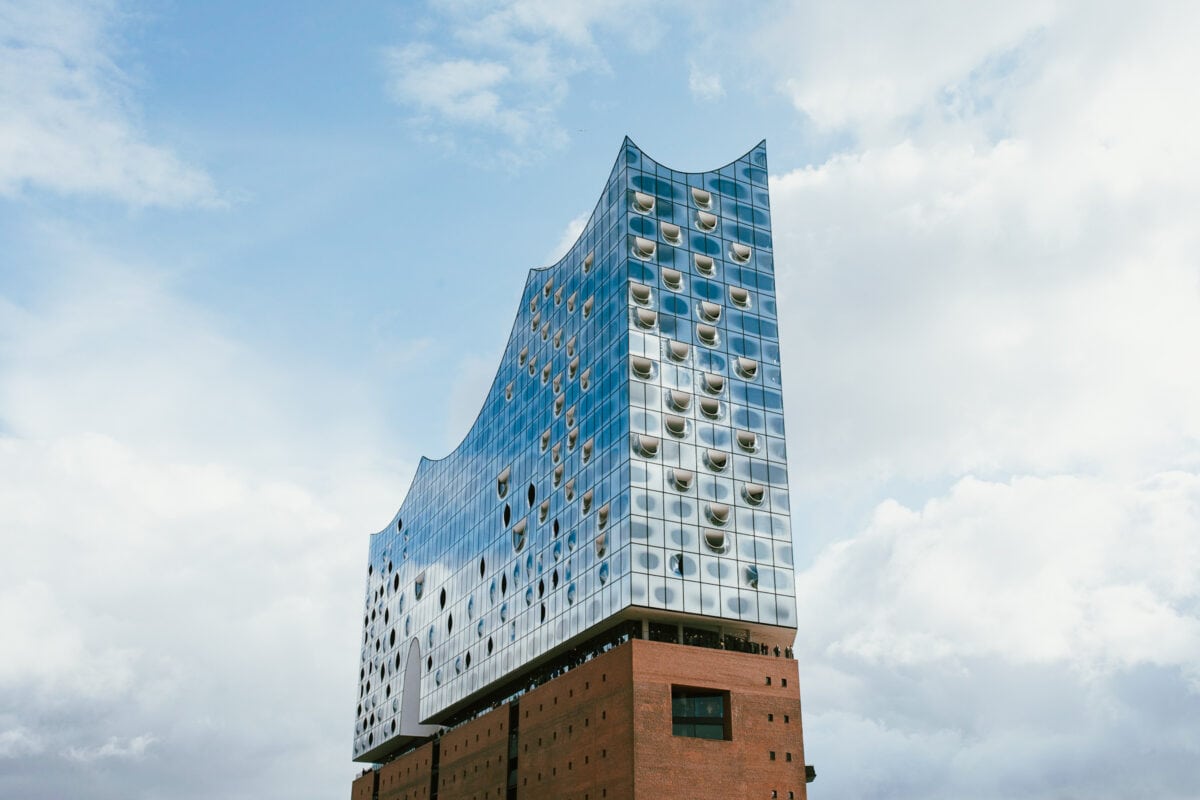
The highlight is the observation deck that wraps around the Elbphilharmonie—the Elbphilharmonie Plaza—which offers stunning views of the Port of Hamburg, the Elbe River, and the Speicherstadt. To get up there, you go through a futuristic tunnel featuring the longest escalator in Western Europe. Best of all, access to the observation deck is free. You can either take a complimentary ticket available at the info point or reserve a specific time slot online for €3 for more convenience.

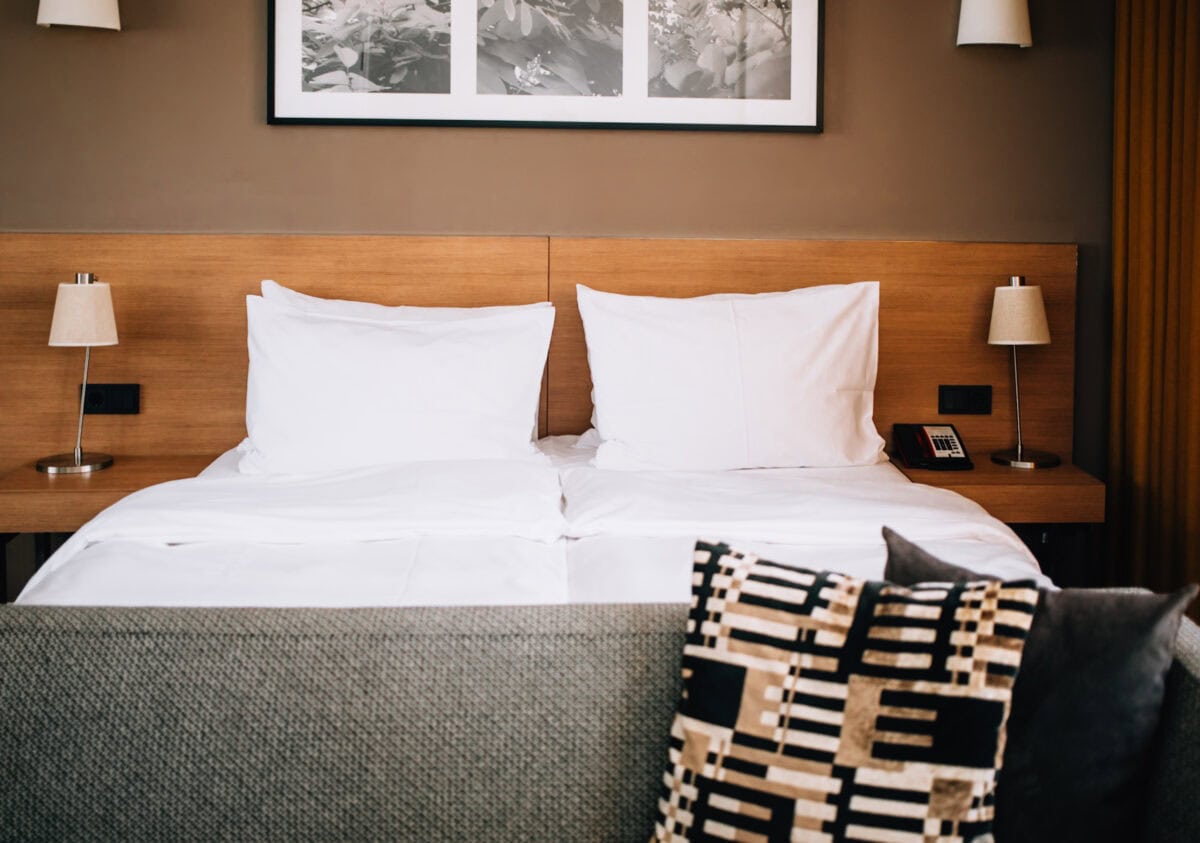
The concert hall is situated within the building, with the luxurious Westin Hamburg above it. The hotel’s rooms offer stunning views of the Elbe and are highly appealing. If you ever wish to indulge, spending a night there is highly recommended.
➜ My Stay at The Westin Hamburg

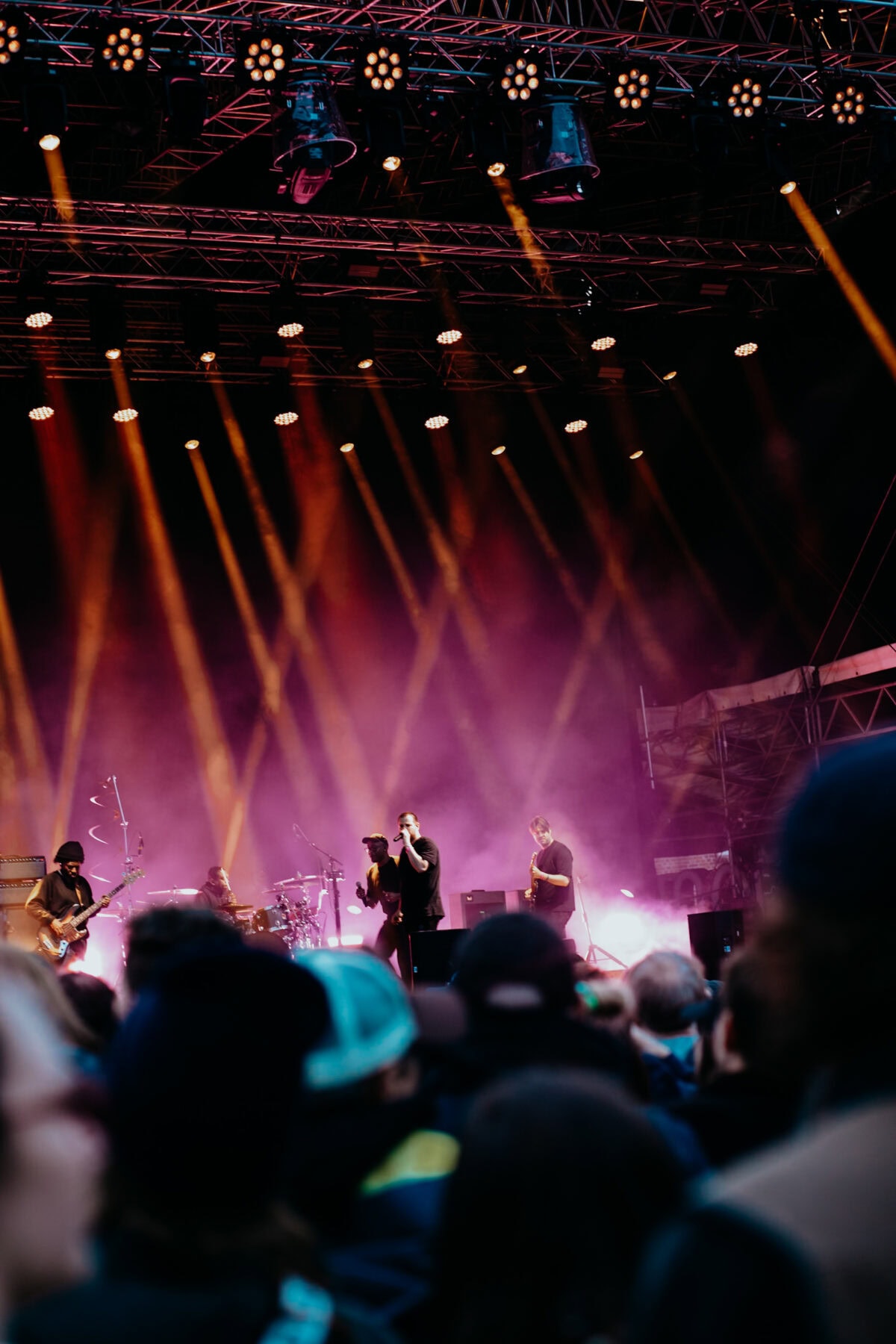
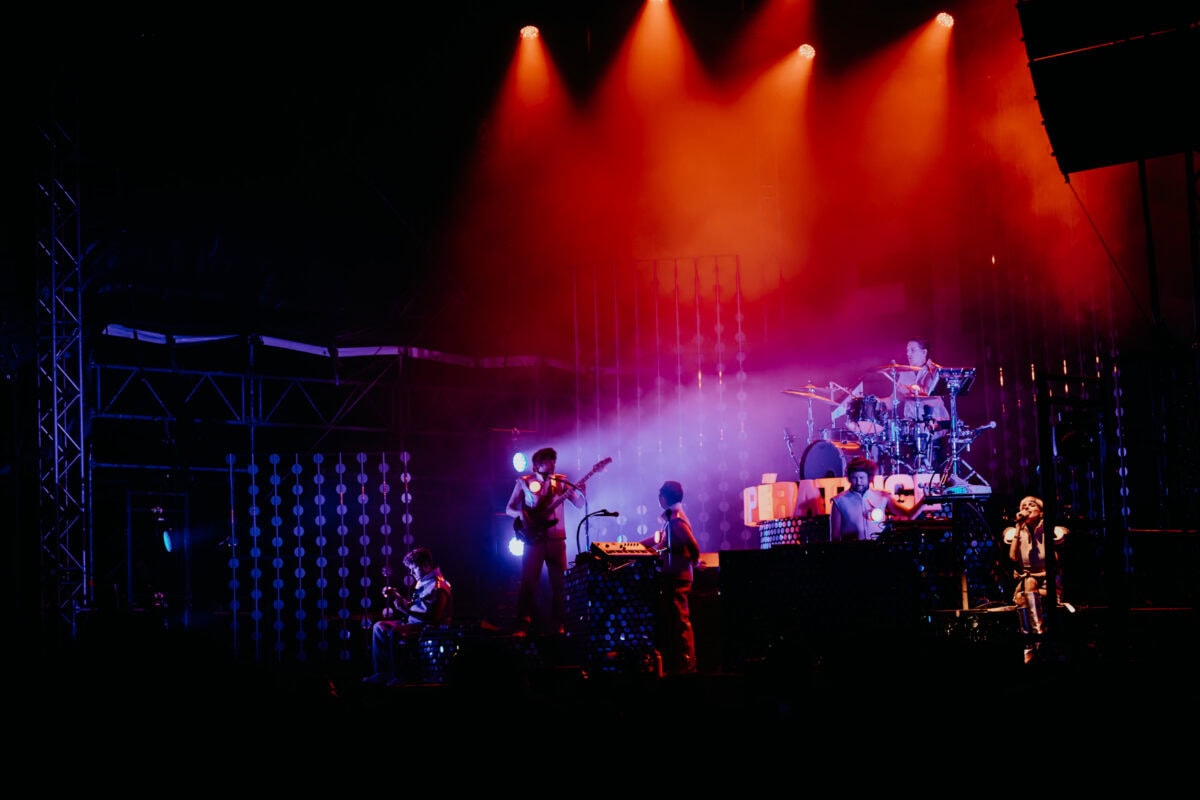
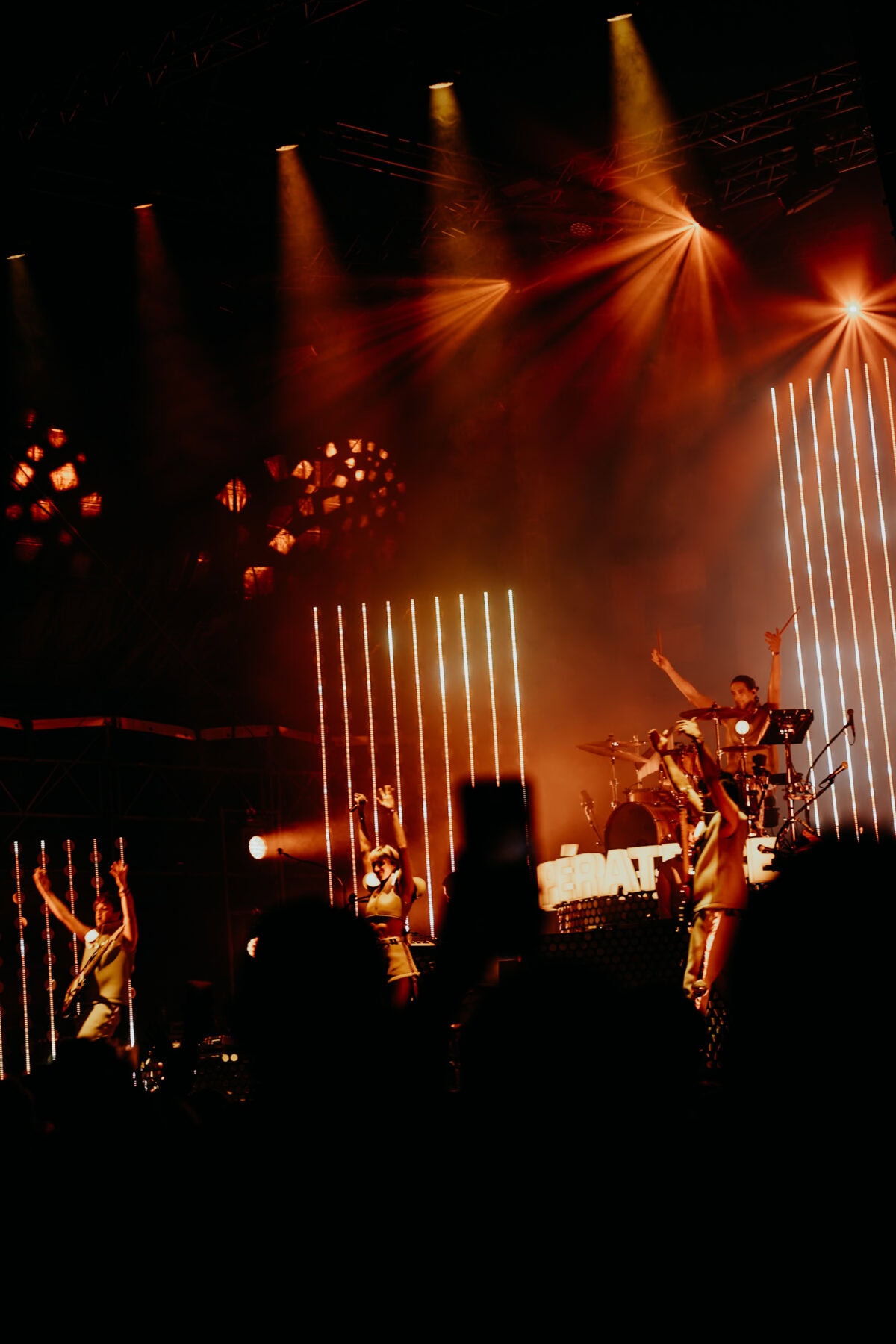
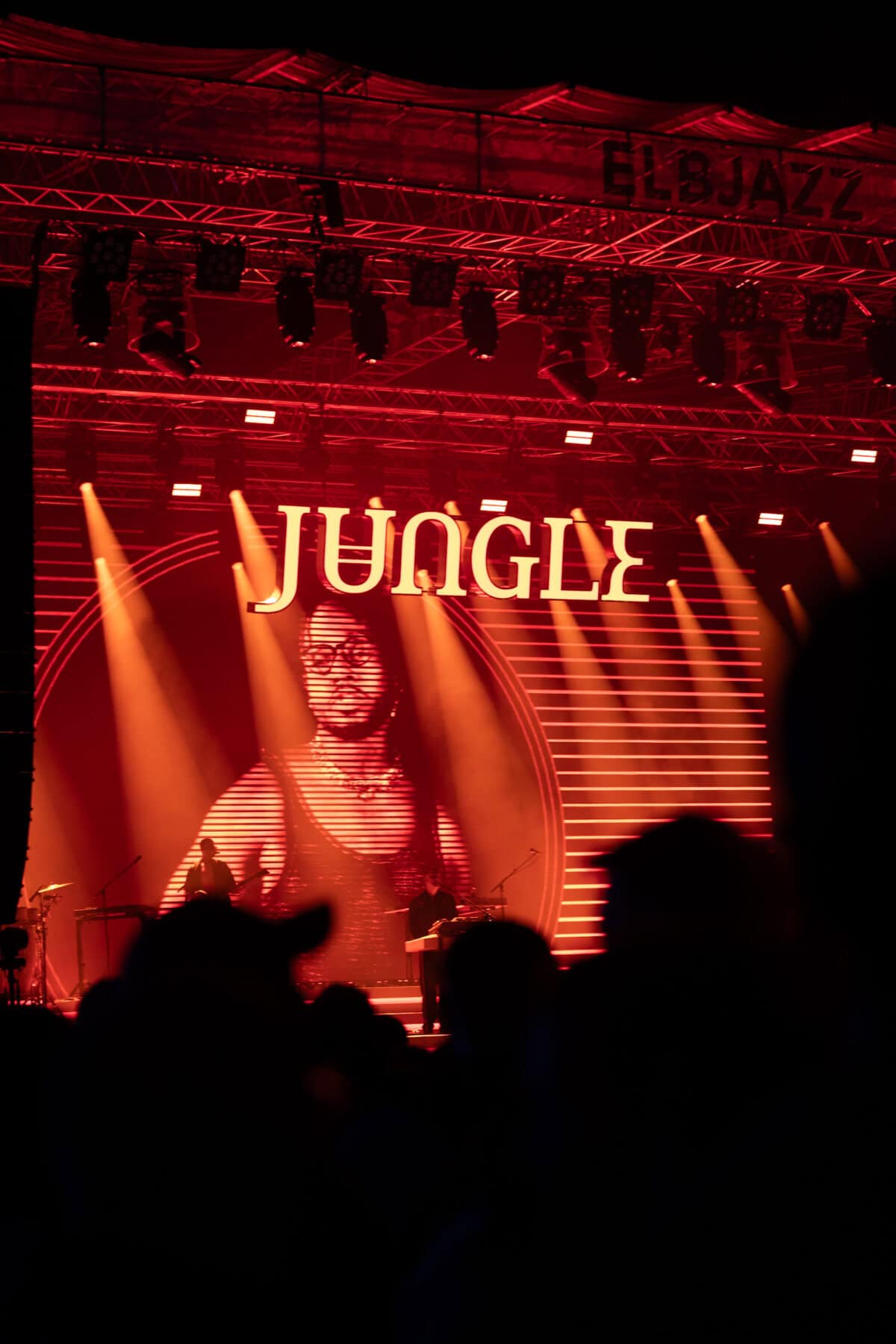
During the Elbjazz Festival, I attended a concert at the Elbphilharmonie and experienced its outstanding acoustics. Sitting high up, it felt as though I was right in the middle of the stage. Also, the venue hosts not only classical concerts but a diverse range of musical genres.
➜ Here you’ll find the Elbphilharmonie’s calendar of events

If you’re not in the mood for a concert or would rather spend your evenings doing something else (there are so many options in Hamburg anyway), you can also take a guided tour of the concert hall. During the tour, you’ll learn more about this fascinating building—architecturally, the Elbphilharmonie is truly unique. Or did you know that the entire hall is mounted on 362 steel springs, which help distribute the sound so well throughout the hall?
3. HafenCity
Just beside the Speicherstadt, you’ll find HafenCity, Europe’s biggest inner-city development project. It’s a completely new neighborhood that has risen on former port land, creating a contrast to the charming historic Old Town.

Since 2025, HafenCity’s prominent feature is the Überseequartier, a development of 14 buildings with retail spaces, dining options, hotels, a cinema, and direct cruise terminal access. The office building “The Yard”, featuring a façade inspired by Venice’s Doge’s Palace, is particularly striking.

Tip: If you get hungry in HafenCity and like fish or seafood, be sure to try Pesca. The restaurant’s concept is a crossover between a theater and a fish market—a wonderful experience, especially in the evening.


4. Landungsbrücken
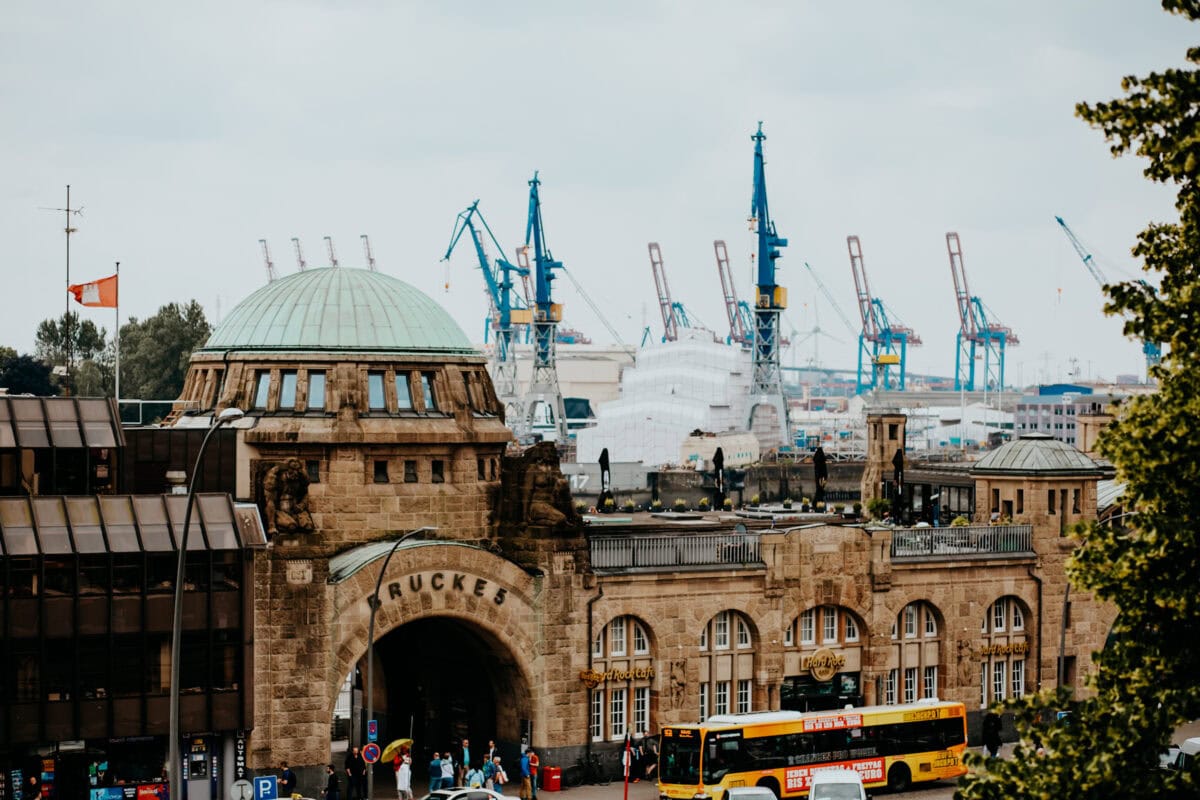
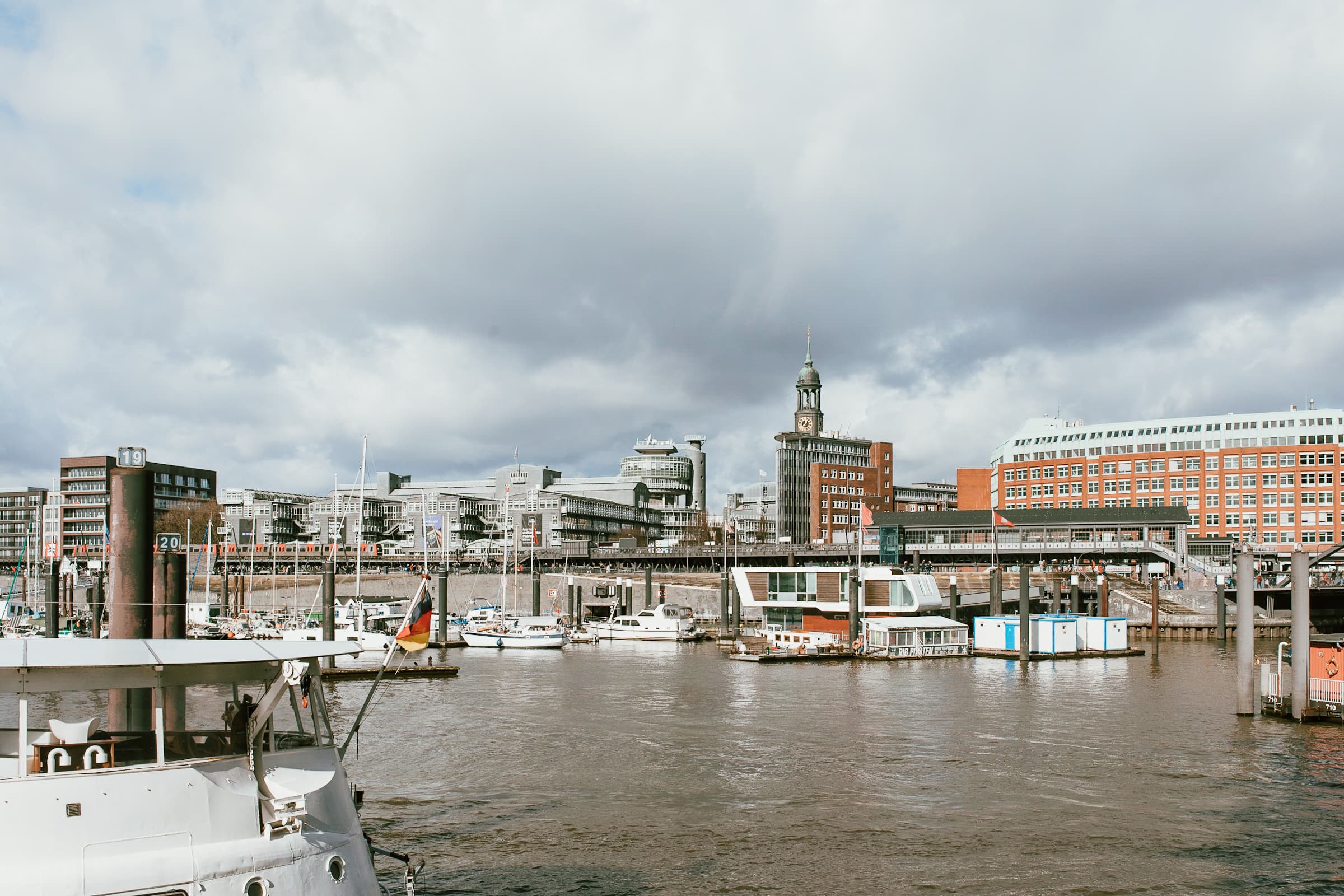
When visiting Hamburg, you’ll surely notice the Landungsbrücken. For more than a hundred years, this impressive building with its distinctive towers and green domes has been a beloved part of the cityscape. Originally designed as a dock for transatlantic liners, today it welcomes visitors as the starting point for many exciting sightseeing tours in Hamburg.
This is also where most of the harbor tours kick off, and I highly recommend experiencing one at least once. The Port of Hamburg is genuinely breathtaking. However, with so many tour operators and options out there, it’s easy to feel a bit overwhelmed. But don’t worry—there’s a perfect tour for everyone just waiting to be discovered!

In this article, you’ll find the best providers, along with alternatives if you are on a budget: The Best Harbor Tours in Hamburg
For a more affordable choice, hop on an HVV ferry (like Line 62) and pay with a standard public transit ticket. If you have a Hamburg Card, you can ride public transit for free.
Near the Landungsbrücken, you’ll also see two of Hamburg’s most renowned museum ships: the Rickmer Rickmers and the Cap San Diego.
5. Old Elbe Tunnel
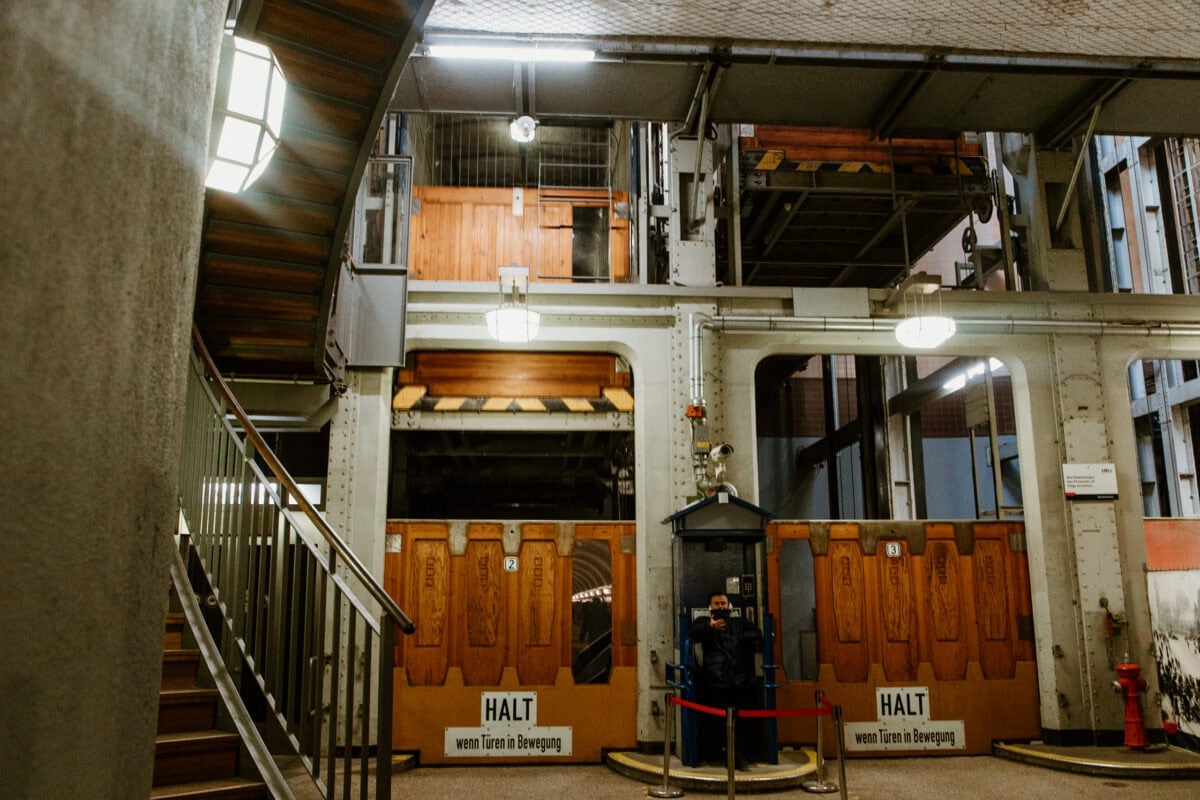
Even after more than 100 years, the Old Elbe Tunnel remains an architectural masterpiece. It was originally built to handle the ever-increasing traffic between the city center on one side of the Elbe and the port facilities and shipyards on the other. In the 1970s, however, the Old Elbe Tunnel was effectively replaced by the newer Elbe Tunnel on the A7. Two tunnel tubes, each 426.5 meters long, run 24 meters beneath the Elbe, linking the two banks. They feature tiled walls, majolica reliefs of starfish and crabs, and subdued lighting.
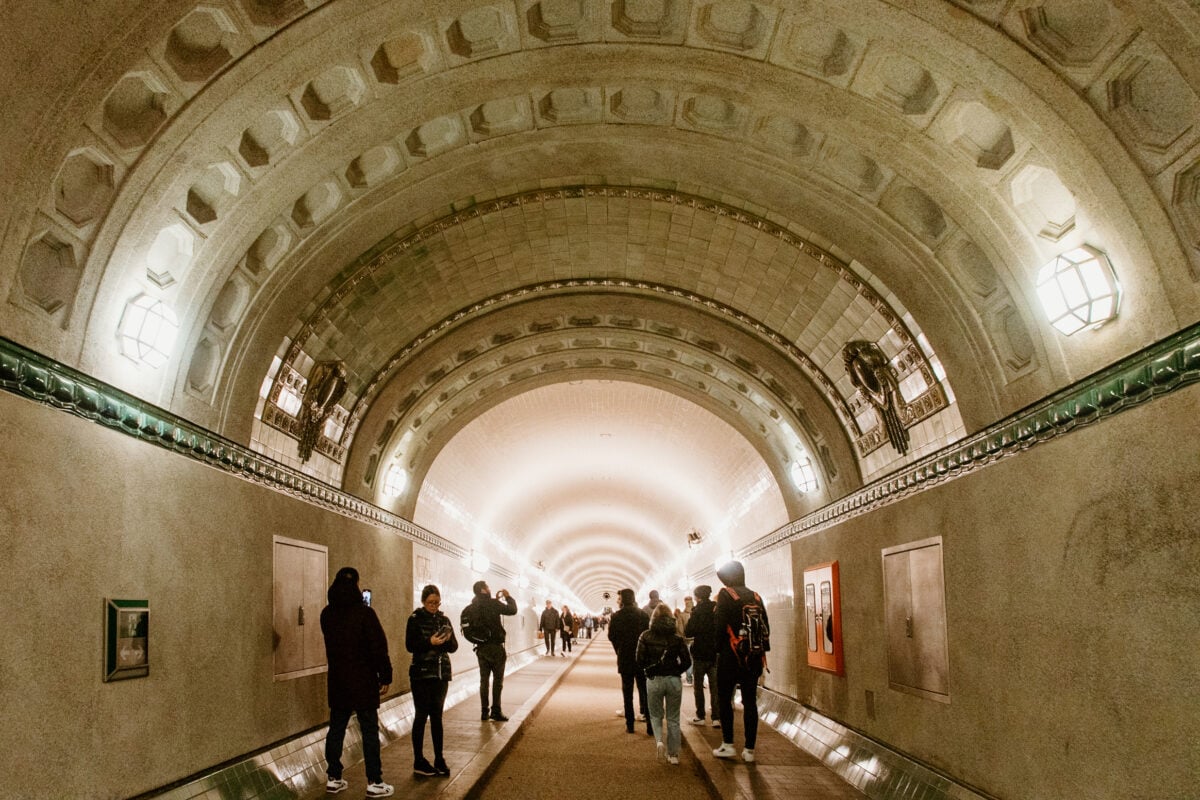
What makes it unique: The Old Elbe Tunnel lacks access roads or ramps at its entrances, instead relying on impressive historic freight elevators that carry pedestrians, cyclists, and even cars.
Tip: The Steinwerder lookout point across the Old Elbe Tunnel offers a fantastic view of the Elbe River and Hamburg’s skyline. Additionally, you can reach Wilhelmsburg, the stylish new district, easily by public transportation from there.
6. Fish Market & Fish Auction Hall
“Moin,” I’m greeting the bus driver as I head to the fish market early in the morning, though despite repeated practice, it always feels a bit awkward. I never quite capture a genuine North German accent. The fish market, held every Sunday in St. Pauli, remains a quintessential Hamburg tradition.

The lively market vendors here are famous, and you must maintain self-control to resist giving in to their convincing sales pitches and purchasing an overflowing fruit basket or a whole month’s supply of smoked eel. Eels, bananas, and flower bouquets zip across the counters—you’ve got to experience this firsthand at least once.
Since 1703, the Altona Fish Market has operated every Sunday along the Elbe. Unfortunately, it really does close at 9:30 a.m. So, if you’re not an early riser, your only option is to stay awake all night. After all, enjoying a morning snack at the fish market after a long night on the nearby Reeperbahn is almost a tradition, especially in summer. The market draws a charmingly diverse crowd, including early risers, night owls, and tourists.

The fish market extends around the impressive fish auction hall. Every Sunday from 6 a.m. to 12 p.m., live bands perform here—the perfect way to spend the morning with a fish sandwich and an early beer (or a late one, depending on how you look at it).
Tip: From April through October, the fish market opens as early as 5 a.m.; in winter (November through March), it has shorter hours and opens at 7:30 a.m. It always closes at 9:30 a.m. And be sure to bring cash.
Weekday Option: Isemarkt
If your trip to Hamburg doesn’t include a Sunday, or if you don’t want to stay up late or wake up before 6 a.m., take a detour to the Isemarkt in the Eppendorf/Harvestehude neighborhood instead (U3 between Hoheluftbrücke and Eppendorfer Baum). The Isemarkt is open on Tuesdays and Fridays from 8:30 a.m. to 2 p.m. and runs about one kilometer beneath the elevated railway viaduct. You’ll hardly find any tourists here, but you’ll experience the authentic Hamburg way of life.
7. Reeperbahn
The Reeperbahn in St. Pauli is Hamburg’s legendary party district, drawing millions of visitors from around the world each year. Originally, the area around the Reeperbahn was known more as a shady red-light district, with many legends surrounding pimps, drug lords, and criminals. Today, streets like Große Freiheit have become a single, nonstop party zone for young people, tourists, bachelor parties, and those looking for a good time. Here you’ll find a truly diverse mix of bars, clubs, theaters, and even upscale restaurants.

Are you looking for restaurant recommendations in Hamburg?
Then check out my comprehensive Hamburg Food Guide!
However, some establishments remain part of the red-light district, such as the infamous Herbertstraße. Shielded by a concrete wall, Herbertstraße is a tiny little street in the heart of St. Pauli that women aren’t allowed to enter—unless you work at one of the establishments there.


During the day, you really get a sense of St. Pauli’s unique character: a little rough around the edges, a little creative, and very lively. It’s worth turning down the side streets to lose yourself in the special atmosphere of this ambivalent neighborhood.

Are you interested in the stories—big and small—about the Reeperbahn? There are some great themed tours that offer a glimpse into life in this unique part of Hamburg.
The Best Tours in St. Pauli
Sex & Crime in St. Pauli*(18+)
Neighborhood tour with insiders from the famous Olivia Jones Family* – On this tour, you can choose your tour guide in advance based on which aspect of neighborhood life interests you most. Highly recommended!
Night Watchman Tour Through the Neighborhood* – Led by a night watchman with that traditional maritime-Hanseatic charm, this tour offers a more relaxed exploration of the neighborhood.
The Kiez-Kapitän Reeperbahn & Beatles Neighborhood Tour* – A tour of the Kiez, open to all ages, features the Beatles’ most important venues: Did you know the legendary Beatles began their careers in Hamburg’s Kiez?
8. Feldstraße Bunker / St. Pauli Bunker
If I had to recommend a spot in Hamburg that has undergone the most change in recent years, I’d probably point to the bunker on Feldstraße in St. Pauli. The massive World War II concrete block has been expanded to include a green rooftop garden. Today, on the bunker’s roof, you’ll find two restaurants, a bar, a hotel, and a memorial space dedicated to the building’s history.


To reach the top, you have to walk along the 560 meter long trail, circling the bunker once until you arrive at the roof, which is 58 meters high. From there, you’ll enjoy what might be the most breathtaking view of Hamburg.
Tip: Admission is free. Expect possible wait times during good weather and at sunset.
You can find more information in this article: Grüner Bunker Hamburg

9. Schanzenviertel & Karolinenviertel
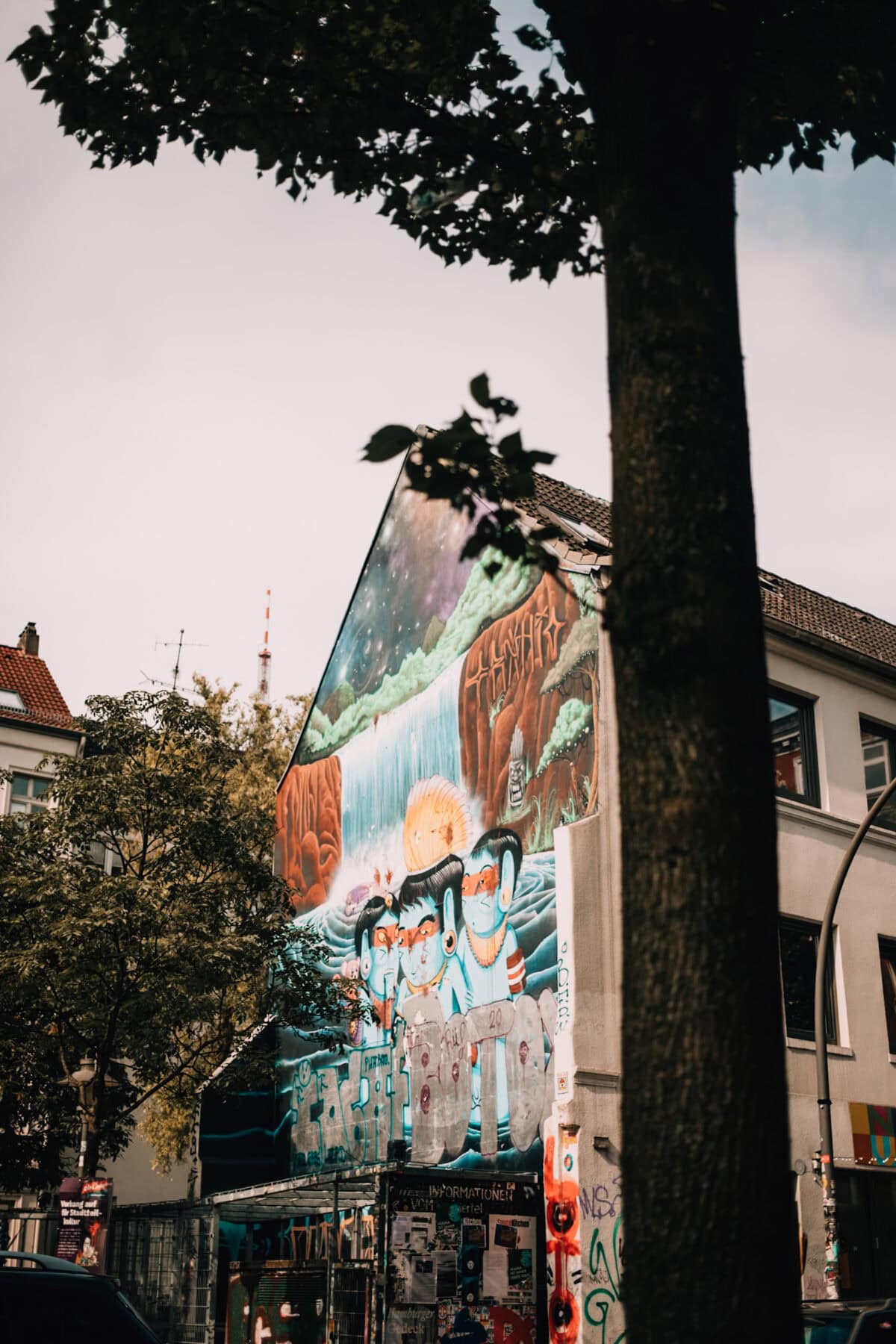
If you’re looking to escape the typical brick buildings, the harbor, and the Hanseatic atmosphere, consider exploring the Schanzenviertel. This neighborhood offers a vibrant, slightly rebellious, and always lively part of Hamburg. You’ll find colorful street art, charming designer shops, and innovative concept stores. At the heart of it all is the Rote Flora, a former theater building that still stands as a proud symbol of Hamburg’s squatting movement and left-wing cultural scene.

The food scene in Schanze is especially lively, offering everything from casual breakfasts, brunch venues, bagel shops, and sourdough bakeries to small bistros, international cuisines, and top-notch bars—perfect for a relaxing day or a long evening.

Adjacent to the exhibition halls is the Karolinenviertel, or Karoviertel—a quieter, smaller neighborhood next to the Schanze, featuring back-alley shops, vintage stores, and numerous small restaurants. These two districts blend so smoothly that it’s often hard to tell where one ends and the other starts.
10. Planten un Blomen
Planten un Blomen is the largest green oasis in the heart of Hamburg: Here you’ll find a 47-hectare park that’s free to visit. If you need a break from sightseeing, this is the place to go. The park includes several distinct areas, including a large Japanese garden — one of the largest of its kind in Europe.

The water and light shows are a highlight at Parksee—a free spectacle featuring dancing water fountains, light effects, and music. They take place daily from May through September (at 10 p.m. in May and June, and at 9 p.m. starting in July).
11. Inner & Outer Alster
Right in the heart of downtown Hamburg you’ll find the Alster, a beautiful recreational area. The smaller Binnenalster is bordered by the Lombards Bridge and the Kennedy Bridge—here, you’re right in the middle of the city and yet right on the water. The larger Außenalster stretches northward and is filled with sailors, SUP paddlers, joggers, and people enjoying the sun in summer.

Tip: Set aside some time for a walk or bike ride around the Außenalster (about 7.5 km). The route takes you through Pöseldorf, past old villas and boat docks. You can stop at the Alsterperle, a small kiosk-café right on the water.
12. St. Michael’s Church / Hamburg’s Michel
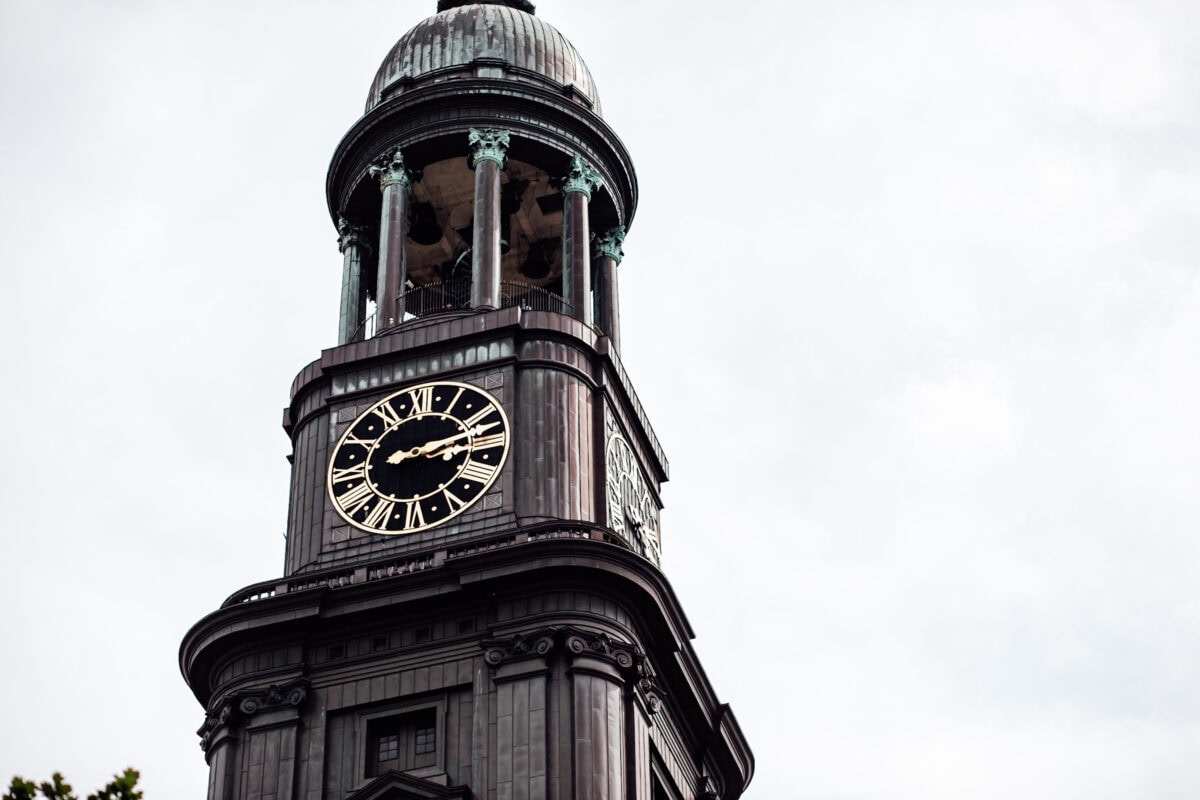
St. Michael’s Church, with its 132-meter-high tower, is another unmissable Hamburg landmark. The tower is best known by its nickname, “Michel.”

The church has shaped the cityscape for centuries and was often the first sign for sailors entering the harbor that they had reached Hamburg. However, the Michel was destroyed by fire twice and rebuilt twice—which also makes it a symbol of the city’s resilience.

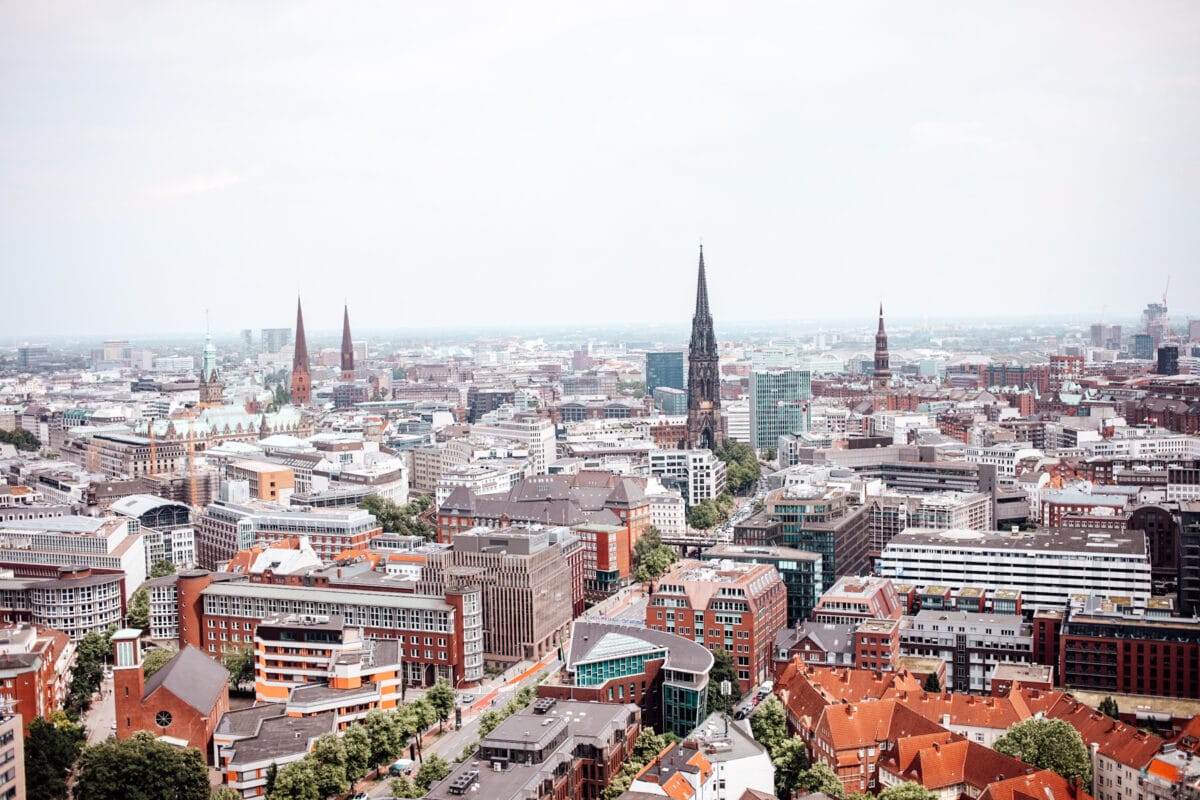
From St. Michael’s Church, you will enjoy a truly stunning view of the city center and the harbor. It’s a wonderful spot that clearly shows how close downtown, the harbor, and the Elbe River are to each other. Inside, the church feels bright and inviting—almost Mediterranean in style, which is a lovely surprise for a major church in northern Germany. You can relax and take the elevator most of the way up, but if you’re feeling adventurous, you can also walk all the way—there are 453 steps in total. Just a friendly tip: depending on the weather, a gentle breeze up top might catch you, so A good scarf or wrap will keep you comfortable.

Tip: There’s an admission fee to go up the Michel, but with the Hamburg Card, you can save a few euros here, just as you can at many other attractions in Hamburg.
13. Komponistenquartier & Großneumarkt
Located in the center of Neustadt, just a short walk from St. Michael’s Church, Großneumarkt is a charming, seldom crowded square. Surrounded by cozy cafés—ideal for a quick break—and a few good restaurants, it offers a peaceful escape from the usual downtown hustle and bustle.

Right next door is the Composers’ Quarter, which features the homes and birthplaces of Mendelssohn, Brahms, Telemann, Mahler, Bach (Carl Philipp Emanuel), and Hasse. These sites are now charming, small museums that collectively comprise the Composers’ Quarter. You don’t need to be a classical music enthusiast to enjoy it—just the unique ambiance of the alleyways makes it memorable.
14. Hamburg City Hall
Hamburg City Hall, with its beautiful Neo-Renaissance façade, creates a lovely contrast to the harbor and the brick façades of the Speicherstadt. Right in front of it, you’ll find the Rathausmarkt, a favorite spot for many summer events. During the winter season, it becomes even more special when hosting the Hamburg Christmas Market, which, by the way, is considered one of the most beautiful in Germany.

The courtyard is open to the public and surprisingly peaceful. You can also join a guided tour to see the inside of City Hall. Tickets are sold on-site, with a discount for Hamburg Card holders. The specific tour times can be found here.
15. Stadthöfe & Stadthaus
Just 3 minutes from City Hall is a spot that I personally find truly impressive because it’s right in the heart of the city and yet so little known: the Stadthöfe. They’re Hamburg’s elegant take on a backyard—and with a mix of architecture, arcades, cafés, and small shops, they’re perfect for a quick break from sightseeing.

There are also some great dining options here—including the bars and restaurants at the Boutique Hotel Tortue Hamburg, which, by the way, is also a great place to stay in Hamburg if you want to treat yourself.
Directly adjacent to the Stadthöfe is the Stadthaus —a place with a dark history. During the Nazi era, it served as the Gestapo headquarters, where people were interrogated, tortured, and sent to their deaths. For a long time, this fact remained surprisingly overlooked by the public until the building was renovated and redeveloped. Today, a small memorial on the ground floor, which is open to the public free of charge, honors the victims of the Third Reich.
My Personal Bond With Hamburg
In case you’ve been wondering where my special connection to Hamburg comes from: As part of the “Friend of Hamburg” campaign with Hamburg Marketing, I had the opportunity to showcase Hamburg’s culinary highlights on my Instagram account @thehappyjetlagger for an entire year, which allowed me to get to know the city from a whole new perspective.
Here you’ll find all blog posts on Hamburg