Tag: Basque Country

Outdoors lovers will find the Basque Country particularly appealing: evergreen mountains, spectacular coastal landscapes and plenty of hiking opportunities make it a popular travel destination. But also urban explorers like me get their money’s worth here with cities such as the historic Bilbao and the sophisticated San Sebastián.

  • Balmaseda: Charming Town in the Basque Country

    Balmaseda: Charming Town in the Basque Country

    It’s truly amazing: You drive just a few kilometers out of bustling Bilbao, and suddenly you find yourself in the middle of a lush, green mountainous landscape. In Balmaseda, a small town in the Encarterri region, you can not only learn more about the long and eventful history of the Basque Country, but also indulge in one of the Basques’ favorite pastimes: eating.

    The Comarca Enkarterri (in Spanish Las Encartaciones) is a region in the far west of the province of Bizkaia (Vizcaya). The comarca comprises several municipalities, including Balmaseda as the historical center, and is known for its traditional architecture, its important role in industrial history and an impressive landscape.
    The Role of Balmaseda in the Basque Country

    Its strategically favorable location made Balmaseda an important trading hub for centuries. Located in the valley of the river Kadagua, Balmaseda connected the coast with the Castilian hinterland. A less frequented but scenic side route of the Camino de Santiago, the Camino Olvidado, also passes through Balmaseda. As a result, not only traders, but also many travelers and pilgrims passed through the town, which shaped Balmaseda economically and culturally for a long time.

    The Old Town

    Founded in 1199, Balmaseda is considered the oldest town in the province of Bizkaia. You will therefore find a large piece of Basque history here with many architectural highlights from different eras. The old town of Balmaseda is small, well laid out and not overcrowded: Perfect for a short exploration tour. The town itself is not particularly touristy, so you can stroll through the medieval alleyways and explore the surrounding area at your leisure. I’ll introduce you to a few of the most striking buildings.
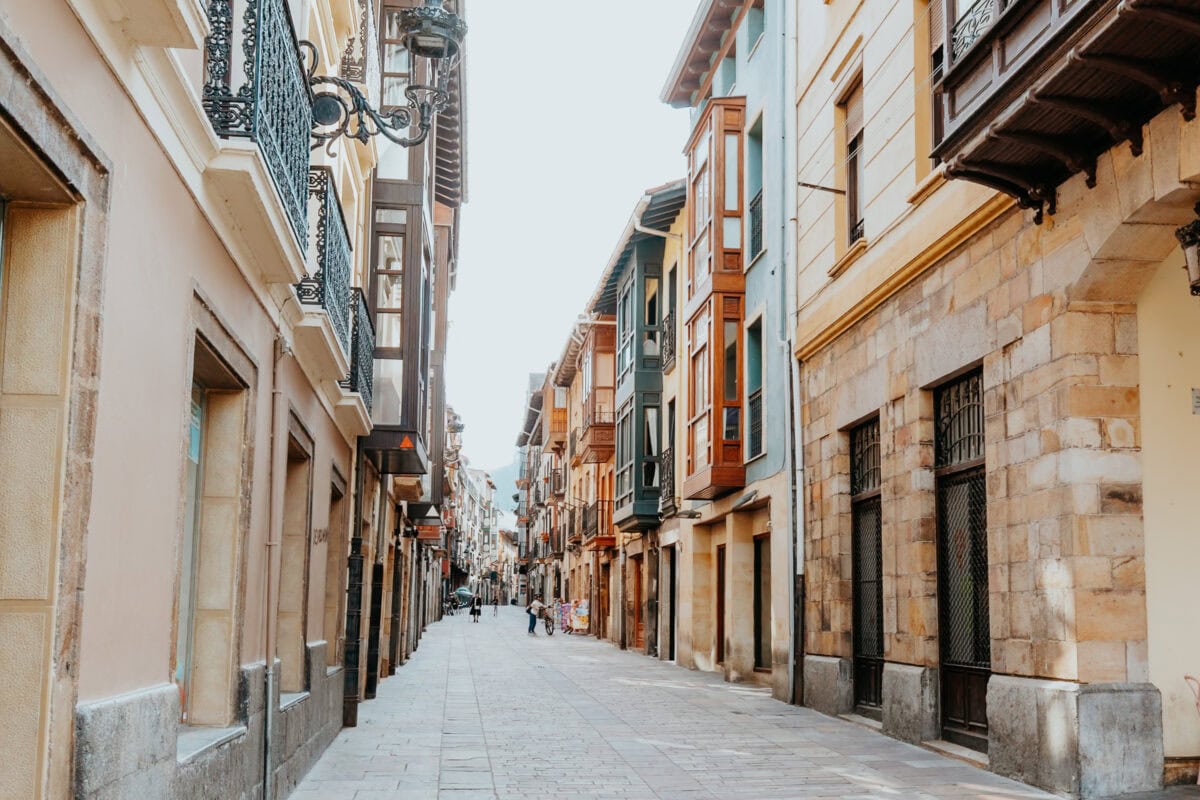
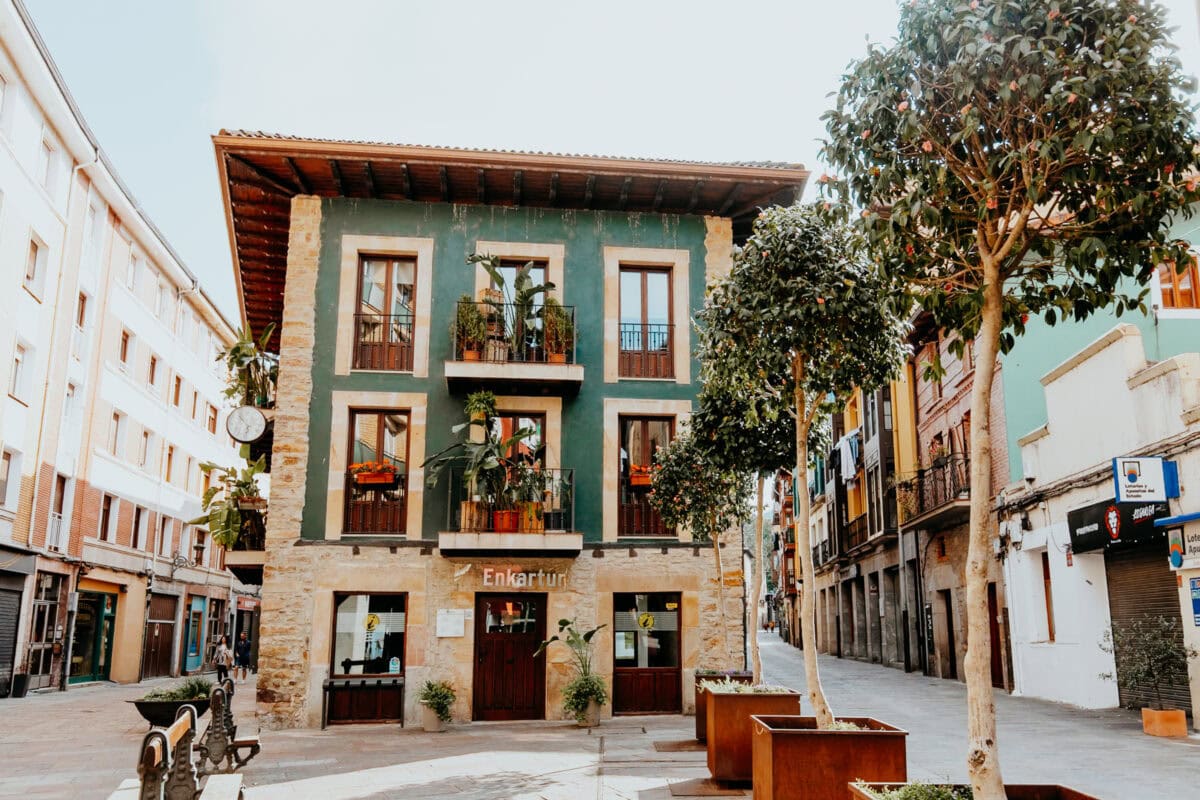
    Narrow alley in the old town of Balmaseda
    A green building in the historic district of Balmaseda.

    Most important sights in Balmaseda

    Puente de la Muza or Puente Viejo

    The Puente de la Muza is particularly striking. It is guaranteed to catch your eye immediately, as the medieval bridge provides the romantic panorama of Balmaseda. It is often simply called the Puente Viejo, or old bridge. As Balmaseda was located on an important trade route in the Middle Ages, bridges such as the Puente Viejo played an important role in the daily movement of goods as a customs post. The small bridge tower still bears witness to this time.
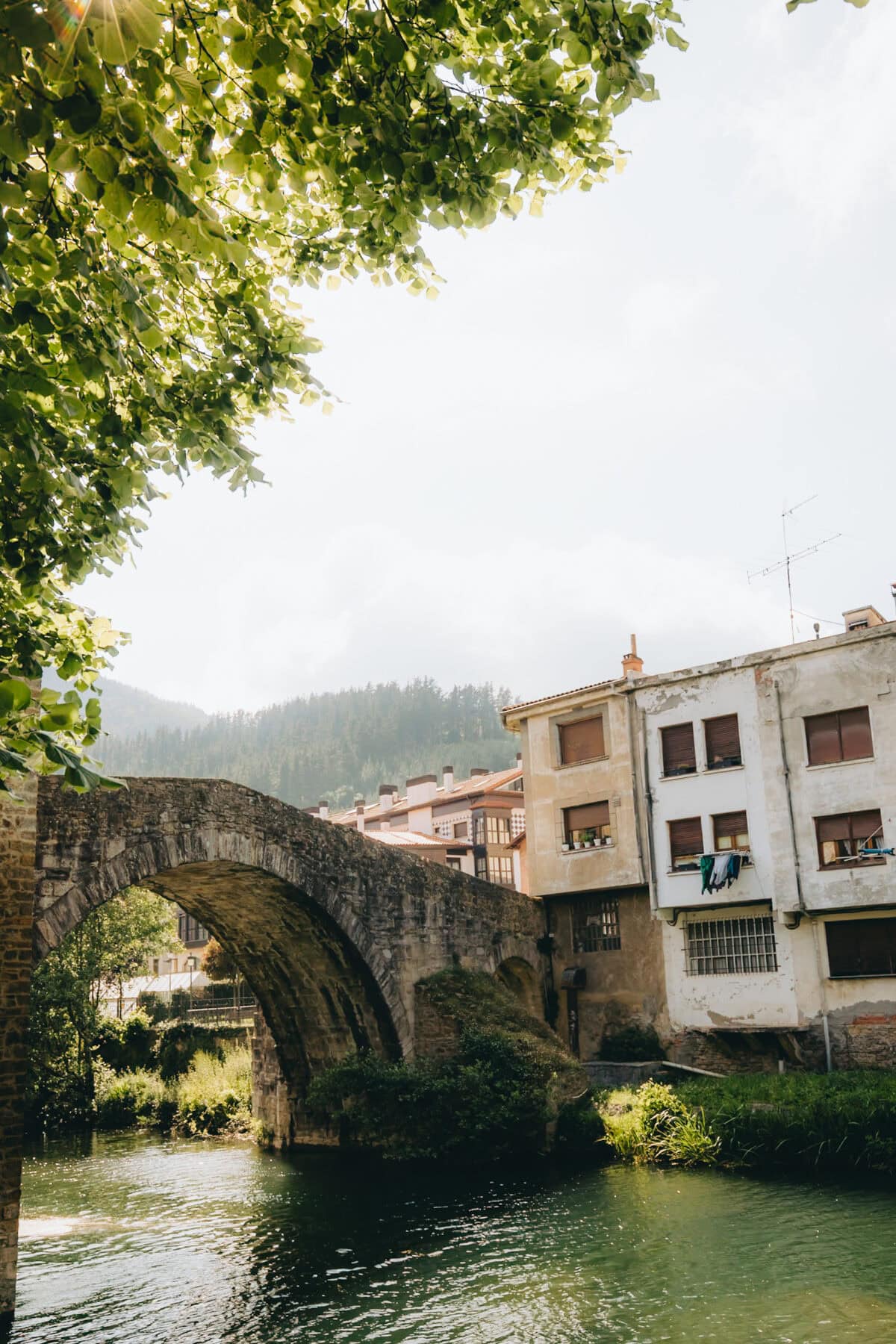
    Puente de la Muza in Balmaseda, a medieval stone bridge.
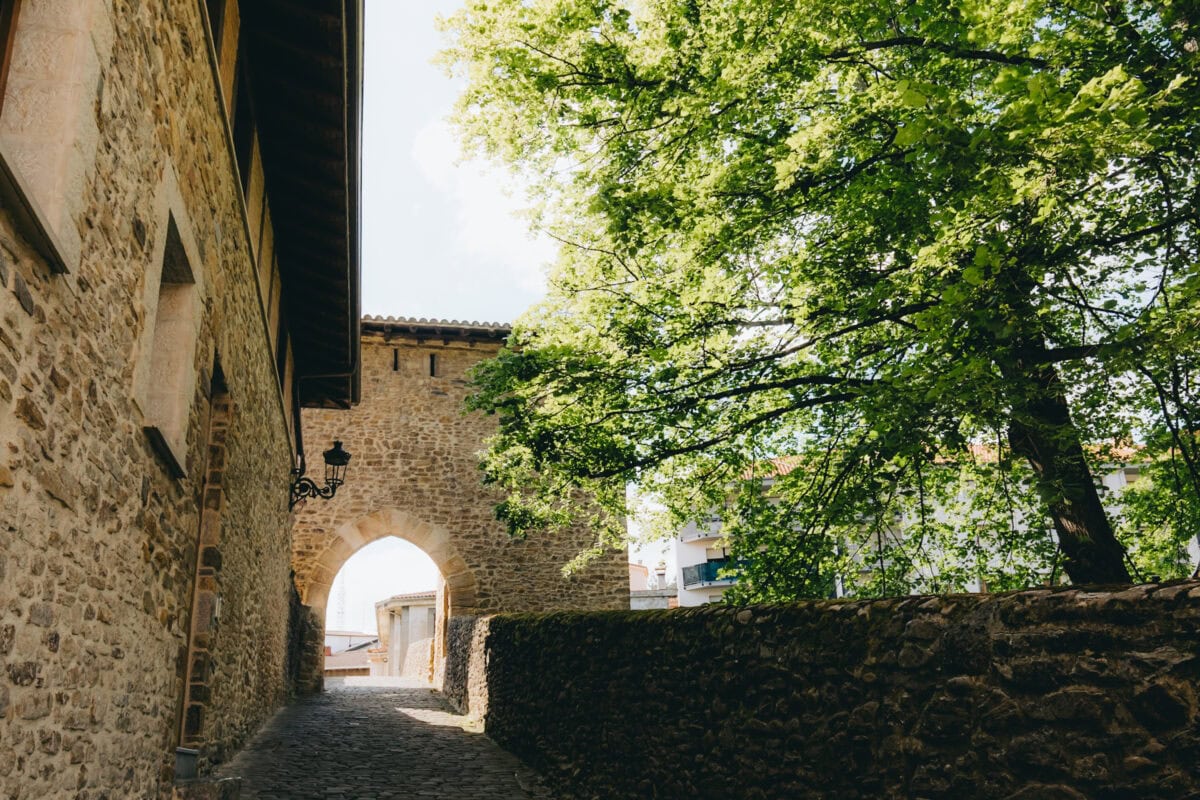
    Stone wall at the Puente de la Muza in Balmaseda.

    Church of San Severino

    The church of the same name is located in the middle of the old town on Plaza San Severino. Built in Gothic style in the 15th century, the church of San Severino is dedicated to the patron saint of the city.

    Tip: Every year on 23 October, a large street festival is held in honor of the patron saint San Severino, which you should not miss if you are in the area. Friends and families meet on the streets on Día de las Putxeras to cook a putxera together.
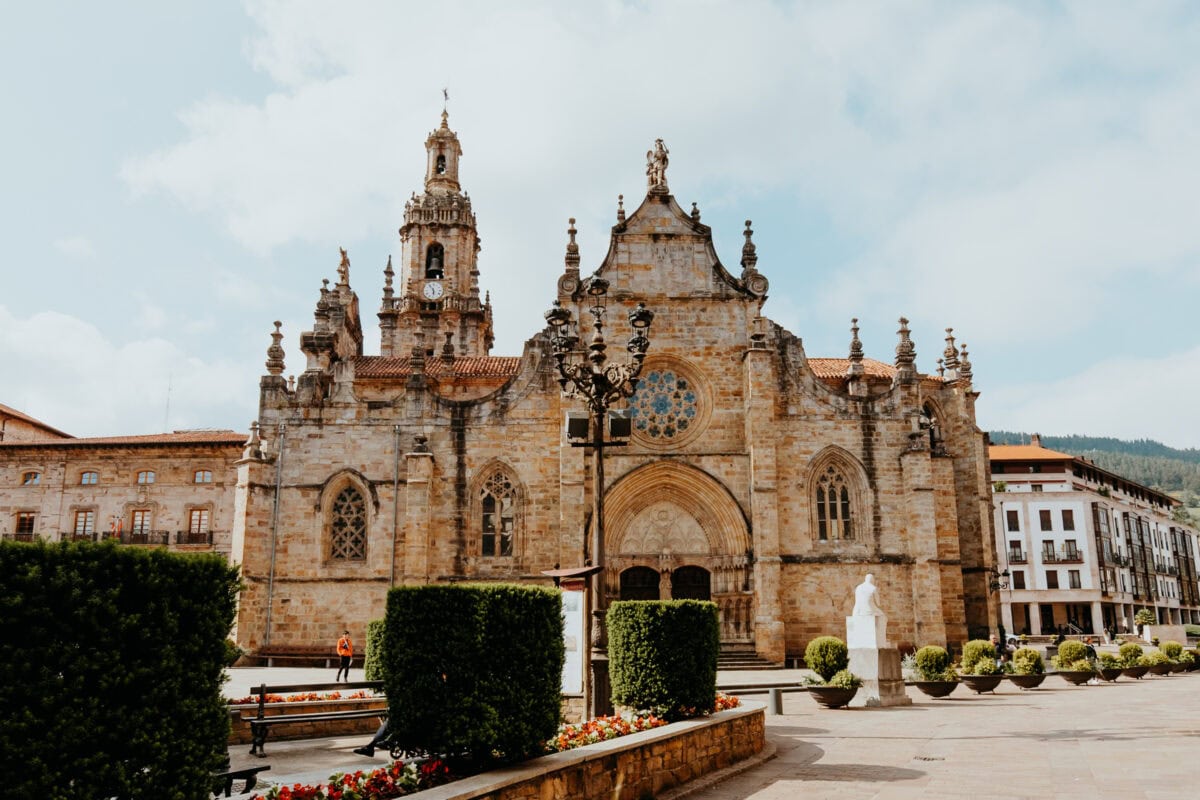
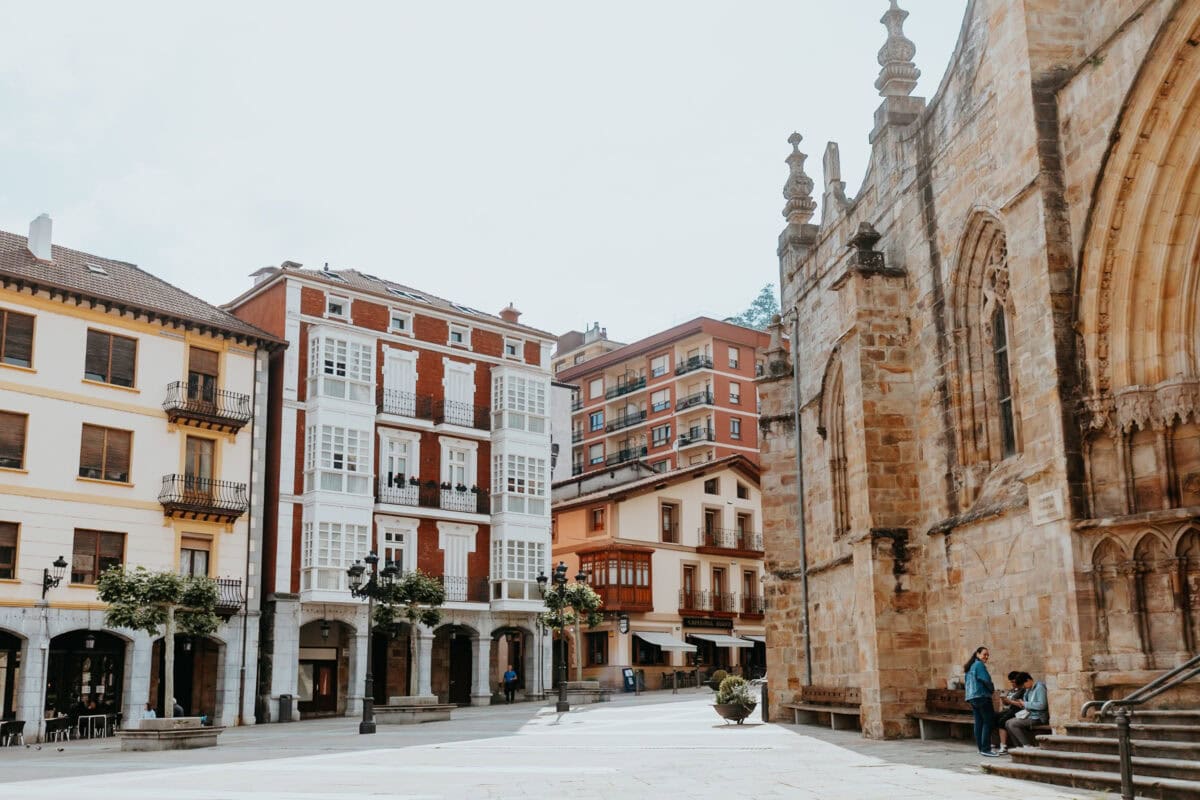
    Church of San Severino in Balmaseda, Spain
    Historic buildings on Plaza San Severino in Balmaseda, Spain

    Putxera is a bean dish that is typically prepared in an aluminum pot – an old railroad tradition. In the past, train drivers, brakemen and other railroad employees used to cook it over charcoal on long journeys – today, putxera is a local specialty. By the way, part of the festivities includes the putxera competition, where a jury selects the best putxera in front of the whole town!
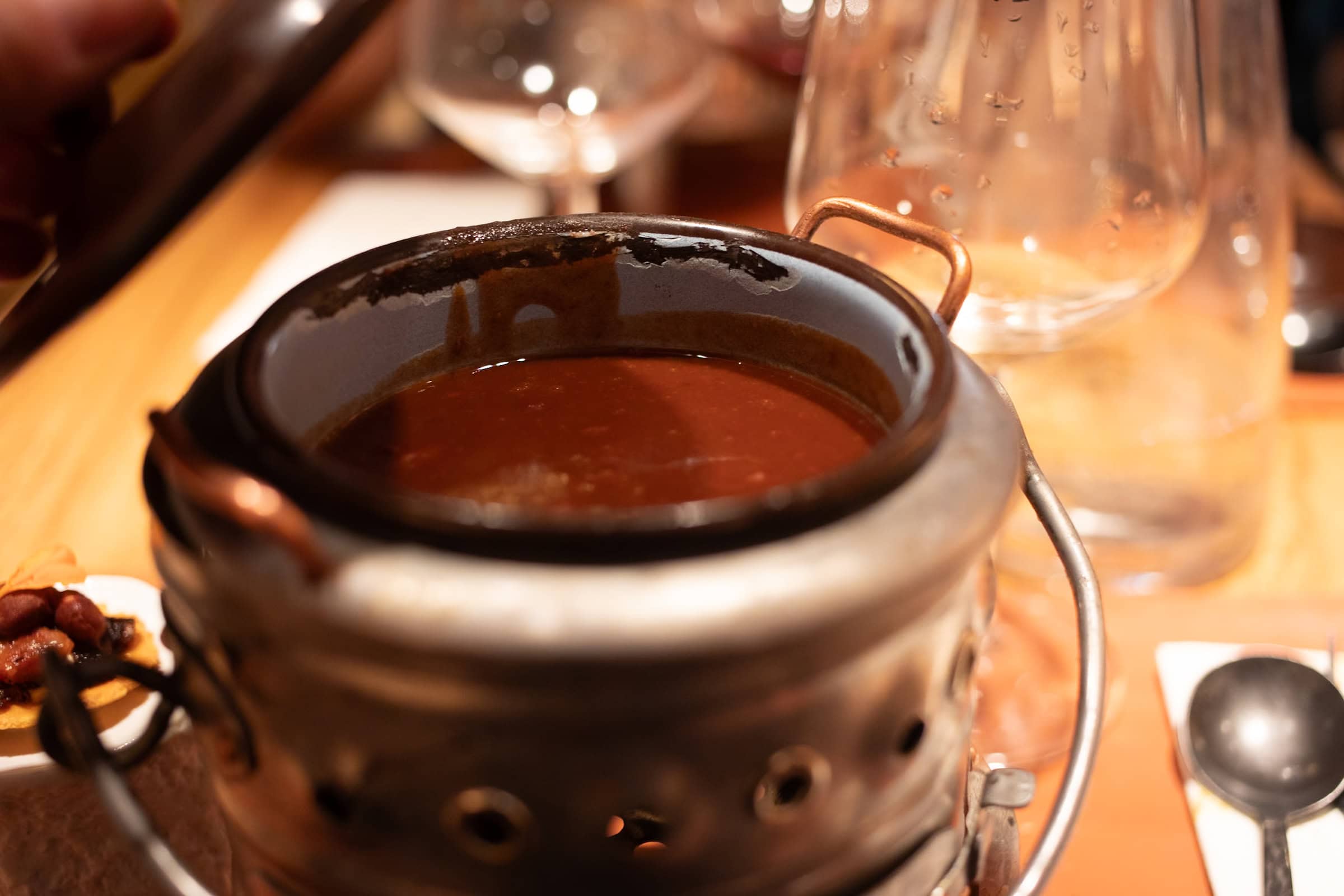
    A typical putxera in an iron pot on a table at Resturante Teike in Balmaseda, Spain.

    Church of San Juan

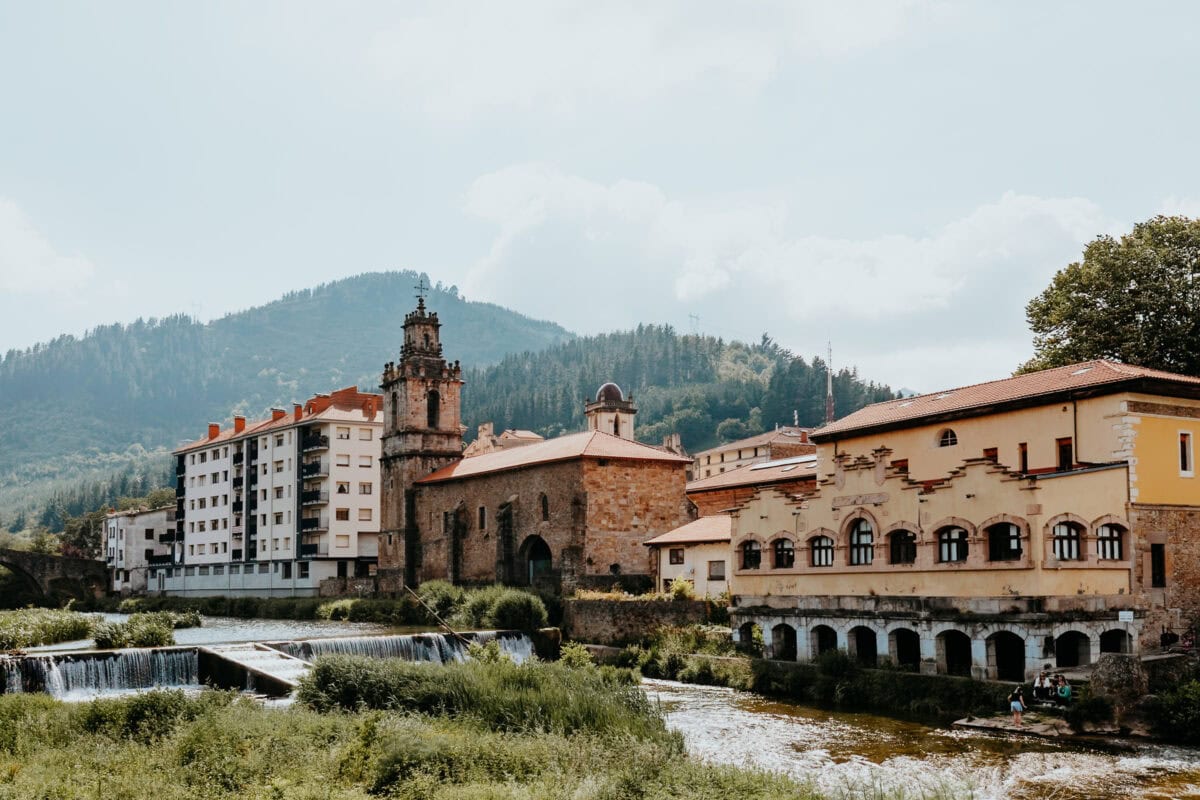
    The church of San Juan was also built at the same time in the 15th century in the Gothic style. It is located directly on the River Kadagua near the Puente de la Muza and houses the city museum.
    Opening hours of the city museum

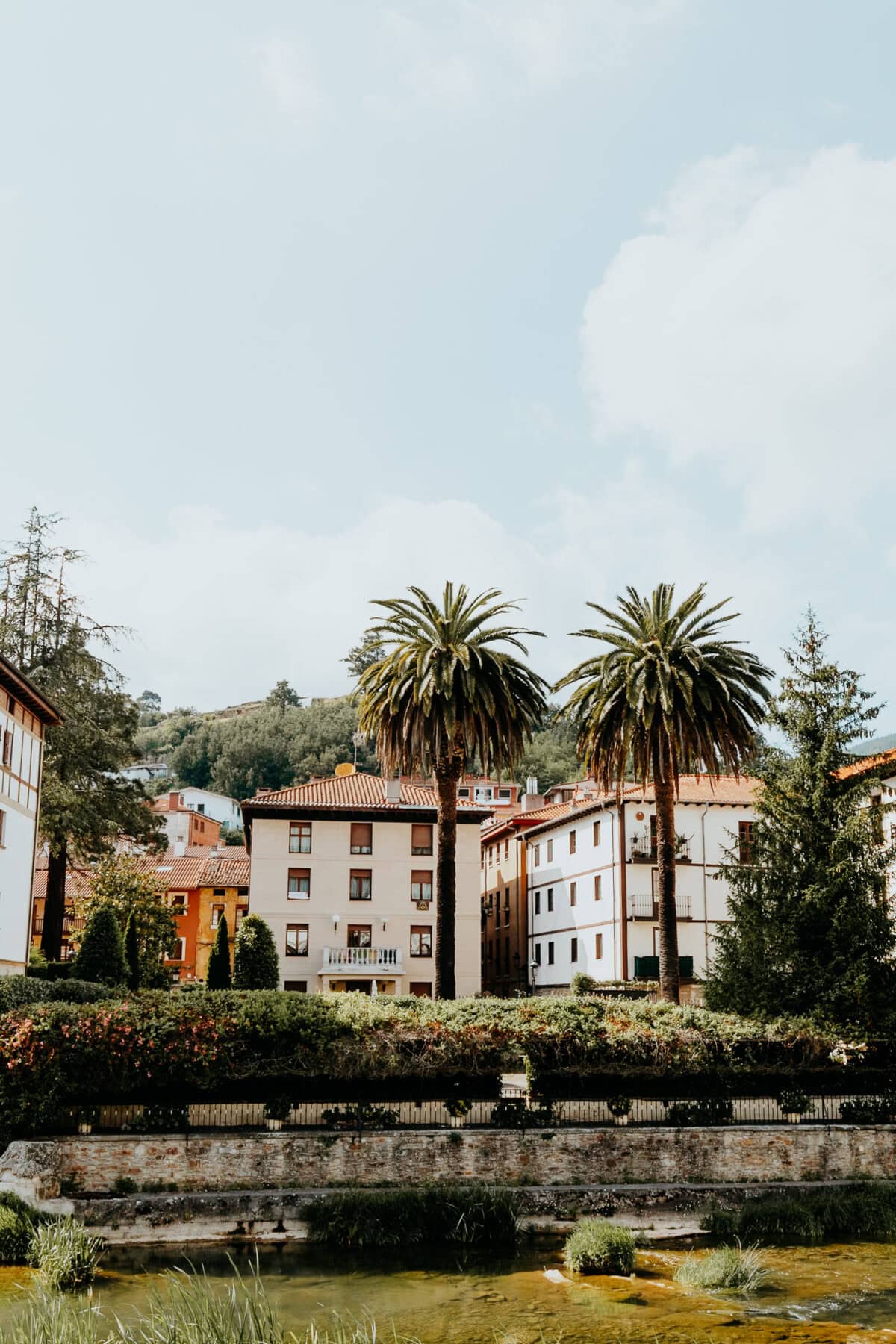
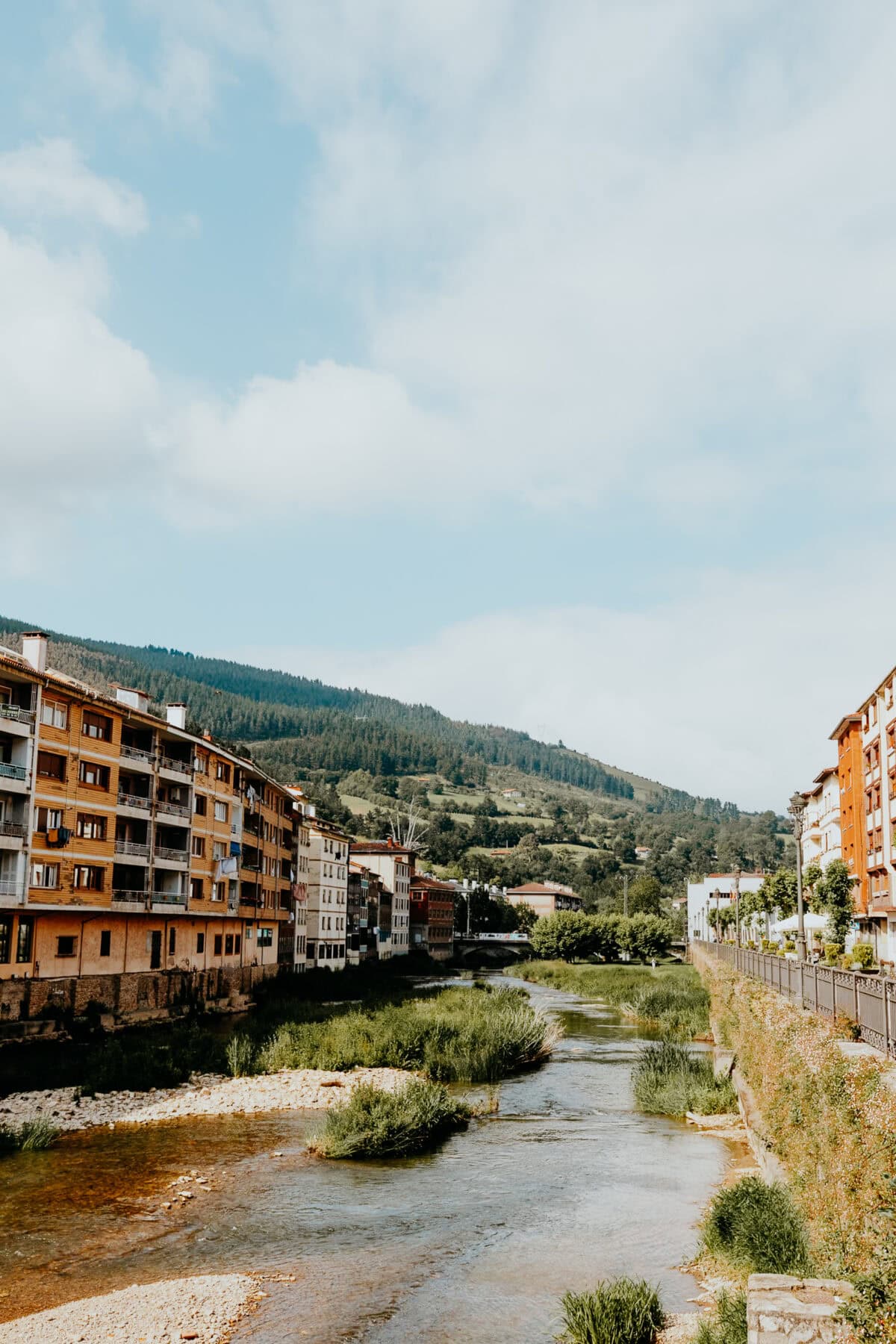
    Historic buildings set against wooded hills along the Kadagua River in Balmaseda.

    Museum La Encartada

    The old wool factory La Encartada is one of the absolute highlights of Balmaseda. It is located just outside the old town, but is just under two kilometers away and can also be reached on foot. A great way to enjoy the countryside, as the factory is surrounded by greenery.
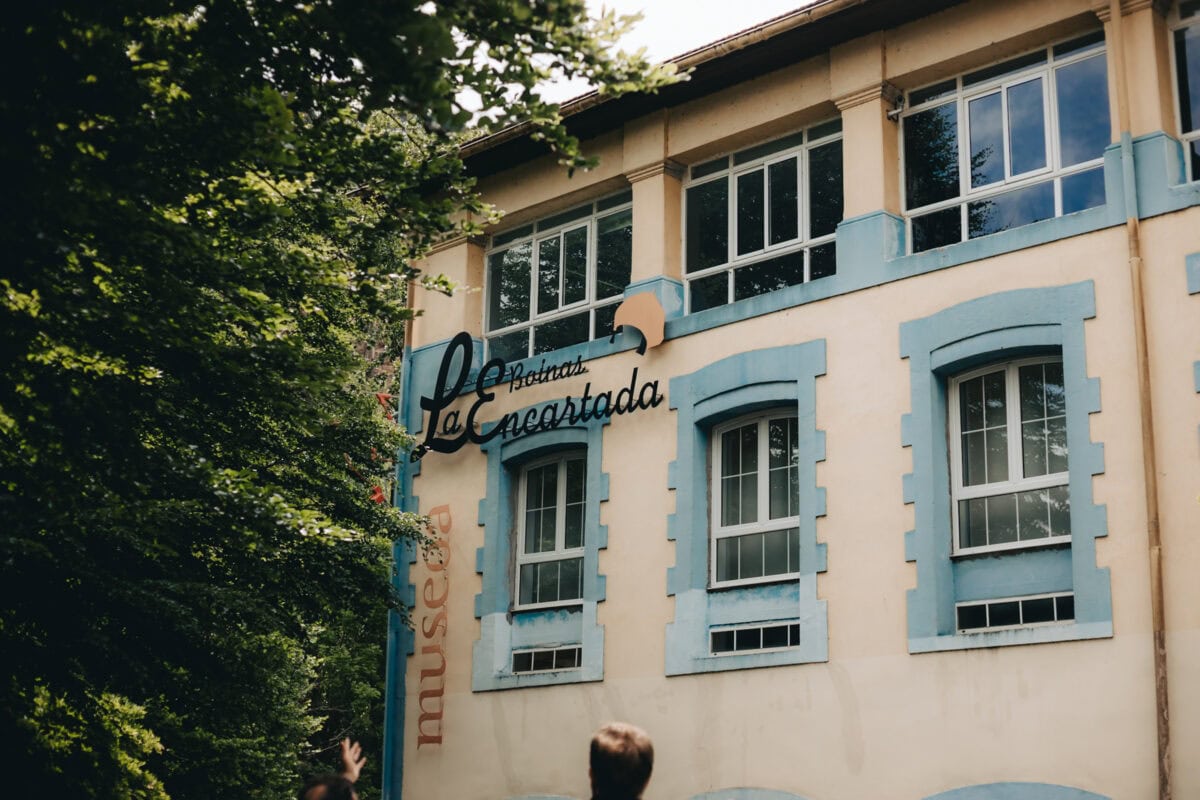
    La Encartada Museum: A historic building with a blue facade and windows.

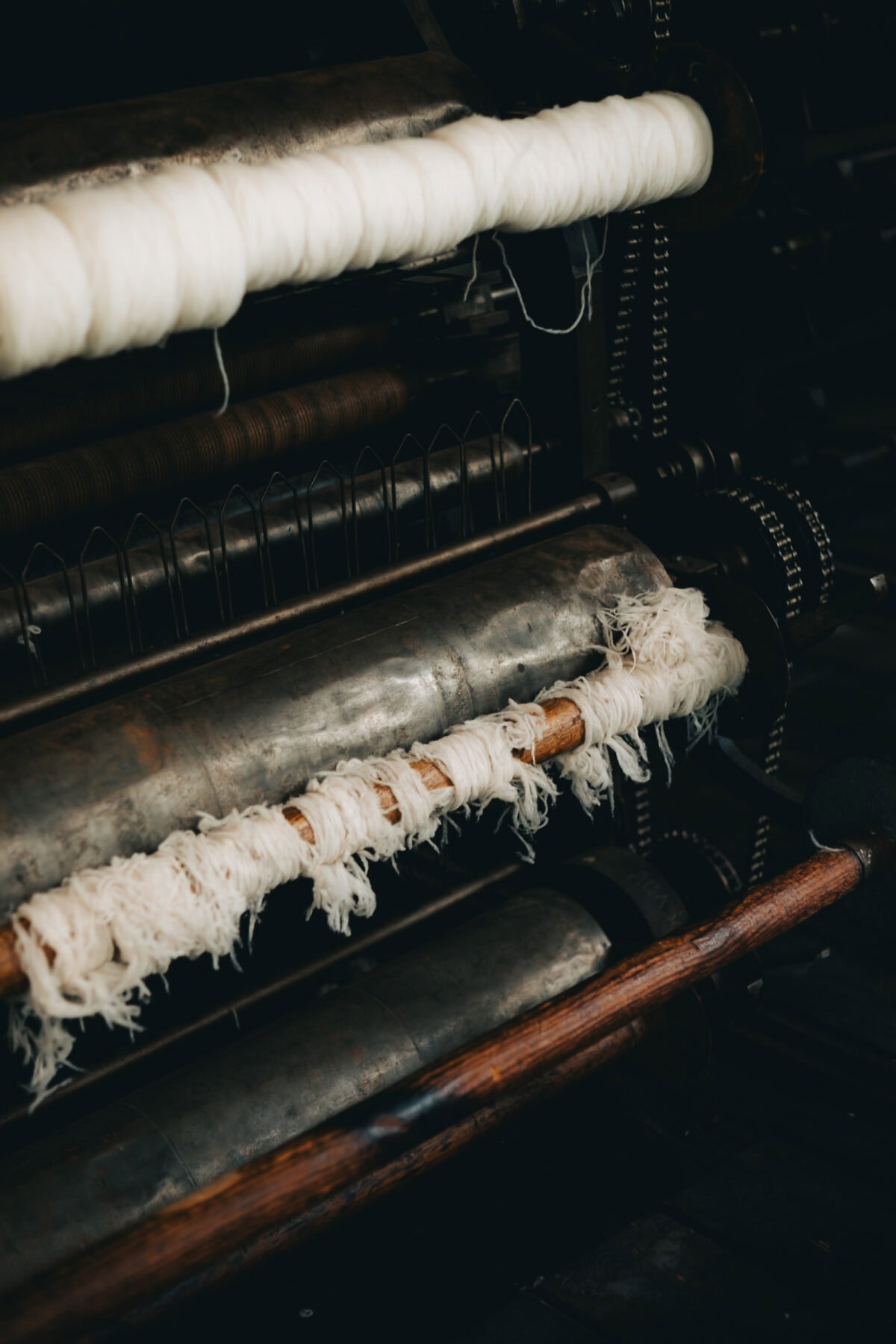
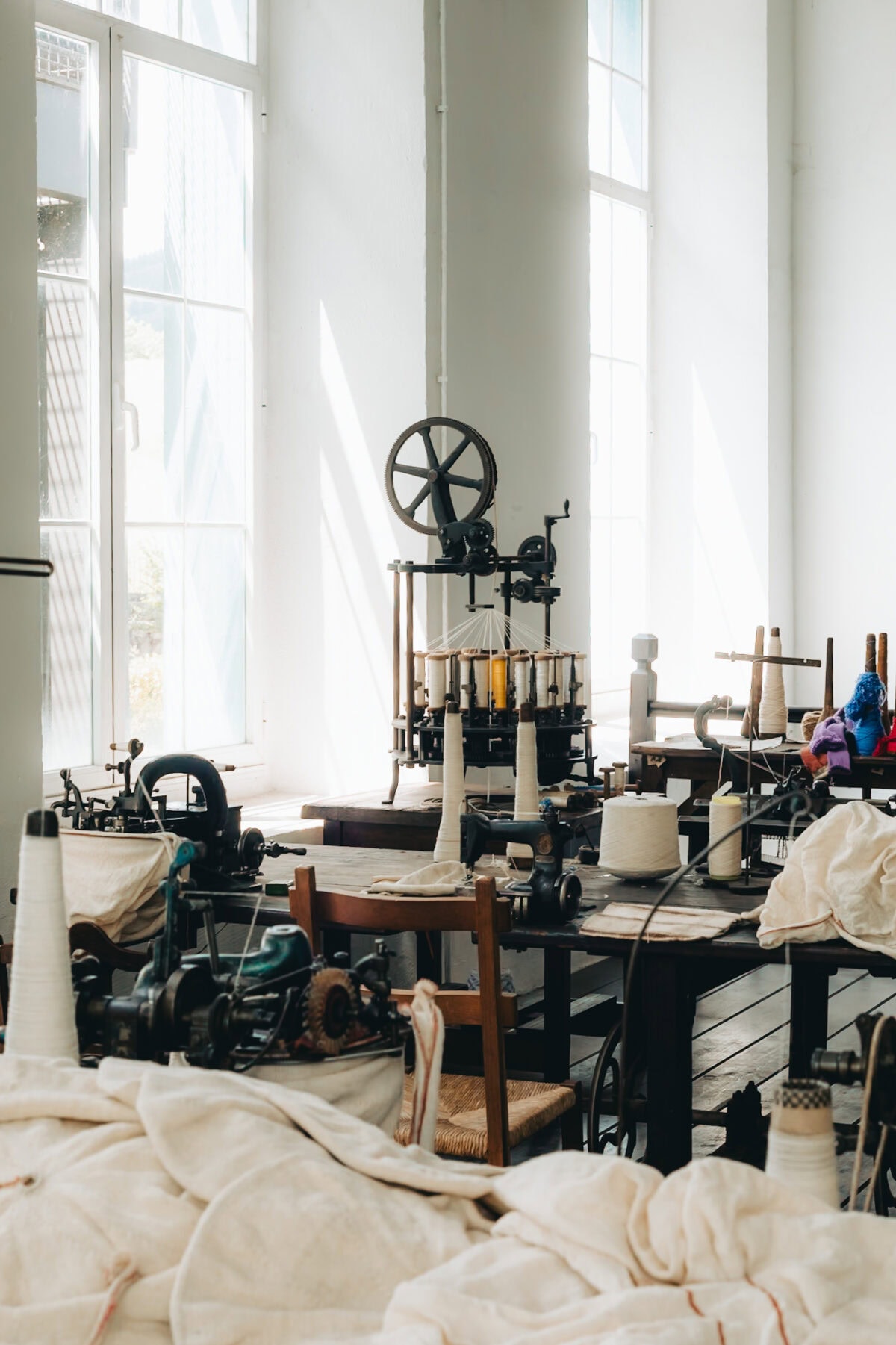
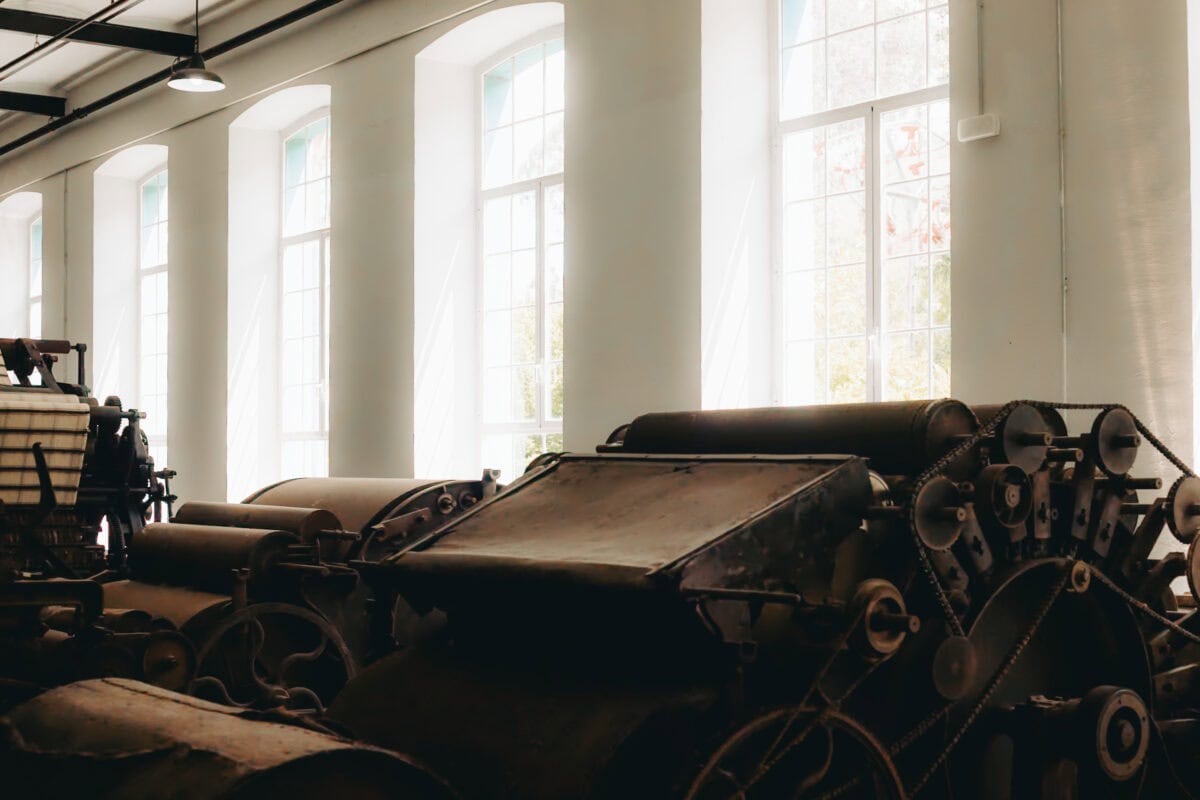
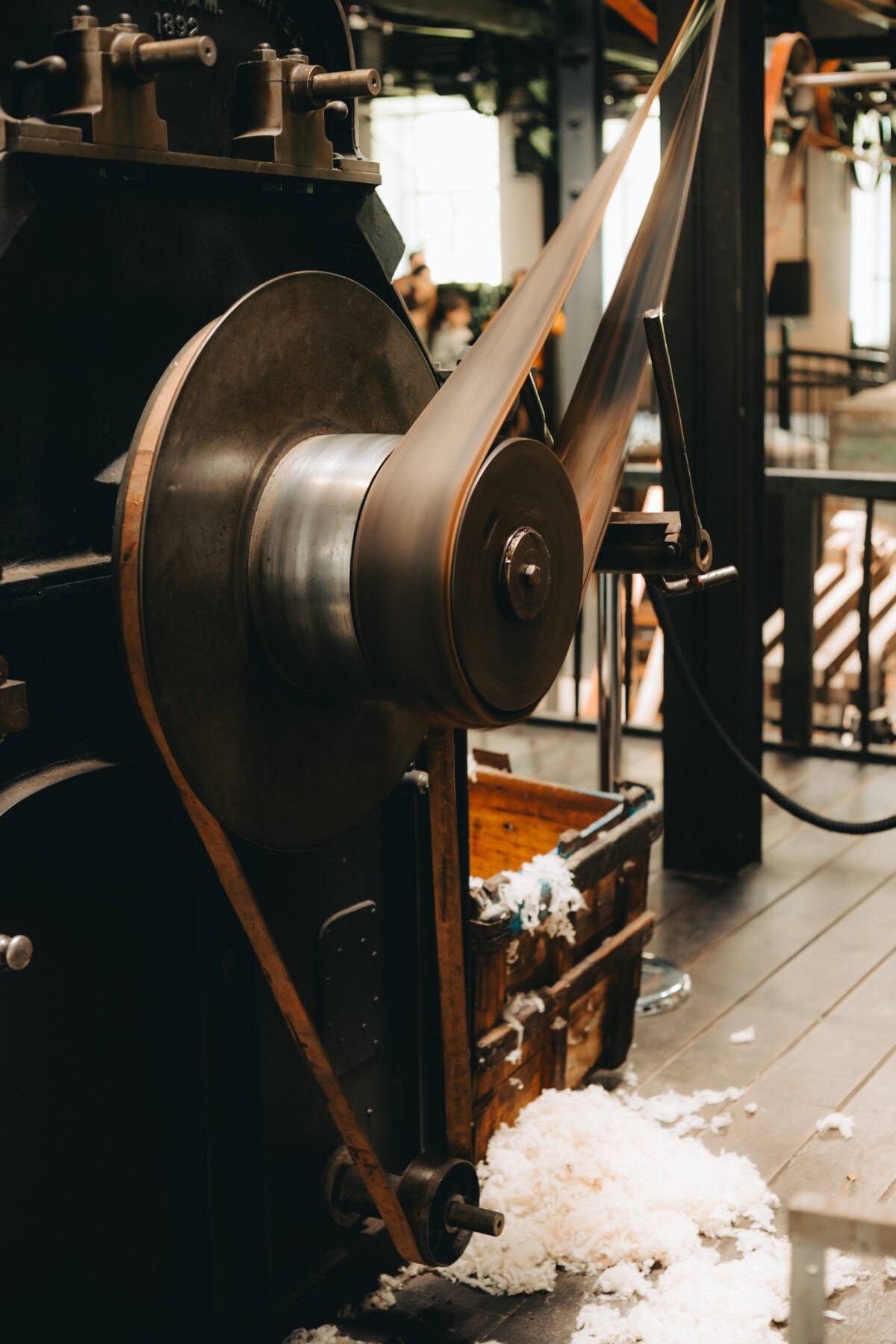
    For exactly one hundred years, from 1892 to 1992, woolen goods, but above all the famous berets, the boinas, were produced here. After its closure, time simply stood still in the old halls and the factory was finally reopened as a museum in 2007. It is remarkable how well the furnishings have been preserved.

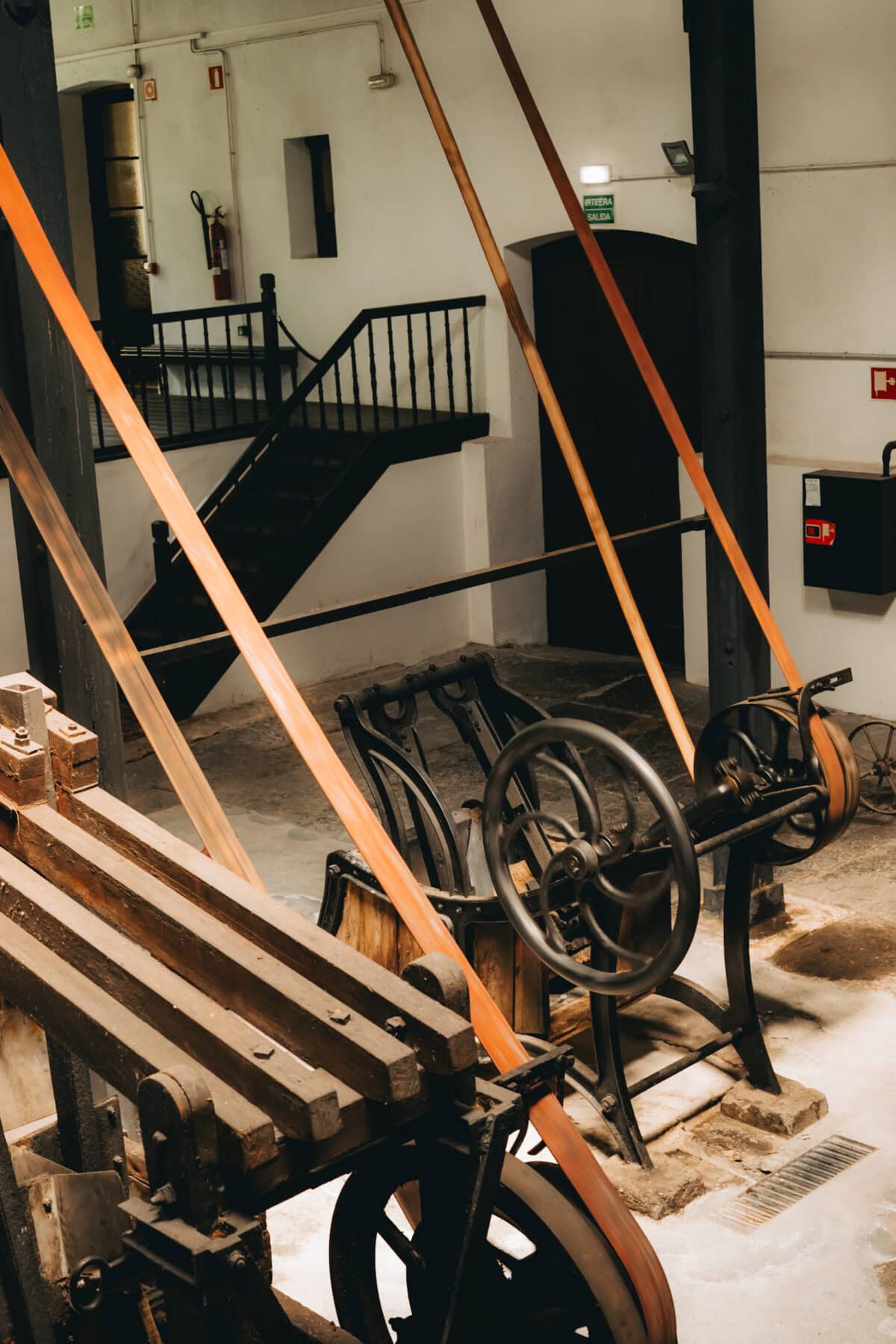
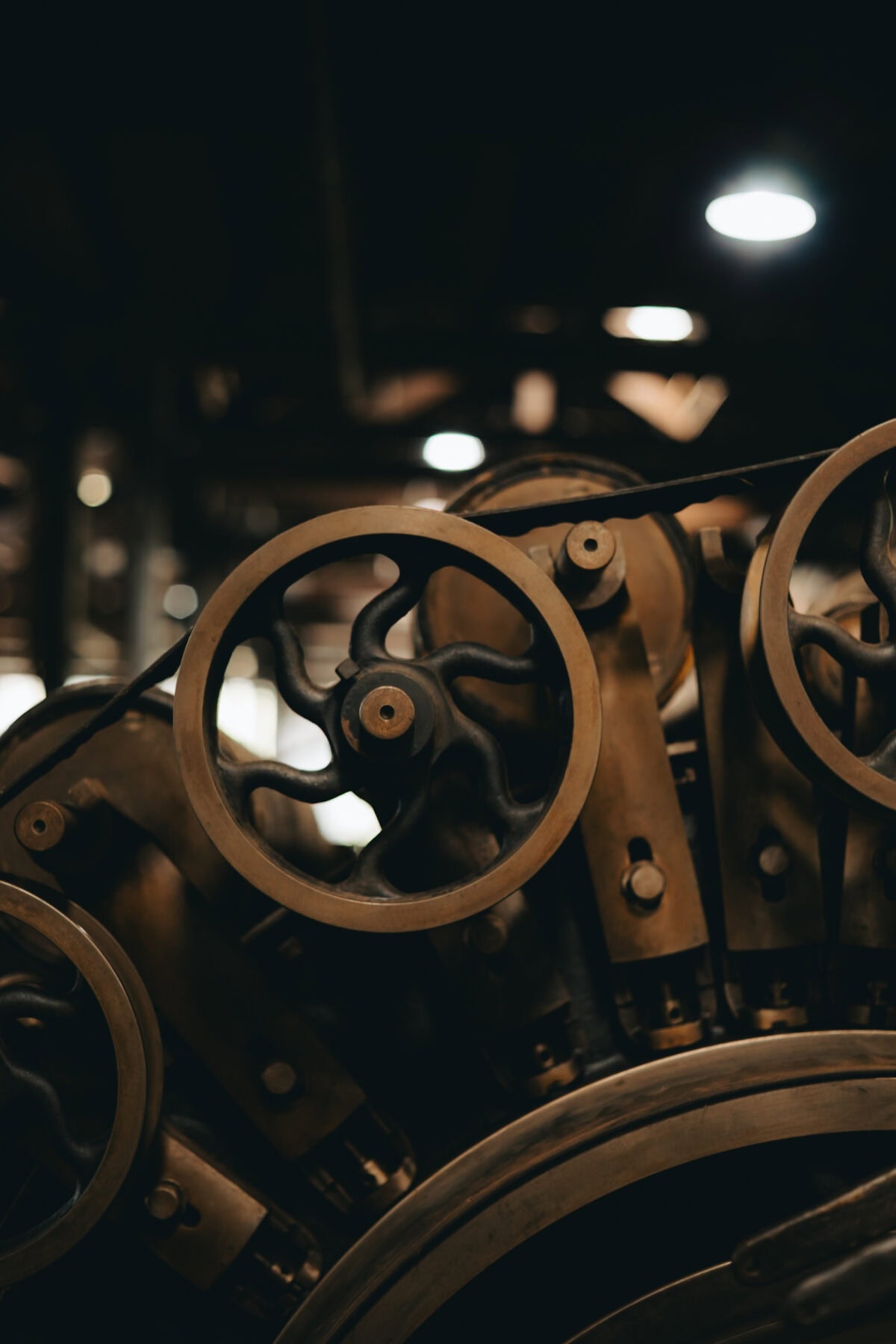
    Many of the machines even date back to the late 19th and early 20th century. You can also follow the entire production process from the raw material to the finished product in one place.
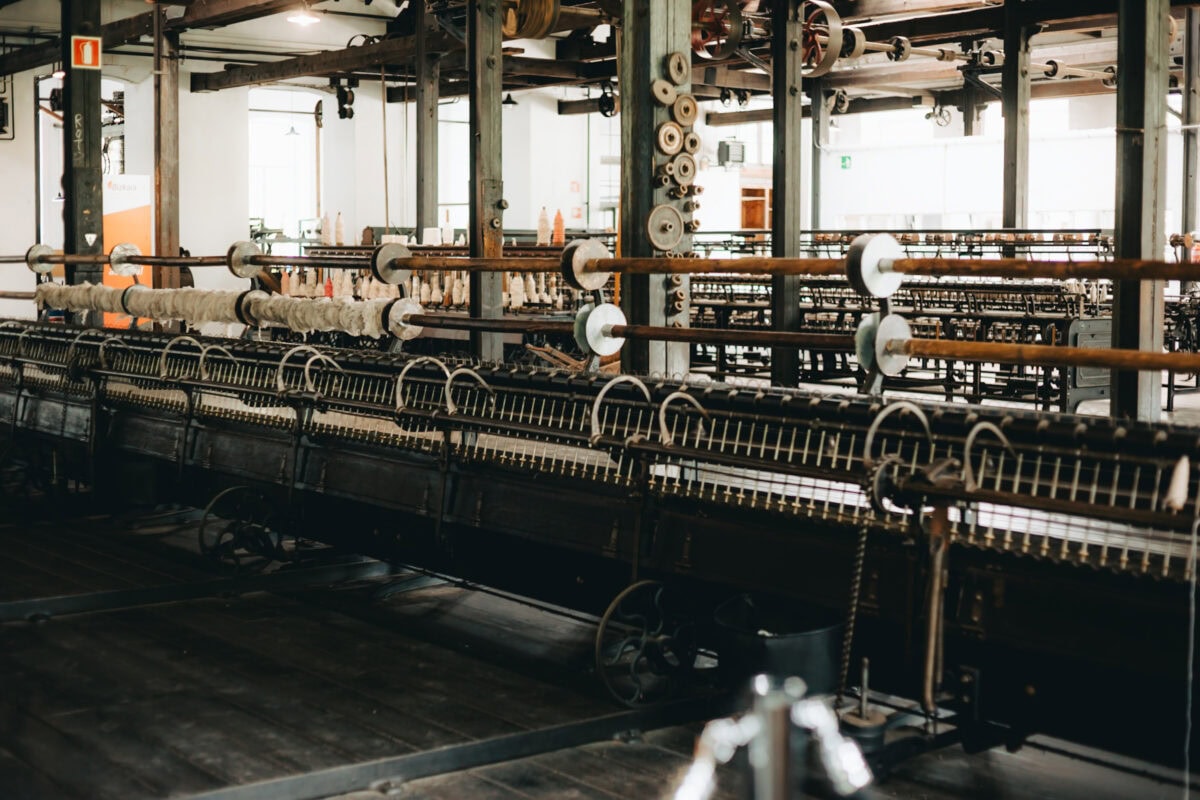
    Historic spinning mill at the La Encartada Museum with machines inside
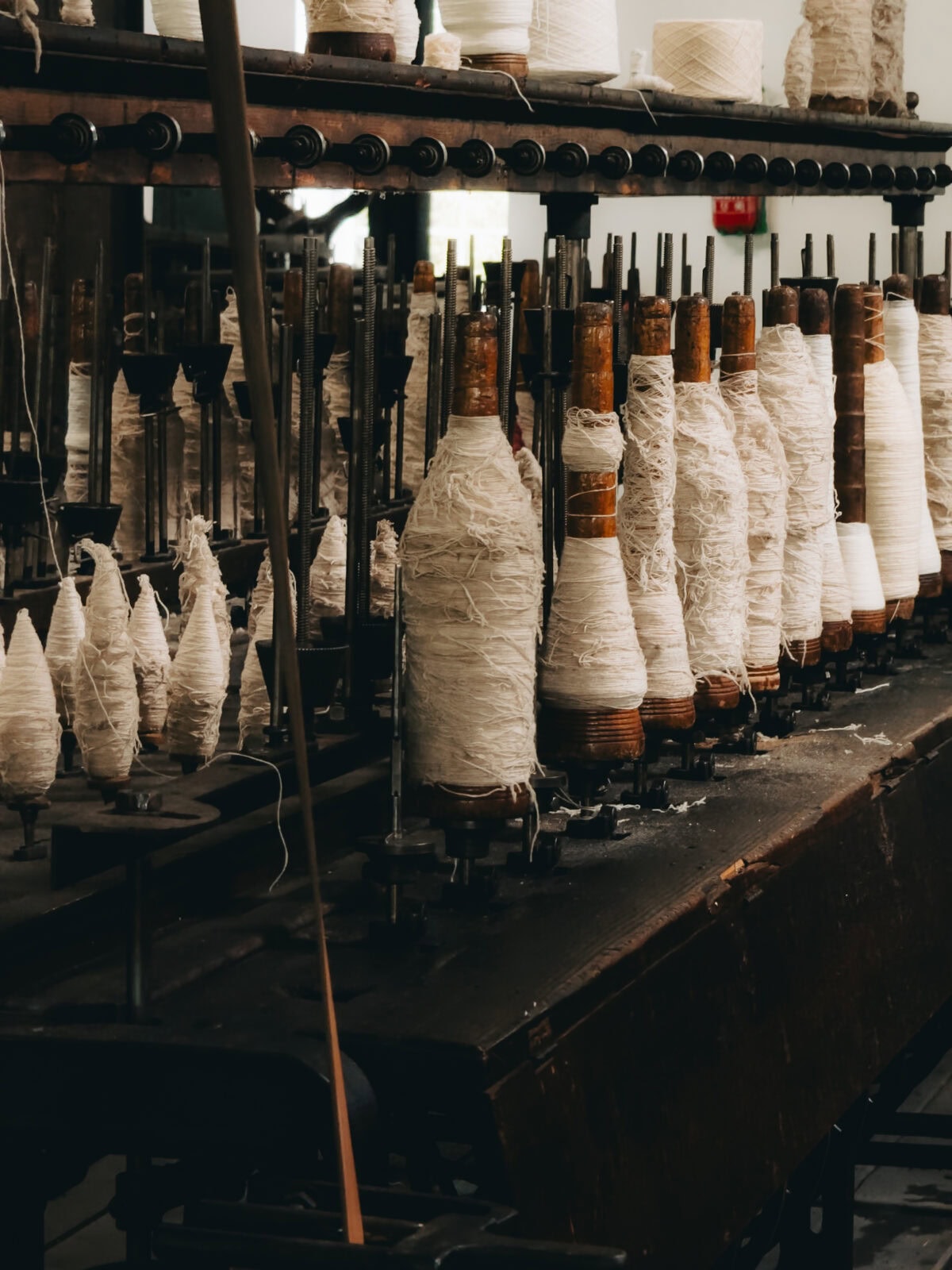
    Historic textile machines at the La Encartada Museum in Balmaseda, Spain.
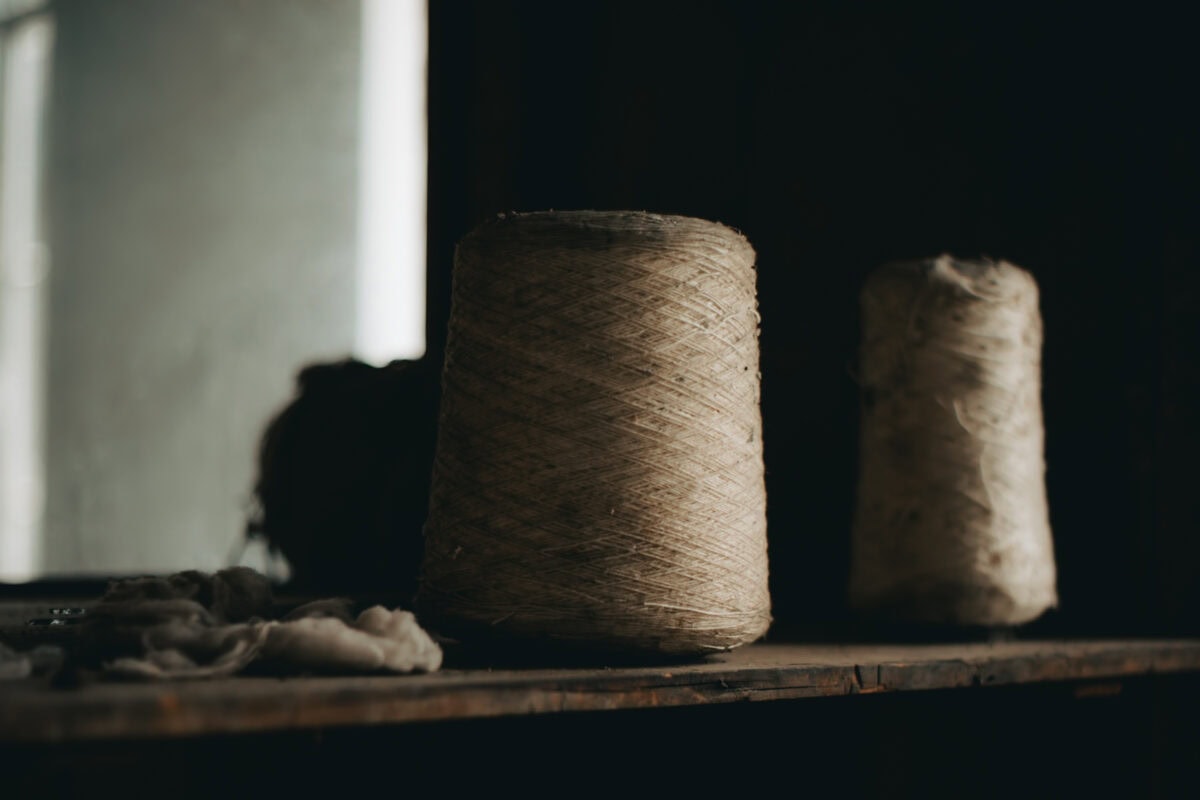
    Two large spools of thread in a dark room

    You can also take a look at life at the time, as the workers originally lived on site. And in general, you will find lots of information and documents from a time when industry in the Basque Country had a major influence on the economy of the time.
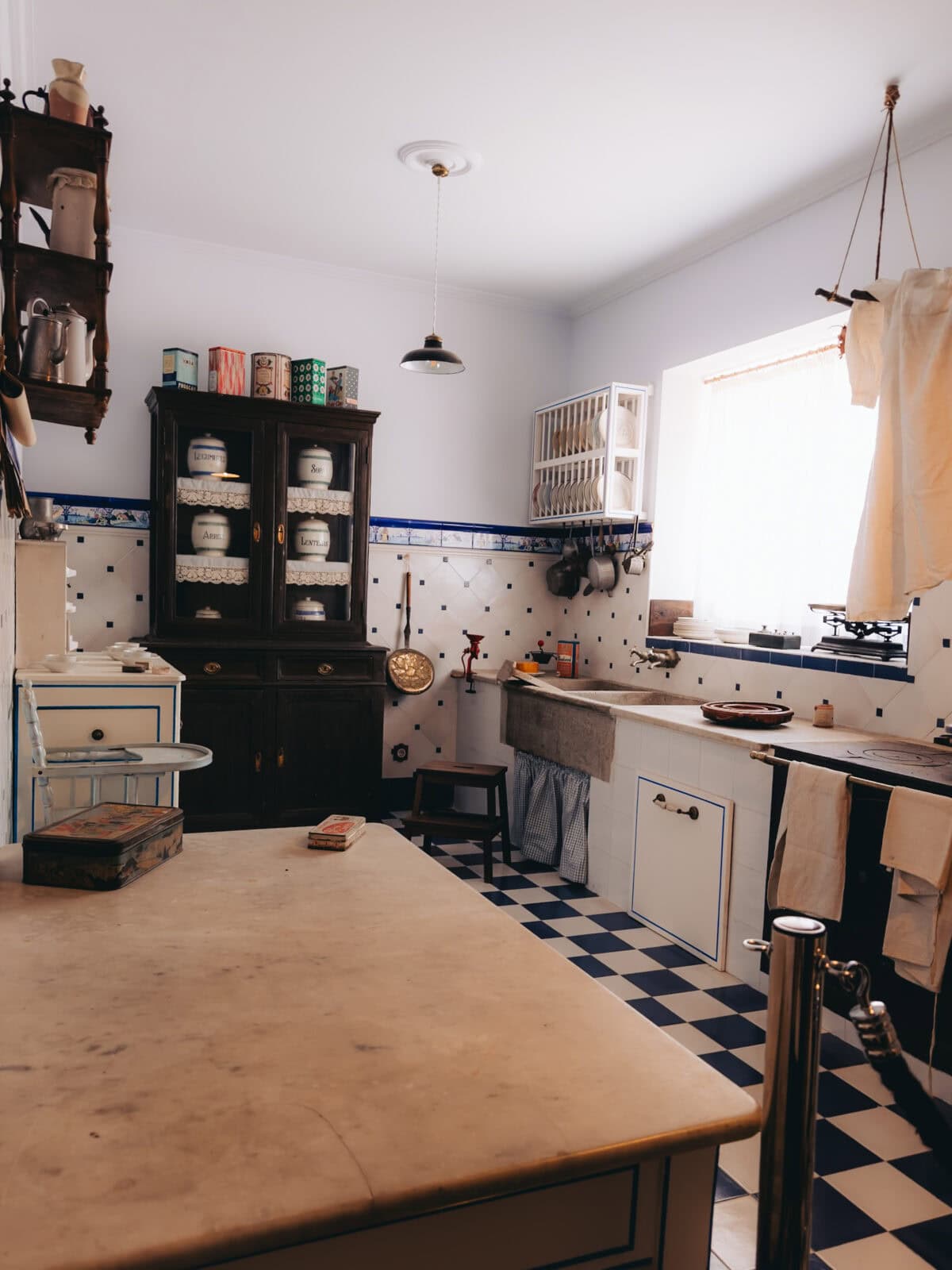
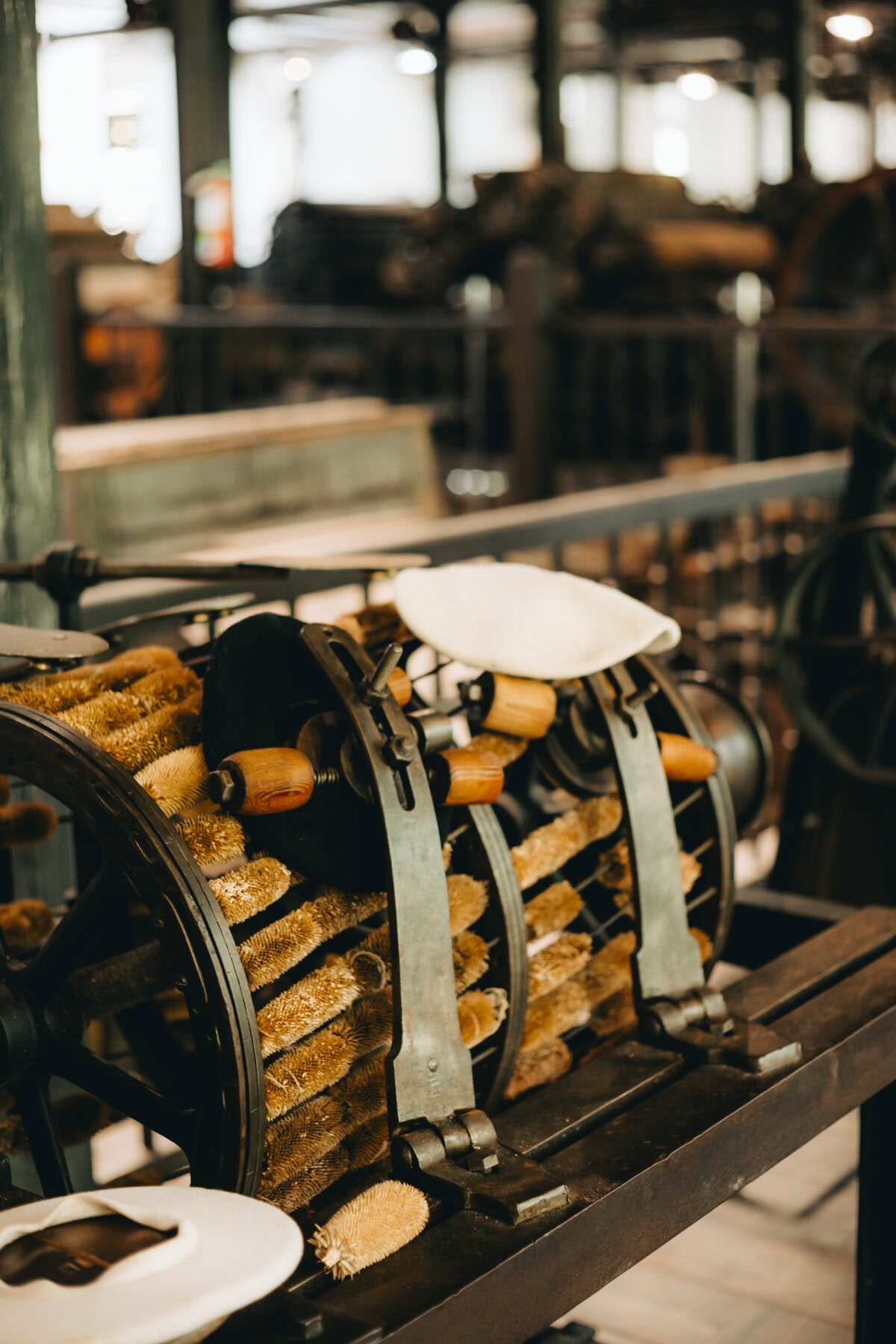
    Old machines in a sunny room at the La Encartada Museum
in Balmaseda

    I found La Encartada really impressive. The exhibition with the production facilities and the decorated details in the disused factory is attractively designed and you can immediately imagine how hard people used to work here. It is also unbelievable that these machines were still in use until they were closed in 1992 – they were so robustly made.
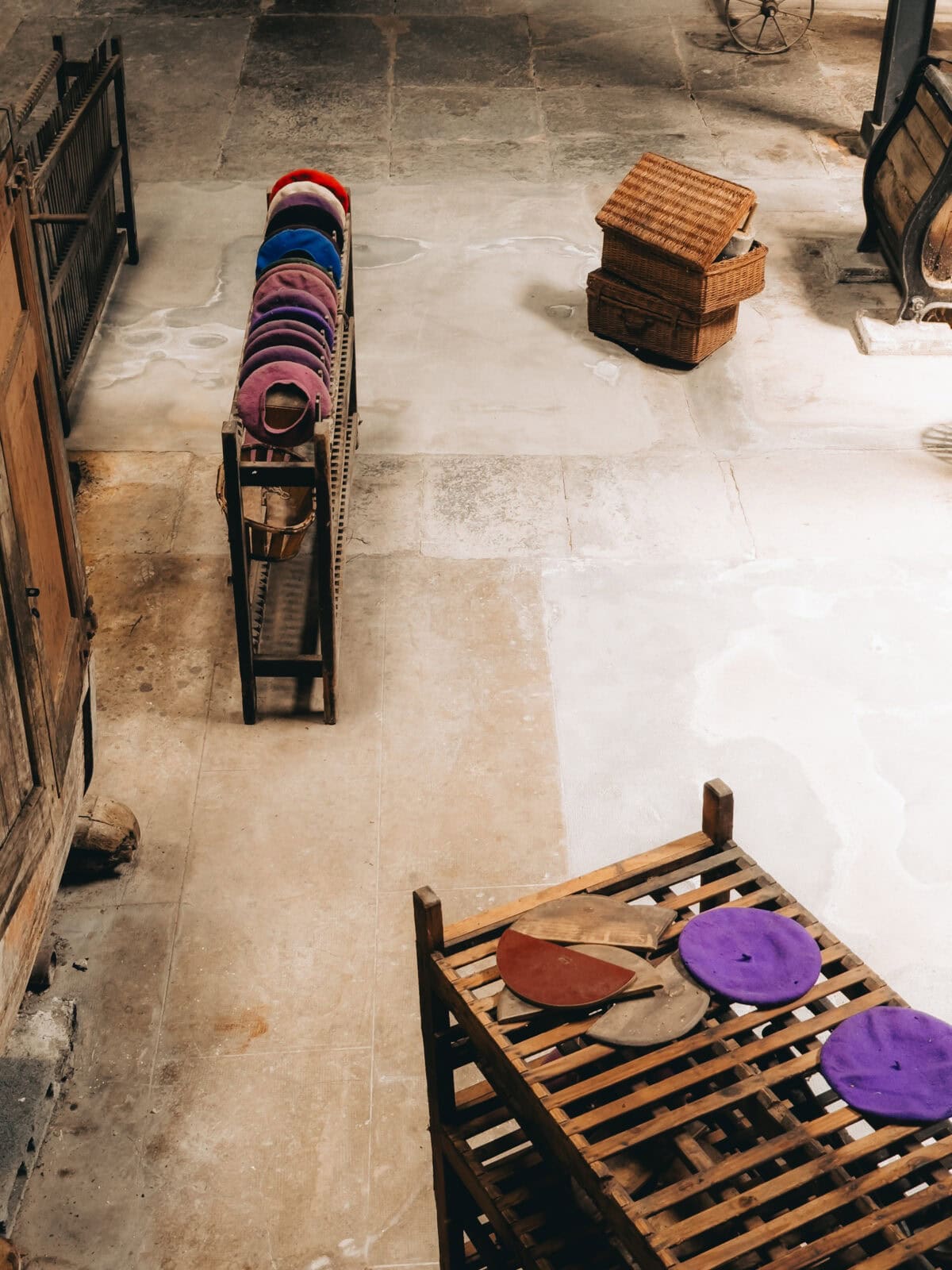
    It’s just a shame that there is no real souvenir store – after so much textile knowledge and Basque industrial history, I would have loved to browse through a large selection of berets and buy myself a suitable souvenir.

    But well – La Encartada is no longer in production anyway. As far as I could see, some models are sold at the checkout; but you can also still find small, traditional stores in the old town of Bilbao, for example, where the genuine berets made of merino wool from the last remaining manufacturer in Spain, Elósegui from Tolosa, are sold.
    Looking for tips for Bilbao?
    You can find my complete guide here

    Where to Eat in Balmaseda

    If you’re not yet convinced that it’s worth making a detour here – you won’t regret it, if only because of the following location. In typical Basque fashion, great importance is also attached to good cuisine outside the larger cities.
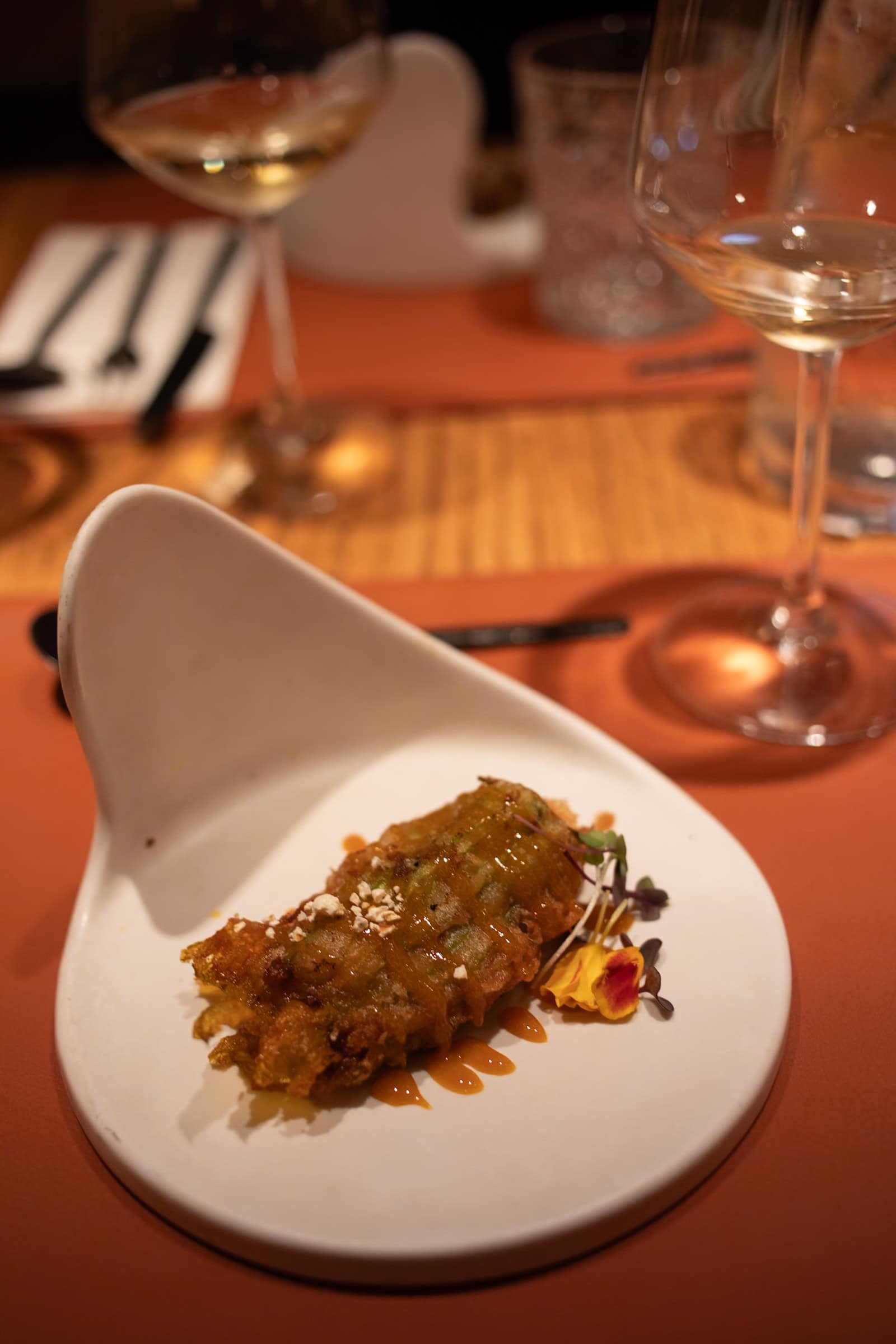
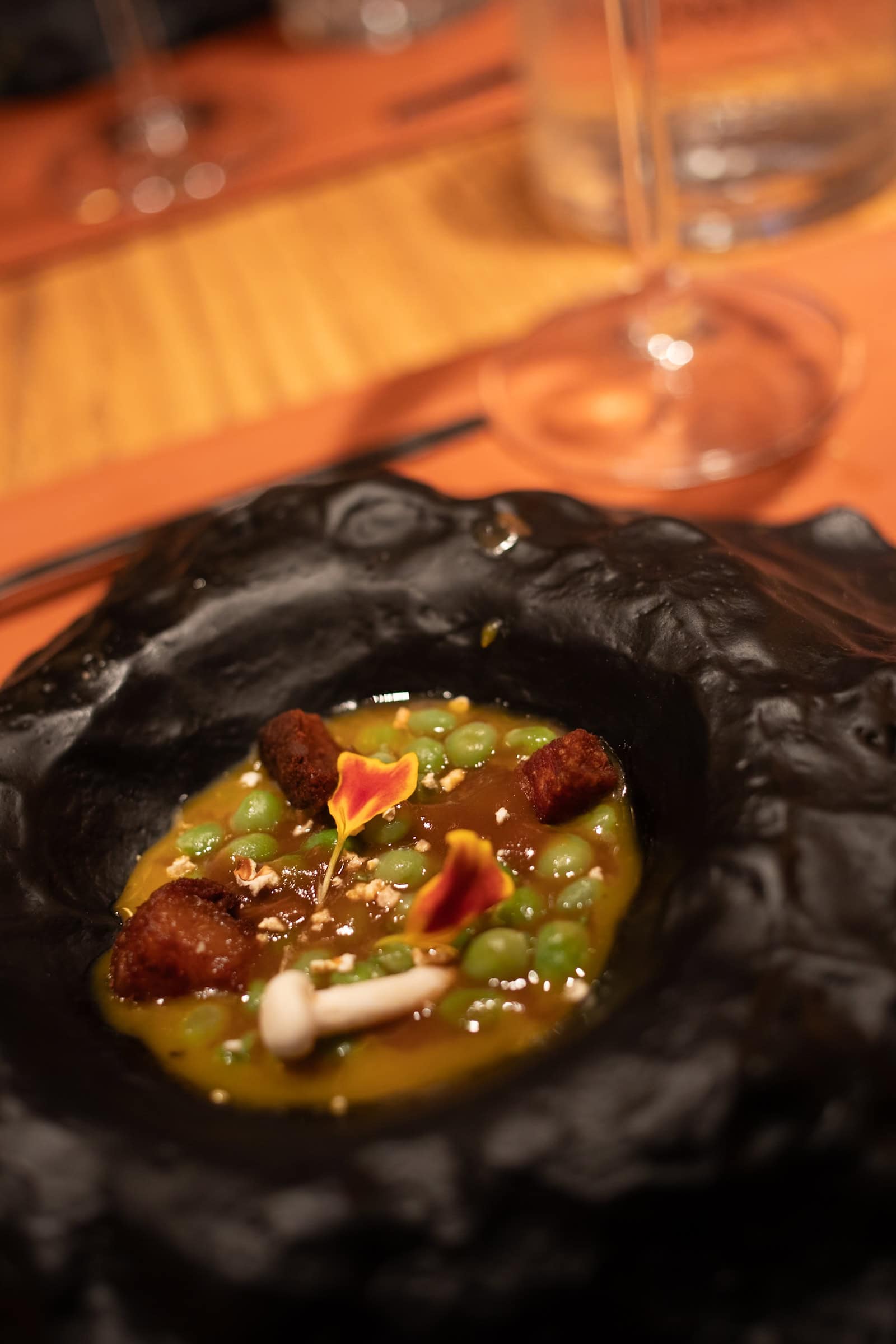
    Teike is a pretty fine-dining restaurant right in the heart of the city and serves both traditional dishes such as the hearty putxera stew, which is served in a small aluminum pot, as well as modern creations. It is best to book in advance and try all the delicacies on the tasting menu.
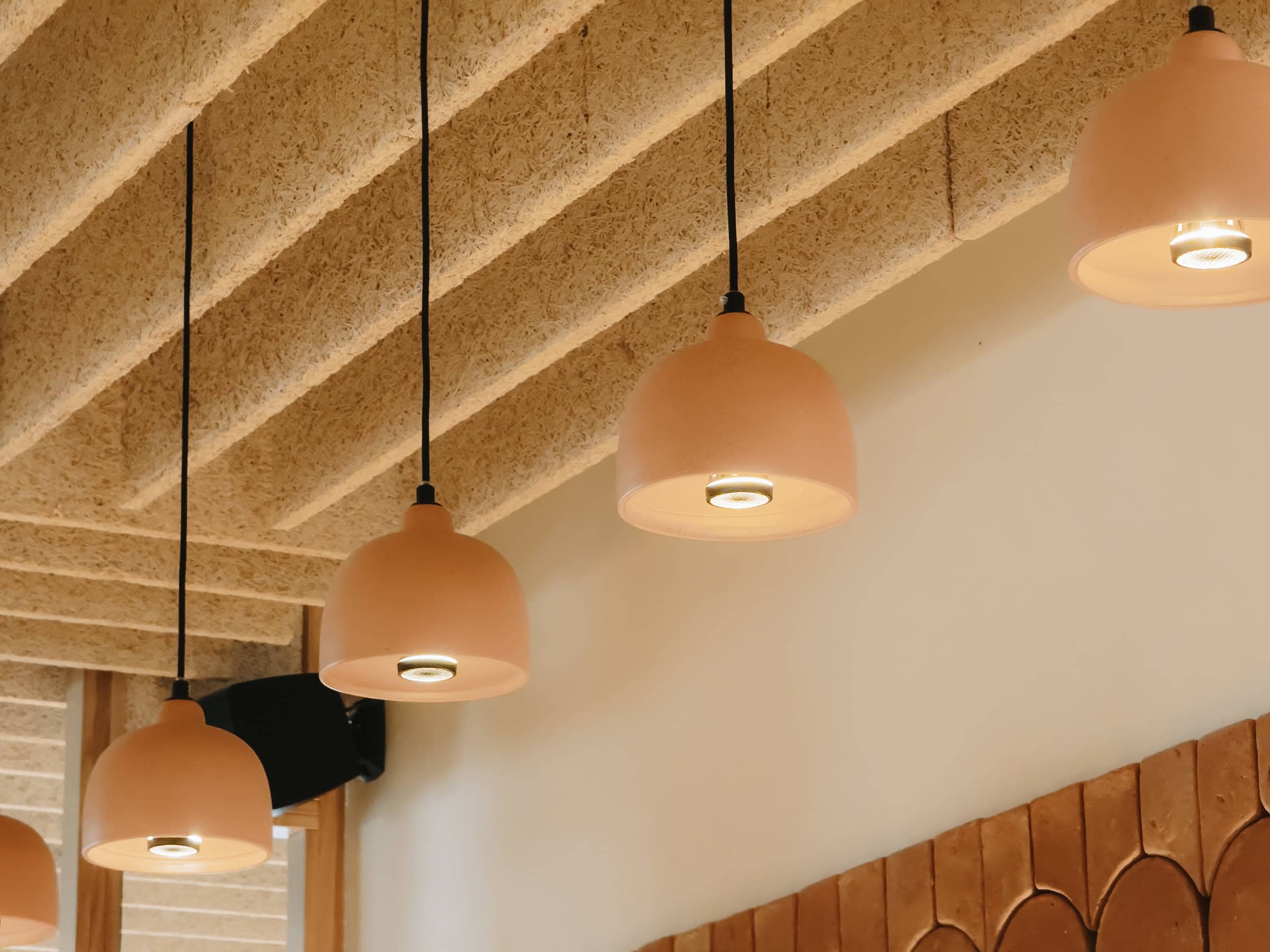
    Lighting at the Teike in Balmaseda.

    Torre Lozaiga

    If you are traveling to Balmaseda by car, the Torre Lozaiga with its adjoining museum is a nice stopover. Situated in the middle of the lush green mountain landscape of the Basque Country, you will find a medieval fortified tower typical of the region. These fortified towers once served as residences and defenses for noble families.
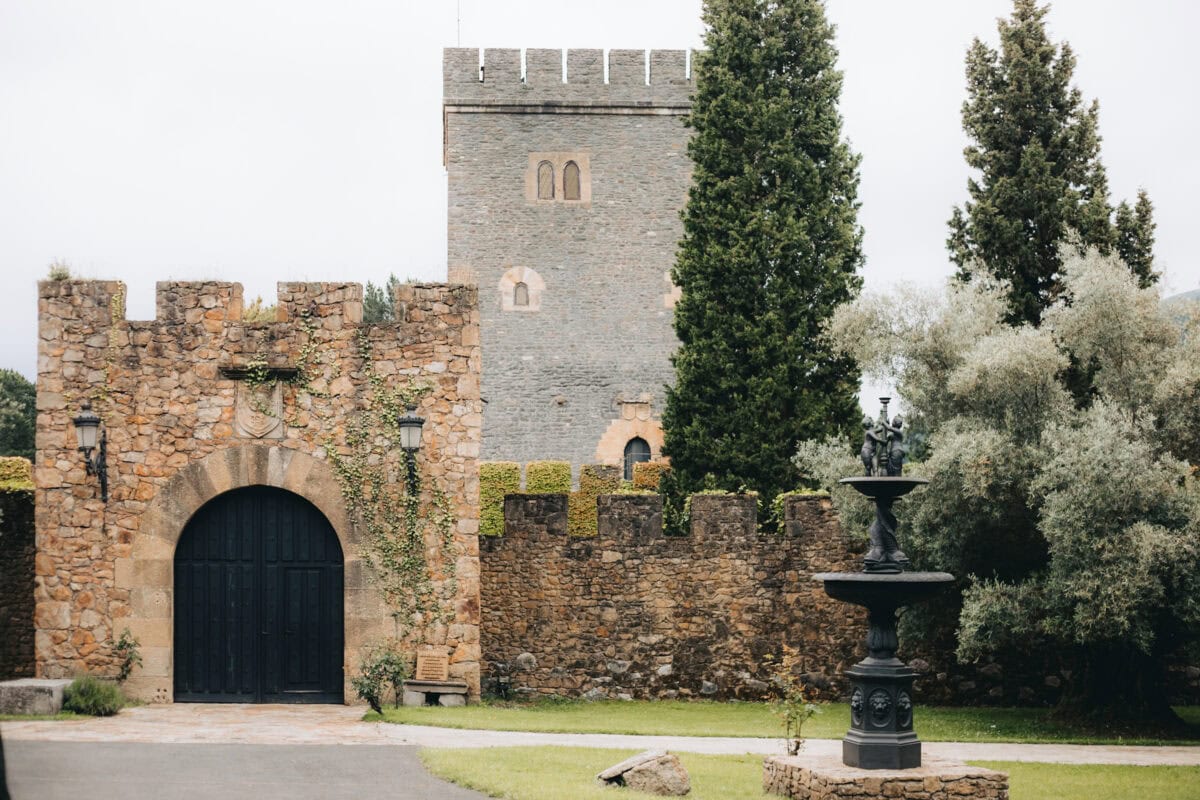
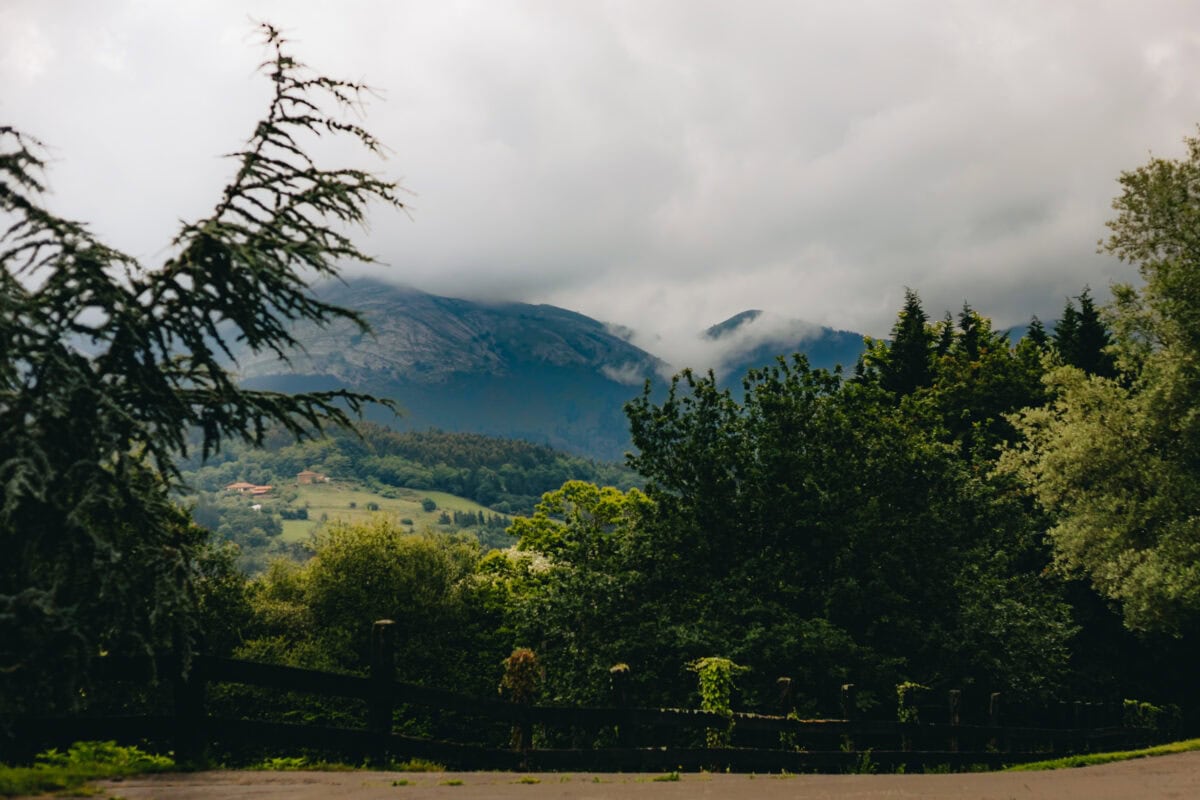
    Entrance to the Torre Lozaiga in the Basque Country, Spain.
    Cloudy mountains behind green trees and meadows.

    These fortified towers are characterized by their massive construction with smaller openings in the lower sections. This design was intended to increase protection against intruders. You can’t visit the tower itself, but there is an extensive automobile museum on the site with a comprehensive Rolls-Royce collection of every model ever built between 1910 and 1990. If you’re interested in classic cars, you’ll be in for a real treat here!
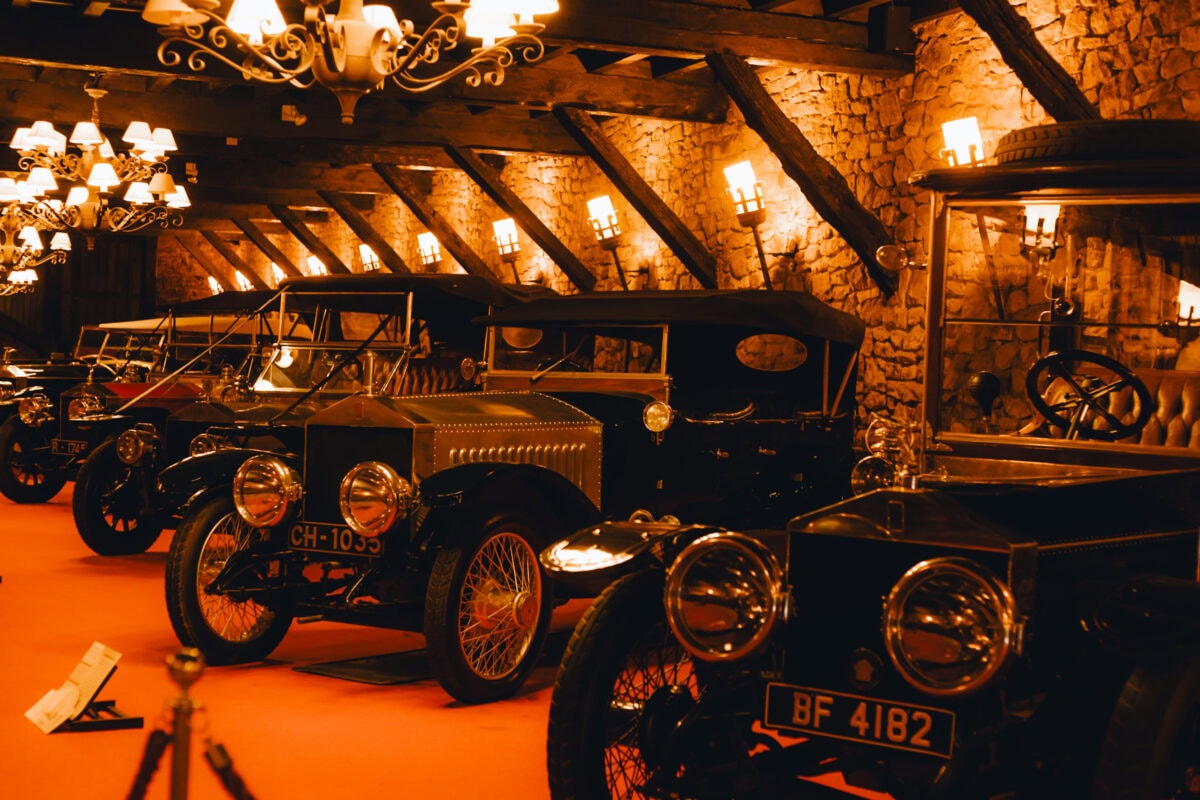
    Classic Car Exhibition at the Museo de Coches Clásicos y Antiguos in Torre Loizaga
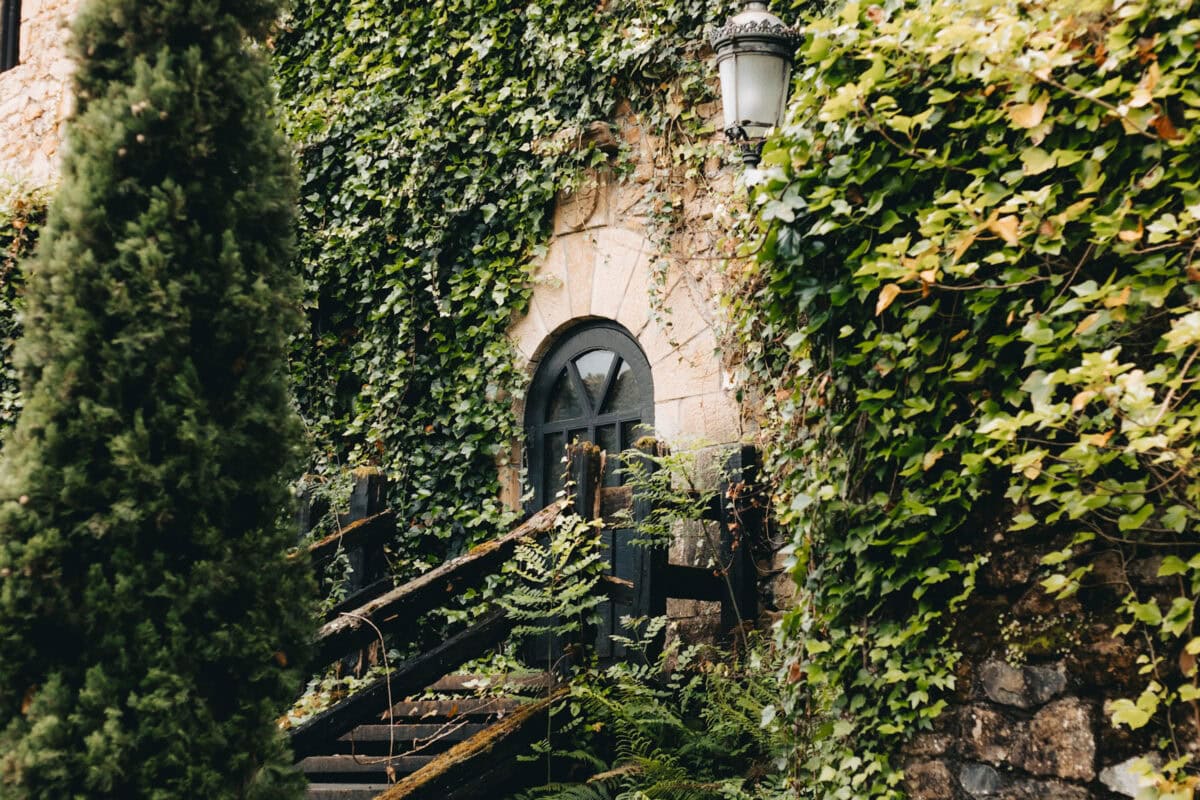
    A stone wall overgrown with vegetation, featuring an old window and a lamp, at Torre Lozaiga
in the Basque Country.

    The privately run museum is quite an insider tip and somewhat remote. You should therefore definitely check the opening times before visiting.

    Museo de Coches Clásicos y Antiguos in the Torre Loizaga

    How to Get There

    Balmaseda is very easy to reach from Bilbao by public transport. A regional train connects the two cities; the journey from Abando station in Bilbao takes about an hour. Even without a rental car or your own car, Balmaseda is a nice day trip if you want to get to know the Basque hinterland off the beaten track.

    Check the timetable for the regional train between Bilbao and Balmaseda here

    However, you will need a car or rental car* to visit Torre Lozaiga, which is a little out of the way halfway along the route.

    This article was written with the support of Visit Euskadi.

  • The Best Things to Do in Donostia-San Sebastián

    The Best Things to Do in Donostia-San Sebastián

    Donostia / San Sebastián really is a special destination: with 180,000 inhabitants, it is the third largest city in the Basque Country, but exudes the elegant charm of a wealthy spa town from days gone by. The old town of San Sebastián is not only picturesque, but also a foodie’s dream come true: Pretty much every visitor falls for the refreshing txakoli and elaborate pintxos in no time. And don’t even get me started on the breathtaking beaches. Find out what else you can experience in San Sebastián in this article.

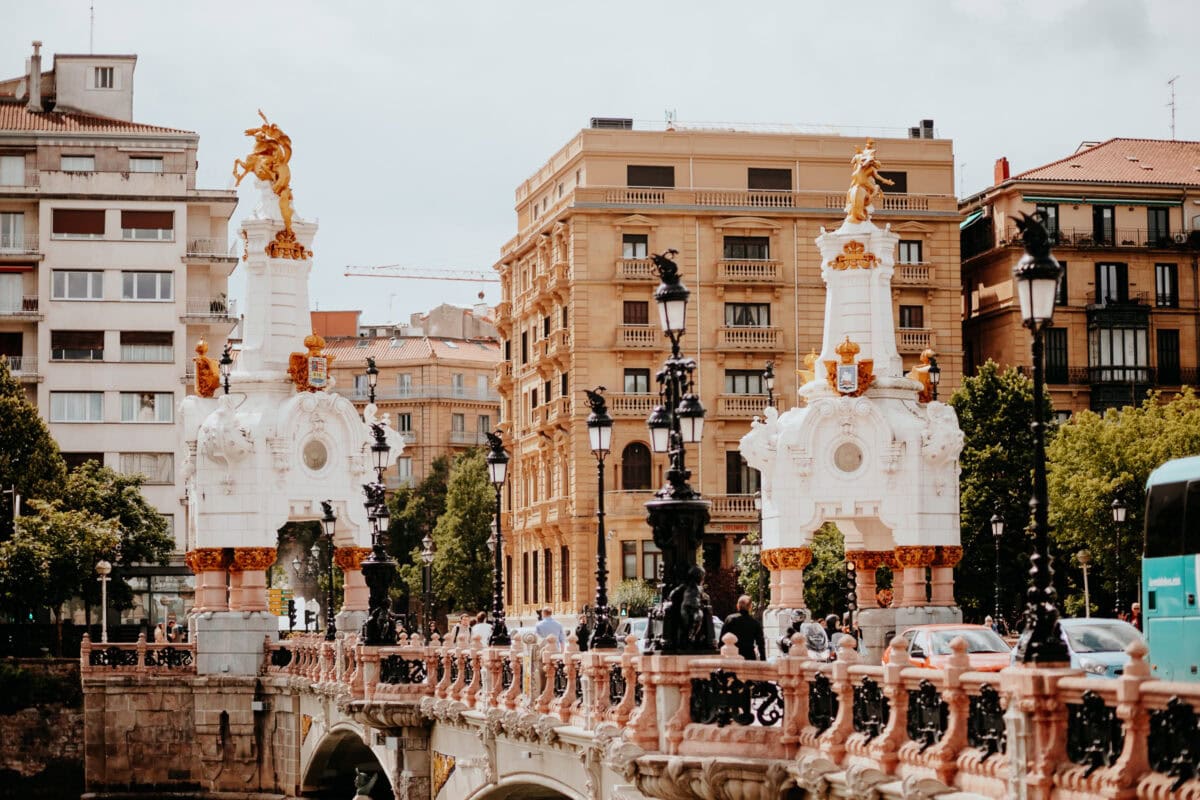
    Historical bridge in front of townhouses with statues.

    What you must see in San Sebastián: The most important sights

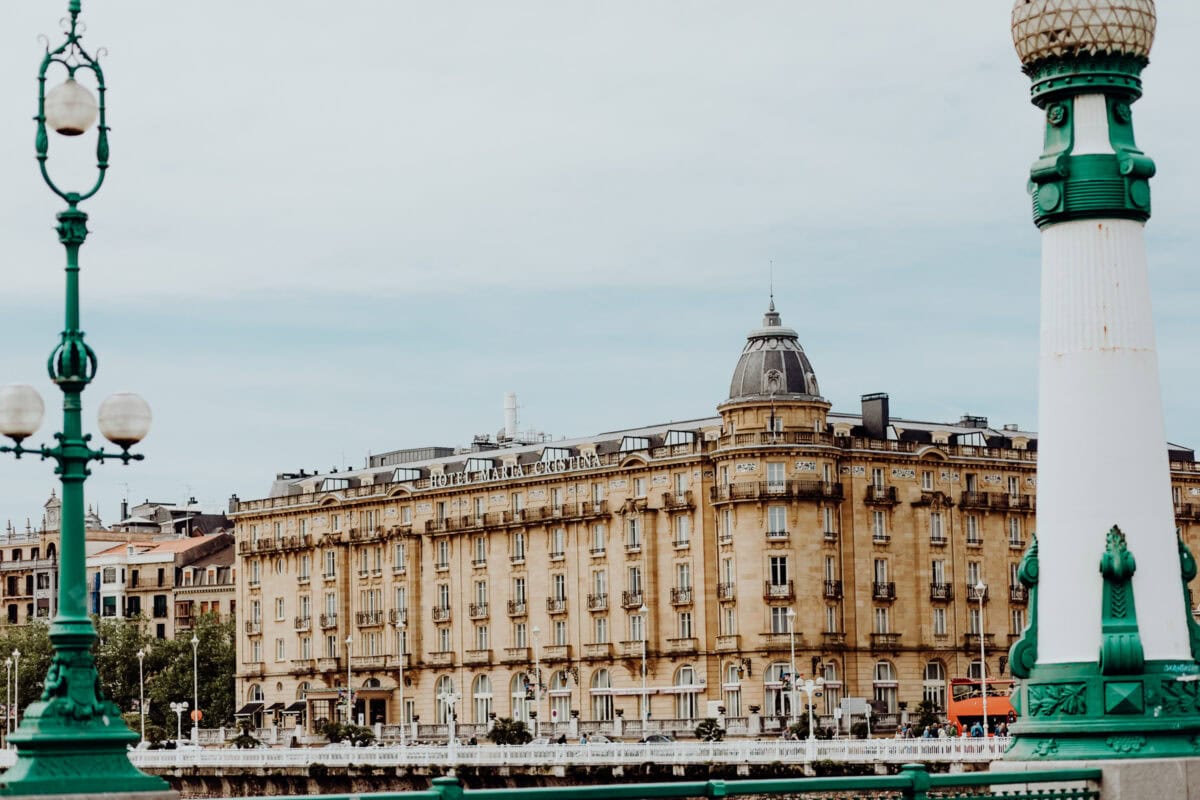
    San Sebastián, or Donostia as it is known in Basque (officially it is also called Donostia-San Sebastián), has some real highlights to offer. You might even be reminded of one or two spas: No wonder, as the Queen of Spain chose San Sebastián as her summer residence at the end of the 19th century, laying the foundations for the social boom. Numerous buildings from this period still adorn San Sebastián today and make it one of the most beautiful cities in Spain.

    Historical building and lampposts in city view.

    1. Old Town (Parte Vieja)

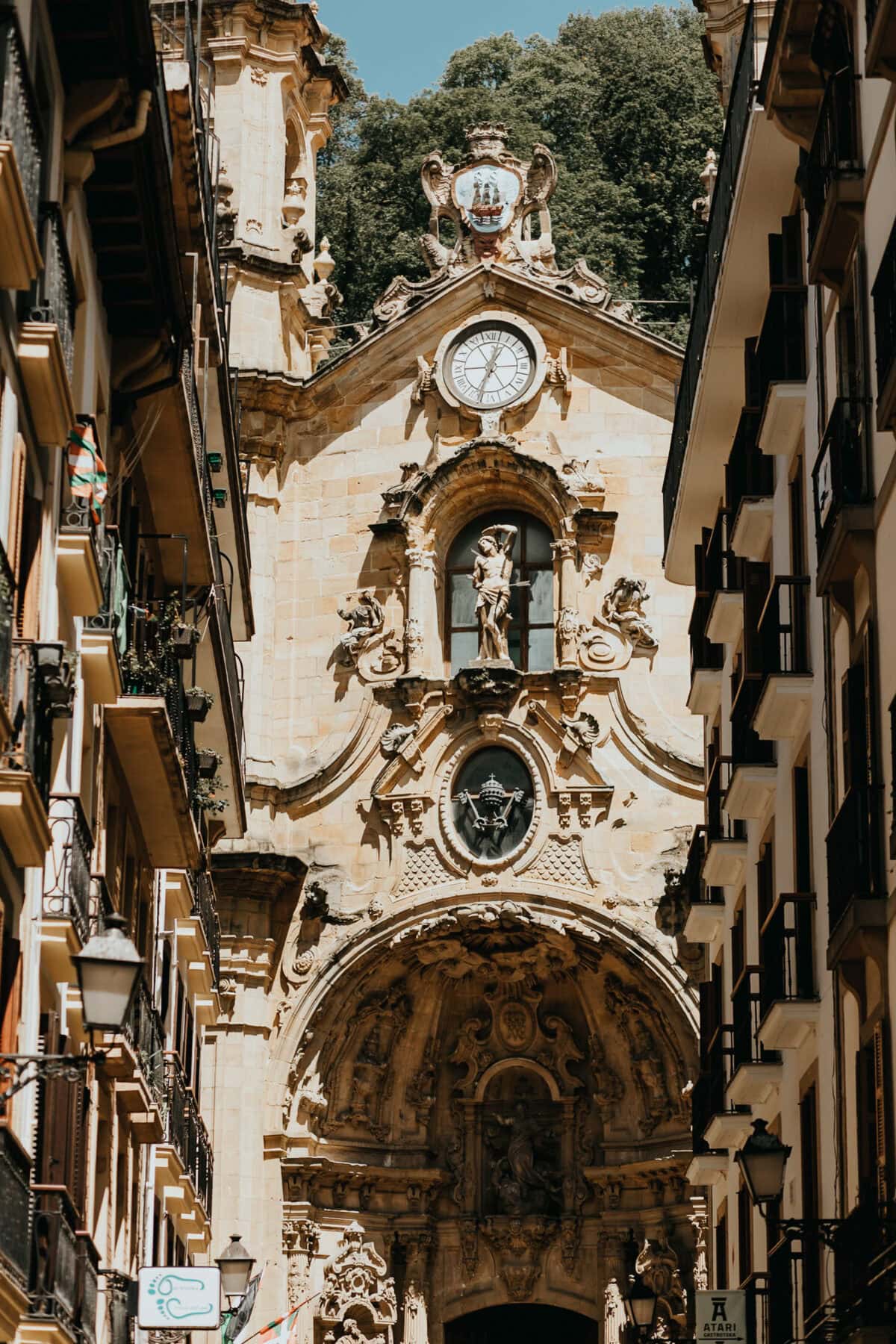
    The Old Town is the heart of San Sebastián. Narrow streets, historic buildings and countless pintxo bars give it its charm. In the middle of it you will find the impressive Basilica de Santa María del Coro and, somewhat hidden, the central Plaza de la Constitución, which is surrounded by arcades and small restaurants.

    Baroque church facade with clock in San Sebastián Old Town
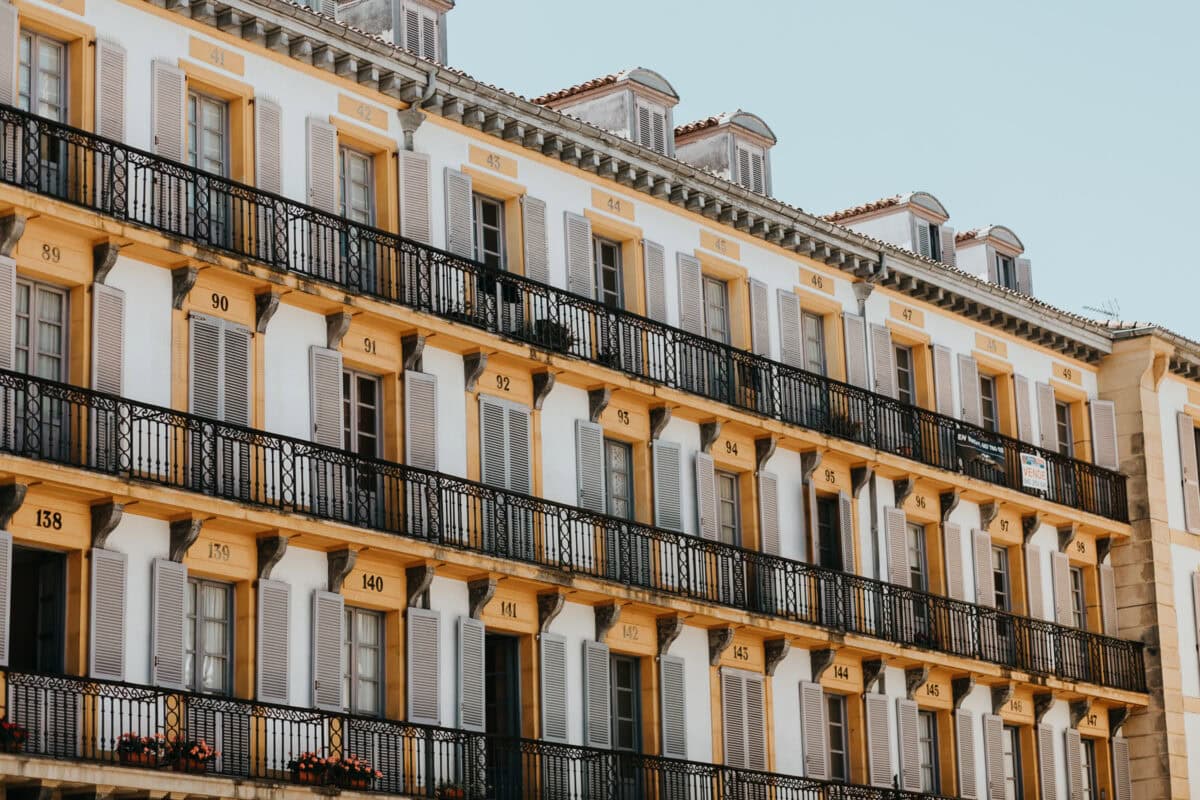
    Classic French building facade with balconies and shutters
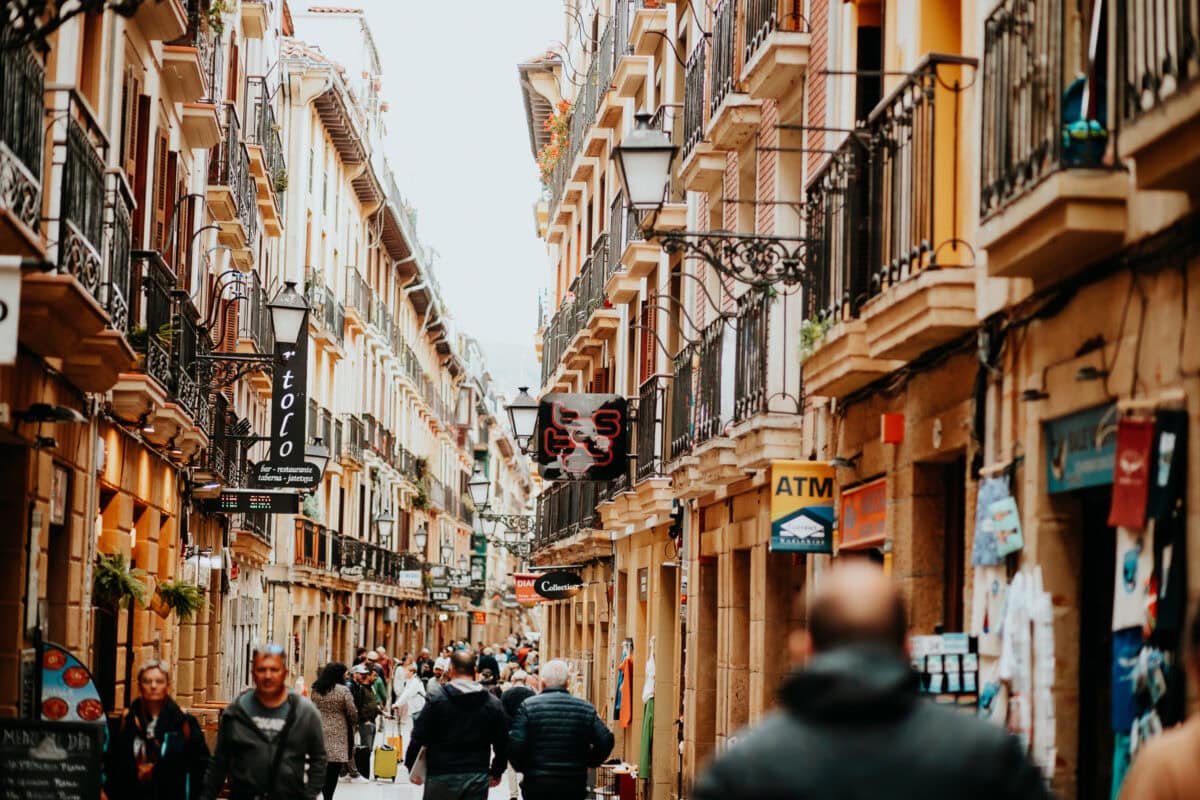
    Lively Old Town shopping street in San Sebastián with passersby

    2. Playa de la Concha & Ondarreta

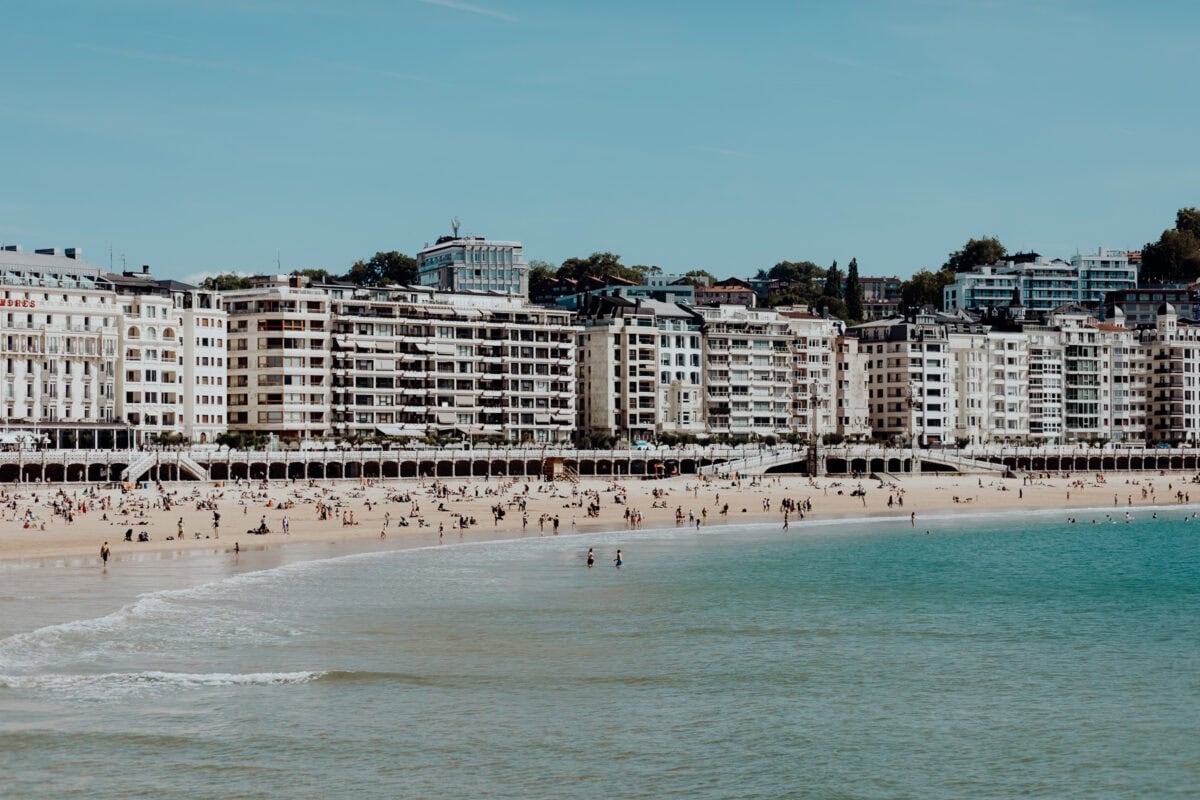
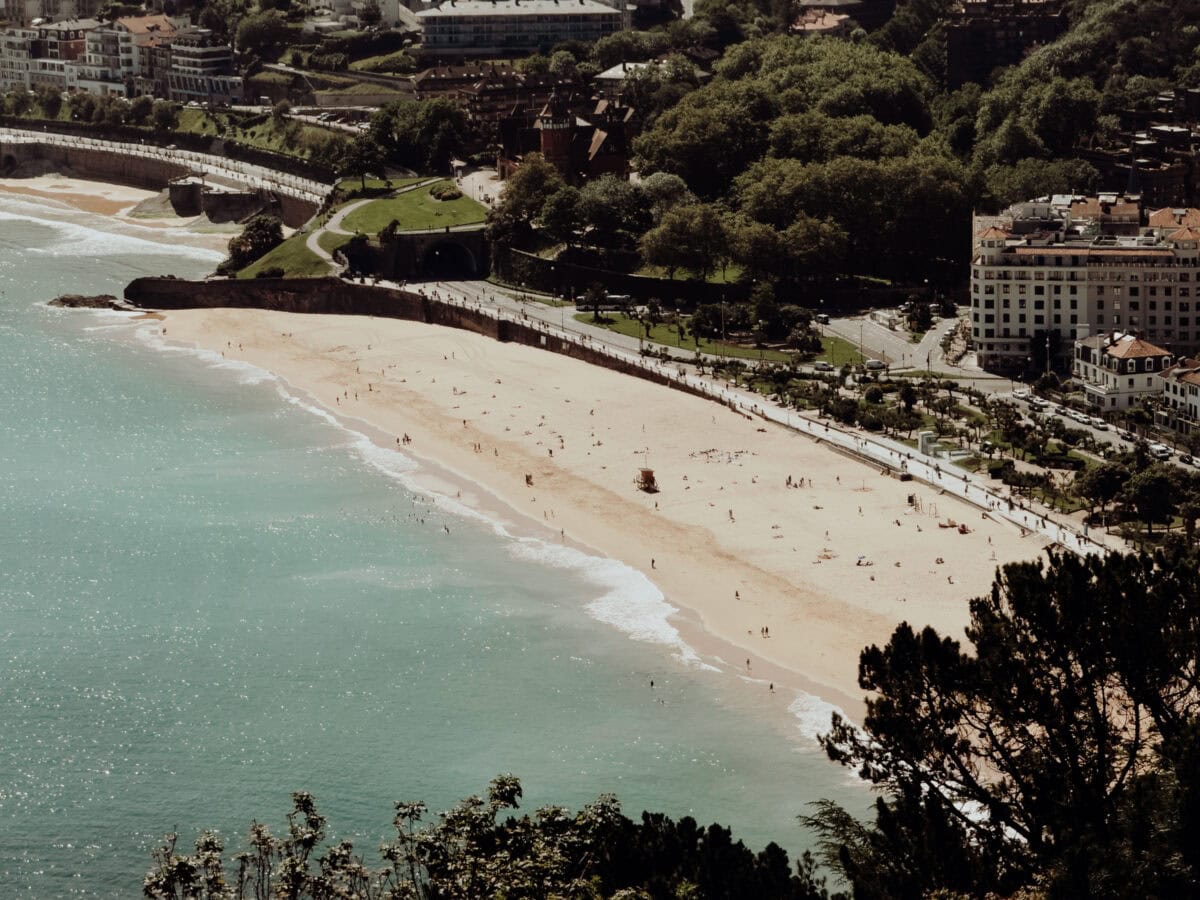
    With the Playa de la Concha, San Sebastián has an impressive city beach. According to various beach rankings, the crescent-shaped bay of La Concha with its fine sand and turquoise blue water is one of the most beautiful beaches in the world. As a beach fan, La Concha has long been on my bucket list and I was not disappointed.

    Lively city beach with white buildings and turquoise sea
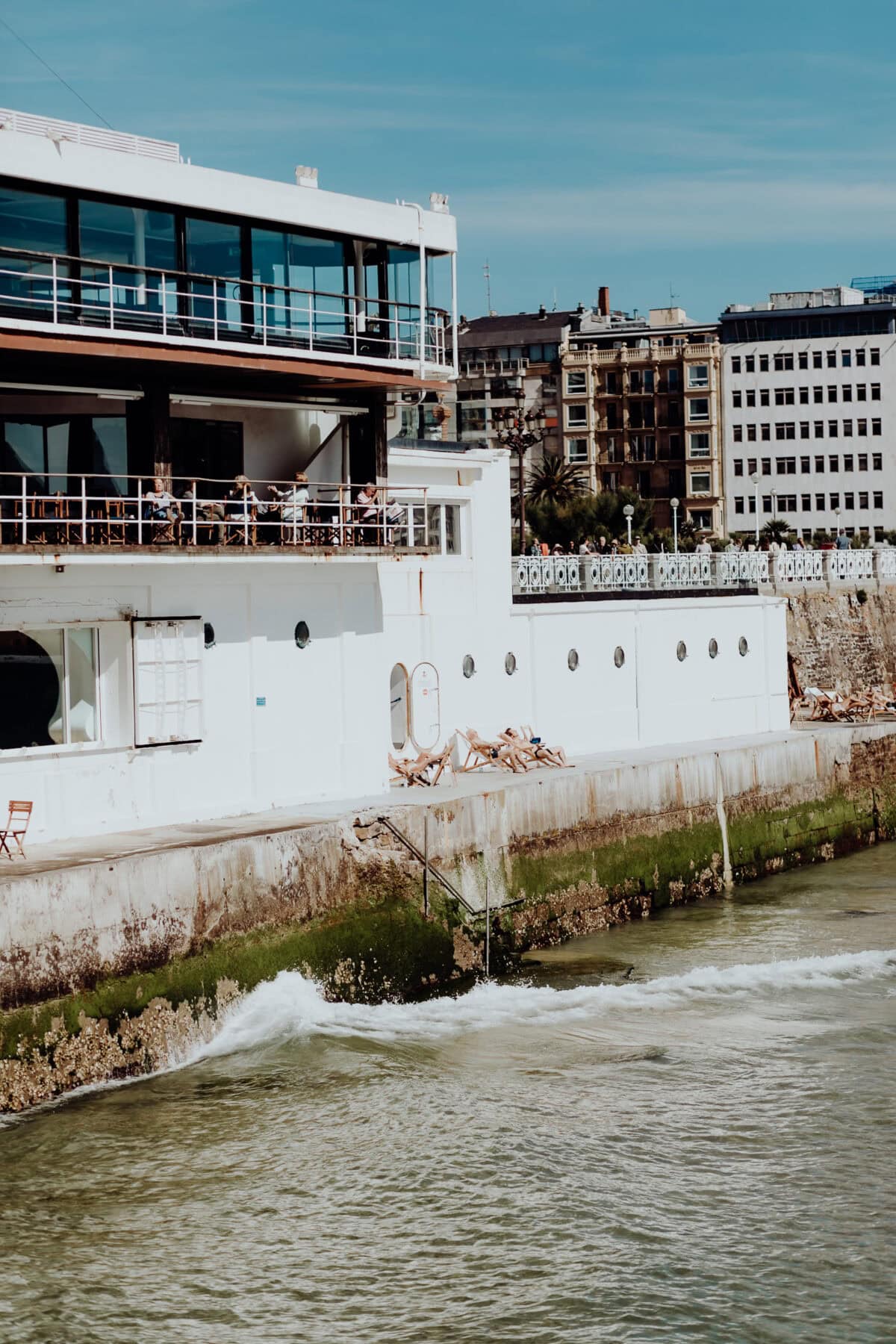
    White building by the water with terrace and sun loungers

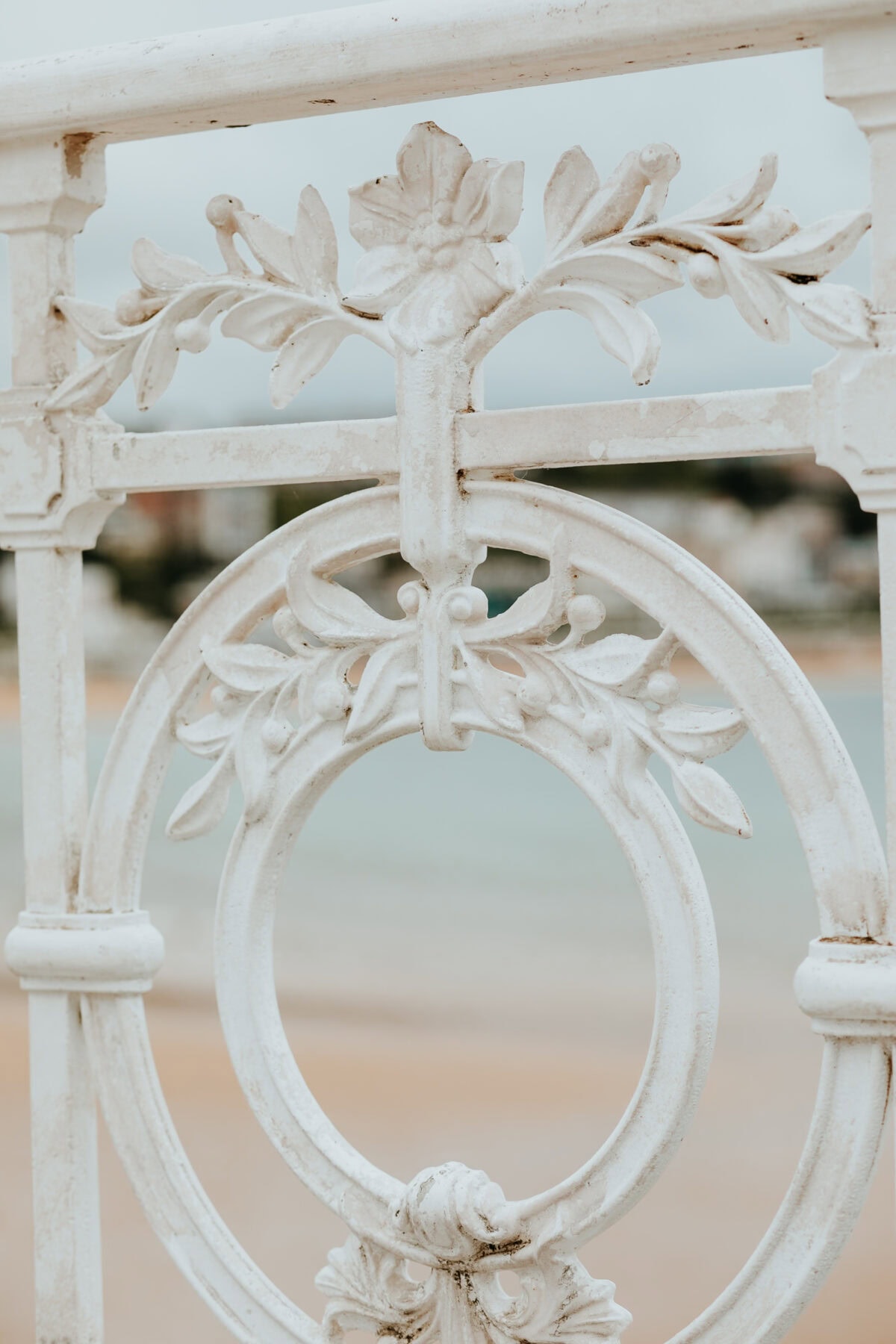
    San Sebastián was the summer residence of the Spanish Queen Maria Christina from the end of the 19th century, and especially along the beach promenade you still have the feeling of being in an elegant spa town like in the old days. The elaborately decorated railing of the promenade with its filigree floral pattern is now one of the city’s landmarks.

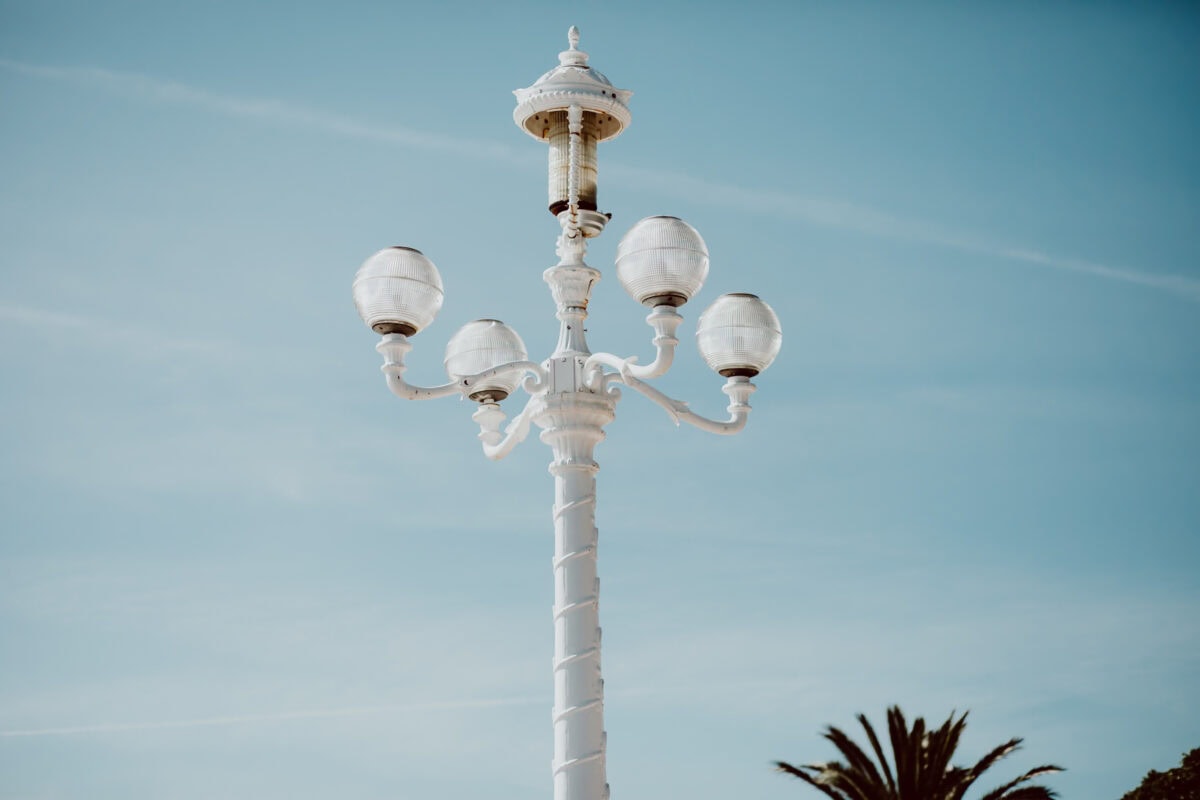
    White historic lamppost with five globe lights against a blue sky
    White ornate wrought-iron railing with floral ornaments by the sea

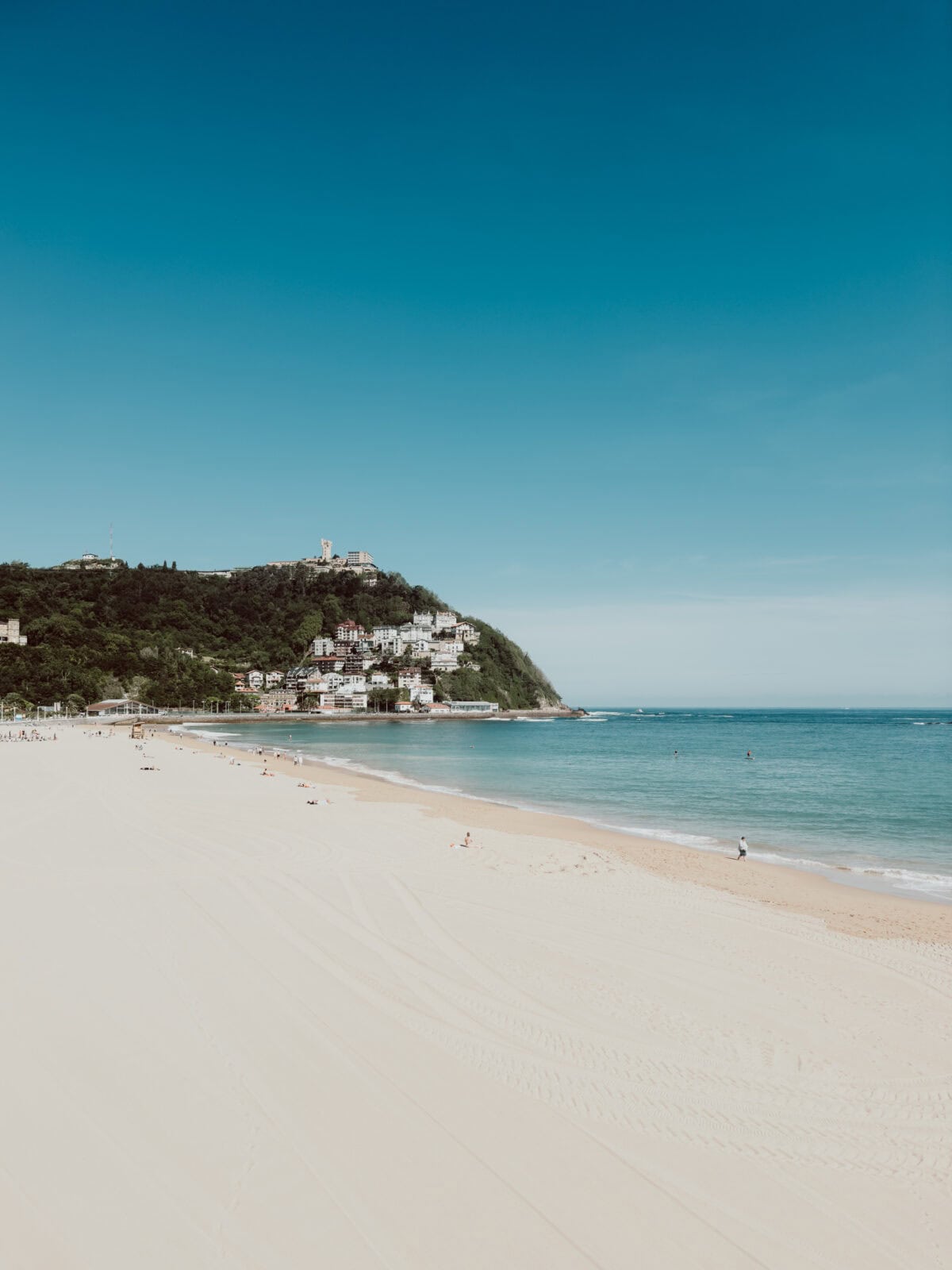
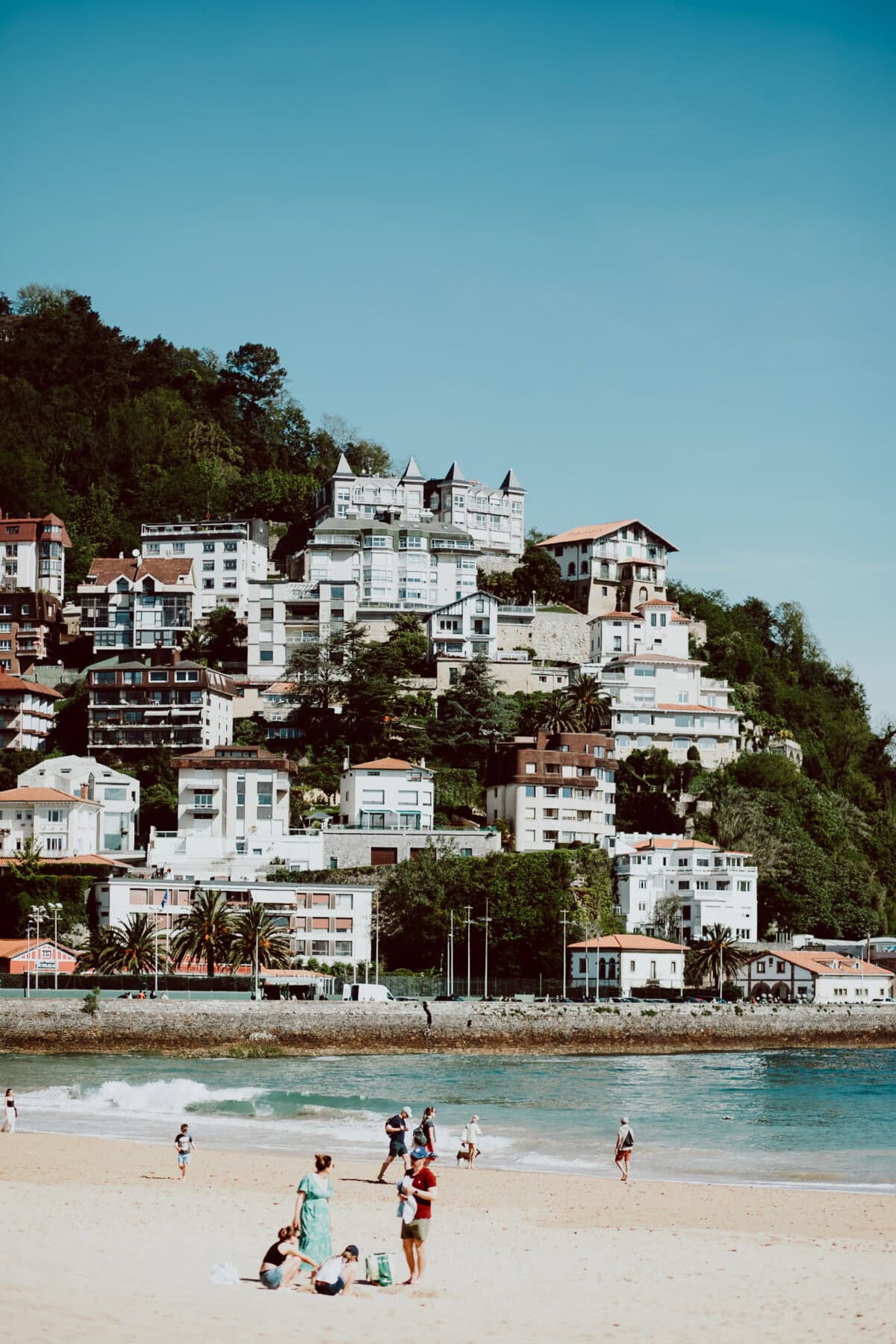
    A little further away from the Old Town is the Playa Ondarreta. The beach here is also wide and beautiful, and the buildings around it are not as high and massive as on the Playa de la Concha. Perfect for chilling out for a few hours and enjoying the unique landscape.

    Expansive sandy beach with hill and village in the background
    Sandy beach with people and white houses on the hill

    3. Monte Urgull

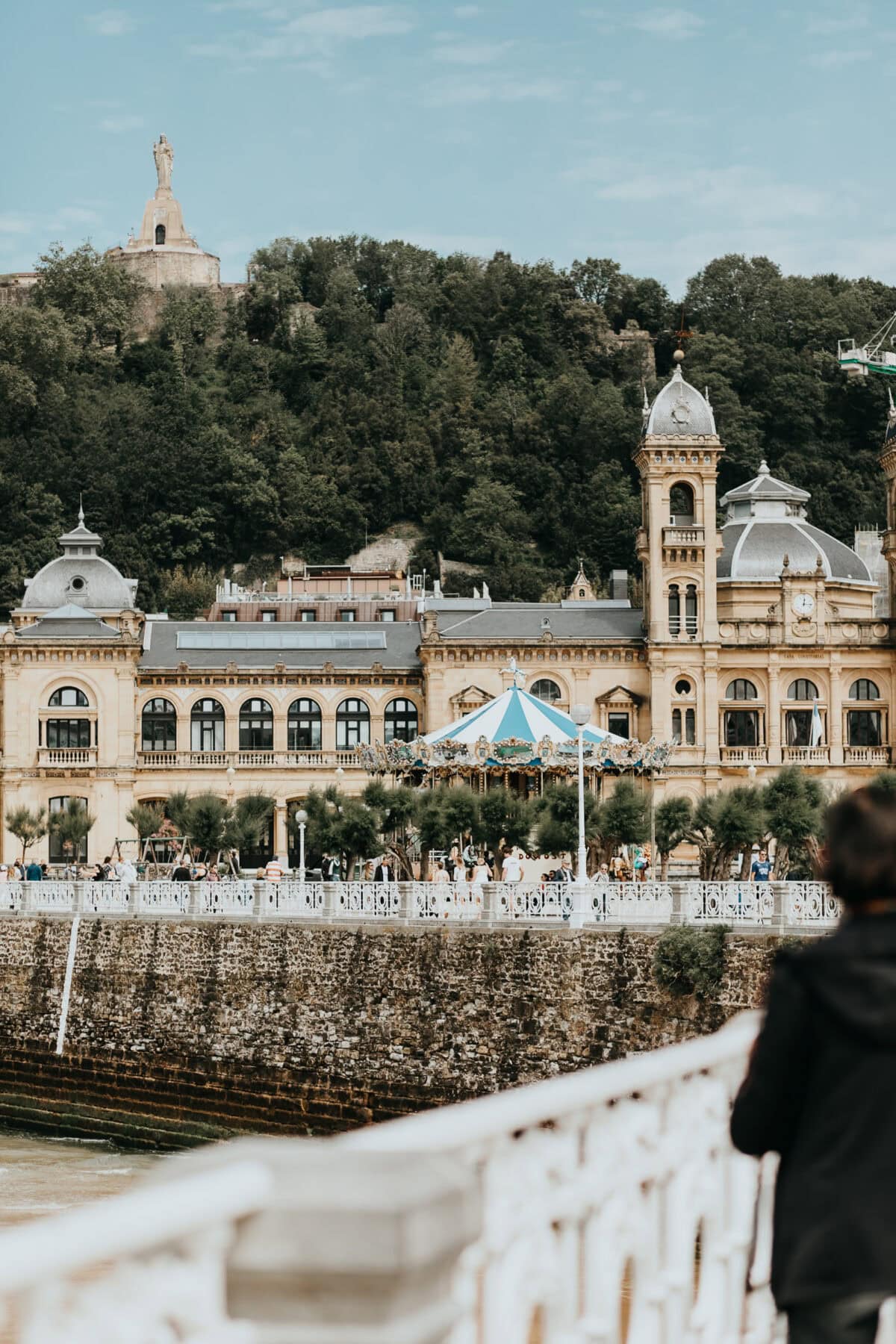
    This hill offers you not only a fantastic view over the city and the bay, but also a piece of history. On the summit is the Castillo de la Mota and the Statue of the Sacred Heart. The ascent is pleasant and you can stop again and again along the way to enjoy the view.

    Historical building with carousel and statue

    4. Monte Igueldo

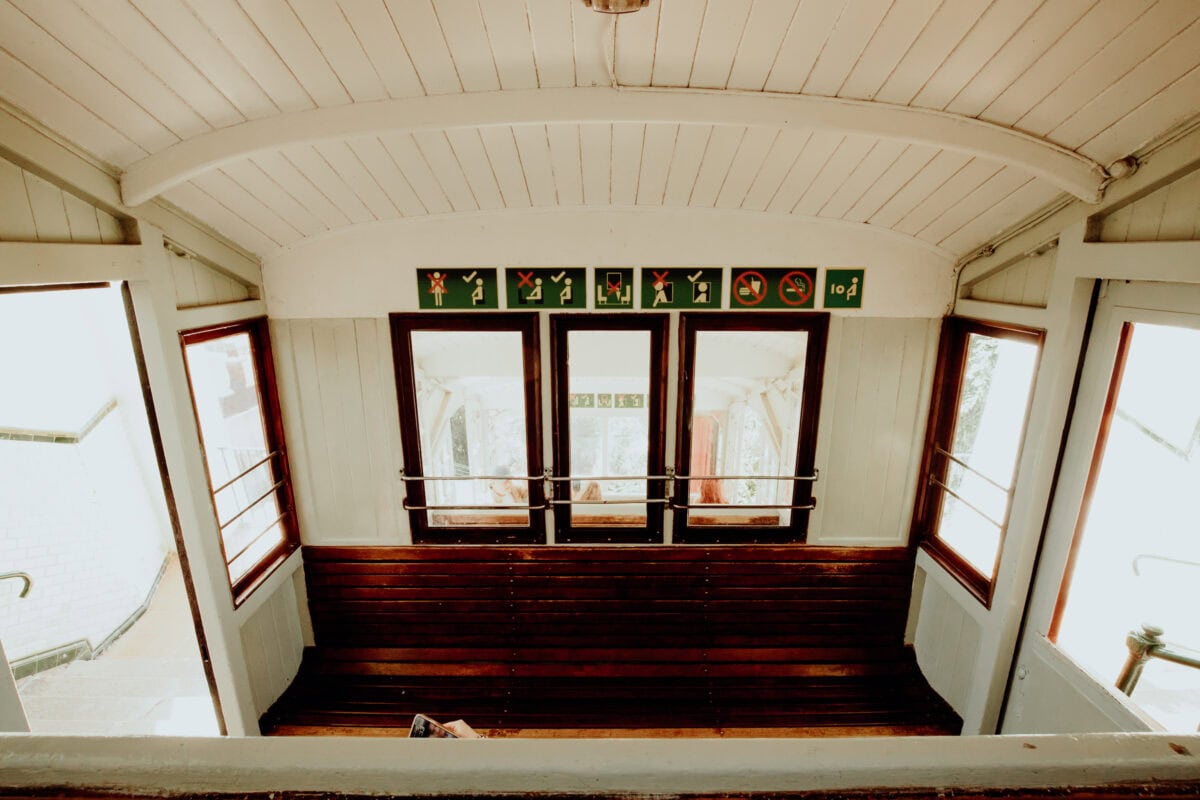
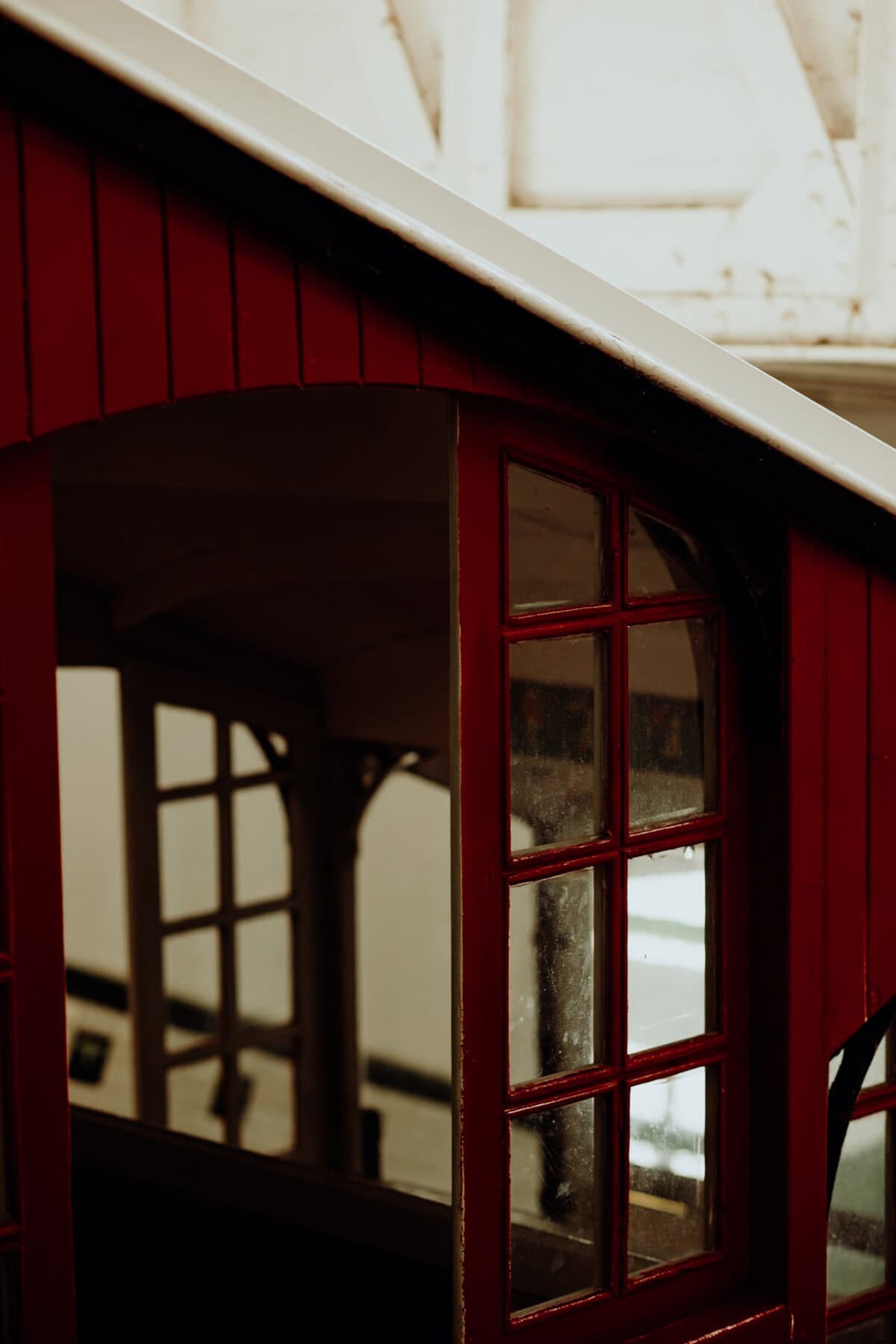
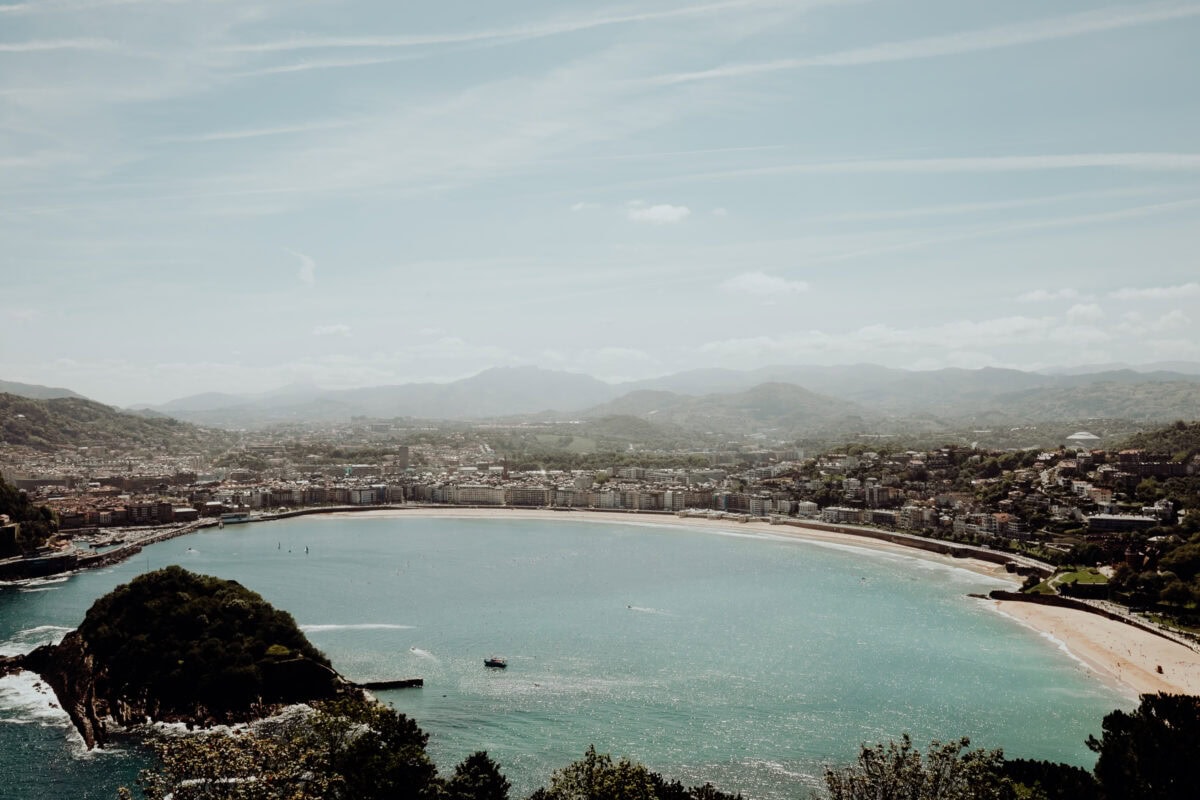
    For an even more spectacular view, you can take the historic funicular to Monte Igueldo. Once at the top, a small amusement park and a view over the entire coast await you.

    Empty wood-paneled cabin with instructions on the wall.
    Red historic streetcar with windows

    The funicular is really well preserved, and you should definitely take a ride on it on your trip to San Sebastián. And the view from Monte Igueldo is fantastic anyway.

    Beach and coast in sunny weather.
    Panoramic view of coastal town and mountains in the background.

    5. Peine del Viento

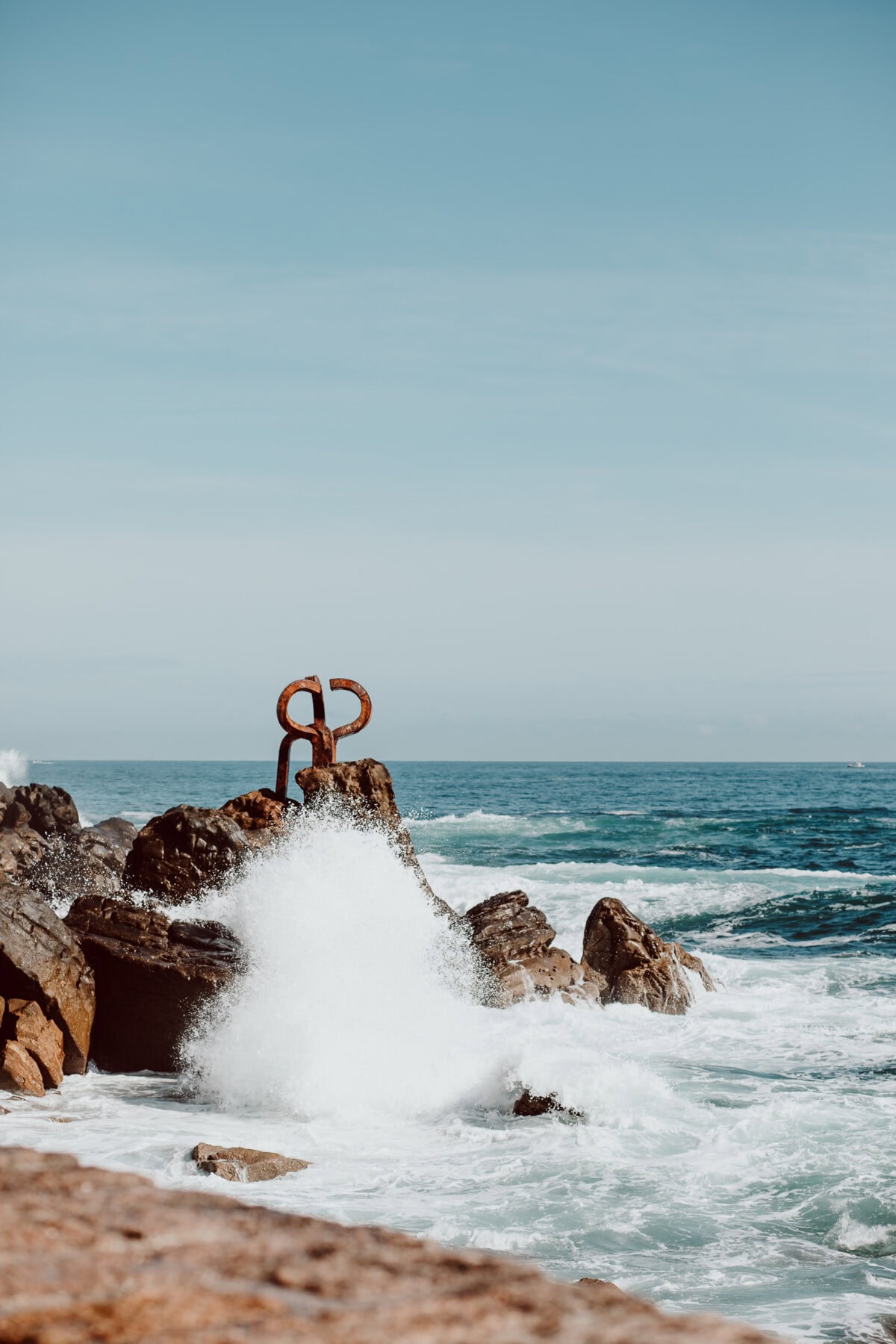
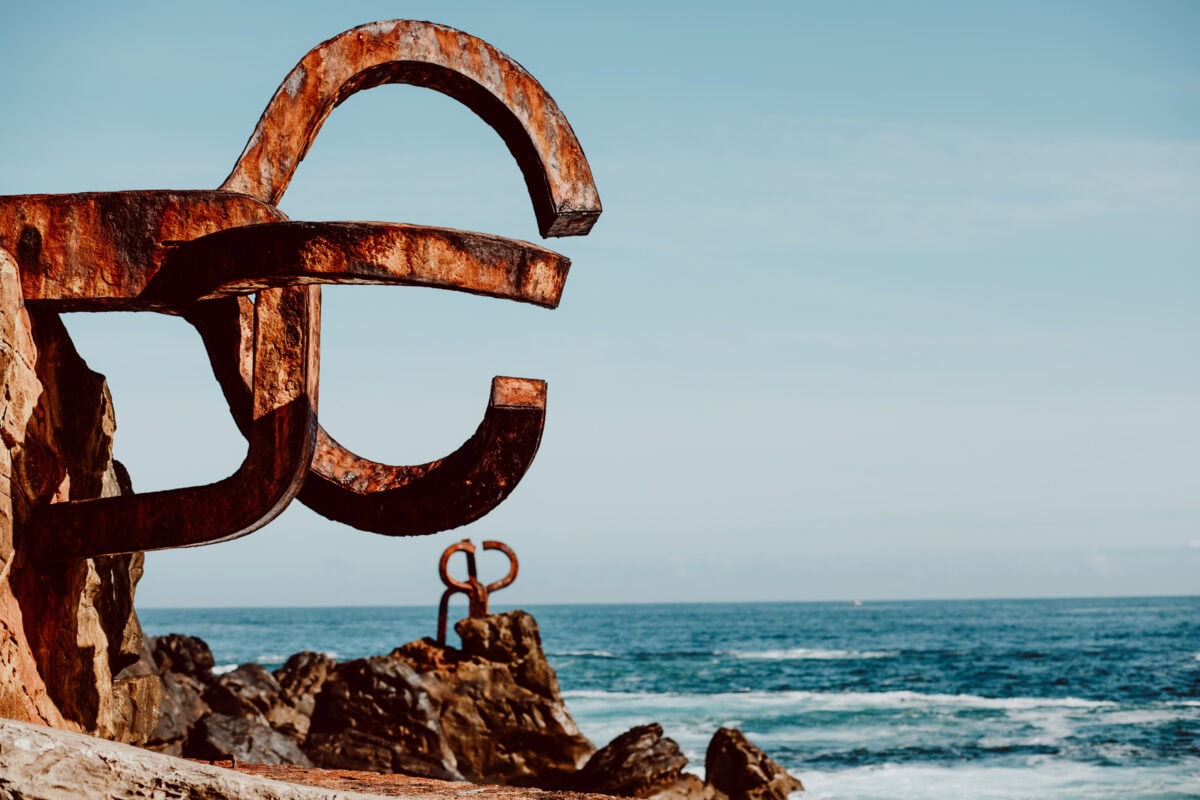
    The modern sculpture “Peine del Viento” by the Basque sculptor Eduardo Chillida is located at the western end of the bay of La Concha. The three gigantic steel sculptures are integrated directly into the rocks and offer a fascinating sight, especially when the waves crash against them.

    Waves break on rocks at a coastal sculpture
    Artwork by the sea with rocks and waves
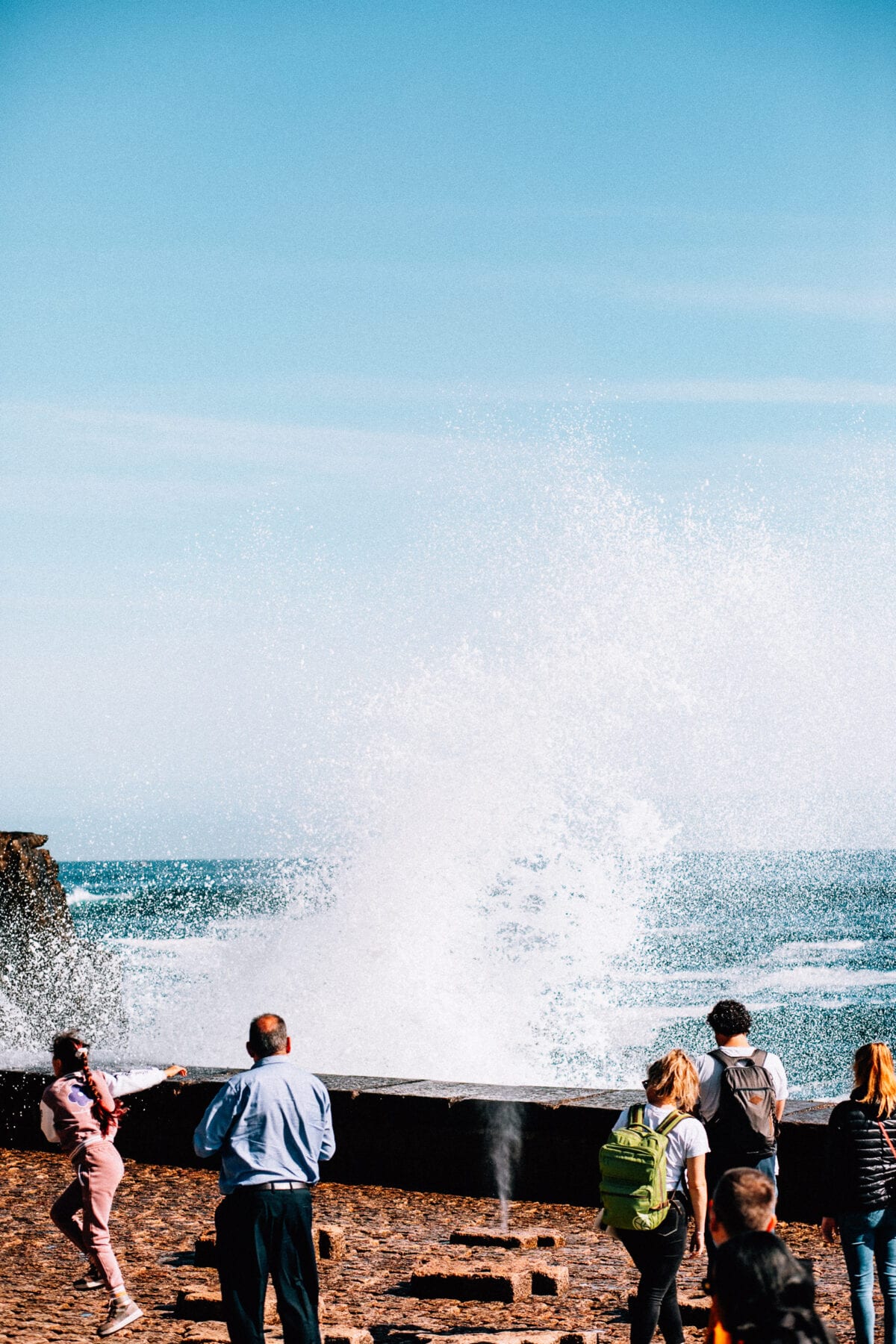
    People watch waves on the shore

    6. Chillida-Leku Sculpture Park

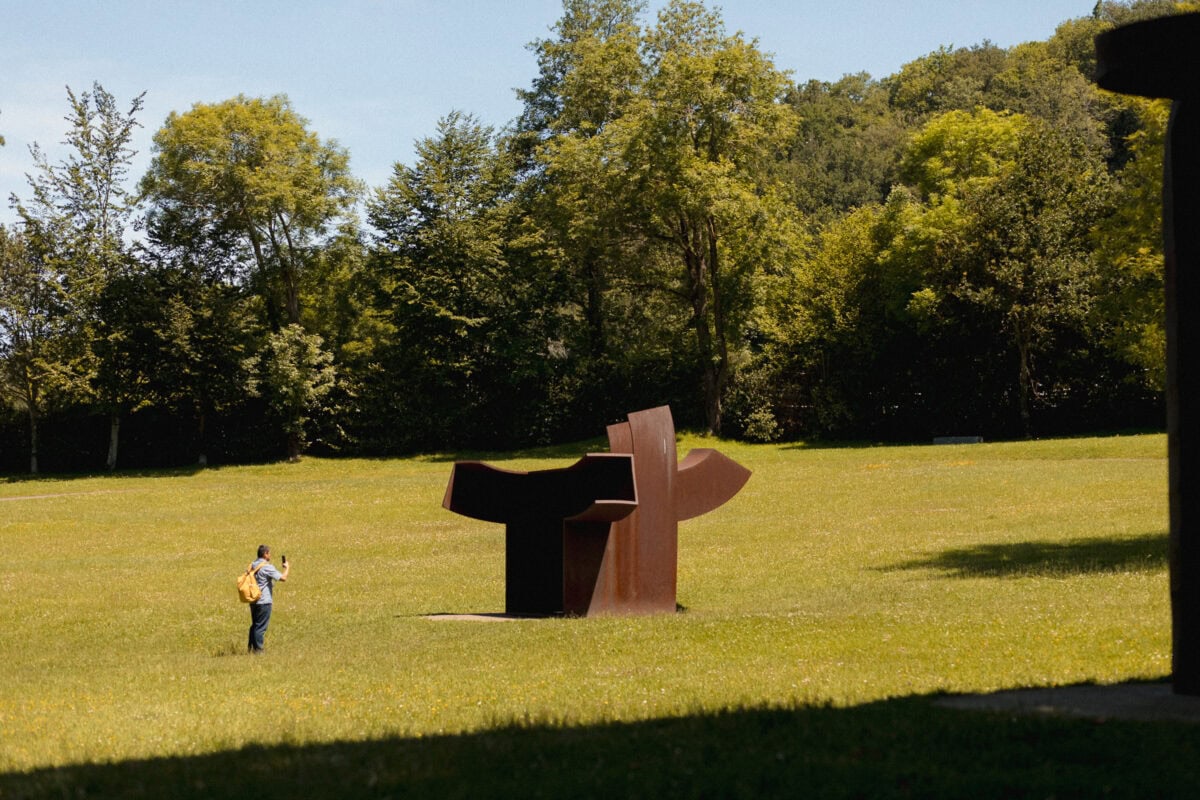
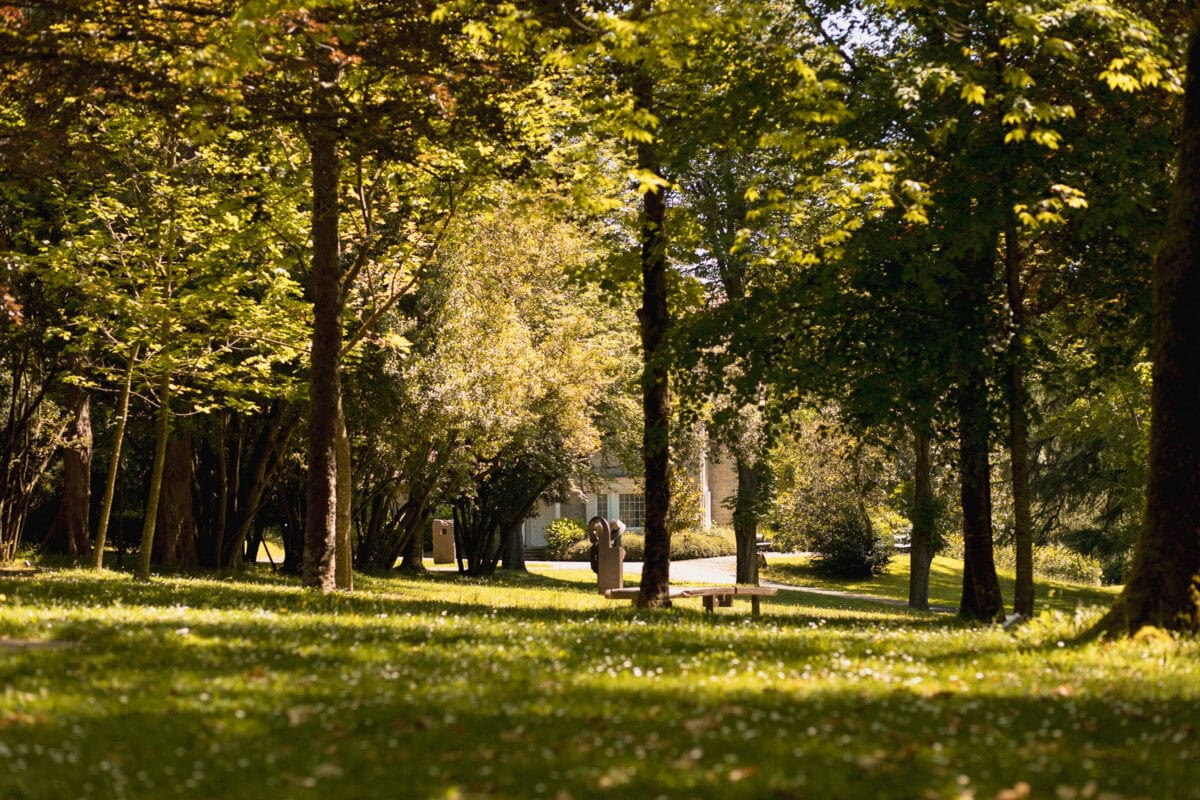
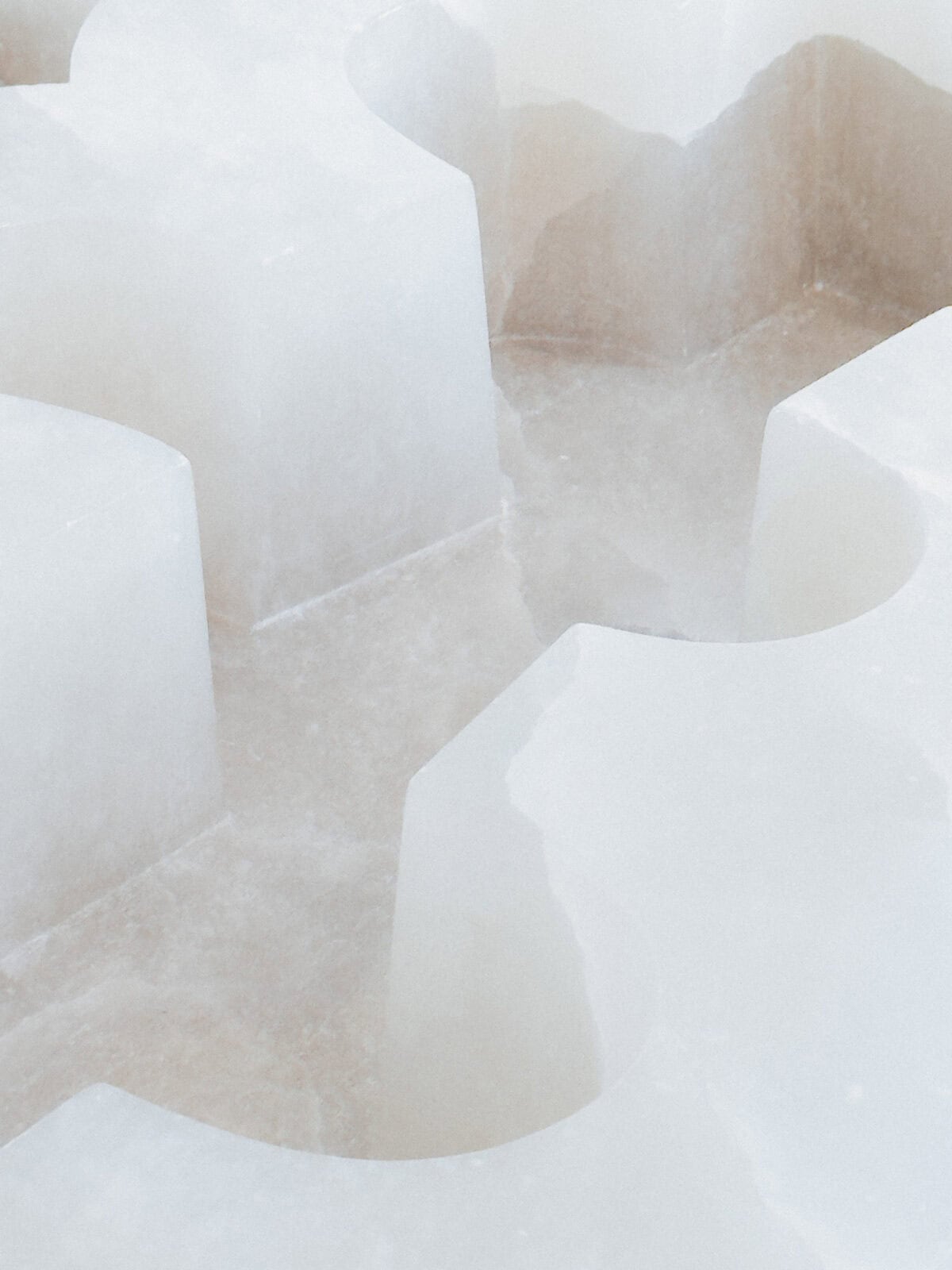
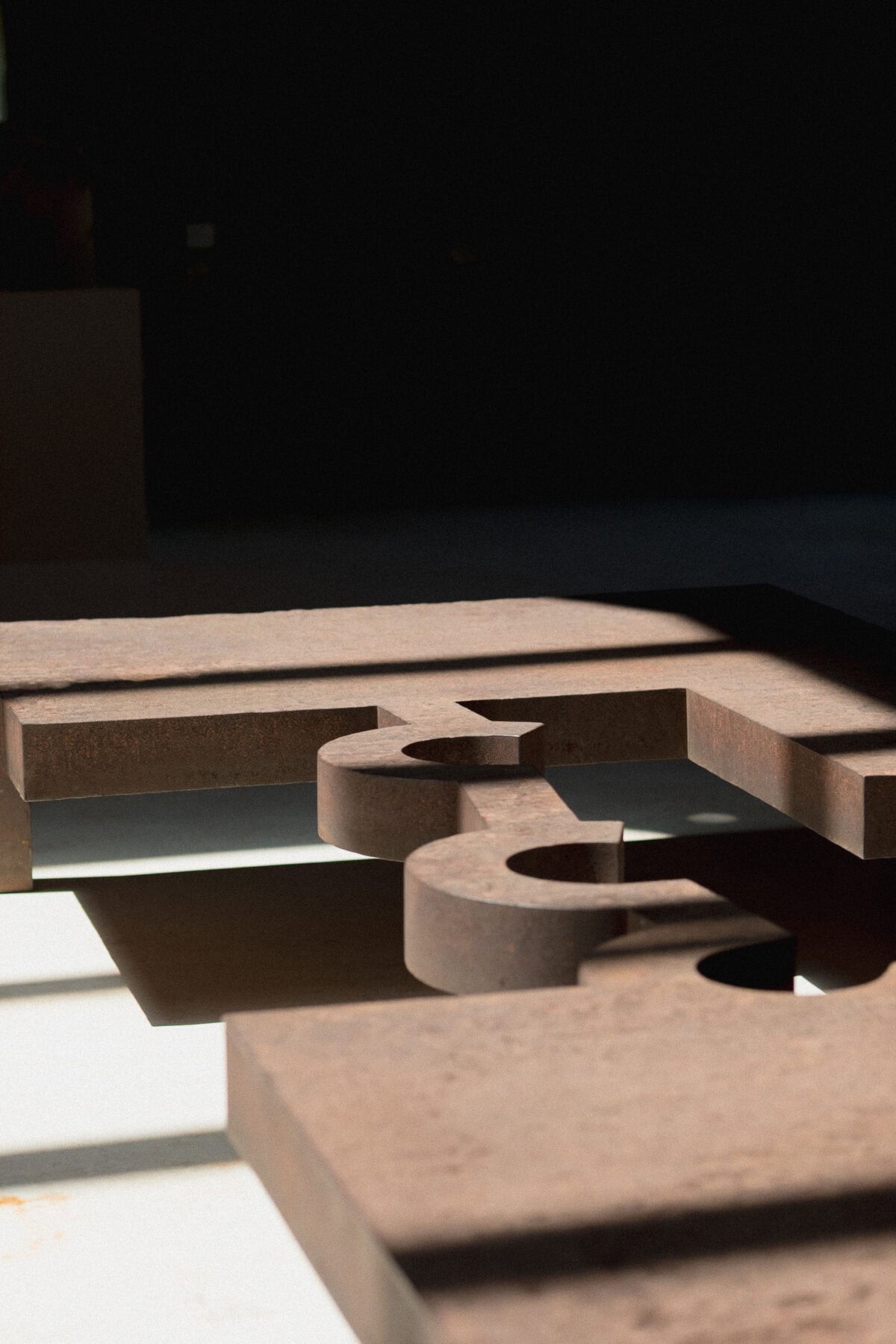
    A little outside of San Sebastián is the sculpture park and museum Chillida-Leku, which is dedicated to the work of Eduardo Chillida. In a beautiful, spacious park you can admire his impressive sculptures in the midst of nature: A place of peace and inspiration.

    You can book your ticket for the Chillida Leku in advance here*

    Person photographing statue in park
    Quiet park with trees and sunshine.
    White marble sculpture with geometric forms by Eduardo Chillida
    Rusty metal structure in sunlight

    7. San Telmo Museoa

    The San Telmo Museoa is a museum for Basque culture and history and is located in an old Dominican monastery and offers an exciting exhibition that ranges from prehistory to the modern age. A visit is worthwhile to get a deeper insight into the regional culture.

    8. Palacio de Miramar

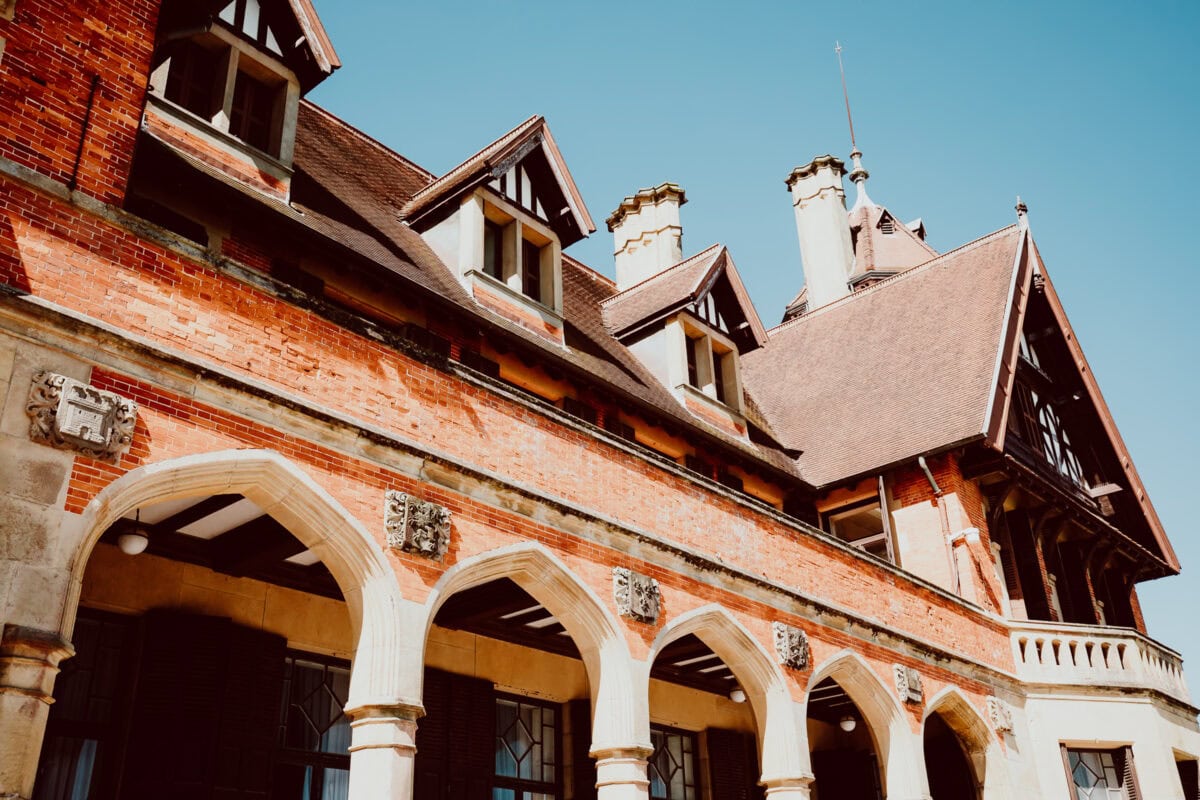
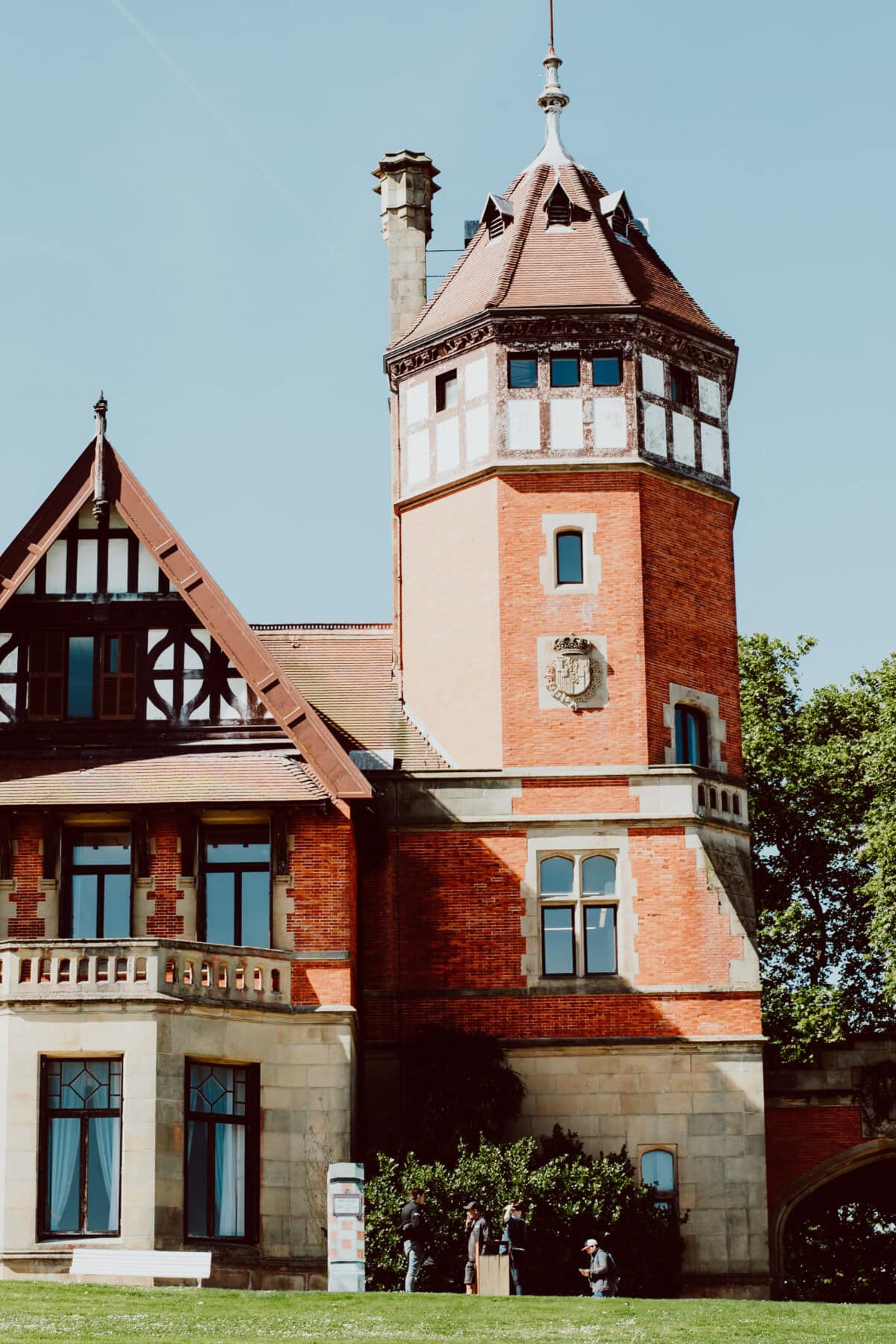
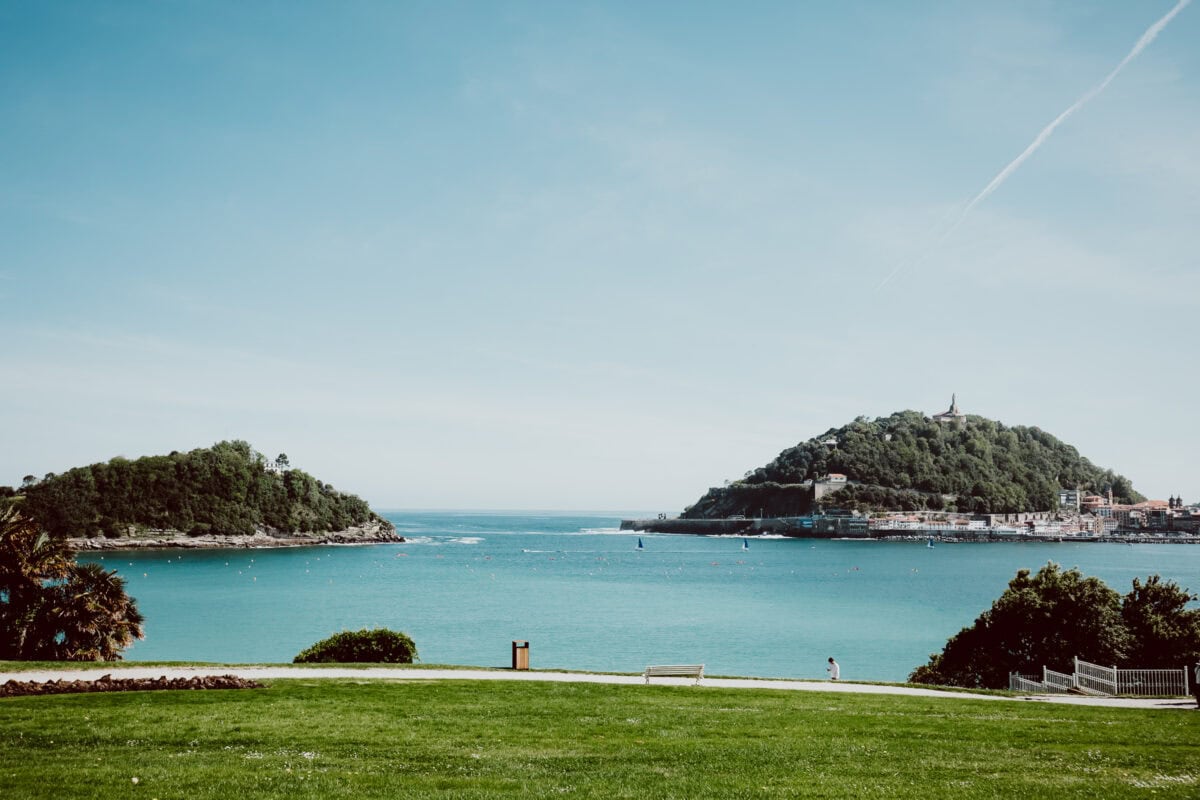
    The royal palace Palacio de Miramar was built at the end of the 19th century for the Spanish royal family. From here you have a wonderful view of the bay of La Concha and feel a bit transported back to the glory days when San Sebastián was an exclusive spa resort for nobles and the wealthy. The surrounding park is perfect for a relaxing walk.

    Historic red brick mansion with Gothic arches
    Historic castle with red brick tower and half-timbering
    Panoramic view of San Sebastián Bay with green hills

    9. Catedral del Buen Pastor

    The neo-Gothic cathedral is the largest religious building in the city. With its high tower and beautiful stained glass windows, it is really striking and is one of the most eye-catching sights in the city.

    10. Plaza Gipuzkoa

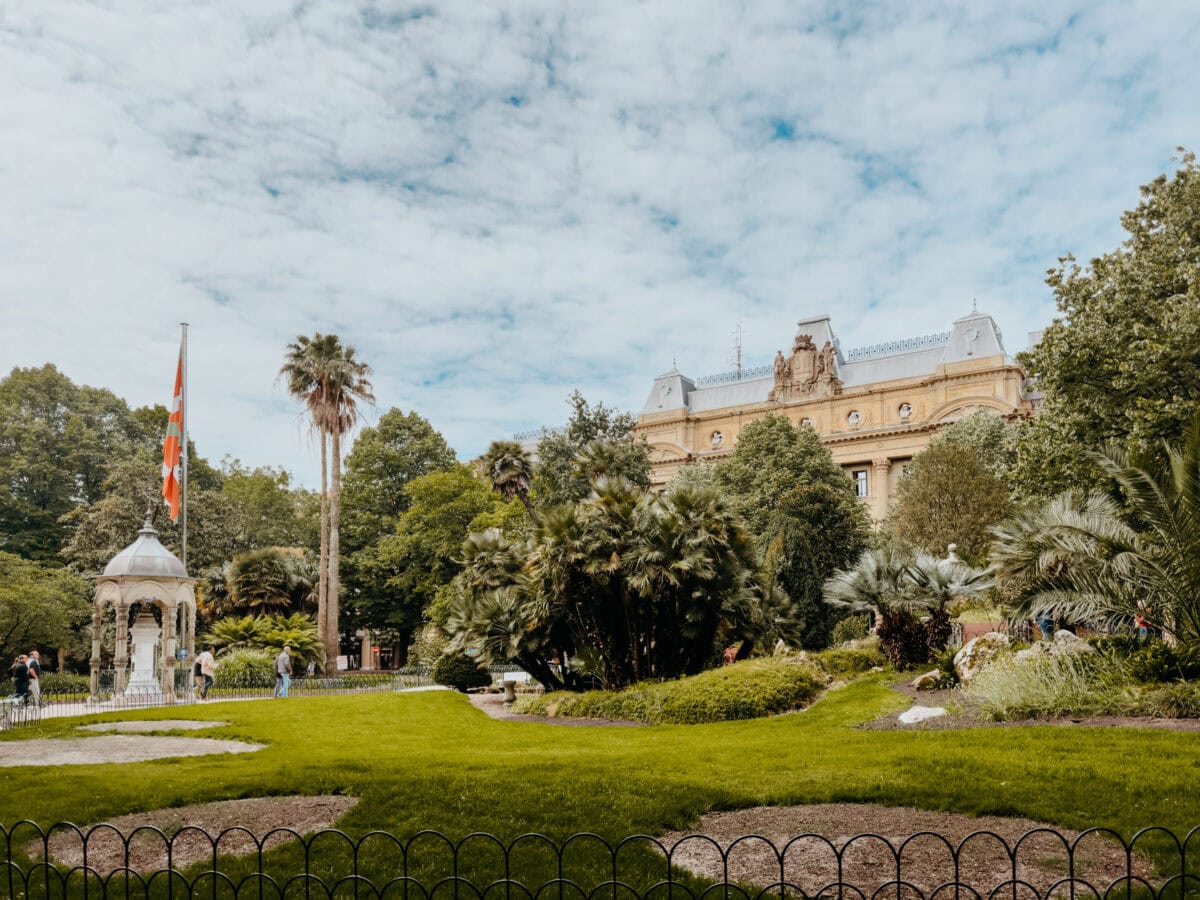
    The centrally located Plaza Gipuzkoa is the green heart of the city. The well-tended gardens are the perfect place to take a break from sightseeing.

    Historical building behind green park with flag.

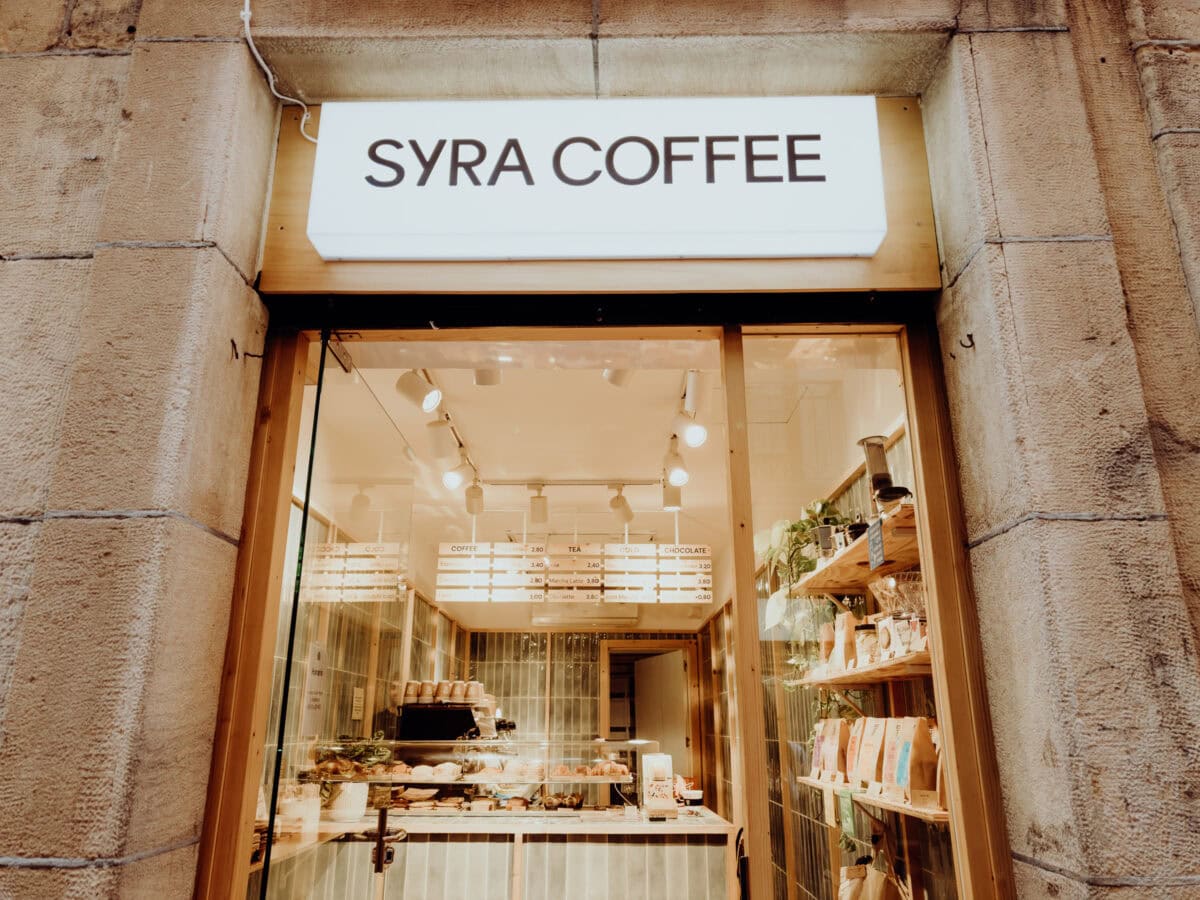
    It’s best to grab a coffee at the adjacent Syra Coffee (unfortunately only to go) and enjoy the charming city life of San Sebastián on one of the park benches. Or you can go a few meters further to the casual Koh Tao, where you can sit for longer.

    The entrance to Syra Coffee in Donostia-San Sebastián, featuring modern decor.

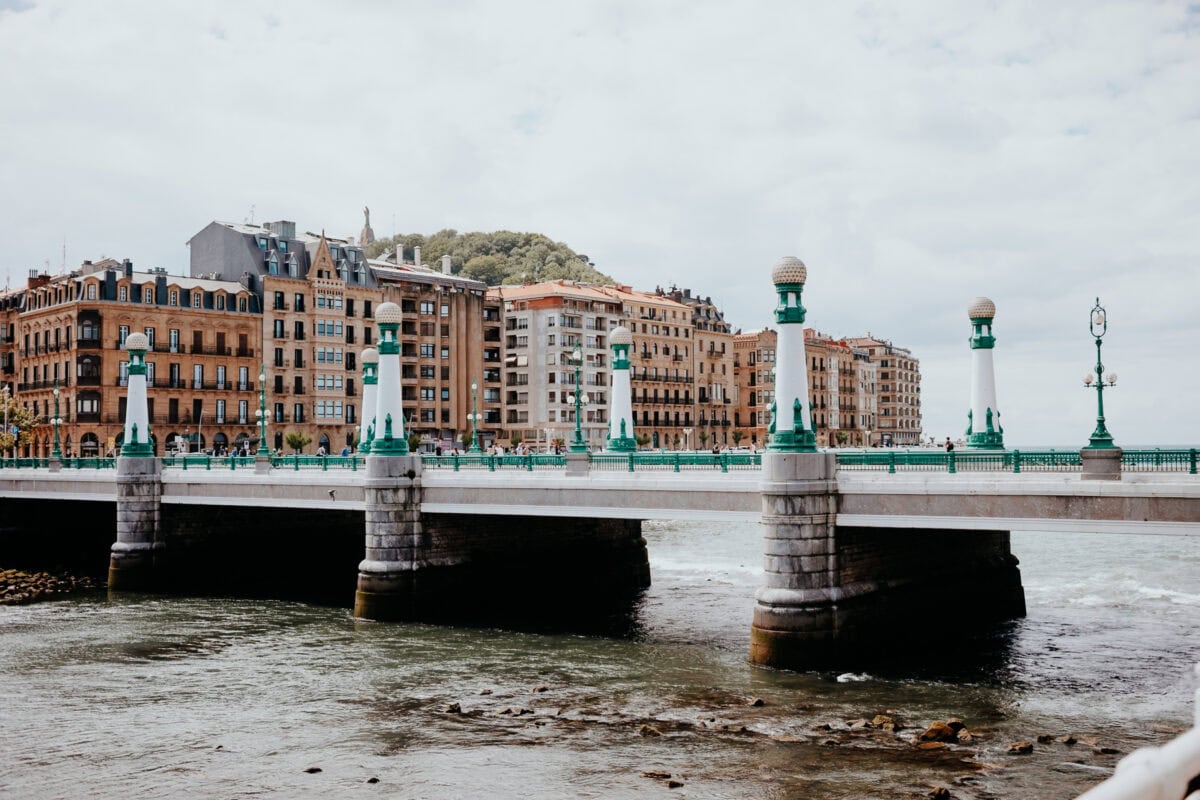
    11. Kursaal Congress Center

    The Kursaal is located just outside the actual center of San Sebastián, but is still within walking distance. It regularly hosts major events and congresses, as well as events as part of the world-famous San Sebastián Film Festival.

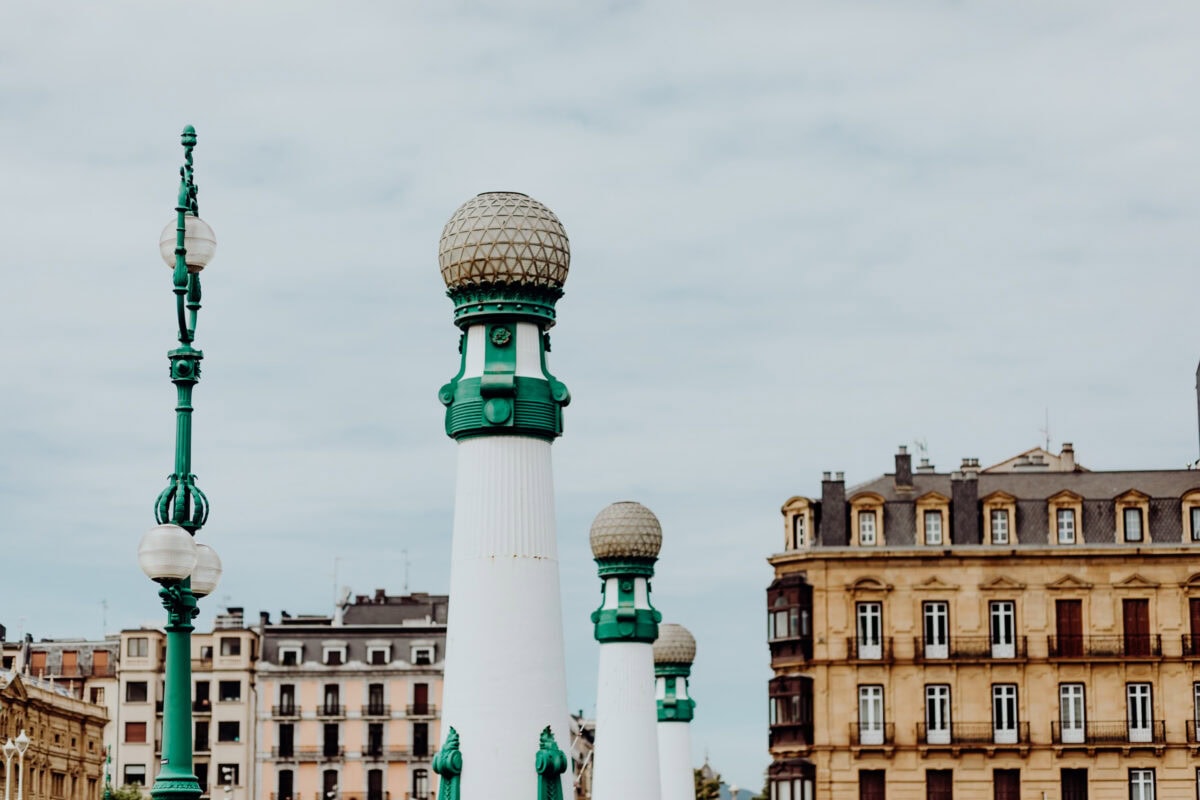
    Green and white bridge piers, historical buildings in the background.
    Bridge with buildings in the background

    Would you like to go south?
    You can find even more great travel destinations in Spain here

    Food & Drink in San Sebastián

    San Sebastián is an absolute paradise for gourmets. The city has the highest density of Michelin stars per square meter in Europe. If your budget doesn’t stretch to star-rated cuisine, you don’t need to worry. Even with a normal wallet you will be able to sample the local specialties fantastically: San Sebastián is considered the cradle of the Pintxo tradition.

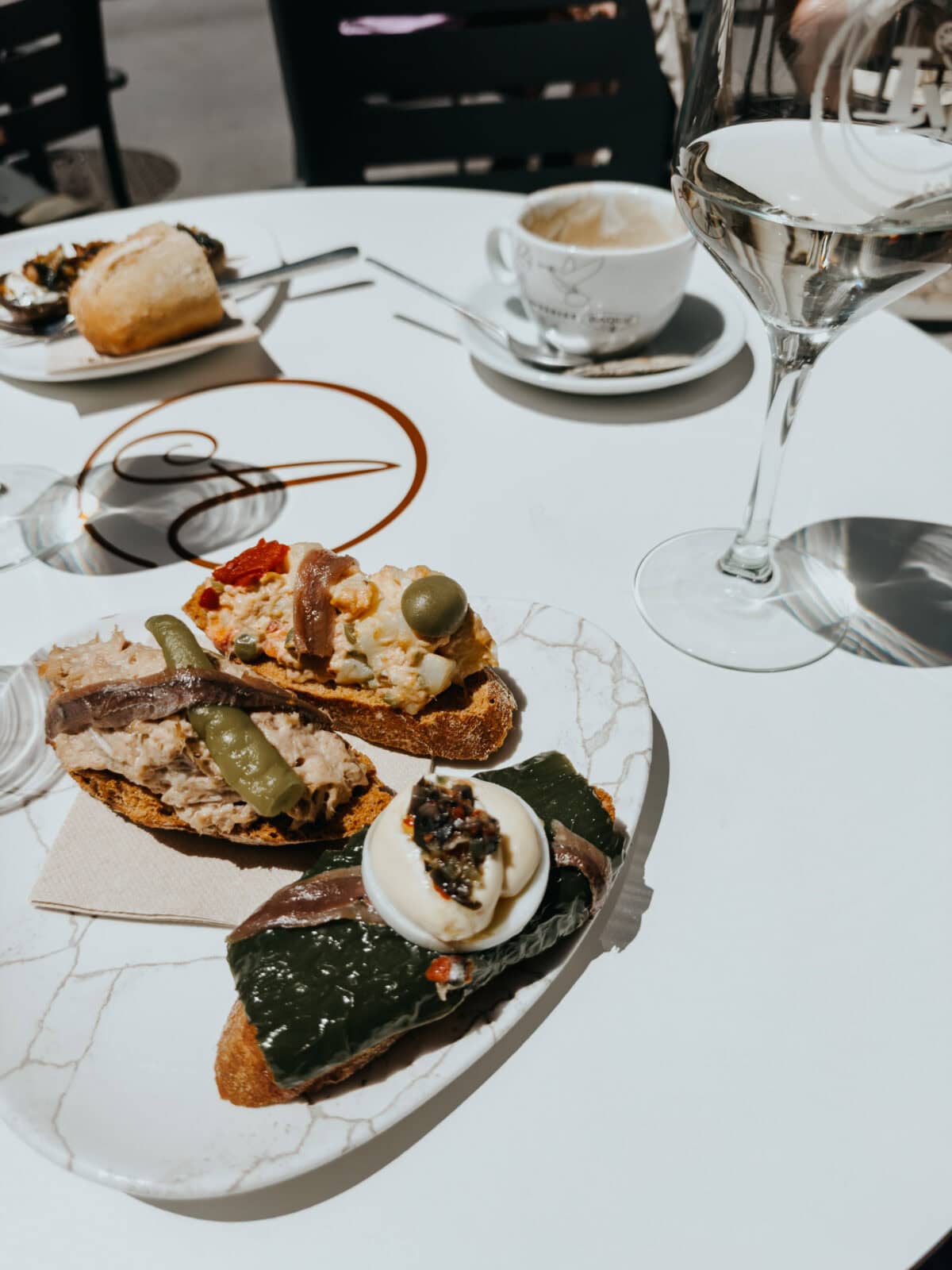
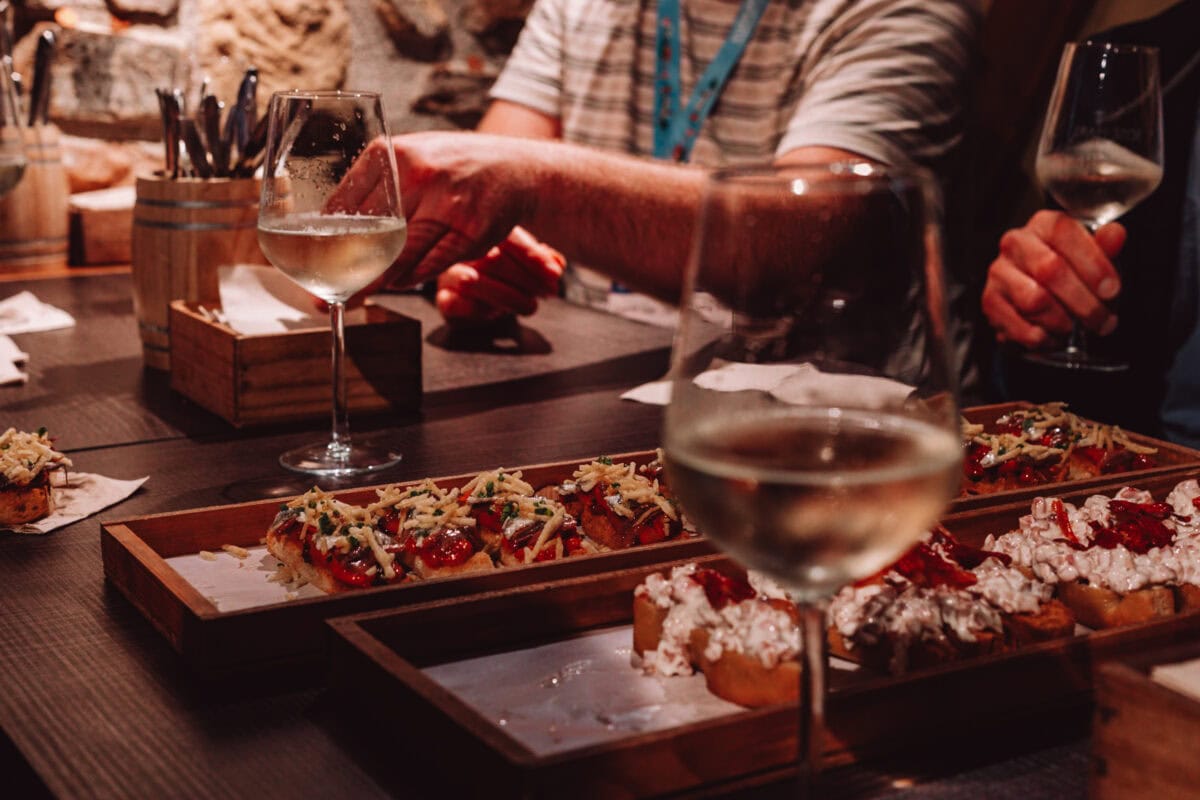
    Tapas and wine on a cafe table.

    On a pintxos tour through the Old Town

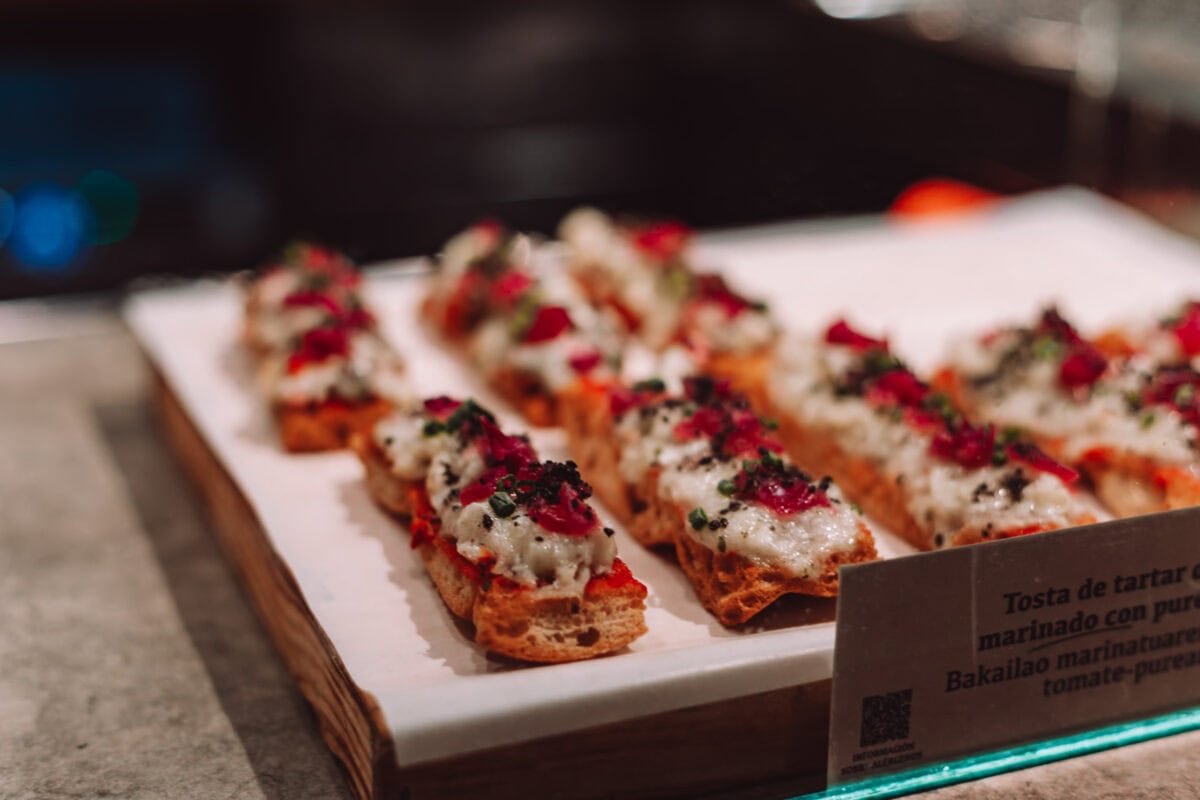
    Pintxos are small snacks that are served like tapas with a drink. You often choose your pintxos at the bar and then have them served at your table. In the old town of San Sebastián, there are many restaurants that have almost elevated their pintxos to an art form, the canapés are so elaborately assembled and presented.

    Tip: If you don’t know where to start because of all the offers, I recommend a food tour through the old town!

    You can book a food tour through the Old Town of San Sebastián here*

    Modern tapas arranged on a tray.
    Wine and tapas on a table

    Txakoli: The perfect wine accompaniment

    Pintxos are perfectly accompanied by a glass of Txakoli (pronounced: Chak-ko-lee); this is a very light, fruity white wine with some carbonation and typical from the Basque Country. Maybe your Txakoli will also be poured in the traditional way: For this, the bottle is stretched high and the wine is swung so vigorously in the glass that it foams up again. A real show!

    Cidre: The sparkling cider with show effect

    Incidentally, cider, a sparkling wine made from apples, is also popular in the region. Like Txakoli, cider is super refreshing, but has a lower alcohol content. I personally like Txakoli much better. The cider I tried everywhere in San Sebastián was too tart for me. But as always, it’s a matter of taste – it’s best to see for yourself and try both!

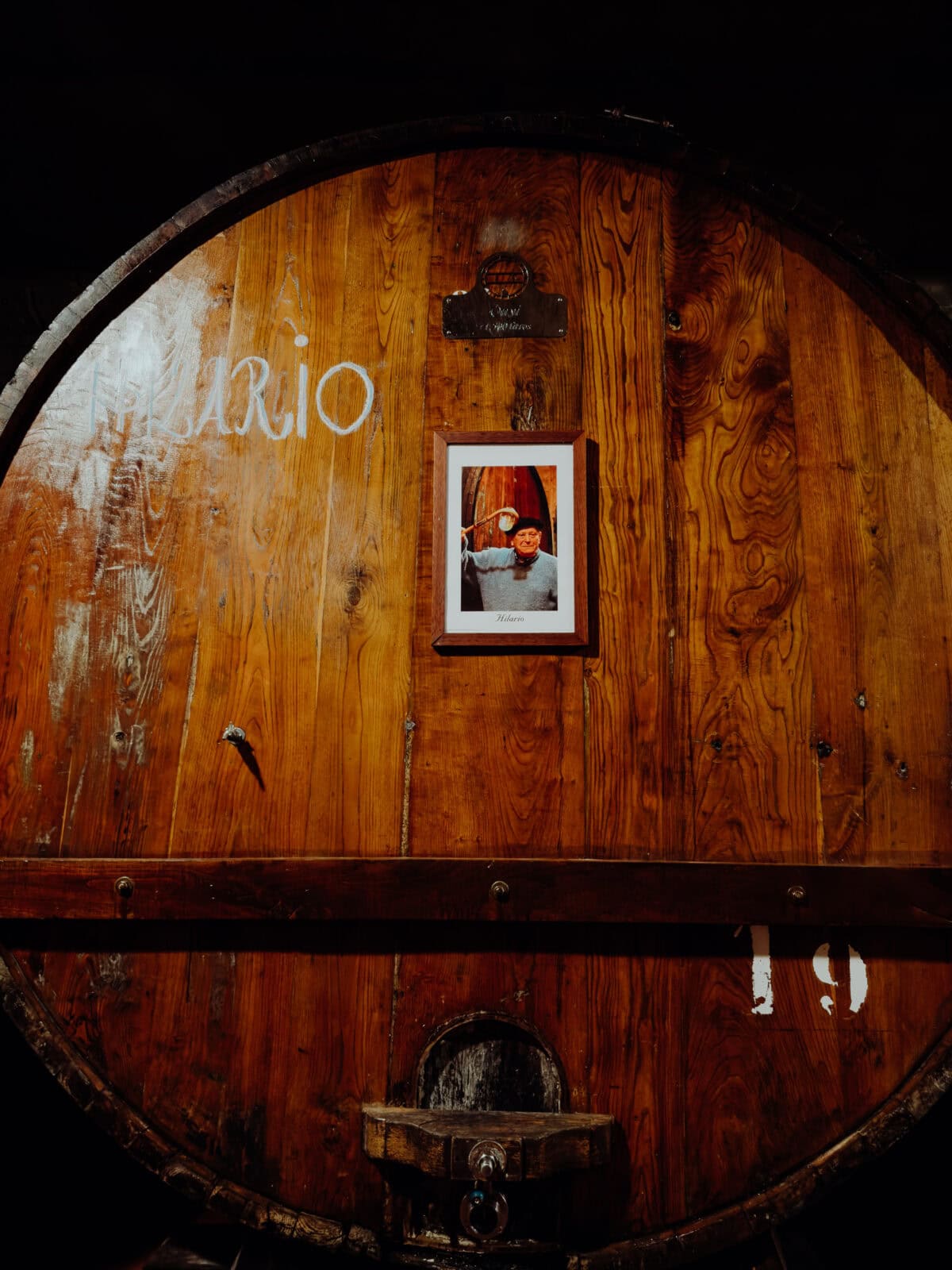
    Large wooden cider barrel decorated with a picture.

    You can get cider in many pubs in the city. But it’s also worth taking a trip to a traditional sidreria such as Petritegi. Here you can experience the entire production process, from growing and harvesting to maturing the cider. Particularly impressive are the large barrels in which the cider is stored and the traditional restaurant, where you can sample other Basque specialties in a rustic atmosphere.
    Tip: These traditional sidrerias are located outside the city. If you are not traveling by car, you can also join a tour. It’s more relaxed anyway, because then you can try the cider at your leisure!

    You can book a tour to a Sidreria here*

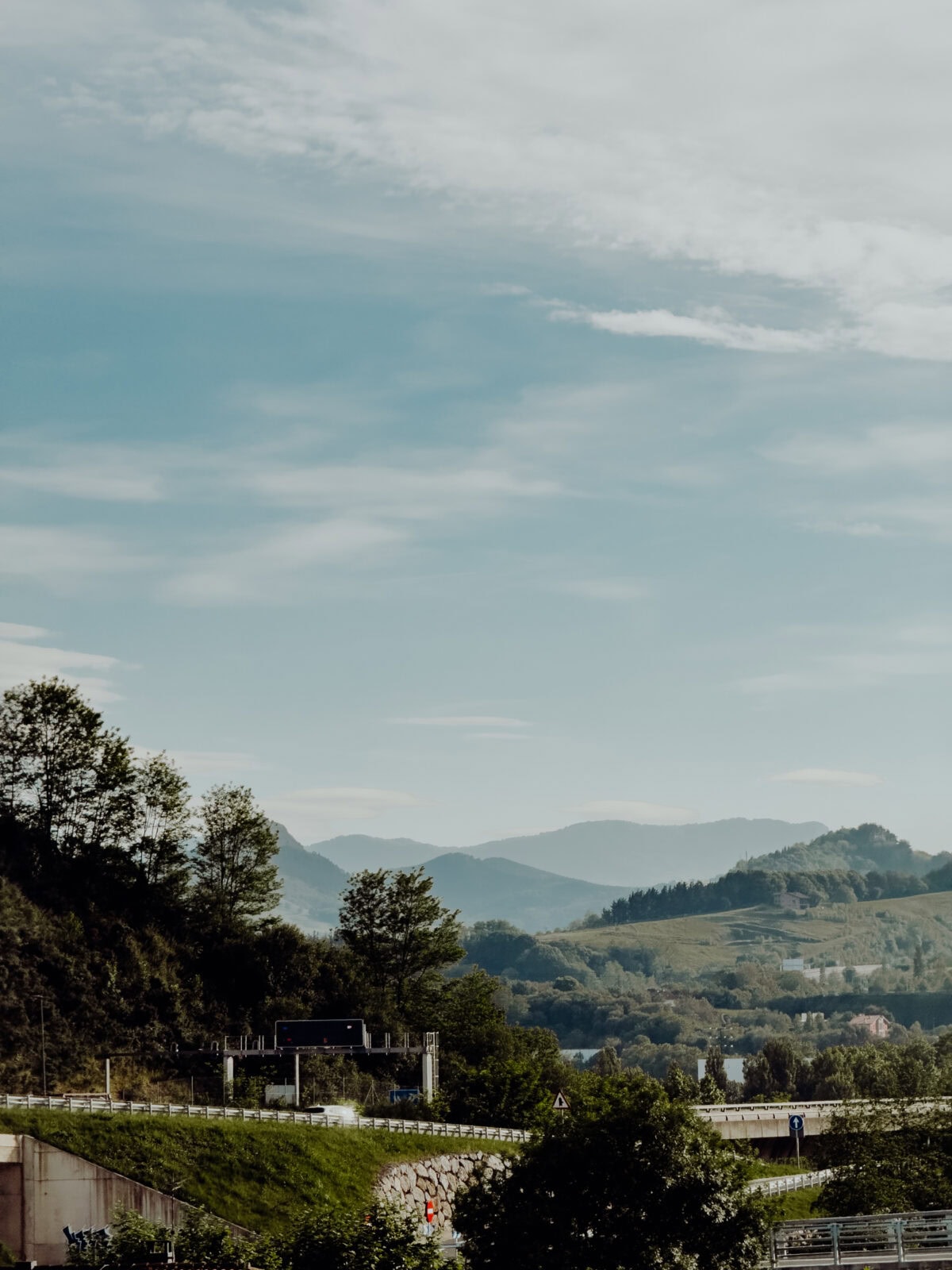
    Landscape with hills and road under blue sky.

    Do you feel like visiting the Basque Country?
    Find more articles here

    Food locations in San Sebastián: My tips

    Here are a few food tips that you shouldn’t miss out on:

    Bar La Cepa This traditional pintxo bar in the Old Town is a classic. Be sure to try the Jamón Ibérico and the delicious Bacalao pintxos (cod snacks).

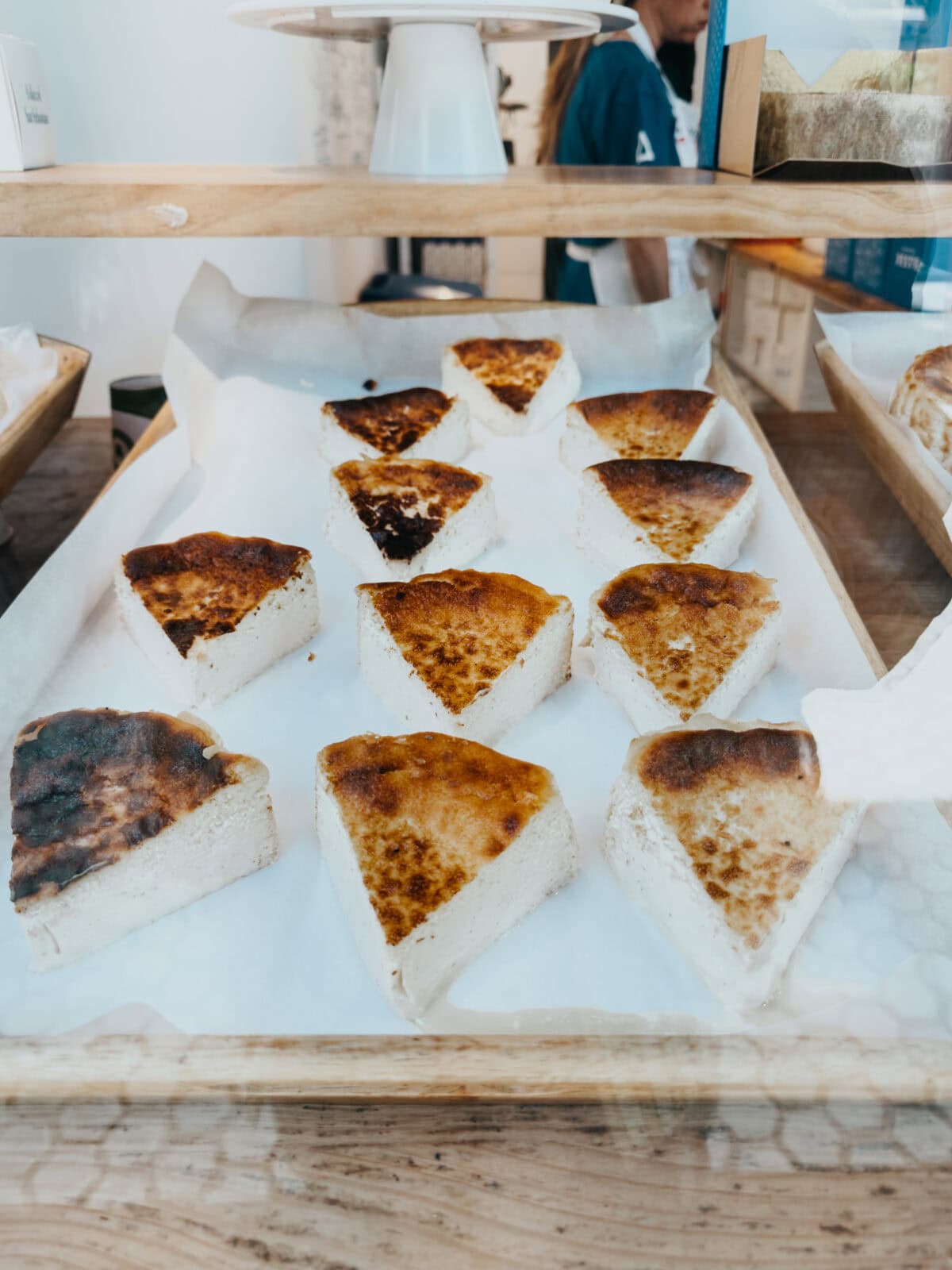
    La Viña Here you get the best cheesecake in town. Maybe you’ve already heard of San Sebastián Cheesecake? It is world famous and literally melts on the tongue. Personally, it is far too creamy and buttery for me, but you should definitely try it.

    Mercado de la Bretxa If you love fresh, local products, you should visit this market. Here you will find everything from fresh fish to Basque cheese specialties. Perfect for buying a few treats for a picnic on the beach.

    But there are so many more great food locations to discover in San Sebastián! More tips will therefore soon be available in my San Sebastián Food Guide.

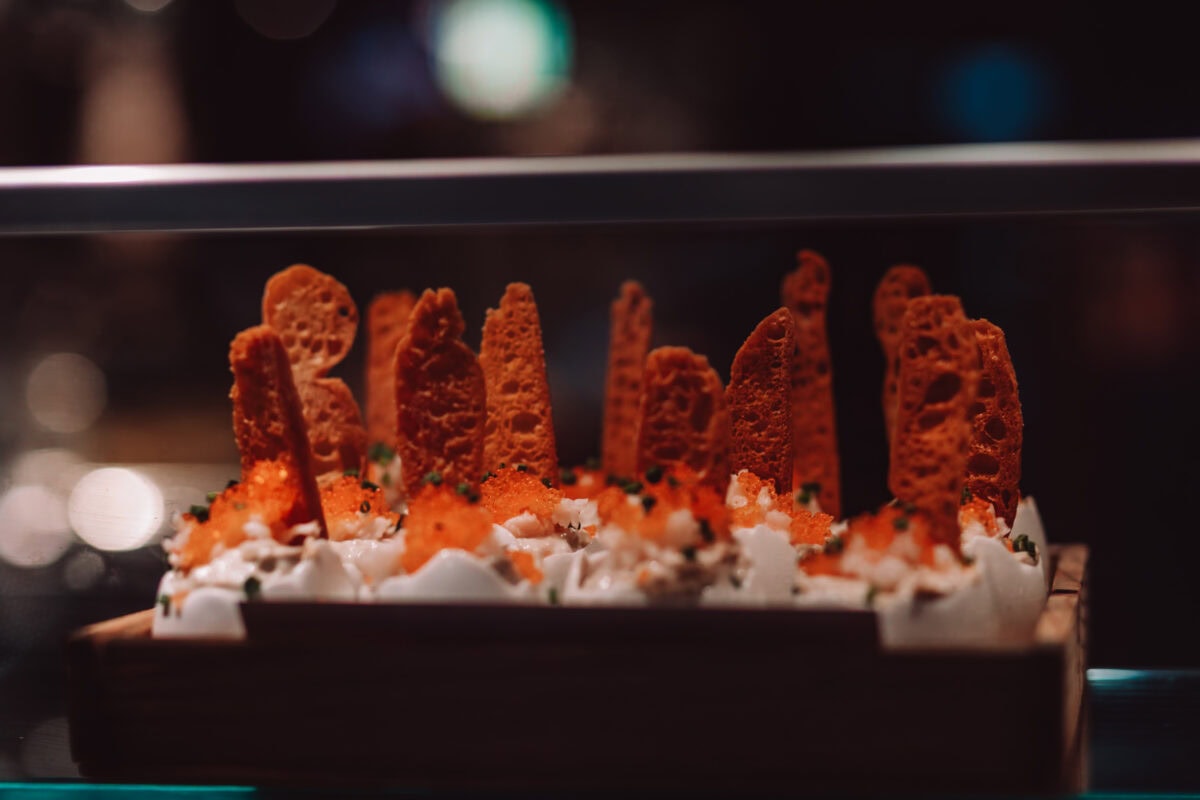
    A close-up of tapas with crispy elements.
    Slices of cheesecake on a tray, ready to serve.

    Staying in San Sebastián

    Finding a pretty hotel in San Sebastián is not difficult. However, I would rather advise against choosing a place to stay in the middle of the Old Town. Especially in the season and on weekends it can get very loud here at night. In addition, the entire Old Town is car-free, so you have to carry all your luggage over cobblestones through the narrow streets to your accommodation.

    Modern cafe with industrial design and seating area.

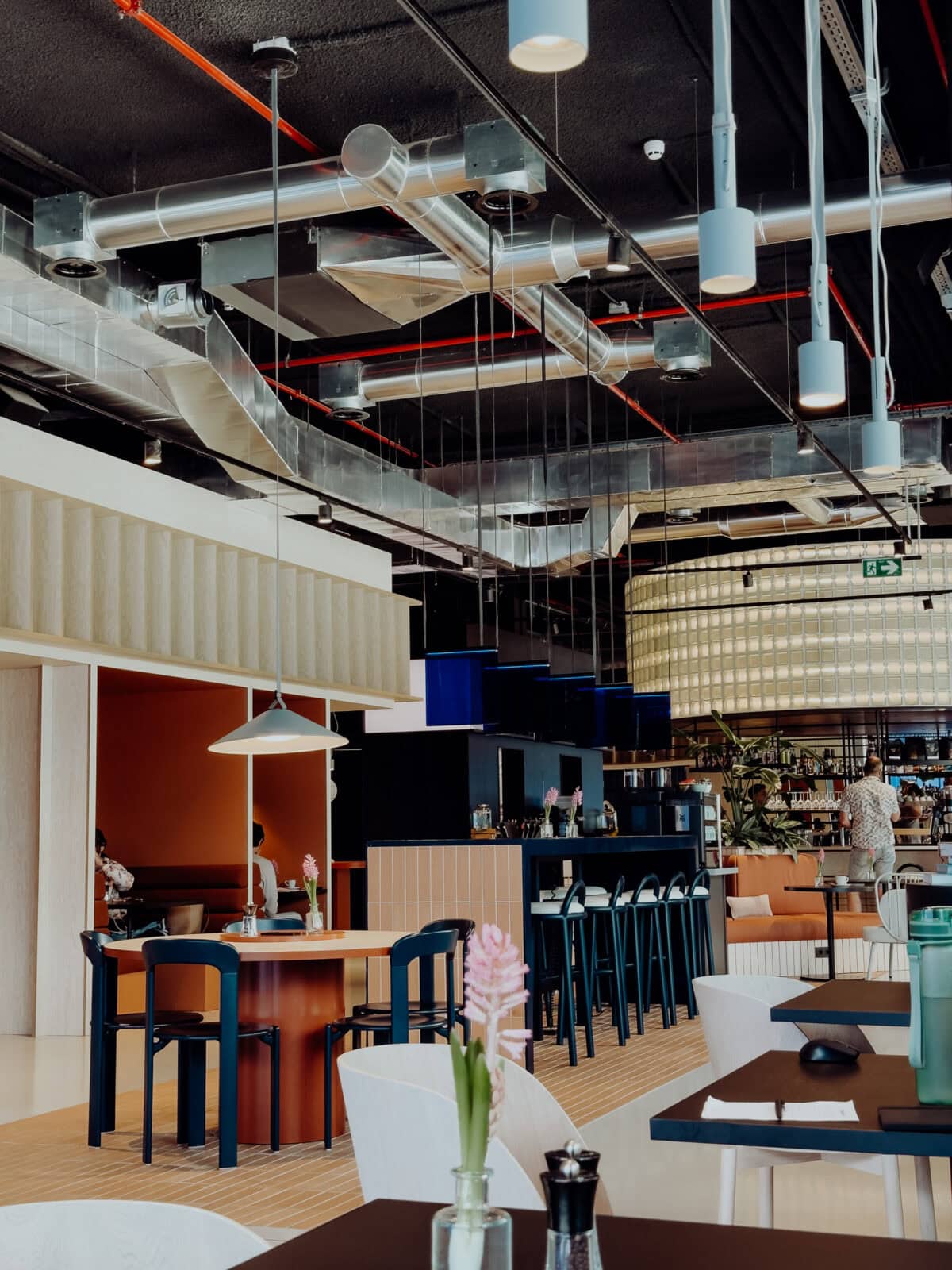
    I can recommend The Social Hub San Sebastián*. Although it is not directly in the city center, you can be in the middle of the city in 15 minutes by bus; you can simply buy contactless tickets on the bus when boarding. The rooms are super spacious and stylish, and you can work, read or just sit together in the lobby or restaurant. In summer, there’s also a great rooftop bar with a pool and a view; events are held regularly.

    Here you will find more accommodations in San Sebastián*

    Events and activities: What you can do in San Sebastián

    San Sebastián International Film Festival The renowned film festival attracts film stars and cineastes from all over the world every year in September. A great opportunity to discover new films and maybe even meet a star or two.

    Tamborrada: On January 20, the day of Saint Sebastian is celebrated. The whole city is in a festive mood and there are parades with drummers in traditional costumes. An experience you should not miss if you are in the city around this time.

    Water sports: San Sebastián is perfect if you are into water sports. The Zurriola beach in the Gros neighborhood, for example, is particularly popular with surfers. Don’t feel like lugging around all the equipment? You can book a full-day surfing trip here*

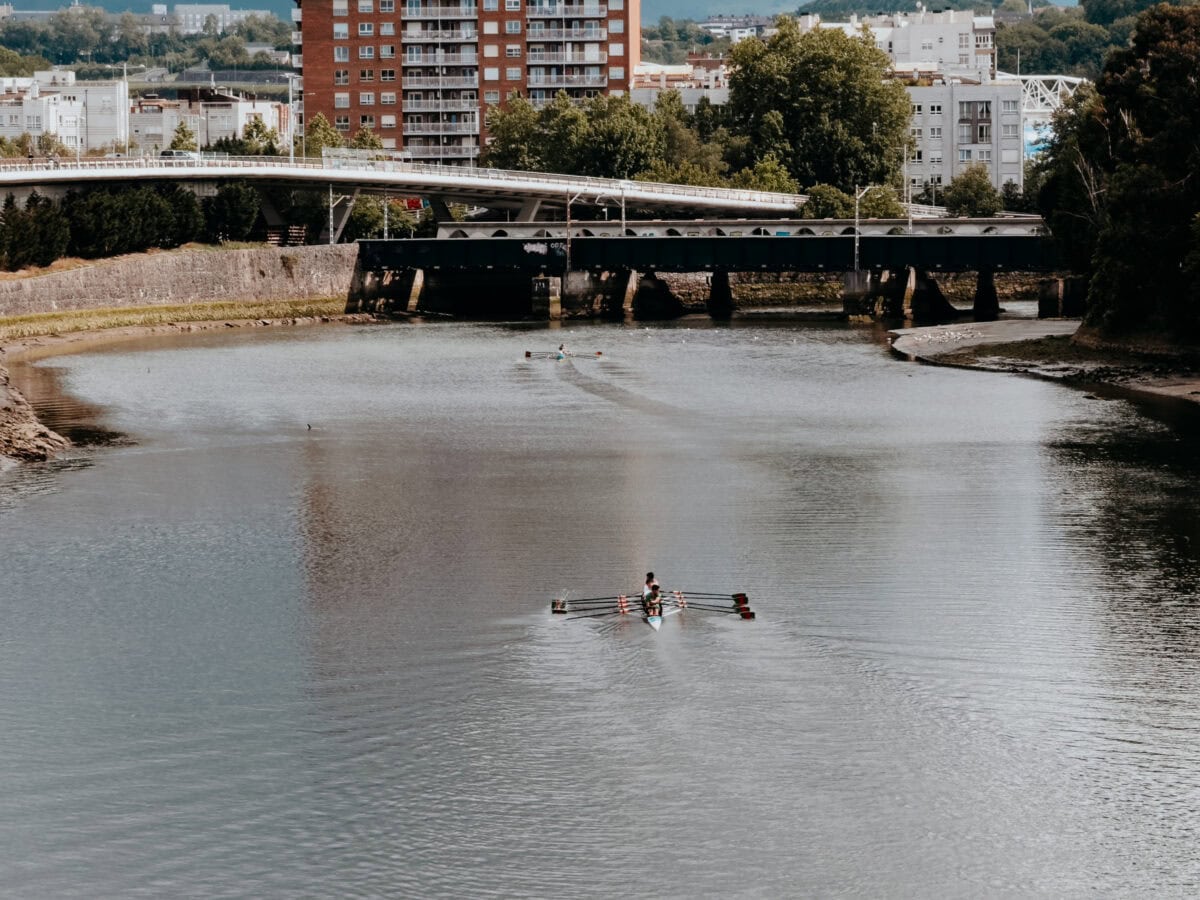
    Or you can try your hand at the Basque national sport, rowing!

    Rowers on a river in front of city view
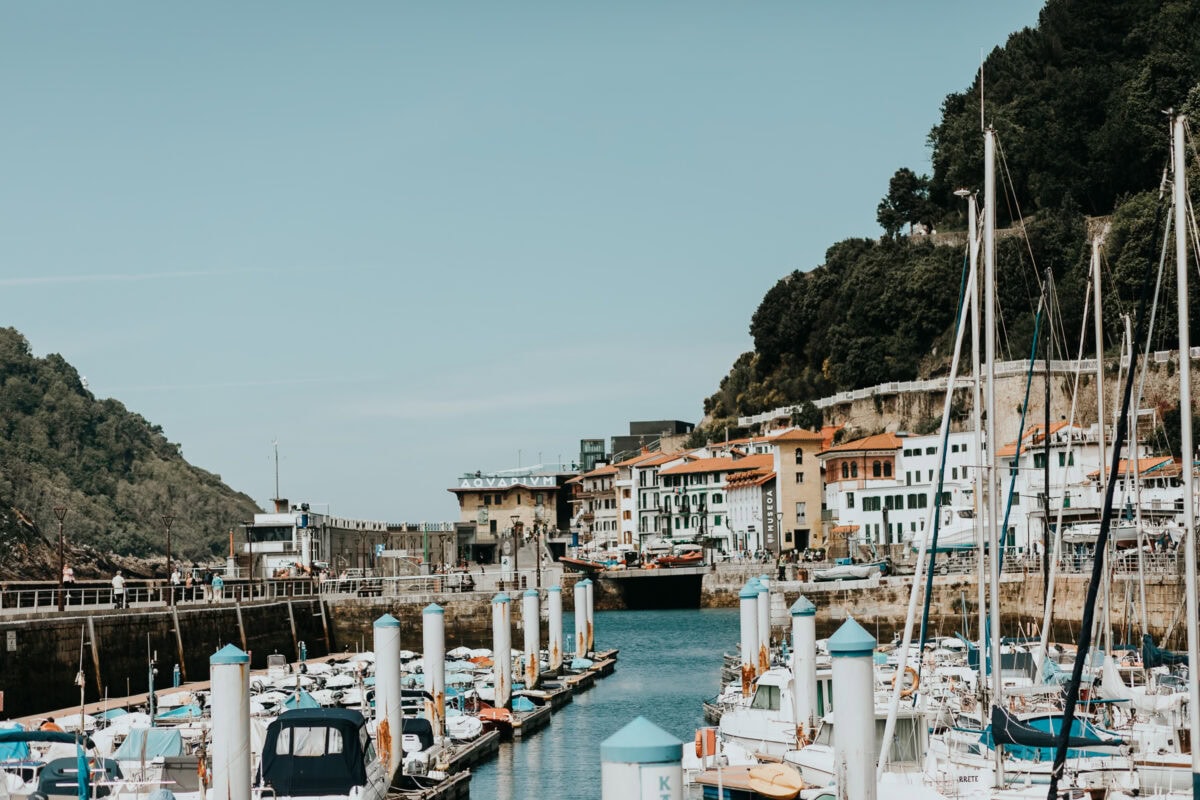
    Small harbor quay with boats and buildings

    Around San Sebastián

    In general, the Basque Country is a super exciting region and it’s worth spending more time here. San Sebastián, for example, can easily be incorporated into a road trip through the Basque Country and the French Atlantic coast with Saint-Jean-de-Luz and Biarritz is also not far away.

    Or you can combine your trip with a detour to Bilbao, the equally worth seeing Basque metropolis. Here you can find my guide to Bilbao

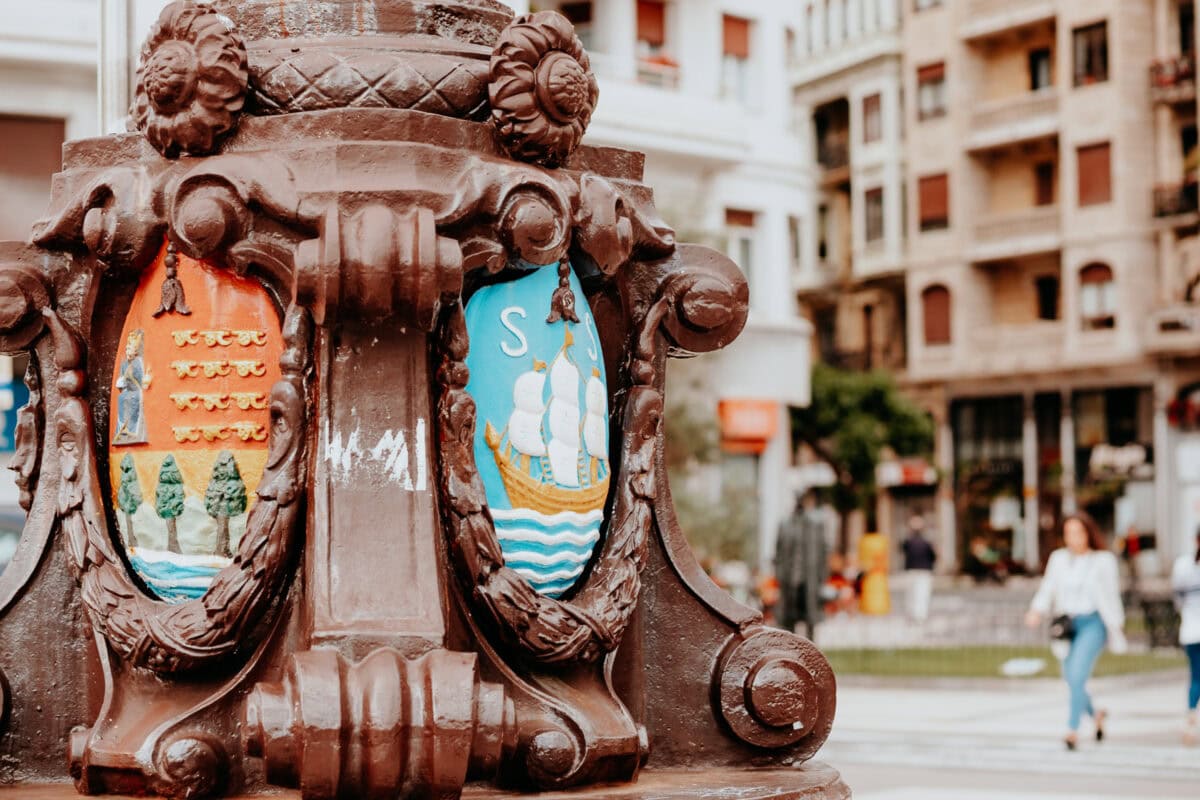
    Historical monument with coat of arms in city view

    Getting to San Sebastián

    San Sebastián has its own airport. However, it is very small and is usually only served by Spanish airlines that connect San Sebastián with other domestic destinations.

    It is more practical to travel via Bilbao airport. From there, there is a regular bus service (approximately every hour) to the bus station in San Sebastián. Although this is not directly in the city center, it is still easily accessible by public transport.

    Check flight connections to Bilbao (BIO) here*

  • Bilbao Food Guide: Where to Find the Best Pintxos

    Bilbao Food Guide: Where to Find the Best Pintxos

    Good food plays a major role in the Basque Country: Nowhere else in Europe is the concentration of Michelin-starred chefs as high as it is here. But even if you don’t have a big budget for gourmet restaurants, you’ll find plenty of great spots in Bilbao that will make any foodie’s heart skip a beat. Here, I’ll introduce you to my favorite cafés and restaurants in Bilbao.

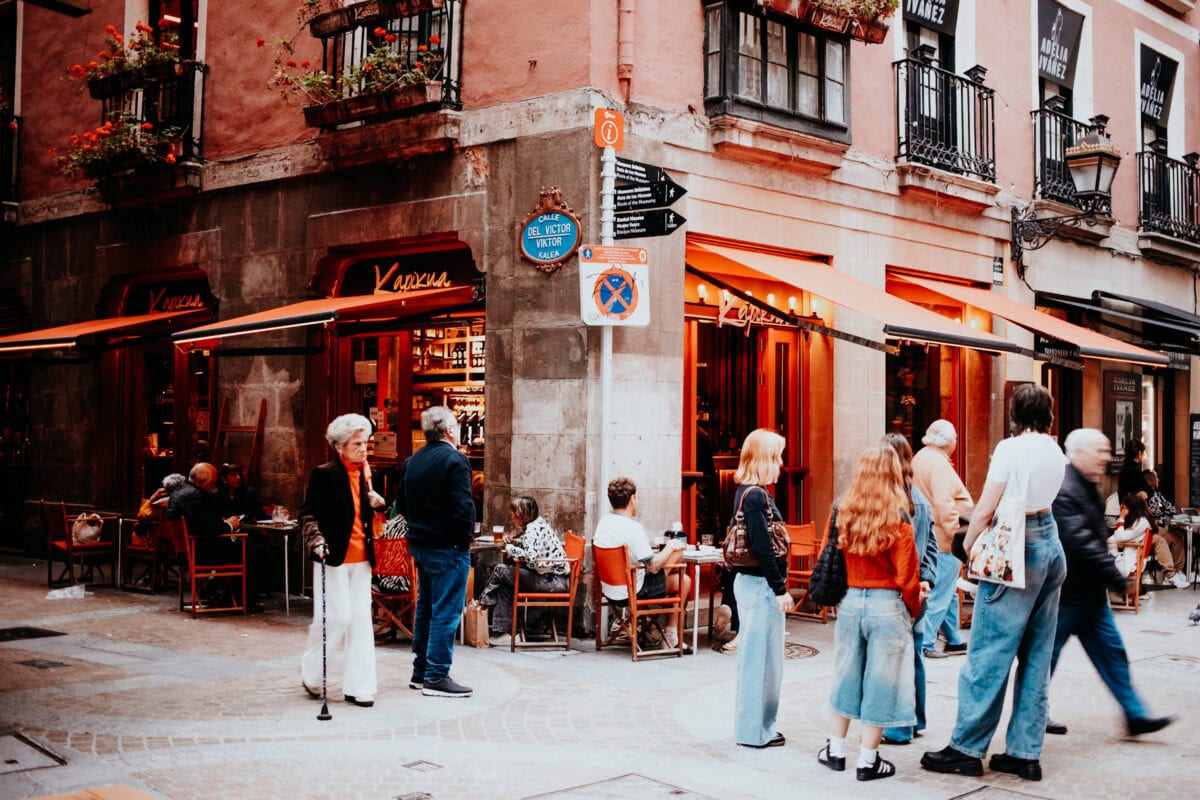
    Lively old town alley in Bilbao with colorful facades

    Bilbao & The Pintxos

    But before you dive into the hustle and bustle of the many bars, you should familiarize yourself with the tradition of pintxos in Bilbao . Pintxos (in Spanish: pinchos) literally means skewers and are slightly larger snacks that are often eaten with a drink.

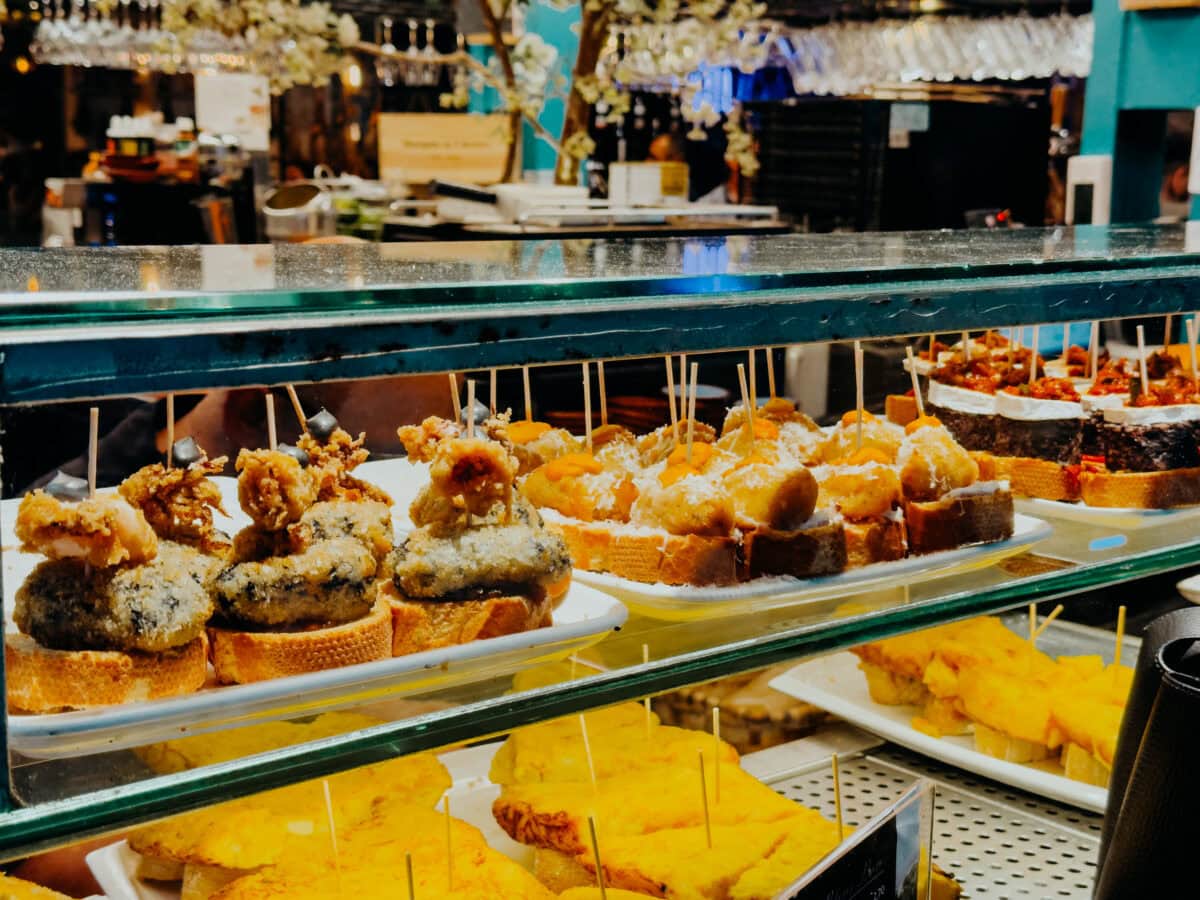
    Spanish tapas with mussels and anchovy bruschetta in a display case

    Originally, they were artfully stacked on large plates on the bar counter and each guest helped themselves as they pleased. The bill was then simply based on the number of wooden skewers that held each morsel together and were left on the plate at the end. This tradition has changed a little: Pintxos are often no longer completely open on the counter, but in glass cabinets, and there are also differences in price depending on the ingredient.

    Are you interested in the Spanish Basque Country? The region in the northeast with its very own culture and language is super exciting!
    Here you can find my tips for the Basque Country

    My recommendations for restaurants, pintxos and cafés in Bilbao

    Finding good locations in Bilbao is not difficult. The quality is very good and the choice is huge. Here are a few of my favorites:

    Baristas Club Right behind the cathedral and therefore in the heart of the old town. Good coffee, relaxed vibe – perfect for a coffee break while sightseeing.

    La Olla de la Plaza Nueva & Toma y Daka These two venues are located directly on the Plaza Nueva in the old town. There is a huge selection of pintxos here. Simply stop off at a bar, try a few pintxos and move on.

    Spanish pintxos on a bar counter
    Dessert served in eggshells with caramel cream and crispy chips
    Spanish pintxos with ham and Padrón peppers on bread

    Los Fueros Centrally located on the edge of the old town, yet somehow hidden away. Small restaurant with really great Basque cuisine made from fresh local produce. Highly recommended for a cozy evening with good food and wine.

    Tapas skewers with an orange sauce and white dipping cups

    By the way: As a vegetarian or vegan, it can be a little difficult in more traditional restaurants, as many dishes are prepared with fish (e.g. the popular bacalao) or meat. However, in a modern city like Bilbao, it shouldn’t be a problem to find good alternatives.

    Food tours through Bilbao

    Nevertheless, pintxos are a great way to eat your way through Basque cuisine for little money. You can stroll casually from bar to bar and explore Bilbao’s food scene.

    A fun way to try pintxos is also a food tour through Bilbao, where you can get to know the tastiest specialties and learn more about Basque cuisine.

    Book a food tour through Bilbao here*

    Fresh red beefsteak tomatoes on straw in a metal bowl

    Where else you can find good places to eat in Bilbao

    I won’t be able to list all the great places in Bilbao here – there’s simply too much on offer. Going out or eating out is a big part of Basque culture, so you will find bars and restaurants almost everywhere. Some streets have a particularly high concentration of eateries, so it’s worth taking a stroll and discovering them for yourself.

    You’ll find plenty of restaurants on these streets and in these districts:

    Poza Lizentziatuaren Kalea This street parallel to Gran Vía is particularly busy on Atletico Bilbao match days. The street leads directly to the San Mames stadium, whose glittering façade can be seen from afar through the street canyons.

    Ledesma Kalea Calle Ledesma is conveniently located between Gran Vía, the Guggenheim Museum and the old town. It is also a pedestrian-only zone and one restaurant follows the next.

    Lively city street featuring Bar Antomar and historic buildings

    Looking for more tips for Bilbao? The most beautiful highlights in the Basque metropolis

    Are you planning a road trip through the Basque Country? Here you can find cheap rental cars at Bilbao Airport (BIO)*

  • The Best Things to Do in Bilbao

    The Best Things to Do in Bilbao

    Are you planning a trip to the Basque Country? Then Bilbao will certainly be on your sightseeing list! In this article, I’ll show you which sights in Bilbao you shouldn’t miss – but I’ll also tell you why I personally wasn’t really impressed by the city, even after several visits! (More on this later in the article).

    Guggenheim Museum

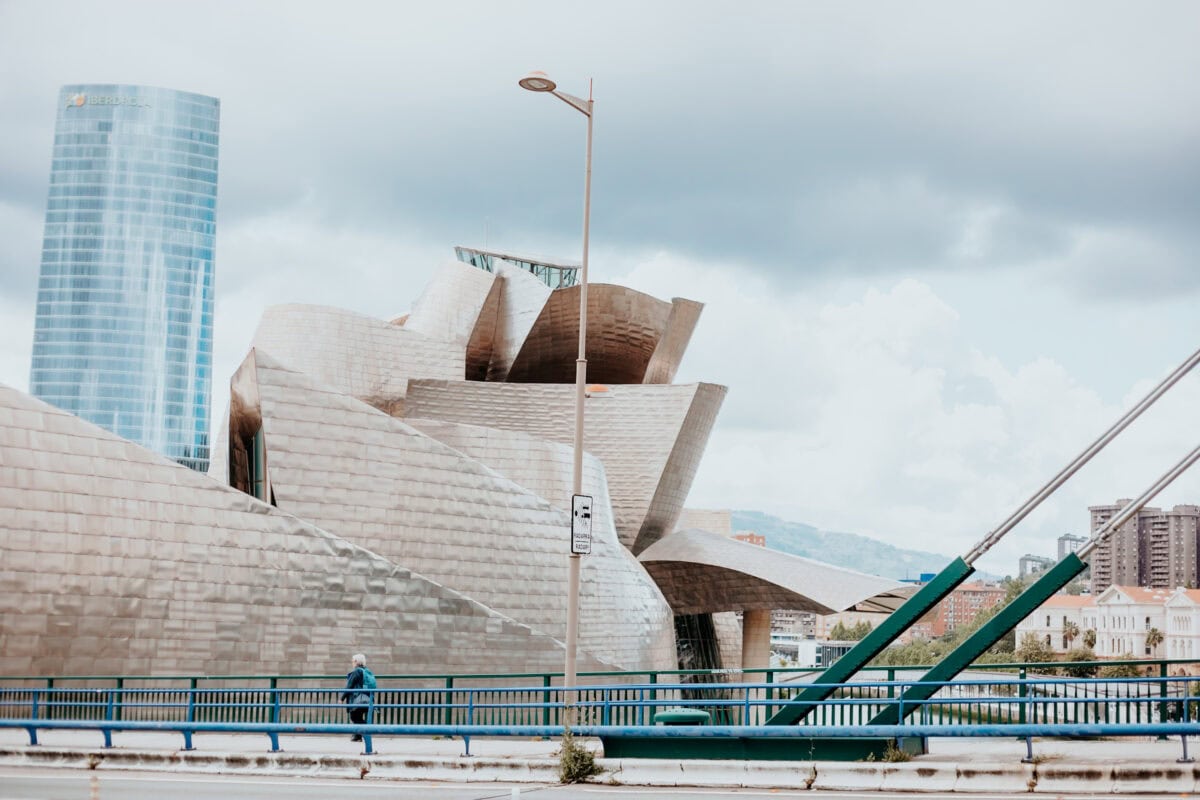
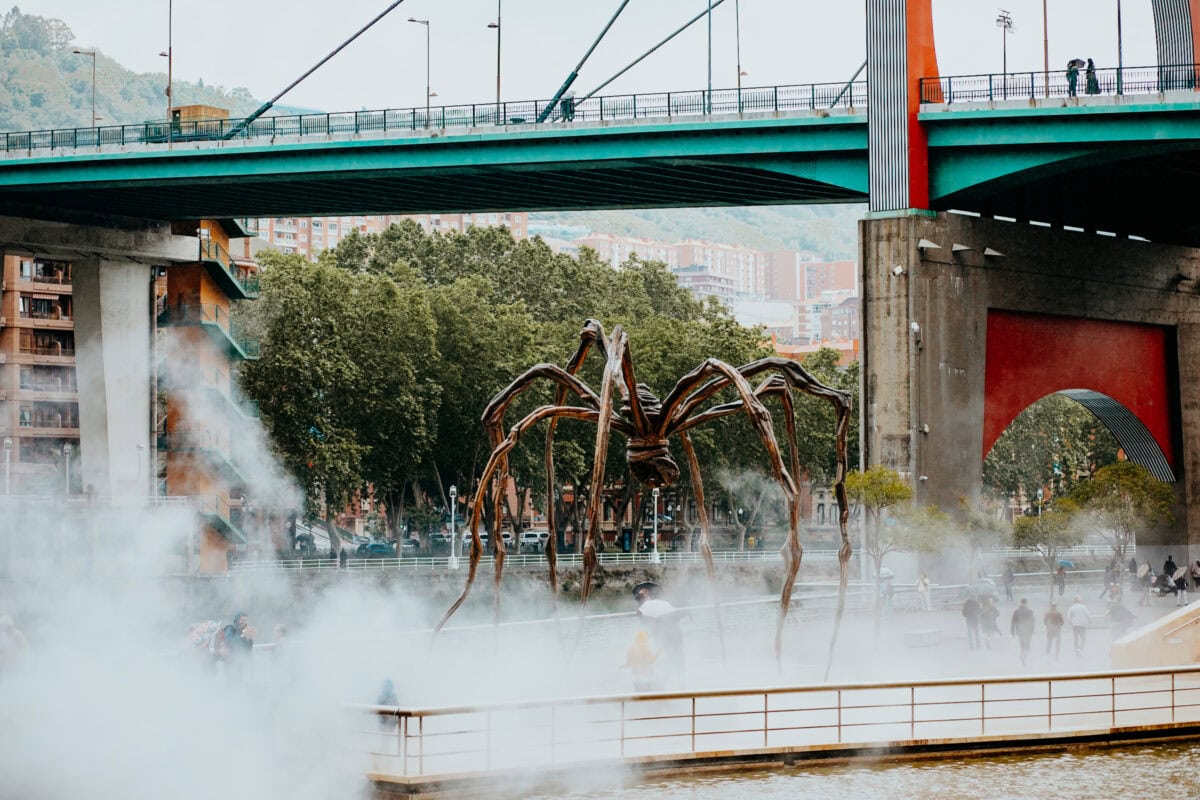
    The Guggenheim Museum is probably THE landmark of Bilbao. The Museum of Modern Art is a branch of the Guggenheim Museum in New York and is probably the very first location that visitors head for in Bilbao. The construction of this architectural super project, designed by Frank O. Gehry, has transformed the former industrial city to such an extent that a phenomenon has even been named after this incisive event: The Bilbao effect describes the upgrading of a place solely through a spectacular building.

    Guggenheim Museum in Bilbao, futuristic architecture.
    Metallic spider sculpture in the fog in front of the bridge.

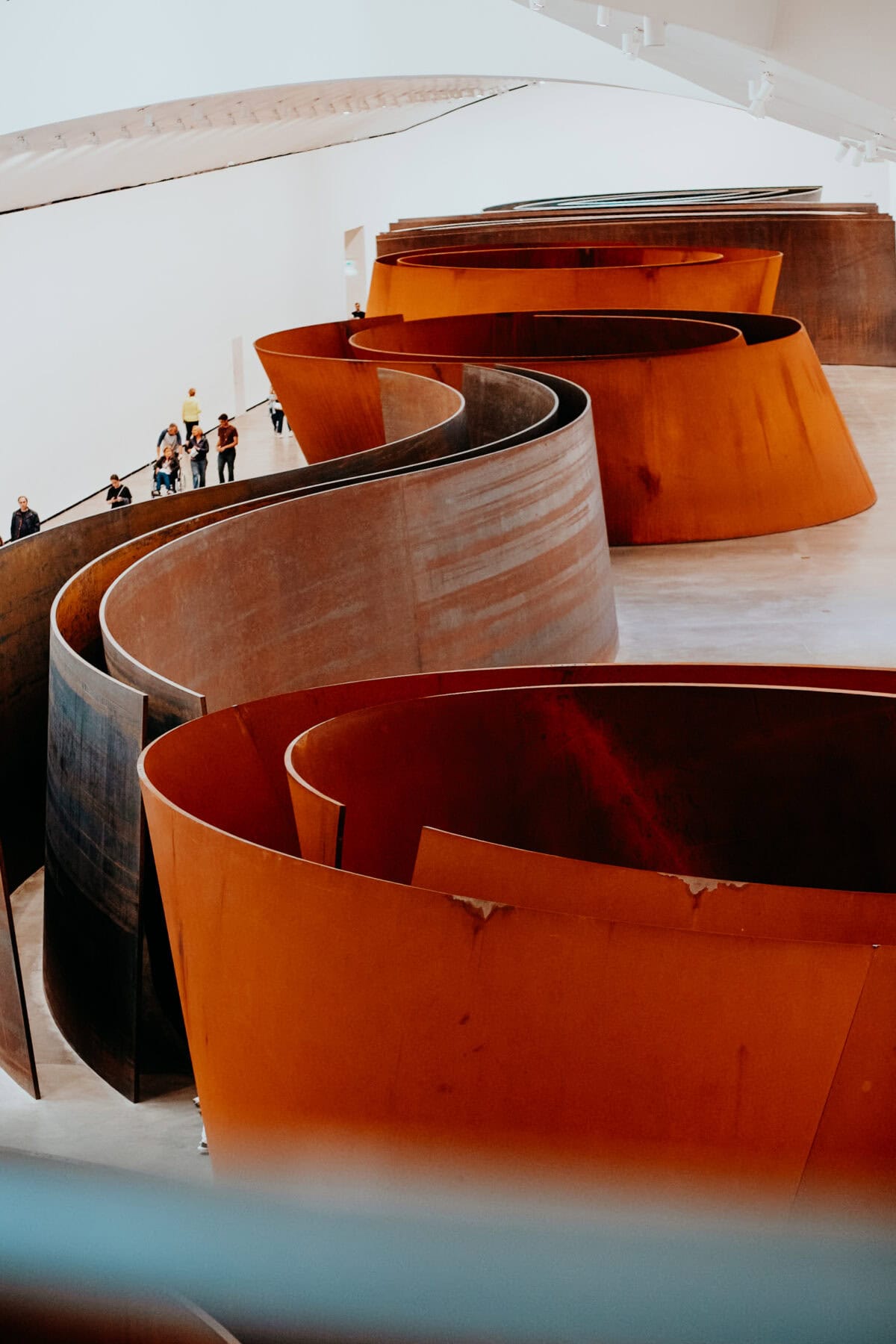
    However, the Guggenheim Museum Bilbao is not just a feast for the eyes from the outside: inside you can see really impressive contemporary works of art in the permanent exhibition. In addition, there are always spectacular temporary exhibitions and works on display.

    Buy tickets for the Guggenheim Museum Bilbao here

    Insider tip: If you want to know what Bilbao used to look like, you will find a small room with a video installation called “Zero” directly to the right of the ticket office. (Most visitors simply walk past it).

    It shows what Bilbao used to look like and how drastically the city has changed over the last hundred years. By the way: you don’t need a ticket for the museum to see the installation, as it is located in front of the entrance control. But honestly: if you’re already here, you shouldn’t miss the exhibition!

    Don’t miss this tour in Bilbao

    The best way to admire the full beauty of the Guggenheim’s architecture is from the water. The 1- or 2-hour boat tour doesn’t cost much and you will learn more about Bilbao’s dramatic development from an industrial city to a tourist magnet.

    Zubizuri Bridge

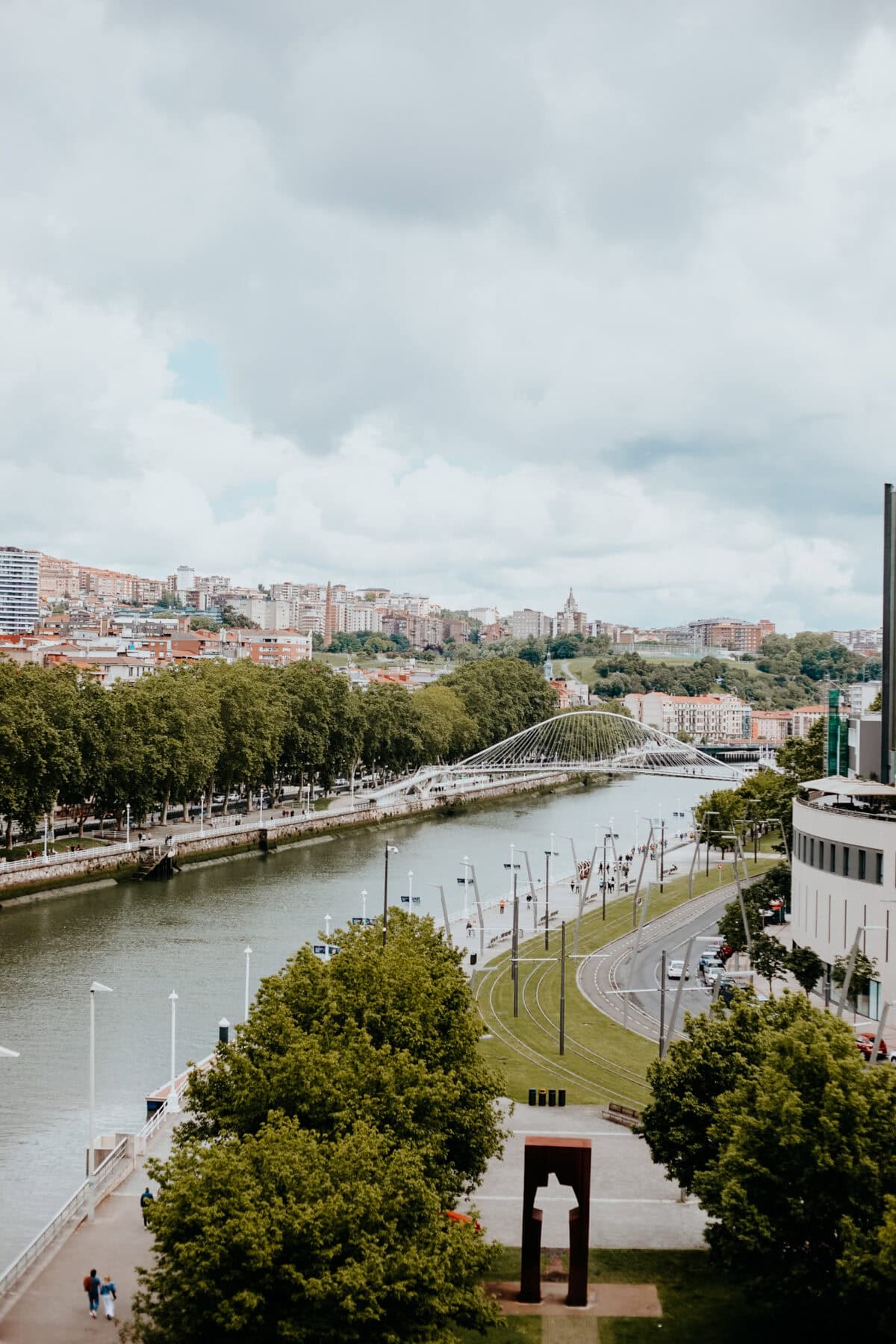
    Does the design of the Zubizuri Bridge not far from the Guggenheim Museum look familiar? On the one hand, the curved shape is supposed to be reminiscent of a sail – on the other, it looks quite similar to the terminal at Bilbao airport. No wonder, as both the pedestrian bridge over the Nervión and the terminal were designed by Spanish star architect Santiago Calatrava.

    View of riverbank and modern bridge in urban landscape.

    Old town of Bilbao / Casco Viejo

    You should also not miss out on a visit to Bilbao’s old town. It is all too easy to get lost in the narrow streets with their numerous eateries. The Basque Country is also known for its excellent cuisine and the number of Michelin-starred restaurants is exceptionally high. So it’s best to come hungry!

    Lively scene at a European street café.

    Don’t have a big budget for fine gourmet restaurants? No problem either! In the old town of Bilbao you will also find numerous bars and restaurants that offer really good pintxos for a small price. Pintxos are small snacks, similar to tapas, which are traditionally eaten with a drink – but you can also easily fill up on the large selection.

    Here you can find my food guide for Bilbao

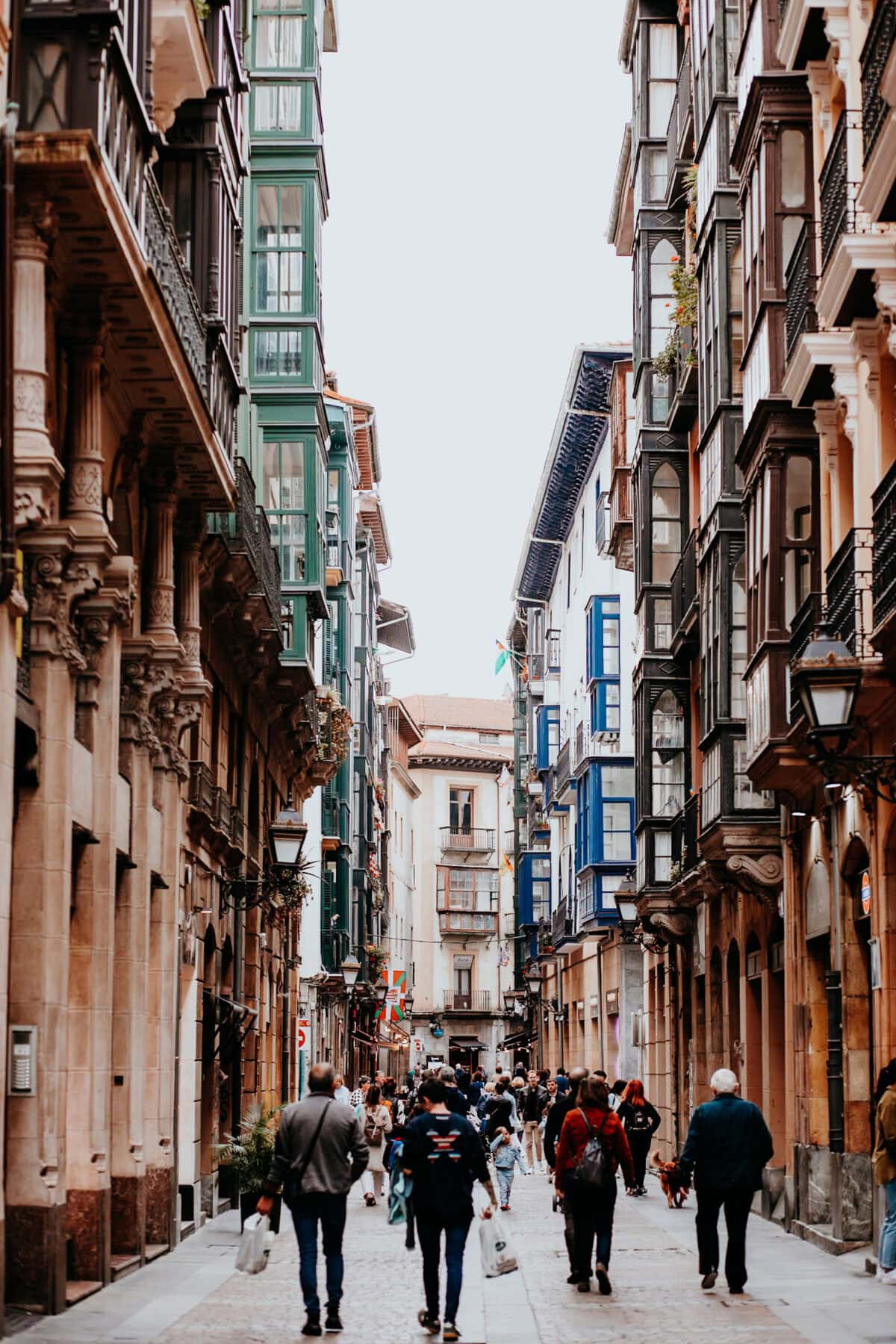
    Lively old town street with colorful facades and passers-by.

    If you’re unsure about how the pintxos work, I recommend a food tour through the old town – you’ll love it!

    Book your food tour through the old town of Bilbao here*

    Spanish tapas displayed in a bar.

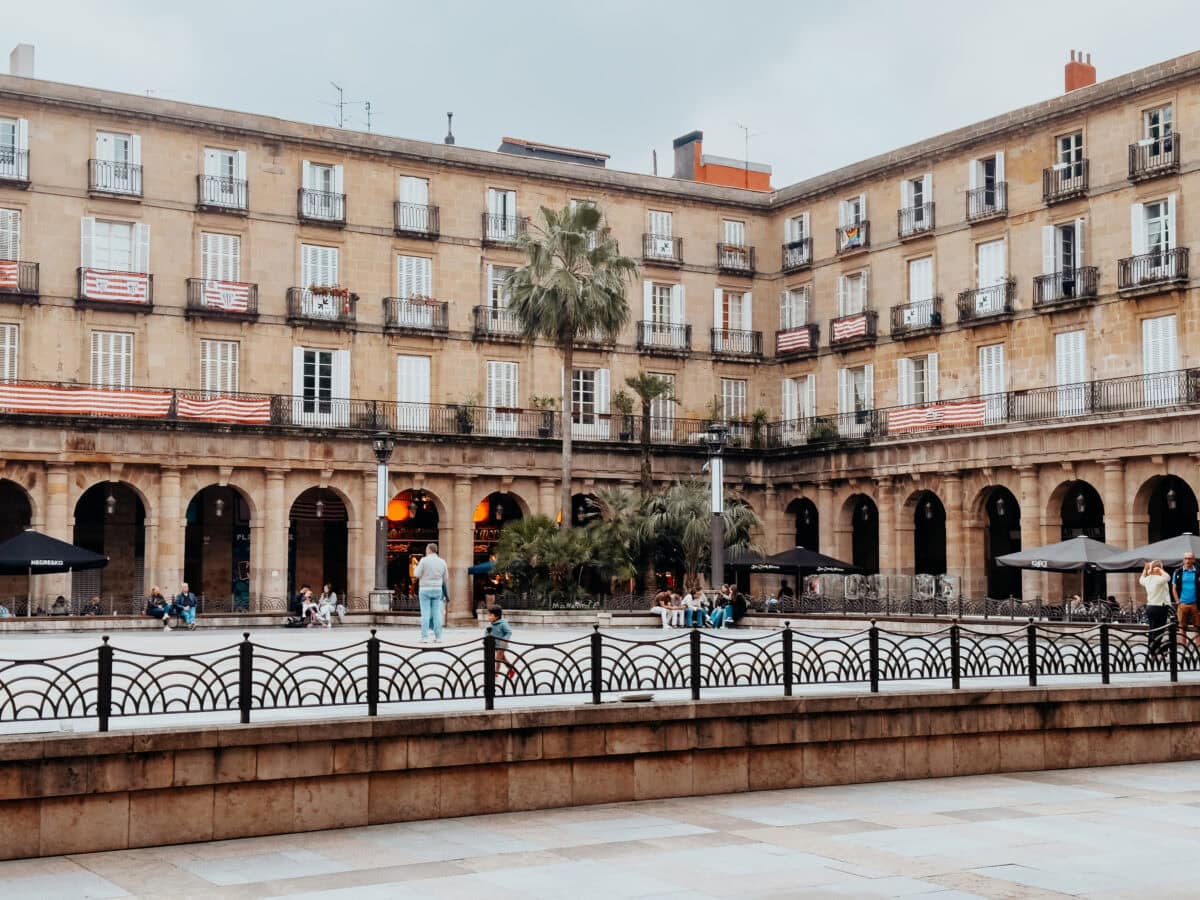
    Plaza Nueva

    Known as Plaza Mayor in many Spanish cities, Plaza Nueva is the heart of the old town, so to speak. You will also find many good bars and restaurants around the square, where you can sample a selection of pintxos.

    A historic square in Bilbao with palm trees and benches, with Basque architecture in the background.

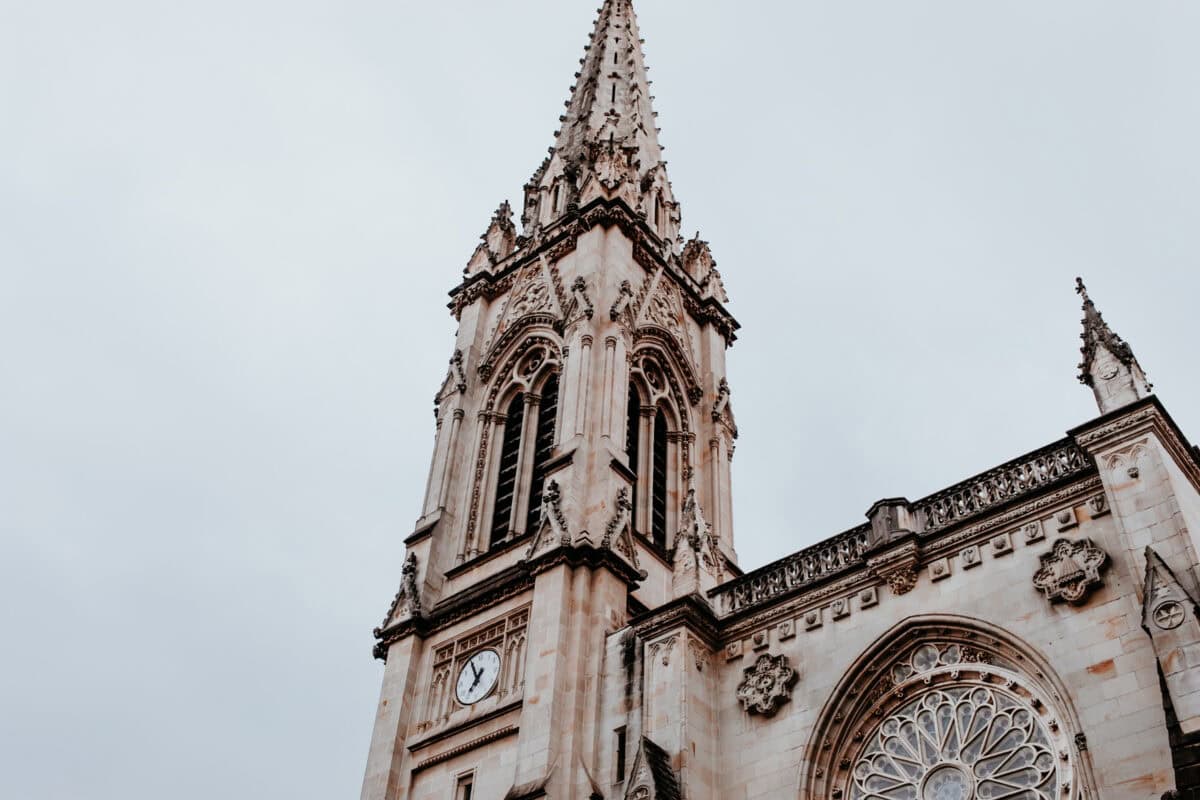
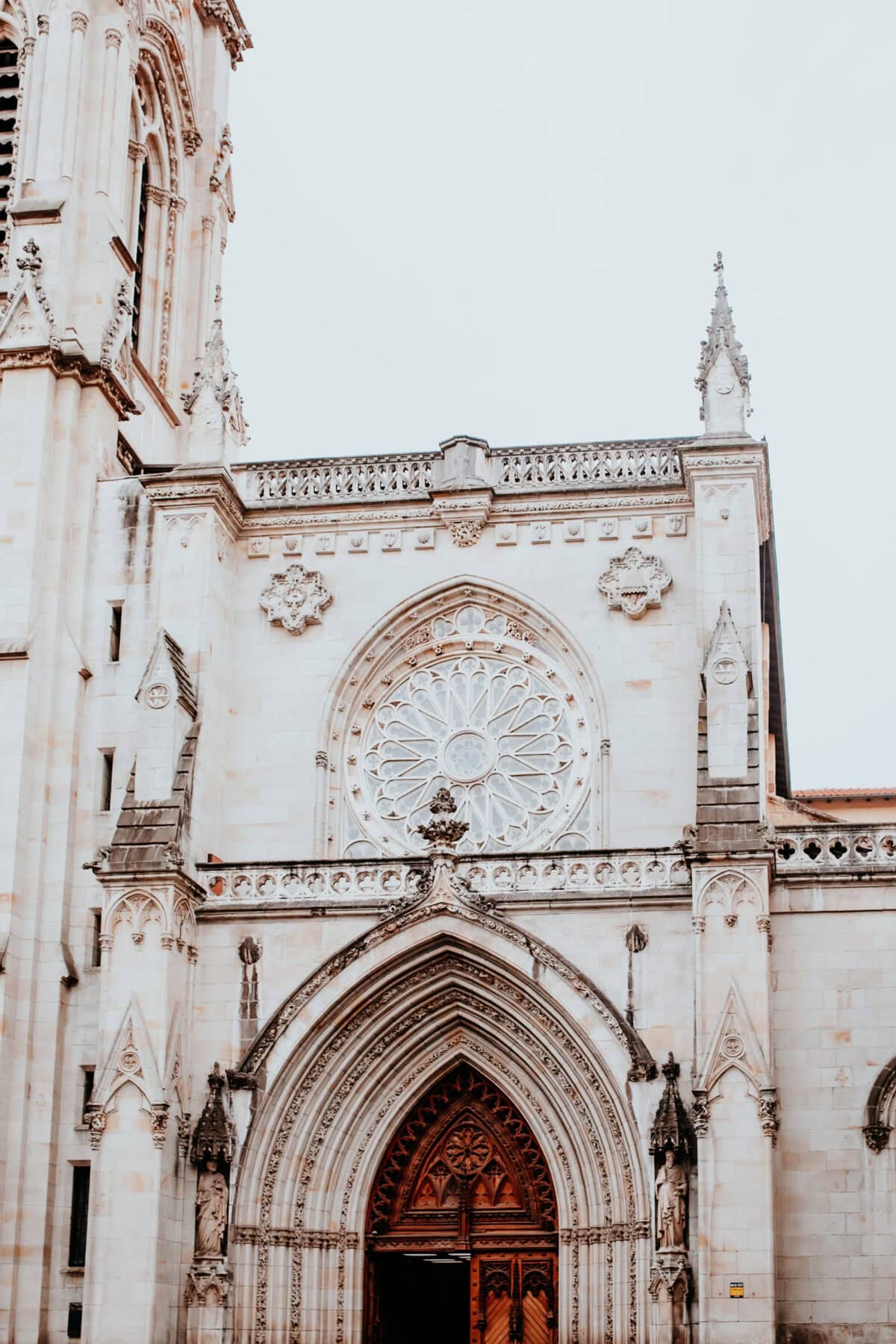
    Bilbao Cathedral

    Bilbao Cathedral is also located in the middle of Bilbao’s old town. It is practically impossible to miss. Interesting fact: Bilbao is on the Way of St. James and Bilbao Cathedral dates back to an old pilgrimage church. That’s why you’ll often meet pilgrims here who are on their way to Santiago de Compostela.

    Buy your ticket for the Cathedral of Bilbao here*

    Gothic church tower with clock and rose window.
    Gothic cathedral façade with rose windows.

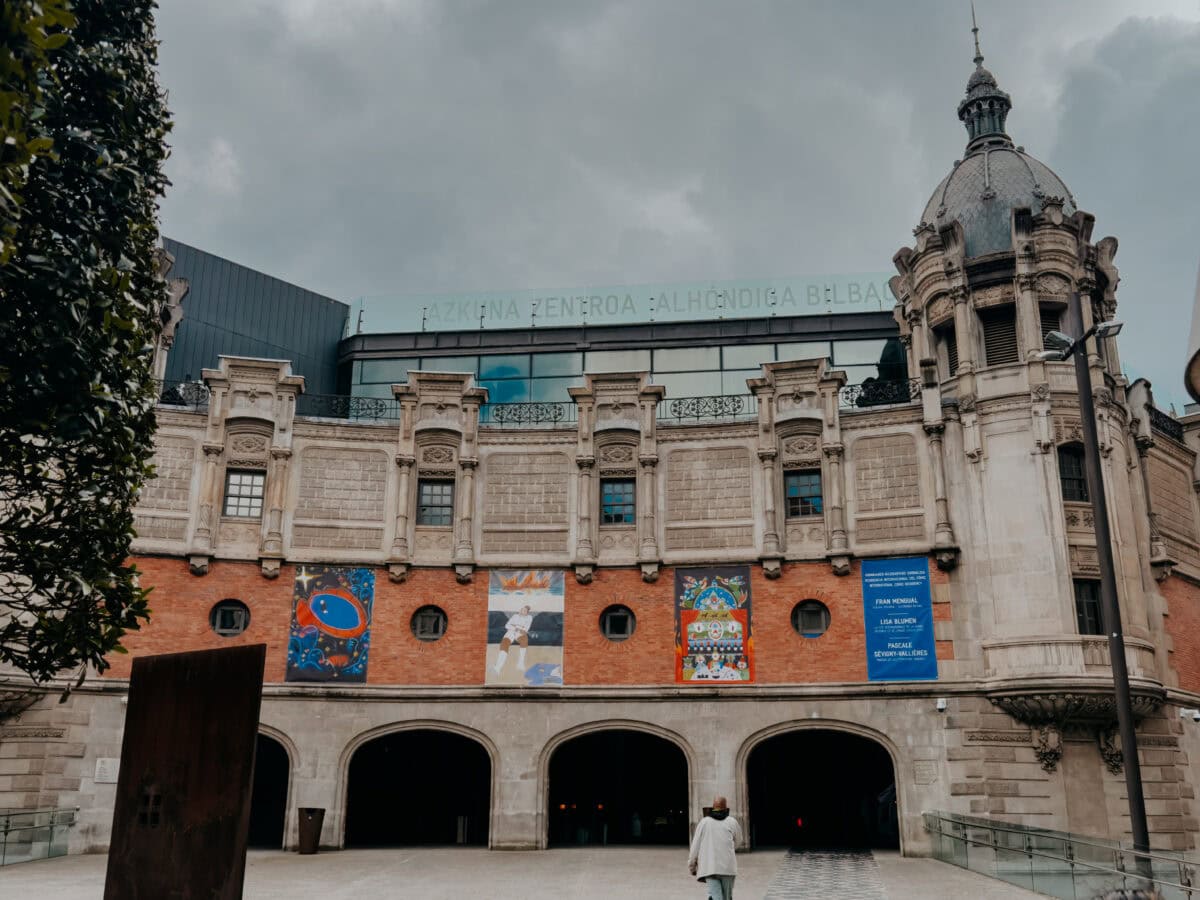
    Azkuna Zentroa (Alhóndiga Bilbao)

    Originally, the vacant former wine storehouse was under discussion as the location for the Guggenheim Museum; the project ultimately fell through due to the lack of space, among other things. Which is a stroke of luck from today’s perspective: the Azkuna Zentroa cultural and multi-purpose center designed by Philippe Starck was opened here in 2010.

    A historic building in Bilbao featuring modern art.

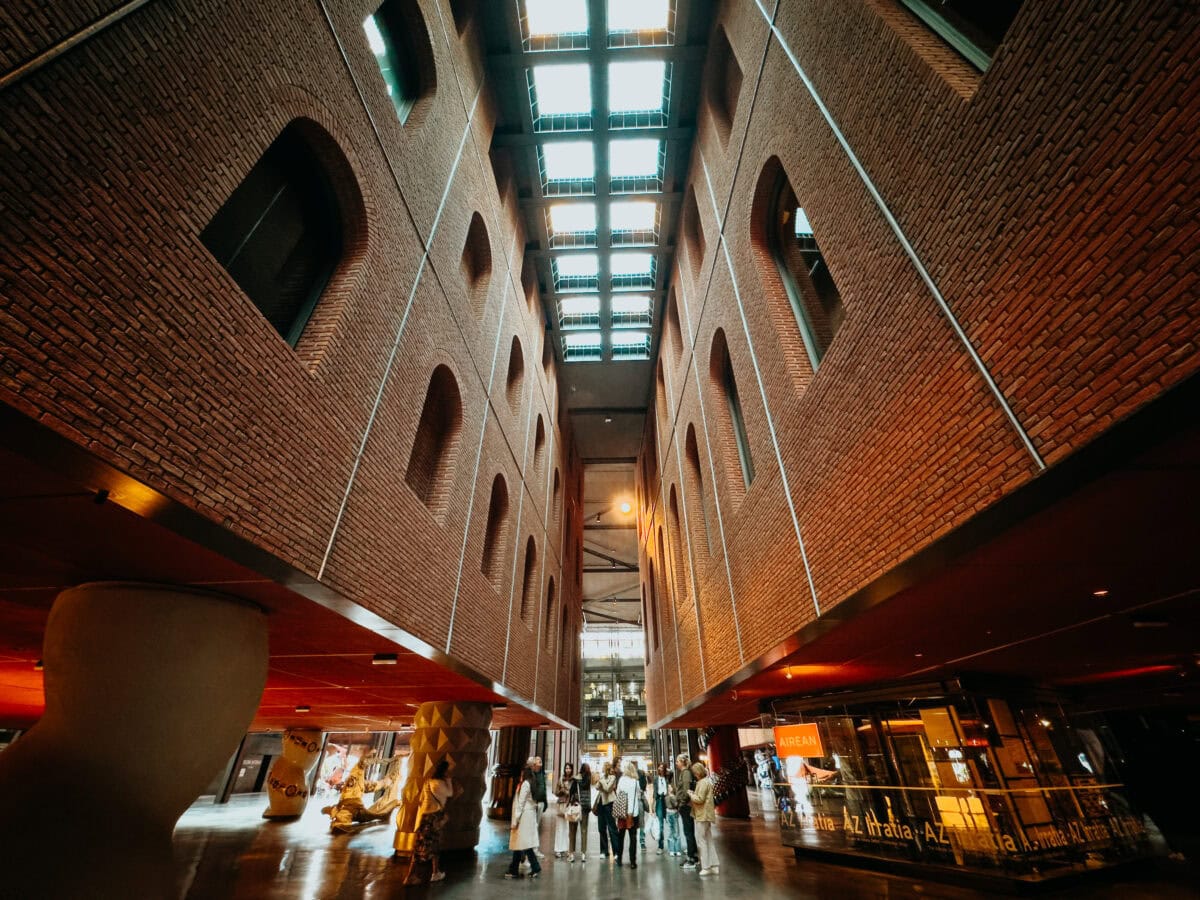
    In addition to cinemas, restaurants, an auditorium and a municipal library, there is also a fitness studio and a public swimming pool on the top floor of the complex.

    An interior view of a modern shopping center in Bilbao, featuring people and a glass roof.

    One of the pools even has a glass bottom, which you can see from the first floor! You can visit the swimming pool itself with a day ticket – if you have a bit more time in Bilbao, this is definitely a good idea for a bit of sport on the go!

    Puente de Viscaya / Bizkaya Bridge

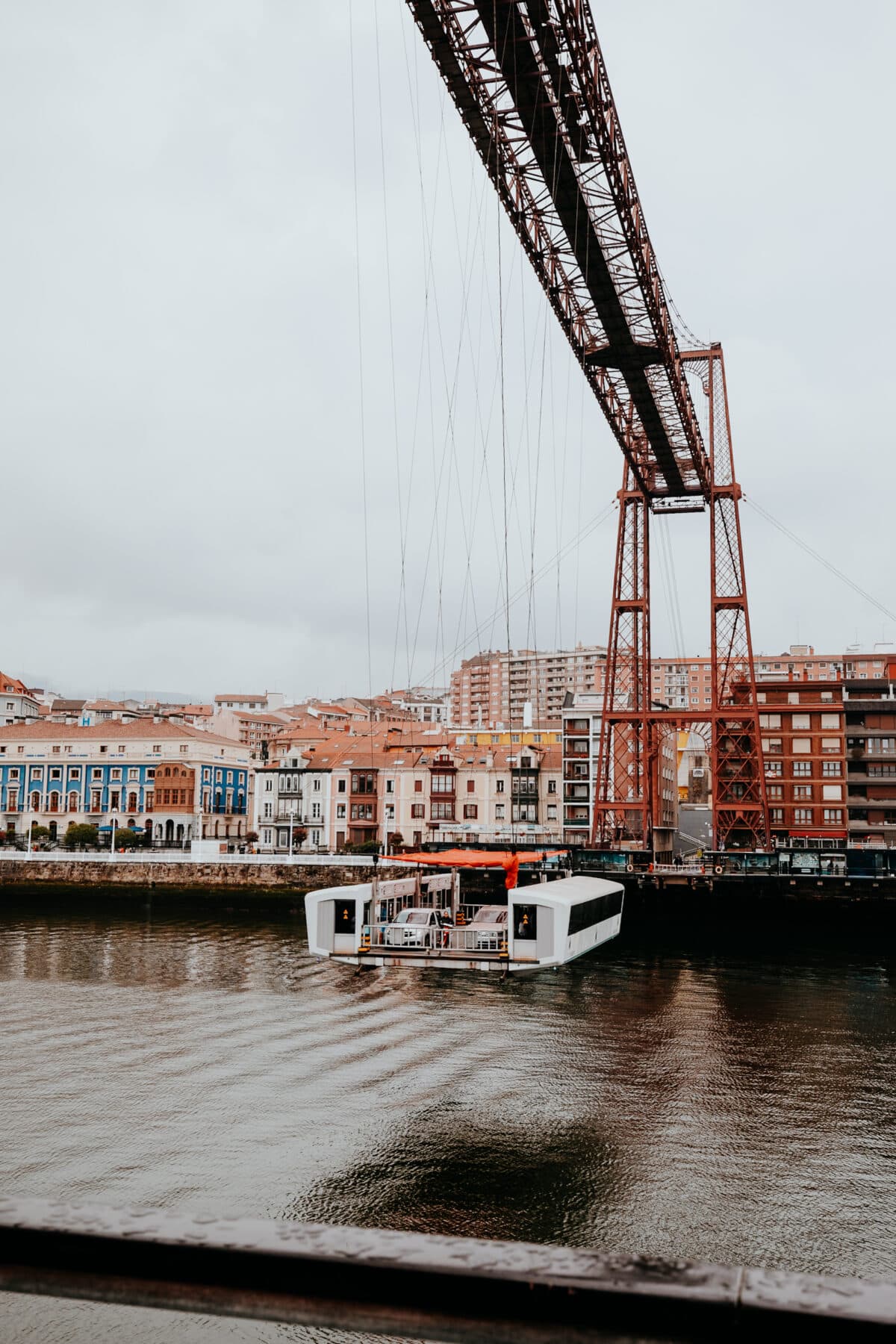
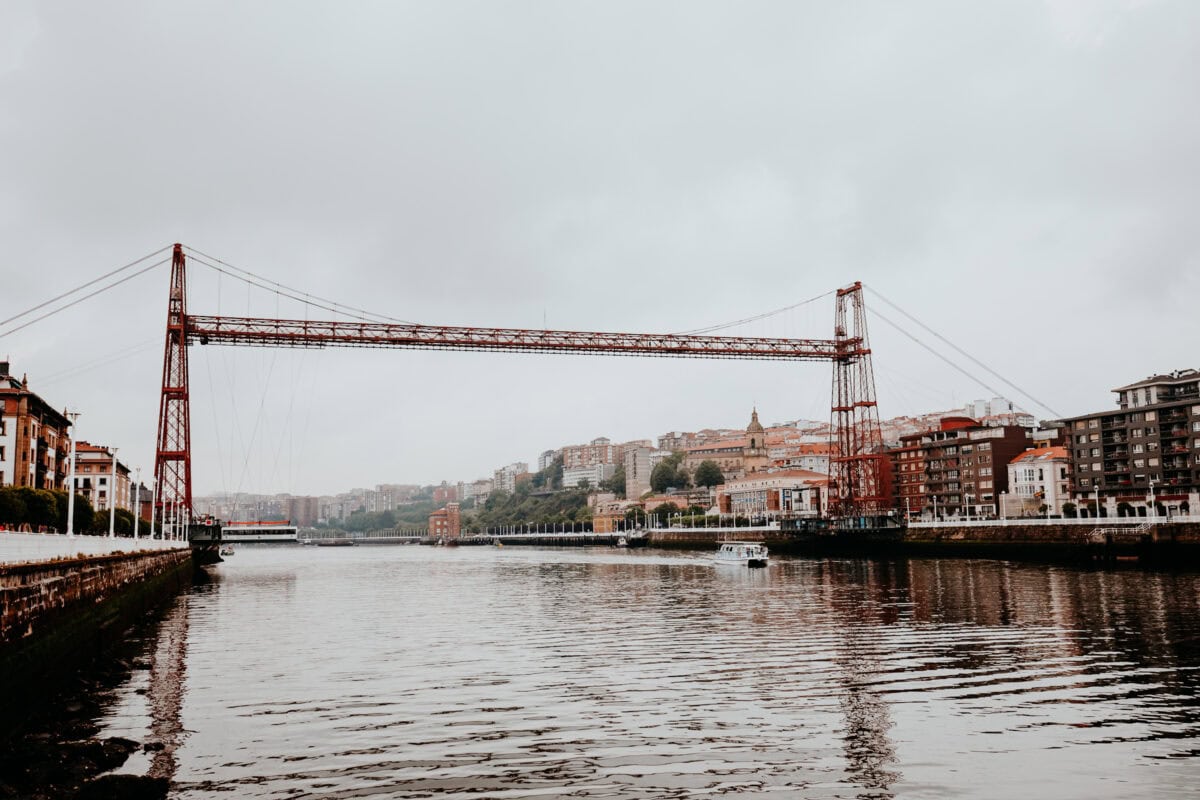
    Just outside Bilbao, there is a very unusual sight that you should definitely visit. The Puente de Biscay connects the two municipalities of Portugalete and Getxo and is a UNESCO World Heritage Site. What makes it so special: Pedestrians, cyclists and even cars do not cross the estuary via the bridge itself, but by means of a floating ferry suspended from the bridge structure. The ferry is used by local residents as a normal means of transportation; a one-way ticket costs just 55 cents during the day.

    Bridge over river with ferry and colorful houses.
    Historic suspension bridge over river in urban landscape.

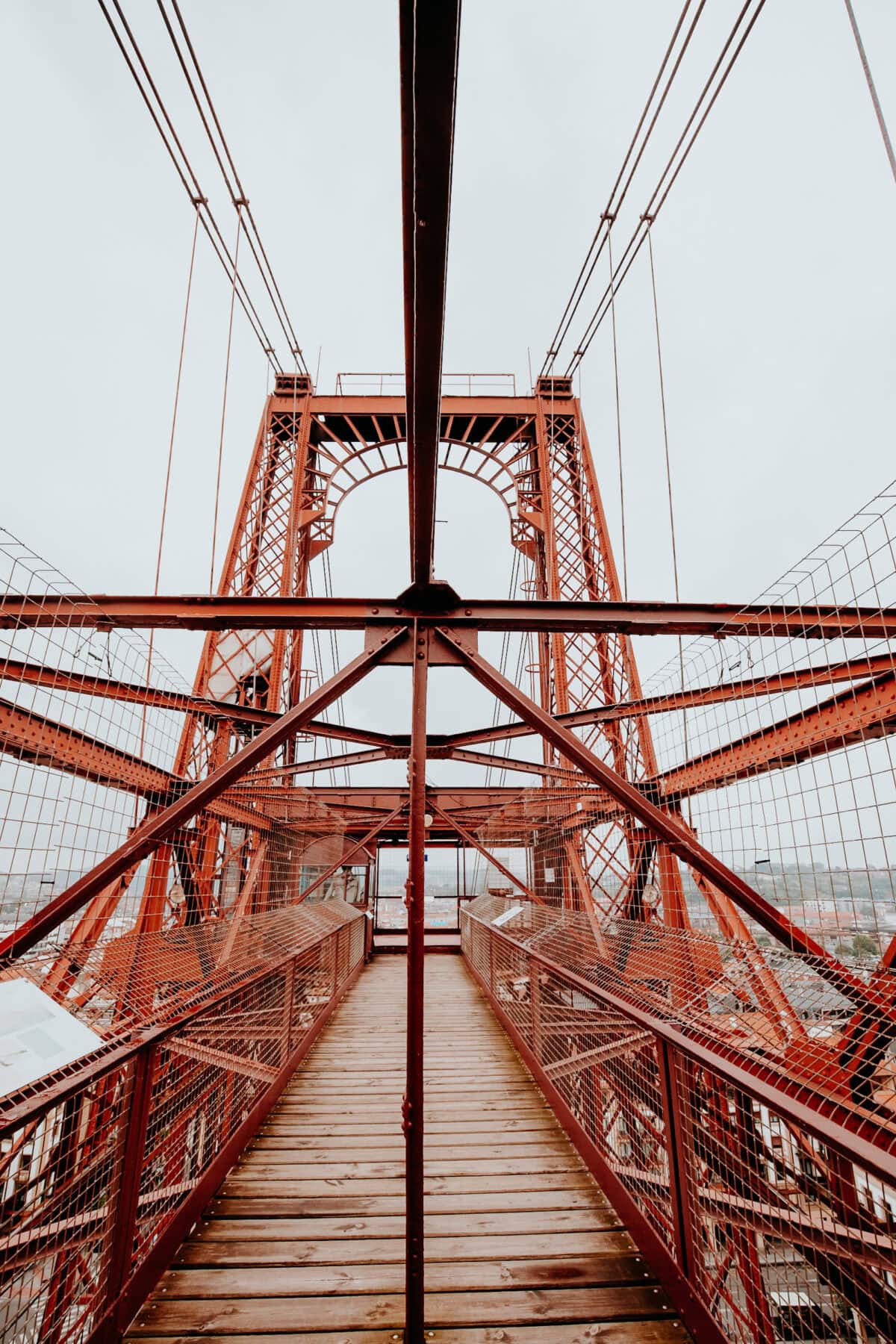
    You can also visit the bridge itself and take an elevator to the top; the entrance ticket for the bridge also includes a ferry ride. The Puente de Viscaya can be reached by metro from Bilbao city center.

    Red bridge tower with wooden walkway.

    Tip: Explore the rest of the pretty coastal town of Getxo too! From its promenade, you can also see what is now the port of Bilbao.

    Now that all the port facilities in Bilbao itself have disappeared and no large ships operate there, the majority of Bilbao’s port is located in the municipalities of Santurtzi and Zierbena, which lie on the estuary. And it really is huge: the port of Bilbao is the largest in Spain.

    Book a half-day tour to the Puente de Viscaya and Getxo here*

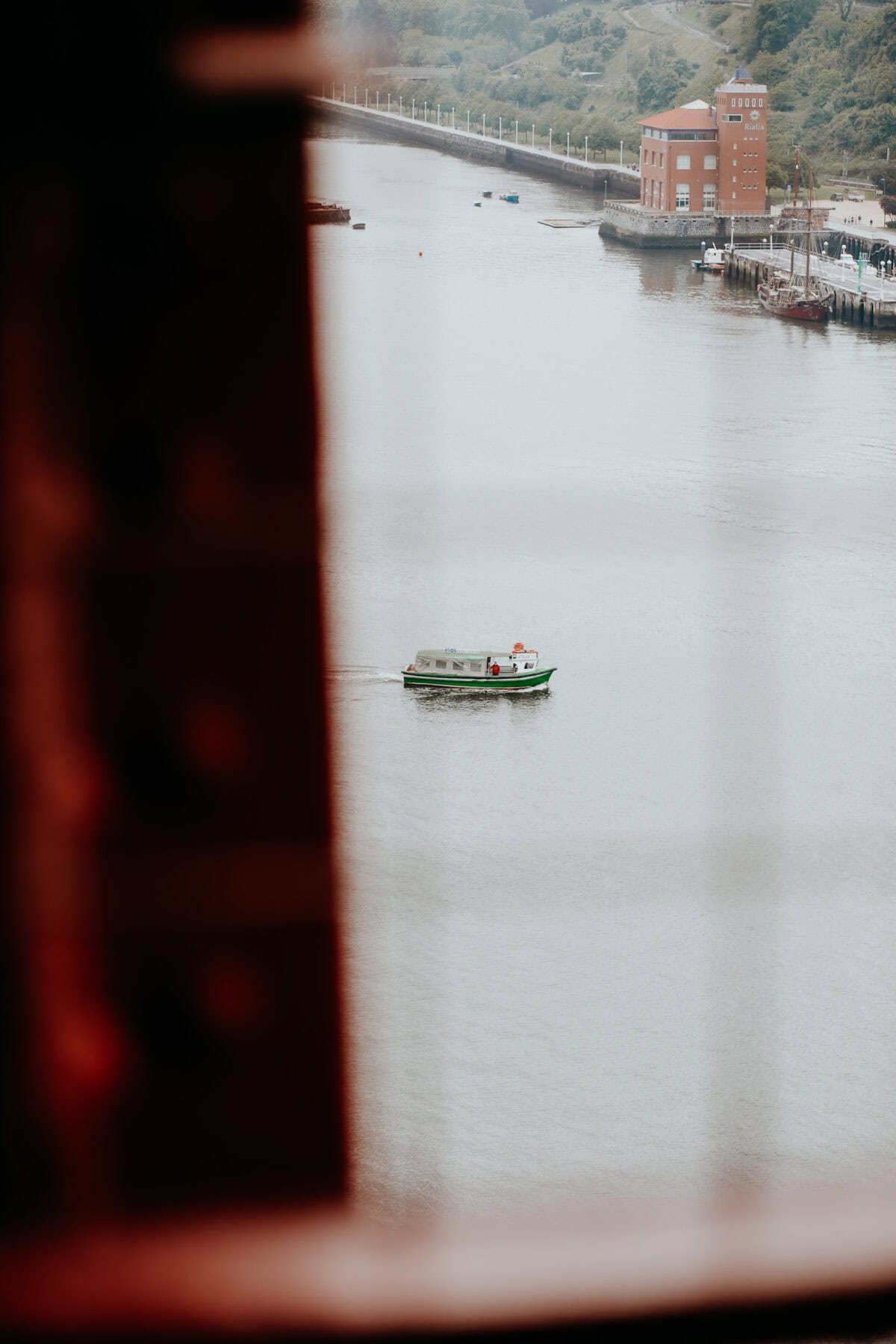
    Green boat sailing on a calm river.

    Artxanda

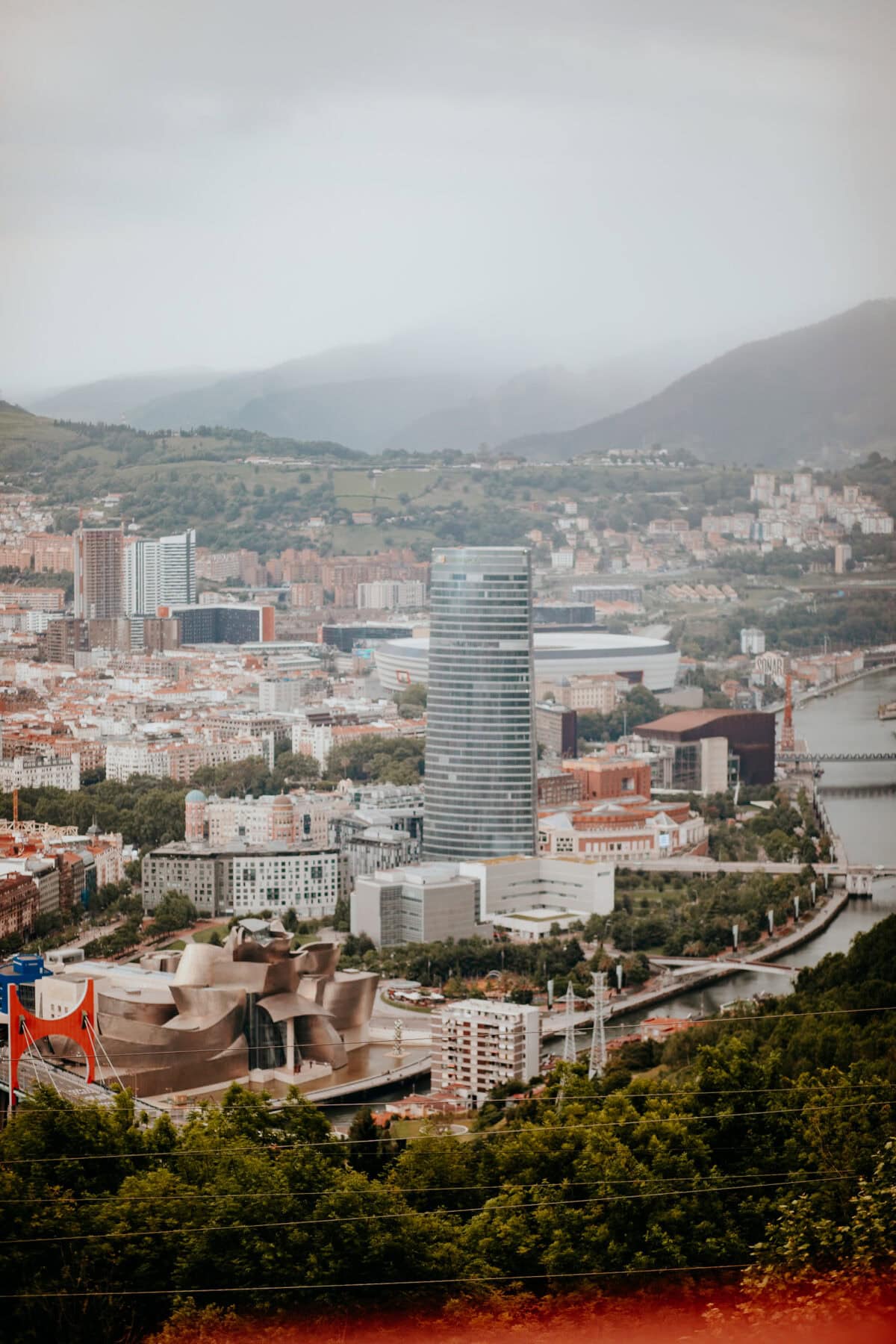
    From the summit of Artxanda, you have a unique view of Bilbao and the surrounding green mountains. The quickest way up is by funicular, the Funicular de Artxanda. Bilbao’s local mountain is also popular with locals, especially at the weekend: there are various leisure activities for young and old, as well as the popular Txakoli restaurant.

    Cityscape with modern architecture and green hills.

    Gran Vía

    Gran Vía is actually called Gran Vía de Don Diego López de Haro and is the main shopping street through the center of Bilbao. Over the course of one and a half kilometers, you will find stores from large chains such as Zara and Mango as well as two branches of the Spanish department store El Corte Inglés.

    Towards the old town, Gran Vía becomes even busier, and in the side streets you will always find a few corners with smaller bars and restaurants, for example in the parallel Calle Ledesma.

    Iberdrola Tower

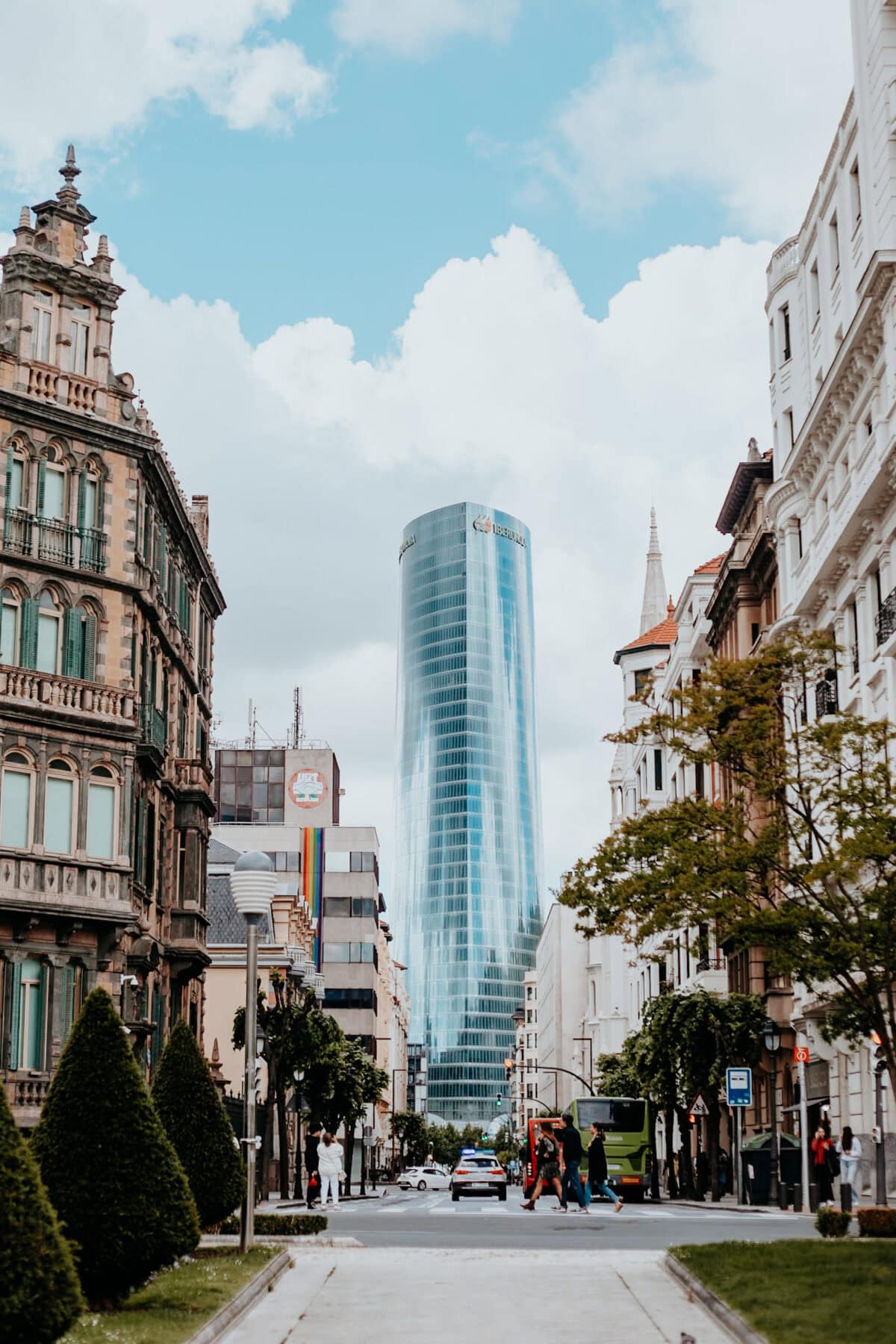
    Whether the Iberodrola Tower is really worth seeing is debatable. In any case, the office building is Bilbao’s tallest skyscraper and therefore a good landmark. And with a bit of luck and the right time of day, the sunlight sparkles so beautifully in the reflective façade that it makes a lovely photo motif.

    Modern and historic architecture in an urban street.

    More museums in Bilbao

    If the Guggenheim Museum has whetted your appetite (or if the weather isn’t playing ball), you can also visit the following museums in Bilbao:

    The Museo de Bellas Artes may not be quite as spectacular as the Guggenheim, but it is still one of the most important museums in Spain. You will find a large collection of art here, ranging from the present day to the 12th century. The building is currently being renovated and expanded, and it sounds very promising what is being created here.

    If you want to find out more about Bilbao, the history of the port and its connection to seafaring, you should pay a visit to the Itsas Museum.

    Staying overnight in Bilbao

    There is a wide range of accommodation options in Bilbao – and there is something for every budget. Personally, I would recommend accommodation around the Gran Vía, not in the old town, e.g. in the Abando district. Here you can easily get to all the important locations, do a bit of shopping and experience the life of the locals.

    Lively street with trees and outdoor bars in the city.

    Although the old town is connected to the metro network with one station, it is otherwise a pedestrian zone. This means you may have to walk halfway through the old town with your luggage to your accommodation. The old town is also very lively in the evening if you prefer a quieter atmosphere.

    I stayed at the Catalonia Gran Vía*, a comfortable boutique hotel in a great location (bus to the airport stops right outside the door) and with a really good breakfast buffet (I’m not normally a fan of this, but it’s really good here).

    Check availability and rates at the Catalonia Gran Vía*

    Click around in the map to find the best accommodations in Bilbao

    Advertising / *affiliate link

    Excursions from Bilbao

    If you have a little more time, I highly recommend exploring the surrounding area. Sophisticated San Sebastián, for example, is only an hour’s drive away or you can explore the surrounding coastal towns. You don’t necessarily need a rental car either, there are plenty of organized tours on offer from Bilbao:

    Arrival & transportation within Bilbao

    There are several daily flights to Bilbao from Frankfurt and Munich, but there are also direct flights to Bilbao from other airports in Germany.

    Check here for current flight connections to Bilbao (BIO)*

    You can easily get from the airport to the center of Bilbao on bus line A3247. You can buy the bus ticket directly from the driver on the bus (cash only); the bus stop is located directly in front of the arrivals hall. The bus runs mostly on the highway and also stops on Gran Via. The final stop is Bilbao Intermodal, from here you can change to the train, streetcars, metro or long-distance buses.

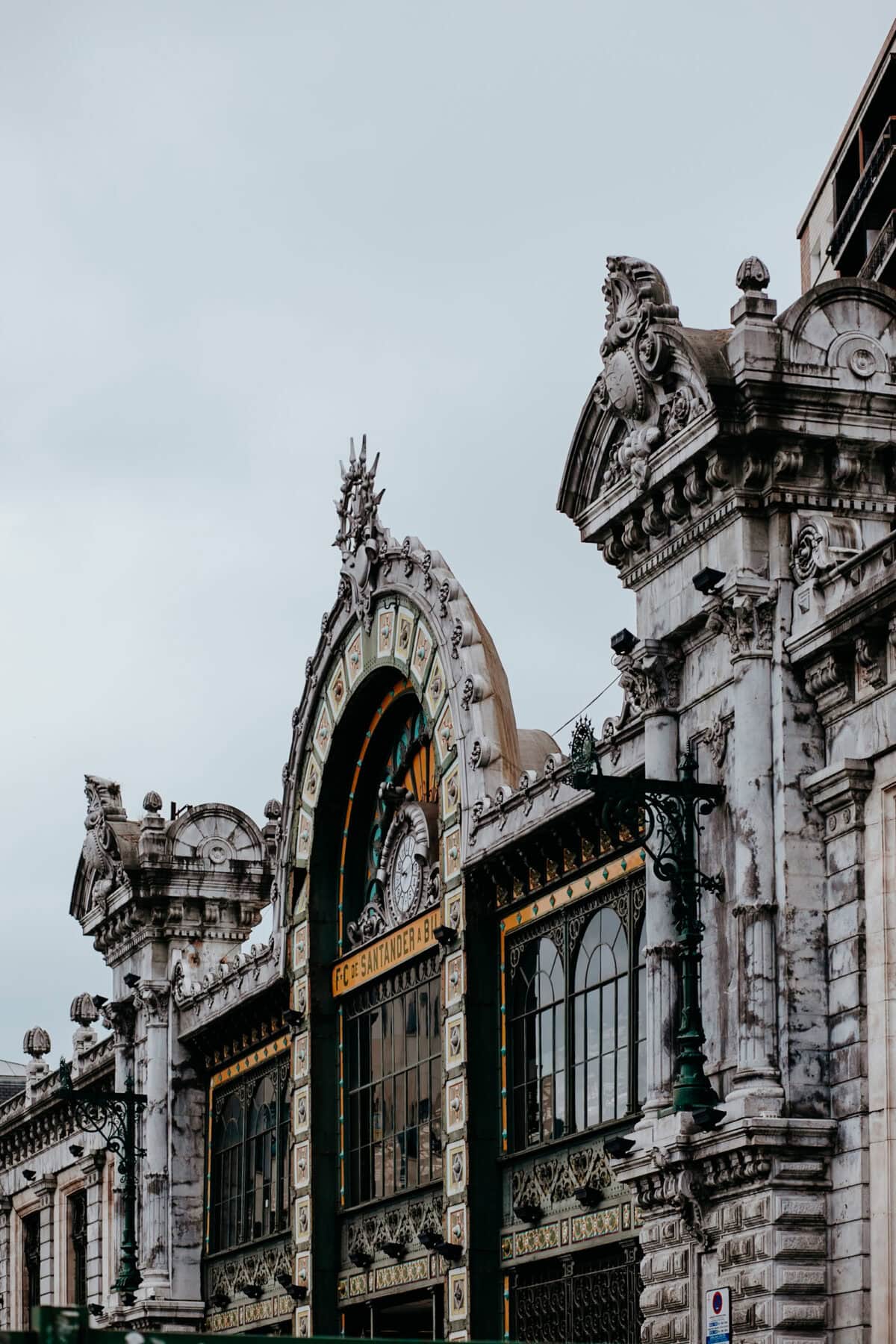
    Ornate station entrance with artistic sculptures.

    Within Bilbao, you can explore a lot on foot (especially in the old town). Bilbao also has a good streetcar and metro network. Tickets are available at the stops and stations and the prices are very reasonable.

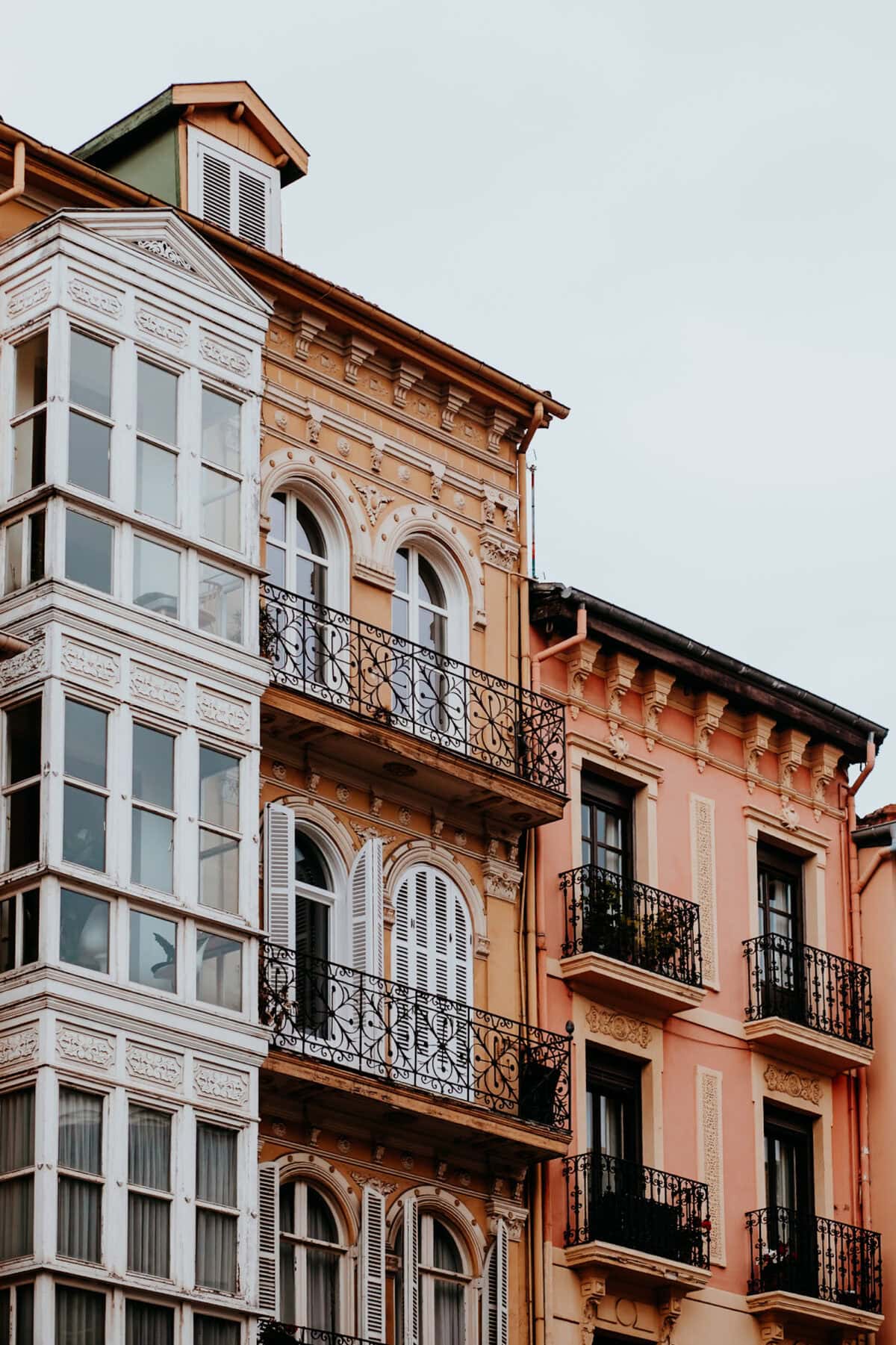
    Historic buildings with wrought-iron balconies.

    Language & culture in Bilbao

    Bilbao is located in the Spanish part of the Basque Country, but is not its capital. (That is Victoria-Gasteiz, an hour’s drive away.) As an autonomous community in Spain, the Basque Country has another official language: in addition to Spanish, Basque is also an equivalent official language here.

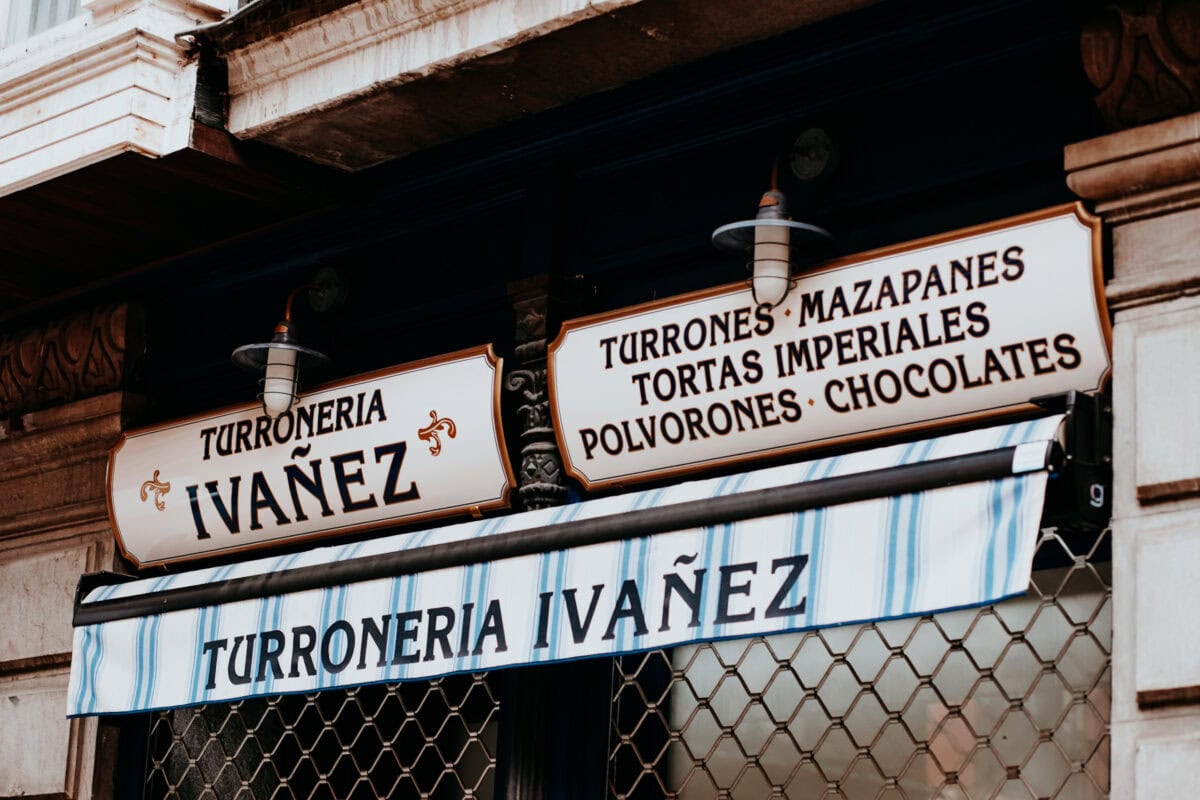
    Sign of a traditional Spanish sweet shop.
    Spanish is an official language alongside Basque

    As a visitor, however, you don’t need to worry about communication. As in other parts of Spain with other official languages (e.g. Catalonia), the locals generally also speak Spanish, and in an international city like Bilbao you will also get by fine with English.

    However, Basque is a super interesting language as it is not related to any other language. It is also spoken in part of neighboring Navarre and in the smaller French part of the Basque Country, where it is not an official language.

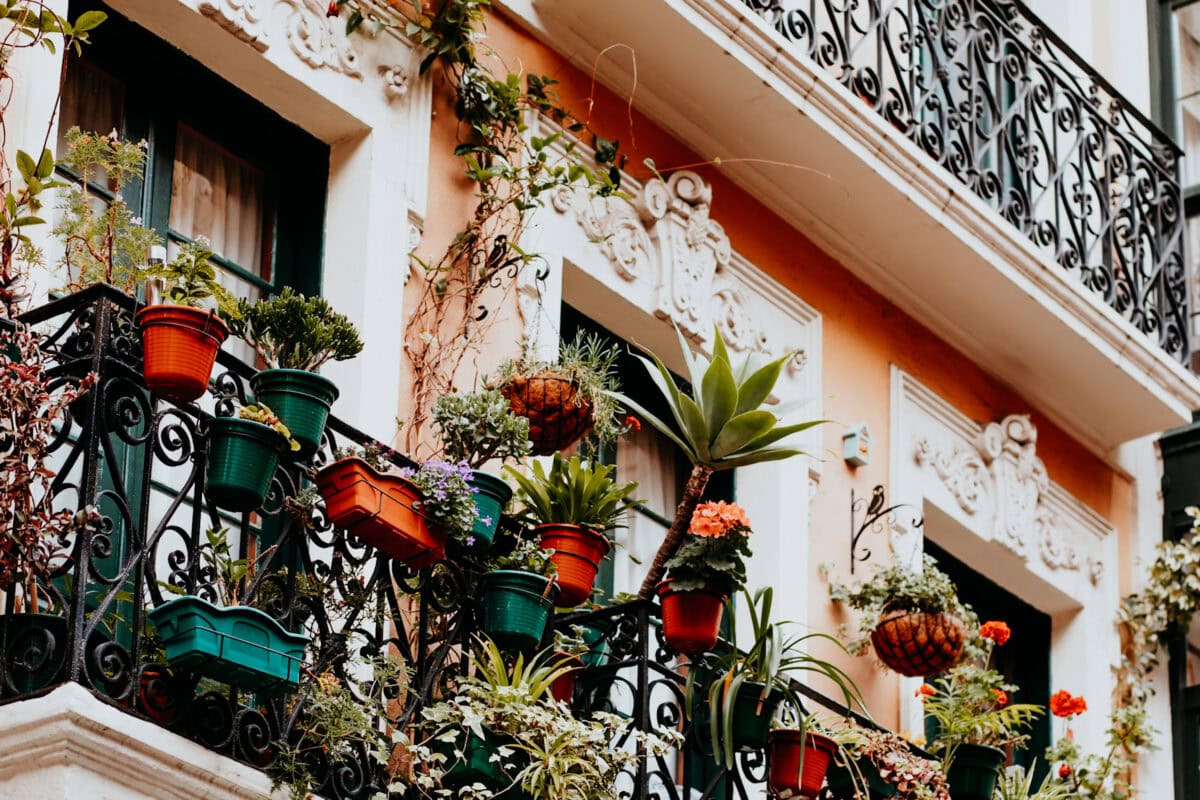
    Balcony with colorful flower pots and plants.

    Politically, the Basque Country has always been a bit of a hot potato. Independence efforts and resistance to Franco’s dictatorship in Spain, for example, gave rise to the terrorist organization ETA, which kept the country on tenterhooks for several decades with numerous attacks.

    This topic is still very sensitive today. If you want to find out more about it and talk to locals, I recommend that you read up on the subject beforehand to avoid putting your foot in your mouth. In this source you will find a very good overview of the political history and the current situation of the Basque Country.

    Weather & the best time to travel

    I’m no weather expert, but the combination of a location on the wild Bay of Biscay and the surrounding mountains makes the weather in Bilbao quite a challenge. In my memory, I have experienced the worst approaches of my flight attendant career in Bilbao – and so I perceive Bilbao as a constant weather hole.

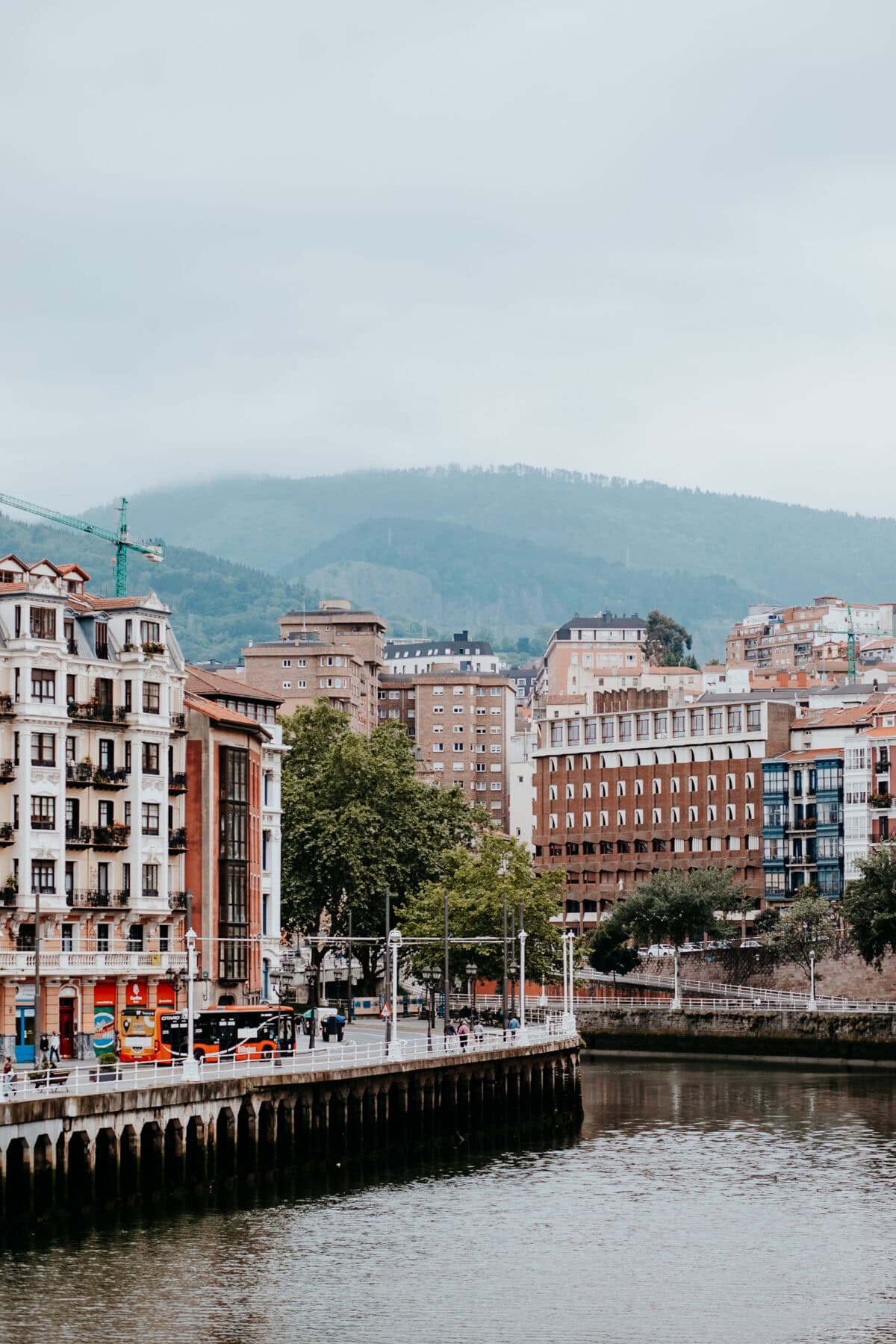
    City view with river and wooded hills in the background.

    It likes to be wet here, it often rains; but the summers are warm, but not oppressively hot like in the south of Spain, for example. And the abundant rainfall makes for lush green mountains around Bilbao.

    I therefore recommend that you avoid the fall and winter months, even if you have to squeeze through the city with the rest of the tourist crowds in the warmer months. But in my opinion, Bilbao is simply far too uncomfortable and inhospitable in bad weather.

    Safety in Bilbao

    If you read my blog regularly or follow me on Instagram, you’ll know that I can get excited about any destination. Bilbao also has really interesting sides, for example, I find the history of Bilbao and the changes to the cityscape over the last hundred years super fascinating.

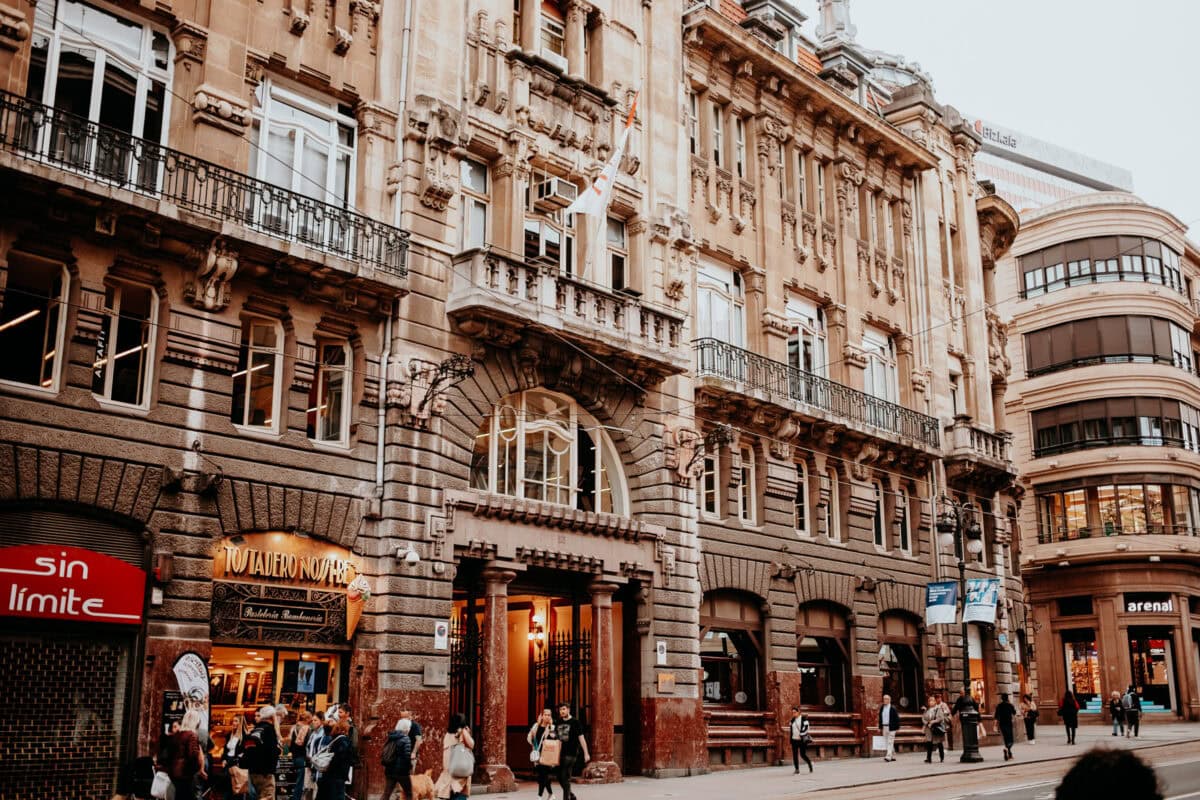
    Lively street scene with historic buildings in the city.

    Nevertheless, I haven’t become a big fan even after my last longer stay. This may be due to the city itself in general, which still exudes a bit of industrial dreariness for me, perhaps the occasionally damp weather, but also the fact that I had to part with my brand new iPhone here – it was stolen from my coat pocket.

    Pickpocketing happens every day in every major European city, and Bilbao has not yet achieved the notoriety of Barcelona, for example, in this respect, as far as I know. Nevertheless, I would like to take this opportunity to draw your attention to it. At first glance, Bilbao always seemed relatively relaxed and safe to me. But there are a lot of pickpockets out and about, especially in the busy old town with its narrow streets.

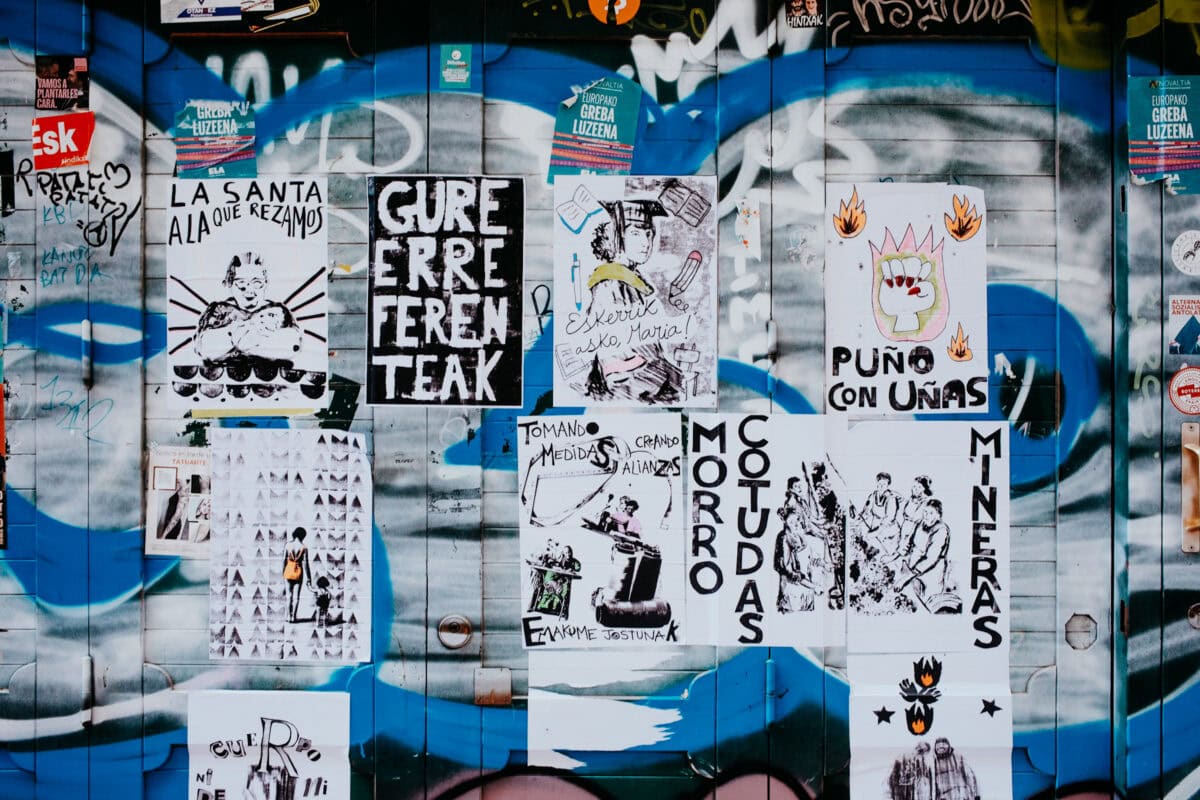
    Street art and graffiti in Bilbao, the Basque metropolis.

    Locals also urged me to pay more attention to the area around Calle San Francisco, a district on the other side of the river opposite Mercado Ribera. There’s a lot of street art, exciting restaurants and stores here – but it’s also a problem area and is often referred to as the most dangerous part of Bilbao. I was curious and actually wanted to explore the area, but after my pickpocketing experience, I didn’t feel like it. So if you want to go here (which I have actually decided to do on my next visit despite my experience) – take care.

    This article was written in part with the support of Visit Euskadi, the tourism organization of the Basque Country.

This site is registered on wpml.org as a development site. Switch to a production site key to remove this banner.